Impact Policy
All Episodes
51. EP 51 - UX Australia 2026 with Steve Baty
01:00:42||Ep. 51Recorded live at UX Australia 2026, we sits down with Steve Baty to explore what meaningful co-design looks like in practice. Together, they unpack the responsibility that designers hold when working alongside communities and ask what it really means to design with, rather than for, people and communties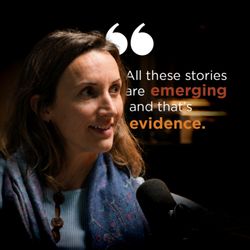
50. EP 50 - Thoughts and Reflections with Holly West
01:07:23||Ep. 50Impact Policy Podcast – Episode 50: Thoughts and Reflections | Unpacking some key learnings, challenges and highlights of the journey so far.In this special milestone episode, we celebrate our 50th with Holly West, one of Impact Policy’s original team members and a passionate driving force behind our research and strategy. Holly, a mum of two and long-time advocate in the community sector, joins us for a deep, reflective conversation about the Impact Policy Podcast’s journey so far.Looking back at the past 28 episodes, we unpack what’s resonated, what’s changed and how these conversations can challenge both us and the systems we navigate, and hopefully add some value to the sector and broader community.Connect and Support Impact Policy:Website: https://impactpolicy.com.au/YouTube: https://www.youtube.com/@impactpolicyIf you value these conversations, please subscribe, share, and drop a comment with what you’d like to hear next.Chapters:02:09 – Meet Holly West: Research, strategy, and community roots04:04 – Surviving past 50 episodes07:01 – Impact beyond podcasting: unexpected stories & community reach13:18 – Reflecting on milestones and learning from guests16:14 – Patterns and the power of relationships across diverse topics18:11 – Most memorable episodes24:36 – Storytelling as valid evidence and learning26:09 – Guests who challenge and shape our thinking30:01 – Reimagining community care and responsibility39:13 – Building our studio and looking ahead44:47 – The challenges of facilitation and holding space46:04 – What we hope this podcast leaves behind50:08 – Country, design, and environment in policy dialogue58:53 – Building and activating the podcast community1:06:01 – Creating an accessible platform for community storytellers1:08:01 – The vision for the next 50 episodes#ImpactPolicyPodcast #AboriginalLeadership #SystemsChange #CommunityVoice #LivedExperience #Storytelling #CoDesign #PolicyReform #IndigenousResearch
49. EP 49 Rowena Welsh - Jarret- 'Culture is Living, Not Frozen'
01:02:11||Season 1, Ep. 49We get the chance to sit with Rowena Welsh Jarrett, a proud Dharawal and Gumbaynggirr Woman and member of the Redfern and La Perouse communities. Rowena is a lifelong advocate for Aboriginal cultural heritage and Director at Wadjiid (RWJ PTY LTD). Born and raised on Gadigal land, Rowena has dedicated over 20 years to cultural heritage work, community leadership, and ensuring the continuation of cultural practices within urban Sydney and coastal communities.Rowena shares powerful reflections on the resilience of her family lines, the deep responsibility of being born and belonging to Country, and the importance of passing on cultural tools to future generations. She speaks on land rights, repatriation, and the realities of working with both grief and strength while navigating the pressures and expectations of cultural heritage practice.Rowena discusses the complexities of cultural continuity, the power of language revival, honouring matriarchal legacy, responding to curated histories, and explores her role in nurturing cultural tools to pass on to future generations. She challenges stereotypes of “frozen” or prehistoric culture and champions greater self-determination and respect for people of the land in both heritage work and policy.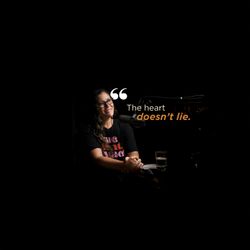
48. EP 48 Shantelle Thompson - 'The Barkindji Warrior'
01:12:00||Season 1, Ep. 48In this episode, we sit down with Shantelle Thompson, Barkindji and Ngiyampaa Woman, three-time world champion in Brazilian Jiu Jitsu, mother of five, educator, entrepreneur, and founder of the Kiilalaana Foundation and Warrior Heart movement. Shantelle shares her journey of becoming, reflecting on self-leadership, responsibility, and listening to her ancestors, whose voices continue to guide her as she walks a path grounded in strength, sovereignty and purpose.Shantelle openly reflects on her experience with burnout, survival, healing intergenerational trauma, and the ongoing work of holding herself accountable both as a mother and a leader. She discusses the importance of finding your people, nervous system regulation, being well as a responsibility, and her vision for her community and the next generation. We also dive into her sporting journey, the significance of Jiu Jitsu, and her advocacy for Women's empowerment in sport and culture.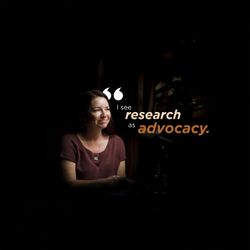
47. EP 47 Associate Professor BJ Newton - Restoration, Research Advocacy and Bringing Children Home
01:40:38||Season 1, Ep. 47In this episode of the Impact Policy Podcast, we sit down with Associate Professor BJ Newton for a grounded conversation on child removal, restoration, and the systemic realities facing Aboriginal families navigating the child protection system. Drawing on the Bring Them Home, Keep Them Home research, BJ reflects on the role of research as advocacy, the importance of community-embedded approaches, and why restoration must be centred in conversations about reform.The discussion explores the structural drivers that continue to see Aboriginal children over represented in out-of-home care, the barriers families face in reunification processes, and the need to shift from surveillance and intervention toward family-led, culturally responsive support. BJ also speaks to initiatives including Know Your Rights and ARC (Aboriginal Authority for Restoring Children), and the importance of returning decision-making and authority back to Aboriginal communities.Alongside systems analysis and policy discussion, the episode also reflects on the role practitioners can play in creating safe, relational spaces for families through informed judgement, empathy and culturally responsive practice.If you work across child protection, Aboriginal affairs, policy, research, or community services, this episode offers an honest and important conversation on restoration, accountability, and what meaningful systems change can look like in practice.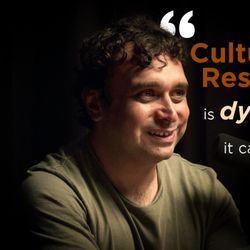
46. EP 46 Sean McCarthy Systems Change, CoDesign & Anti Racism
56:40||Season 1, Ep. 46In this special episode of the Impact Policy Podcast, we sit down with our Director of Policy and Research, Sean McCarthy, for an in-depth reflection on his journey at Impact Policy and his work across the New South Wales public sector. As Sean McCarthy prepares to take on new opportunities, we discuss key projects including systems readiness, structural reform, and the importance of moving from cultural safety to cultural responsiveness in policy and community engagement.Sean McCarthy shares valuable insights on shifting from the public sector to consultancy, the complexities of Aboriginal procurement, and building strong collaborative relationships among black businesses and government agencies. We delve into the nuances of co-design, organizational maturity, tackling lateral violence, and why genuine shared decision-making is essential for sustainable systems change.If you work in Aboriginal affairs, policy, or want to create more culturally responsive practices in your organization, this episode is a must-listen. Subscribe and share if you find value in our conversation—your support helps us continue to deliver impactful content as a resource for the sector and the community.Topics Covered:The dynamics of cultural responsiveness vs. cultural safetyLearnings from systems reform and governance projectsBest practices for co-design and partnering with communitiesOrganizational readiness, maturity, and anti-racism strategiesThe ongoing evolution of cultural awareness in workplacesKey Topics CoveredTransition from Public Sector to ConsultingSean McCarthy shares insights about moving from the public sector into consulting, emphasizing the shift to more creative and solutions-based approaches 03:29.Aboriginal Procurement and Business CollaborationDiscussion of unique challenges and opportunities faced by Aboriginal businesses in procurement and the importance of collaboration over competition 06:05.Structural Reform and Shared Decision-MakingReflections on the importance of increased agency and shared power for Aboriginal communities within policy and governance structures 11:34.Lessons from Co-Design and Governance WorkSean McCarthy covers communication challenges, the significance of language, and strategies for implementing new models where little precedent exists 17:21.Incremental Change and Systems ReadinessThe complexities of systems change, the balance between incremental and uncompromisable standards, and how organizations can genuinely prepare for large-scale reform 26:12.Cultural Safety vs. Cultural ResponsivenessIn-depth discussion of the difference between achieving minimum standards (cultural safety) and embedding continual, responsive change (cultural responsiveness) in organizations 44:05.Organizational Maturity and Readiness AssessmentApproaches to measuring organizational maturity from anti-racism and cultural responsiveness perspectives; policy analysis, stakeholder feedback, and maturity frameworks 39:17.Cultural Supervision and Continuous LearningThe evolution from static cultural awareness training to ongoing cultural supervision and readiness as a demonstration of organizational maturity 54:10.Notable Quotes“Cultural safety is like a minimum requirement... best practice is cultural responsiveness, right? Because you’re actually responding to cultural need and feedback.” — Sean McCarthy 32:04“It's about that continual improvement. You’re never going to be perfect at it... but what you want to do is be better every day, every year, every whatever it might be.” — Sean McCarthy 48:43Additional ResourcesMention of “Women’s Training” as an example that breaks down static notions of cultural awareness (51:10); link to be added in episode description.Listeners are encouraged to subscribe and share the podcast to support self-funded, sector-building work (01:51).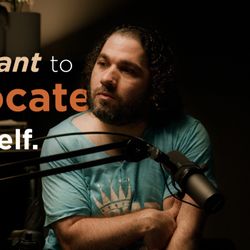
45. EP 45 Moustafa Ardati - 'Stay True, Be You'.
01:21:52||Season 1, Ep. 45Join hosts Moustafa Ardati and Sam Johnson for powerful, real conversations exploring lived experience, resilience, and mindset. In this episode, Moustafa Ardati—tri-code international athlete, counselor, coach, and doctoral researcher—shares his remarkable journey growing up with cerebral palsy, defying limitations, and challenging stereotypes about disability, education, and mental health.The discussion dives deep into overcoming adversity, shifting the narrative on addiction and identity, the importance of advocacy and self-belief, and practical insights into personal growth. Sam Johnson and Moustafa Ardati explore how mindset, opportunity, and support shape our stories, and why policy and practice must center lived experience and authentic inclusion.If you're passionate about access, equity, and inclusion—or just need inspiration to thrive no matter the obstacles—this episode is for you. Subscribe, share, and join the Impact Policy Podcast community to stay up to date and be part of the change!Themes:Lived experience and disabilityMindset and resilienceAddiction, trauma & identityPolicy, reform, and advocacyPersonal and professional growthListen now for moving stories, expert insights, and actionable advice to help you navigate and shape a more inclusive world.
EP 44 Sam Johnson 'Redefining the Masculinity Debate'
23:21|In this latest solo episode, Sam Johnson takes us behind the scenes at Impact Policy, sharing powerful reflections on what it means to “Indigenise Masculinities.” Drawing on personal stories, recent thought leadership, and upcoming conference conversations, Sam Johnson explores the intersection of masculinity, colonization, and systemic change—especially in the context of Aboriginal and Torres Strait Islander men and boys.This episode challenges the mainstream dialogue around masculinity, calling for a deeper understanding of culture, relationality, and community. If you work in policy, advocacy, or community, or if you’re just curious about reframing gender conversations in Australia, you’ll find practical insights and inspiration here.Tune in, reflect, and join the conversation.And don’t forget to follow Impact Policy for future thought leadership updates—no spam, just learning shared along the journey!#IndigenizingMasculinities #ImpactPolicyPodcast #ThoughtLeadership #GenderJustice #FirstNations
EP 43 Sam Johnson 'Why we are Building a Not for Profit
18:30|In this solo episode of the Impact Policy Podcast, host Sam Johnson shares the inspiring journey behind Impact Policy's decision to build a not-for-profit. Sam Johnson reflects on the organization's roots in community-driven work, starting with scholarship programs for Aboriginal young people and extending to current initiatives supporting girls in community sports. Drawing on personal experiences growing up in Glebe and the positive influence of accessible sports programs, Sam Johnson discusses the critical importance of breaking down barriers to participation—like financial hardship and transport—for young women and girls, especially those from Aboriginal and culturally diverse backgrounds.The episode outlines the vision behind the new not-for-profit, focusing on themes of access, equity, inclusion, and justice. Sam Johnson highlights how small acts, such as providing team transport or creating safe, girls-only sports spaces, can have a profound impact. With support from pro bono legal partners, Impact Policy is building a program (currently called the Impact Academy) that does more than teach basketball; it creates community, role models, and opportunities for youth who need them most.If you’re passionate about social impact, youth programs, or building inclusive communities, this episode offers both inspiration and practical insight into launching purpose-driven initiatives—and an invitation to get involved.
loading...