Share
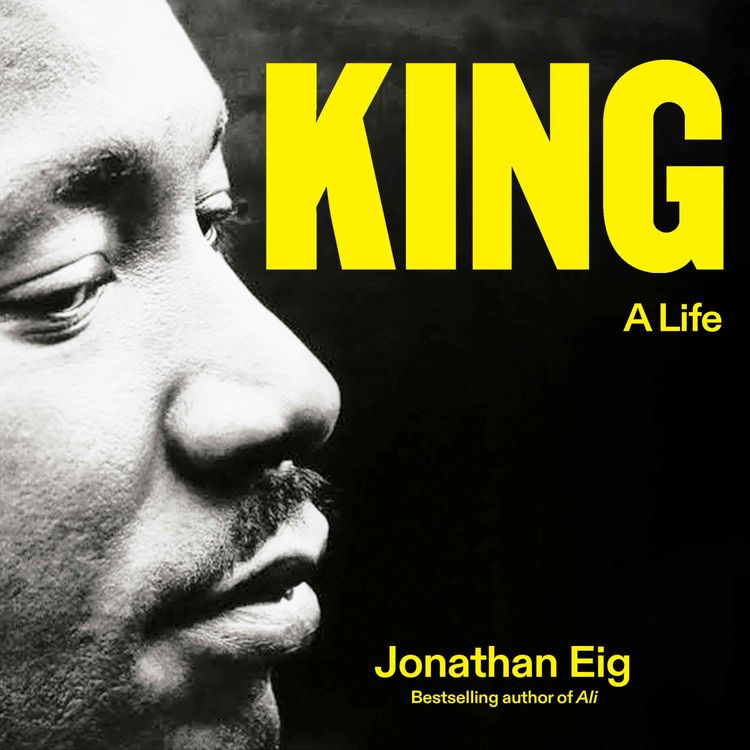
How To Be A Historian
King: A Life
Season 1, Ep. 13
•
Today I have the honor of interviewing the Pulitzer prize winning biographer and journalist Jonathan Eig about his recent book King: A Life. In the last episode we discussed his career, biographies, and what it means to be a historian. Jonathan Eig is the author of six books, four of them New York Times best sellers. The New York Times hailed King as the "definitive" biography of Martin Luther King Jr. The book was awarded the New-York Historical Society’s 2024 Barbara and David Zalaznick Book Prize, which is presented annually to the nation's best work of history or biography. King was also nominated for the National Book Award. And last but not least, it won the Pulitzer prize for Biographies and Autobiographies.
More episodes
View all episodes
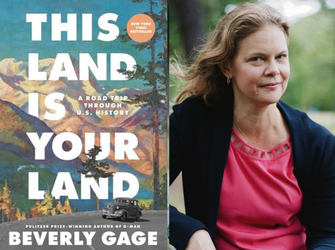
6. A Conversation with Beverly Gage
46:14||Season 2, Ep. 6I had the huge honor of getting the opportunity to interview the historian, Yale professor and pulitzer-prize winning author Beverly Gage. Our interview centered around two overarching topics. First off, we discussed her latest book "This Land Is Your Land," which recounts her experiences during a series of road trips to historical sites around America in the lead-up to the 2026 semiquincentennial. The book explores how we as Americans confront and discuss the past amidst our tumultuous present. I wanted to post this today on July 4th because in the book, Professor Gage explores how in past moments of chaos and change Americans comforted themselves with the belief that our country is always moving forward to a better more democratic nation. In times like these, it might be difficult to feel that way but hopefully this book helps us see how much progress we as Americans have and continue to make in the pursuit of a more perfect union. This was one of the first history books I read that focused on how we portray history in the present day and it inspired me to learn more about how history is discussed and used by those right now. Professor Gage and I discussed what motivated her to write the book and what she encountered on her journey, in addition to more specific conversations surrounding topics and sites she focused on. In the second half of our conversation we talked about her professional journey, love for history, and how she became a professor and author. I hope you enjoy the episode!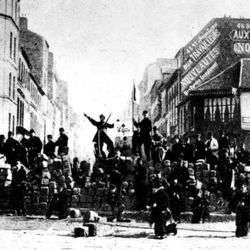
5. A Conversation about the Paris Commune
25:05||Season 2, Ep. 5This is the second episode in a two part series of interviews with Mitch Abidor, an author, historian, and translator. In this episode we discuss the causes, effects, and events surrounding the Paris Commune. The Paris Commune was a leftist workers revolution that arose in 1871 amid political instability in France. The Commune was ultimately put down and only lasted 72 days. It set an example for many left wing revolutions in the future and one of the first and only instances of workers taking complete control of a government and an entire city. The previous episode focused on what it is like being a historian, his professional journey, what Mr. Abidor's days look like.
4. A Conversation with Mitch Abidor
34:58||Season 2, Ep. 4On this episode I interview Mitch Abidor an author, historian and translator. This episode is the first in a two part series of interviews with Mr. Abidor. We talk about what it is like being a historian, his professional journey, what his days look like and his work as a translator. In the second part episode we discuss the events of the Paris Commune, which he has focused on in many of his translations. Mr. Abidor has published over a dozen books, largely focusing on French radical history, including A Socialist History of the French Revolution by Jean Jaurès and Victor Serge's Notebooks, 1936-1947. His writings have appeared in publications in the United States, France, Brazil, and Germany.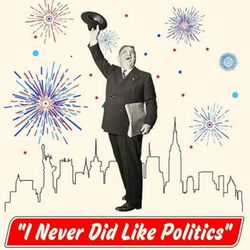
3. I Never Did Like Politics: How Fiorello La Guardia Became America’s Mayor and Why He Still Matters
35:50||Season 2, Ep. 3This is the second episode in a two part series of interviews with historian Terry Golway, an author, historian, and adjunct professor in the Political Science department at the College of Staten Island. In this episode we discuss Professor Golway's recently published book I Never Did Like Politics: How Fiorello La Guardia Became America’s Mayor and Why He Still Matters. The previous episode focused on what it is like being a historian, his professional journey, what his days look like.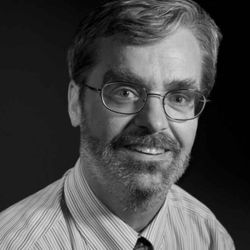
2. A Conversation with Terry Golway
34:16||Season 2, Ep. 2On this episode I interview Terry Golway an author, historian, and an adjunct professor in the Political Science department at the College of Staten Island. This episode is the first in a two part series of interviews with Professor Golway. We talk about what it is like being a historian, his professional journey, what his days look like and his research on Tammany Hall. In the second part episode we discuss his book I Never Did Like Politics: How Fiorello La Guardia Became America’s Mayor and Why He Still Matters.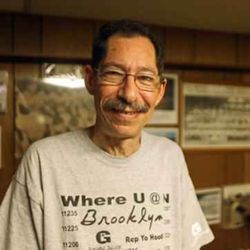
1. A Conversation with the Brooklyn Borough Historian
26:42||Season 2, Ep. 1In this episode, I got the chance to discuss some history with Brooklyn's very own Borough Historian, Ron Schweiger. Each Borough President appoints a Borough Historian - whose job it is to preserve historic areas, educate others and serve as a resource to answer questions about the borough's history. Mr. Schweiger was appointed to that position by Brooklyn Borough President, Marty Markowitz, in 2002. Mr. Schweiger has lived in Brooklyn all of his life and conducts walking tours through some of Brooklyn’s historic communities spreading his knowledge of Brooklyn’s rich history. He additionally utilizes his collection of over 3,000 slides of old Brooklyn street scenes to educate its residents and is currently working to get Beverly Square West landmark status. I'm so glad to have Mr. Schweiger on the podcast and I hope you all enjoyed our conversation!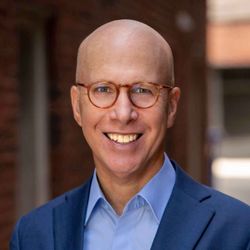
12. A Conversation With Jonathan Eig
35:05||Season 1, Ep. 12On this episode I interview the Pulitzer prize winning biographer and journalist Jonathan Eig. We discuss his passion for journalism, process for writing biographies, what it means to be a historian, and the importance of portraying history in engaging ways. This episode is the first of a two part series of interviews with Mr. Eig, the next one focusing on her book King: A Life.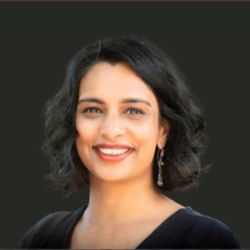
10. The Life of a Historian: Prithi Kanakamedala
34:06||Season 1, Ep. 10On this episode I interview Prithi Kanakamedala an author, public historian, and professor at Bronx Community College of CUNY where she teaches US history, African-American history and the history of New York City. We discuss her journey to becoming a historian, the challenges of the job, what her days look like, what excites her about being a historian. This episode is the first of a two part series of interviews with Professor Kanakamedala, the next one focusing on her book Brooklynites: The Remarkable Story of the Free Black Communities that Shaped a Borough.