Share

How I quit alcohol
210. Accepting yourself as you truly are with Garrett Kato
In this episode, I catch up musician and producer Garrett Kato. Hailing from Vancouver, Garrett shares his journey of navigating through various social circles during his upbringing, and the challenges he faced in finding his place. Garrett talks about the impact of his parents' separation during his formative years, revealing the deep-seated emotions of not feeling good enough and the ensuing sense of instability.
We chat about the myth of needing to use substances to create music and how he had to mourn the loss of who he thought he was and accepting himself .
Check Garrett music out on youtube here.
https://www.youtube.com/watch?v=zgxNu8fBrgw
Spotify
https://open.spotify.com/artist/4S3VOqqGguEZu3vbJMig4t?si=MylAkMY3QMyBP1DSA9bFZA
Insta @garrettkato
For more resources such as coaching or to join the next HIQA challenge go to
Follow HIQA insta @howiquitalcohol
Music for Podcast intro and outro written by Danni Carr performed by Mr Cassidy
If you are struggling with physical dependancy on alcohol consider contacting a local AA meeting or a drug and alcohol therapist. Always consult a GP before stopping alcohol.
More episodes
View all episodes
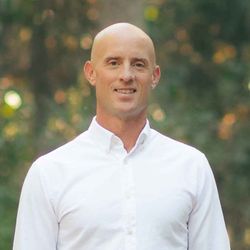
384. Defining problematic drinking with sommelier turned sober coach , Ted Gibson
49:57|In this episode, Ted Gibson shares his journey from a professional in the alcohol industry to becoming a sober coach. He discusses the evolving understanding of what constitutes problematic drinking, the challenges of sobriety while working in hospitality, and practical tips for those considering a sober lifestyle.He talks about his own social anxiety and using alcohol to mask that and also the anxiety around losing his hair which was causing a lot of discomfort for him.We also talk about the definitions of problematic drinking behaviour and how it is not always just being at rock bottom.To reach out to Ted go to @tedgibsoncoaching on InstaFor more resources such as coaching or to join the next HIQA challenge go towww.iquitalcohol.com.auFollow HIQA insta @howiquitalcohol Music for Podcast intro and outro written by Danni Carr performed by Mr CassidyIf you are struggling with physical dependancy on alcohol consider contacting a local AA meeting or a drug and alcohol therapist. Always consult a GP before stopping alcohol.
383. Missing the old self on the annual "Slap A Salami Saturday" - Monthly Check In with Ty
22:36|summaryIn this episode, Tyrone shares his journey of sobriety, the challenges of social events without alcohol, and the importance of understanding personal cycles in behavior change. Danni guides a deep conversation on how to find stability and growth beyond the highs and lows of alcohol moderation.We talk about Ty's realisation that he may have been addicted to the cycle of binge, quit, binge, quit. Also the the challenge he faced for his annual "Slap A Salami Saturday". For more resources such as coaching or to join the next HIQA challenge go towww.iquitalcohol.com.auFollow HIQA insta @howiquitalcohol Music for Podcast intro and outro written by Danni Carr performed by Mr CassidyIf you are struggling with physical dependancy on alcohol consider contacting a local AA meeting or a drug and alcohol therapist. Always consult a GP before stopping alcohol.
382. From Beer Bongs for Breakfast to 8 years of sobriety with Erika Gibson
46:25|In this episode, Yoga teacher Erika Gibson shares her inspiring journey from partying and alcohol use to embracing sobriety, yoga, and self-awareness. Discover how her transformation has impacted her life, relationships, and spiritual path, offering valuable insights for anyone considering or on a similar journey.To reach out to Erika you can find her on Instagram at @erikagibsonyogaThe book Danni mentioned is Breaking The Habit Of Being Yourself by Dr Joe DispenzaFor more resources such as coaching or to join the next HIQA challenge go towww.iquitalcohol.com.auFollow HIQA insta @howiquitalcohol Music for Podcast intro and outro written by Danni Carr performed by Mr CassidyIf you are struggling with physical dependancy on alcohol consider contacting a local AA meeting or a drug and alcohol therapist. Always consult a GP before stopping alcohol.
381. The Fears we have about quitting alcohol with the HIQA Grads group
01:06:52|In this episode we share Danni and the HIQA about some of the common fears we experienced around quitting alcohol.
380. Coming out of the darkness and shining your light with Gorillaz bass player Seye Adelekan
01:05:08|summaryIn this episode, Singer Songwriter and Bass Player for the Gorillaz, Seye Adelekan shares his powerful journey from addiction to sobriety, highlighting the importance of self-love, community, and mental health. Seye has become and advocate for musicians and their mental health through various programs such a Music Minds Matter in the UK. Seye talks about the how sobriety has enhanced his life in so many areas, from his creativity to his connections. Seye was in the darkest place with his alcohol consumption, drinking wine first thing in the morning and alcohol stealing so much of what was good in his life. He eventually got into a rehab program and he slowly rebuilt his life. We also talk about meeting life on life's terms, the ability to go from playing stadium gigs in front of 10's of thousands of people and coming down from shows in much healthier ways. He also shares lots of tips for early sobriety, including placing time limits on your socials engagements and being with cravings. This is an amazing episode, full of so much wisdom from this wonderful human. Links below Music Minds Matter - Help Musicians UKSeye Adelekan - InstagramFor more resources such as coaching or to join the next HIQA challenge go towww.iquitalcohol.com.auFollow HIQA insta @howiquitalcohol Music for Podcast intro and outro written by Danni Carr performed by Mr CassidyIf you are struggling with physical dependancy on alcohol consider contacting a local AA meeting or a drug and alcohol therapist. Always consult a GP before
379. The truth about sober social situations with comedian, Mandy Nolan
46:51|In this episode, Comedian, Mandy Nolan shares her journey of sobriety, the impact on her comedy career, and how giving up alcohol has transformed her life. We explore the social dynamics of being sober, the humour in sobriety, and practical tips for maintaining a sober lifestyle.Resourceshttps://lyres.com/en-au/search?q=proseccoMandy Nolan's WebsiteGuest linksTwitterInstagramFor more resources such as coaching or to join the next HIQA challenge go towww.iquitalcohol.com.auFollow HIQA insta @howiquitalcohol Music for Podcast intro and outro written by Danni Carr performed by Mr CassidyIf you are struggling with physical dependancy on alcohol consider contacting a local AA meeting or a drug and alcohol therapist. Always consult a GP before stopping alcohol.
378. A slow and beautiful recovery with Kate from Victoria
50:28|In this episode, Kate shares her inspiring journey of sobriety, personal growth, and the transformative power of slow recovery and yoga. Discover how she rebuilt her life step-by-step and the importance of community, rituals, and self-belief.For more resources such as coaching or to join the next HIQA challenge go towww.iquitalcohol.com.auFollow HIQA insta @howiquitalcohol Music for Podcast intro and outro written by Danni Carr performed by Mr CassidyIf you are struggling with physical dependancy on alcohol consider contacting a local AA meeting or a drug and alcohol therapist. Always consult a GP before stopping alcohol.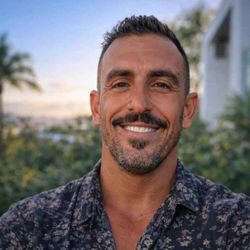
377. Keeping "the work" interesting with Ty, June check in
20:51|In this inspiring interview, Tyrone Mulvaney shares his journey of sobriety, the importance of identity building, and practical strategies to stay on course. Discover how daily habits, mental models, and community support can transform your life and help you become a sober legend.For more resources such as coaching or to join the next HIQA challenge go towww.iquitalcohol.com.auFollow HIQA insta @howiquitalcohol Music for Podcast intro and outro written by Danni Carr performed by Mr CassidyIf you are struggling with physical dependancy on alcohol consider contacting a local AA meeting or a drug and alcohol therapist. Always consult a GP before stopping alcohol.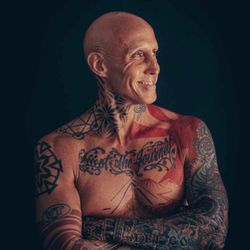
376. From complete self destruction to liberation and healing with mens confidential advisor, Sam G Morris
01:03:17|In this epic interview, mens confidential advisor, Sam Morris shares his transformative journey from complete self-destruction to becoming a powerful advocate for men's emotional health and sobriety. Discover deep insights into the roots of addiction, the importance of vulnerability, and practical approaches to healing and masculinity.To contact Sam or find out more about Sam@sam.g.morris - Instagramthemsaculinetruth.substack.comFor more resources such as coaching or to join the next HIQA challenge go towww.iquitalcohol.com.auFollow HIQA insta @howiquitalcohol Music for Podcast intro and outro written by Danni Carr performed by Mr CassidyIf you are struggling with physical dependancy on alcohol consider contacting a local AA meeting or a drug and alcohol therapist. Always consult a GP before stopping alcohol.