Share

Hit Parade Plus
The Bridge: Any Mutt of Mine
In this Slate Plus exclusive, host Chris Molanphy welcomes country music journalist and historian Brian Mansfield, who explains how superproducer Robert John “Mutt” Lange and superstar Shania Twain reshaped Nashville in the 1990s. In her partnership with the studio mastermind, Twain pivoted from her largely overlooked debut album to an arena-rock sound that proved so popular, it altered the sonic signature of country music and compelled other artists to emulate Twain and Lange’s approach. Mansfield also unpacks some of the politics behind Nashville songwriting and production, and how Twain’s legacy continues to be felt today.
Also: Chris tests a Slate Plus listener’s music knowledge, gives him a chance to turn the tables with a question of his own, and offers a sneak peek at the next episode of Hit Parade. Slate Plus members can sign up for a chance to be our trivia contestant on a future episode here.
Podcast production by Kevin Bendis.
More episodes
View all episodes

The Bridge: Why Is This Episode No. 100?
39:00|In this Slate Plus bonus episode: With Hit Parade’s 100th episode in the books, Chris Molanphy welcomes Slate’s culture editor Forrest Wickman for an in-depth chat about how Slate covers the charts. Wickman, the longtime editor of Chris's "Why Is This Song No. 1?" column, gives us a behind-the-scenes look at the column and how it has shaped Hit Parade over the past decade. Forrest and Chris also dig into the philosophy of “poptimism” and discuss how streaming has made the Hot 100 more accurate—and more bizarre.Also: Chris Molanphy tests a Slate Plus listener’s music knowledge and gives him a chance to turn the tables with a question of his own. Slate Plus members can sign up for a chance to be our trivia contestant on a future episode here.Podcast production by Kevin Bendis.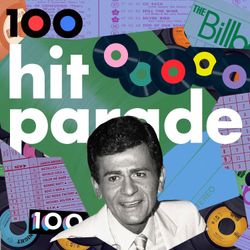
Feet on the Ground, Reaching for the Stars Edition Part 2
52:09|The 100th episode of Hit Parade has put host Chris Molanphy in a reflective mood. So in Part 2, he unfurls the story of the late, great American Top 40 host Casey Kasem—a perennial inspiration for this podcast and the chart king that Chris calls “the original poptimist.” Enjoy this long-distance dedication, as Chris pays tribute to a radio hero with a preternatural understanding of the power of pop to unify.Get more Hit Parade with Slate Plus! Join for monthly early-access episodes, bonus episodes of "The Bridge," and ad-free listening across all your favorite Slate podcasts. Subscribe directly from the Hit Parade show page on Apple Podcasts or Spotify. Or, visit slate.com/hitparadeplus to get access wherever you listen.Podcast Production by Kevin Bendis
Feet on the Ground, Reaching for the Stars Edition Part 1
55:19|To mark Hit Parade’s 100th episode, host Chris Molanphy is doing something he’s never done: He’s going to talk about himself—and just how nerdy you have to be to host a show like Hit Parade. Chris reflects on the origins and depth of his chart fandom, and ponders existential questions like: What makes a person want to track these rankings? Why do we care about what, or who, is No. 1?Join Chris for this exploration of how the charts have informed, inspired and infiltrated his life—and yours, too.Coming up in Part 2: Chris pays tribute to one of his heroes and a huge influence on Hit Parade: the chart king who counted down the hits every week ... from coast to coast. Available on March 27, but Slate Plus members can listen right now!Podcast production by Kevin Bendis.The Bridge: Take Me Home, Country Crossover
36:16|In this Slate Plus bonus episode, journalist and historian David Cantwell joins Chris Molanphy for a deeper dive into Hit Parade’s exploration of crossover attempts in country music. Cantwell explains that country has always been a fluid genre, absorbing and repackaging rock, pop, folk, and myriad other sounds. So while ’70s newcomers like Olivia Newton-John and John Denver were initially met with backlash from purists, soon enough Nashville naysayers fell in line—or mounted their own crossover campaigns.Also: Chris Molanphy tests a Slate Plus listener’s music knowledge, gives him a chance to turn the tables with a question of his own, and offers a sneak peek at the next episode of Hit Parade. Slate Plus members can sign up for a chance to be our trivia contestant on a future episode here.Podcast production by Kevin Bendis.Country Roads and Summer Nights Edition Part 2
55:18|These days, country and pop acts regularly invade each other’s territory. But in Nashville during the 1970s, “crossover” was a dirty word. Then came two rising stars who offered up a new hybrid of Americana-style pop.John Denver infused his folk balladry with homespun lyrics about country roads and wide-open skies. Olivia Newton-John sang over twangy melodies that belied her British-Australian roots. Both faced backlash—especially when they started topping the country and pop charts simultaneously and winning prizes that used to go to Nashville legends.Eventually, both artists outgrew country music. Denver became a ubiquitous entertainer and beloved Muppet wingman. Newton-John dazzled in the film Grease, then reinvented herself as a leather-clad siren unafraid to get physical.Join Chris Molanphy as he traces the parallel rise of two country-pop titans from the Rocky Mountains to Xanadu.Country Roads and Summer Nights Edition Part 1
01:03:10|These days, country and pop acts regularly invade each other’s territory. But in Nashville during the 1970s, “crossover” was a dirty word. Then came two rising stars who offered up a new hybrid of Americana-style pop.John Denver infused his folk balladry with homespun lyrics about country roads and wide-open skies. Olivia Newton-John sang over twangy melodies that belied her British-Australian roots. Both faced backlash—especially when they started topping the country and pop charts simultaneously and winning prizes that used to go to Nashville legends.Eventually, both artists outgrew country music. Denver became a ubiquitous entertainer and beloved Muppet wingman. Newton-John dazzled in the film Grease, then reinvented herself as a leather-clad siren unafraid to get physical.Join Chris Molanphy as he traces the parallel rise of two country-pop titans from the Rocky Mountains to Xanadu.The Bridge: Fame Makes a Man Take Things Over
39:51|In this Slate Plus exclusive, music journalist and David Bowie scholar Chris O’Leary joins Chris Molanphy for an expansive breakdown of the Starman’s life, career, and legacy. O’Leary spent years listening to and writing about every song in Bowie’s catalogue, as captured in O’Leary’s books Rebel Rebel and Ashes to Ashes. He explains the importance of Black American music in Bowie’s work, from soul and funk to jazz. Ten years after his passing, Bowie’s direct musical influence may be hard to hear on the charts—but O’Leary says his shapeshifting mastery of pop stardom lives on through concepts like Taylor Swift’s sprawling Eras Tour.Also: Chris Molanphy tests a Slate Plus listener’s music knowledge, gives him a chance to turn the tables with a question of his own, and offers a sneak peek at the next episode of Hit Parade. Slate Plus members can sign up for a chance to be our trivia contestant on a future episode here.Podcast production by Kevin Bendis.Starman to Blackstar Edition Part 2
57:06|Chameleon: That’s long been the word used to describe David Bowie, pop music’s shapeshifting extraterrestrial. He shifted personas, genres, and looks, emerging from swinging London with psychedelic folk before steamrolling through glam rock, disco, funk, new wave, alt-rock, and even jazz.Less remarked was Bowie’s savvy about shifting through commercial phases—he wore pop stardom like a costume, too. He drifted in and out of the spotlight, and on and off the charts, before one final chart-topping farewell 10 years ago this month.Join Chris Molanphy as he takes us from station to station across the chart career of David Bowie, on a journey from Starman to Blackstar.Podcast production by Kevin Bendis.Starman to Blackstar Edition Part 1
01:03:42|Chameleon: That’s long been the word used to describe David Bowie, pop music’s shapeshifting extraterrestrial. He shifted personas, genres, and looks, emerging from swinging London with psychedelic folk before steamrolling through glam rock, disco, funk, new wave, alt-rock, and even jazz.Less remarked was Bowie’s savvy about shifting through commercial phases—he wore pop stardom like a costume, too. He drifted in and out of the spotlight, and on and off the charts, before one final chart-topping farewell 10 years ago this month.Join Chris Molanphy as he takes us from station to station across the chart career of David Bowie, on a journey from Starman to Blackstar.Podcast production by Kevin Bendis.