Share
Helix.Earth
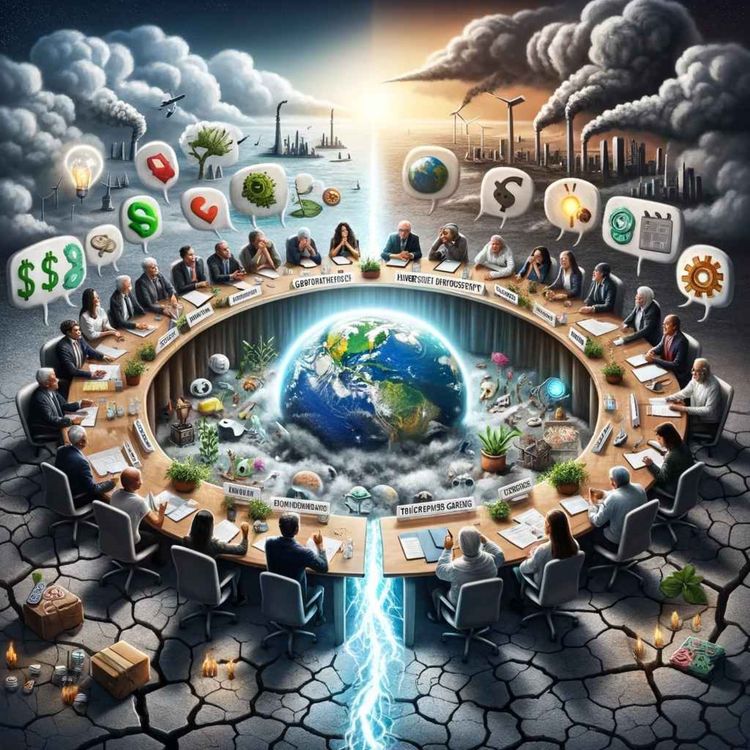
The problem with Stakeholders engagement to reach Net Zero
Season 1
•
In this episode of the podcast, we delve into the intricate web of relationships that companies aiming for net zero emissions must navigate. From suppliers to investors to customers, every stakeholder plays a crucial role in the journey towards sustainability.
What we'll cover in the episode:
- Late Engagement: Many companies involve external stakeholders belatedly, potentially hindering progress towards net zero.
- Action Network: Building an ecosystem of collaboration around a company, including suppliers, clients, and investors, is essential from the outset.
- Early Engagement Benefits: Initiating dialogue with stakeholders early allows for alignment on short and medium-term targets and fosters knowledge sharing.
- Challenges and Pitfalls: Lack of structured engagement mechanisms and differing transformational goals among stakeholders pose obstacles.
- Tech Blind Spot: Despite advancements in ESG data, corporate engagement lacks technological solutions, presenting an opportunity for innovation.
- Helix Platform: Helix is pioneering the Net Zero Action Network, a solution to facilitate corporate engagement specifically tailored for sustainability transitions.
- Tech Entrepreneurship Opportunity: The episode explores the potential for tech entrepreneurs to address the gap in corporate engagement solutions, presenting a green tech opportunity.
More episodes
View all episodes
Bridging the Divide: Collaboration is Key to Navigating the Green Transition
10:50||Season 1This discussion explores the challenges and opportunities for companies navigating the transition to a lower-carbon economy. While complete disruption is unrealistic, significant transformation is necessary. Key points include:The need for a balanced approach: Balancing environmental goals with economic realities is crucial. We cannot simply halt production, but we must find ways to decarbonize existing industries.Collaboration is key: Public and private entities must work together. This includes universities, corporations, startups, and investors. Examples of collaboration include joint research ventures, corporate venture capital co-investment, and collaboration on pilot projects.Importance of addressing the "double message": Investors often push for greener practices while also demanding strong financial returns. Companies need clear, consistent signals to guide their strategies.Finding common ground: Despite competition, collaboration in areas like R&D and pilot projects can benefit all stakeholders.The discussion concludes by highlighting the role of companies like Helix and Energy Patagonia in helping high-carbon businesses navigate the transition through advisory services, capital solutions, and implementation expertise.
How Policy, Technology, and Investment Can Drive a Green Revolution in Transition Finance
19:09||Season 1Together with our guest, Juan Pablo Garavaglia, CEO of Energy Patagonia, we explore the emerging market of transition finance, a rapidly growing sector aimed at funding businesses transitioning to lower-carbon operations. While the potential is significant, with estimates suggesting a $4 trillion market by 2030, challenges remain. Key issues include:Limited access to capital for mid-sized, high-impact companies: While larger corporations can leverage existing credit lines, those crucial for a successful transition often struggle to secure funding.Focus on established green companies: Existing ESG investment strategies may favor companies that are already well on their way to being green, overlooking those with the most significant decarbonization potential.Need for technological innovation and cost reduction: Many promising green technologies require further development and cost reduction to compete with traditional methods.The discussion highlights the importance of collaboration between governments, corporations, startups, and investors to bridge this "green gap." This multifaceted approach requires:Policy changes: Incentives like tax breaks and subsidies can unlock private capital for critical green projects.Investment in R&D: Accelerating the development and scaling of cost-effective green technologies.Targeted financial instruments: Directing capital towards mid-sized companies with the greatest potential for decarbonization impact.By addressing these challenges, transition finance can play a vital role in achieving a sustainable future.
The social impact of Green energy Investments in developing countries
15:08||Season 1In this episode we discuss the social and economic impacts of providing access to electricity, particularly in developing countries, emphasizing the role of financial institutions, corporations, and policymakers in driving sustainable energy transitions. Our guest Stewart Craine, founder of Village Infrastructure Angels takes us through some first-hand experiences with the issues and opportunities of the case.The conversation touches on the economic benefits of empowering women through access to electricity, the importance of corporates investing in emission reduction schemes, and the potential for carbon credits to alleviate poverty while promoting workforce participation. The focus is on practical actions and collaborations to achieve both social and economic progress.
Investment Opportunities in Developing Countries
24:14||Season 1In this episode, our guest Stewart Craine, founders of Village Infrastructure Angels explains how green finance can enable access to energy for communities in least developed countries, boosting local economies in the process.The episodes highlights the credibility challenges in the carbon credit system and proposes solutions such as using technology to quantify emissions savings. The discussion extends to exploring investment opportunities in the green energy sector in developing countries, emphasizing the potential social benefits of providing environmentally friendly tools to communities.
Truths and struggles behind corporate transition plans
18:49||Season 1Join us on a revealing exploration of corporate transition plans and their pivotal role in the journey towards achieving net zero emissions. In this eye-opening episode, we uncover the challenges, solutions, and opportunities surrounding the implementation of these crucial strategies:Disclosures on the Rise: Discover the global landscape of sustainability disclosures, with over 24,000 companies worldwide revealing their environmental commitments.The Transition Imperative: Explore the growing demand for transition plans, driven by financial regulators and institutions assessing climate transition risks.The Credibility Conundrum: Delve into the pitfalls of transition plan disclosures, as exemplified by cases like ExxonMobil, and the credibility challenges posed by diverse standards and methodologies.Credible Plans: What Sets Them Apart: Understand the key elements of a credible transition plan, from detailed carbon accounting to tangible decarbonization efforts aligned with industry standards.Training the Workforce: Recognize the urgent need for comprehensive sustainability training across all levels of corporate functions, from frontline staff to internal auditors.Tech Solutions on the Horizon: Explore the potential for tech-driven solutions to streamline sustainability training and certification processes, with initiatives like Helix Earth leading the charge.Opportunities for Entrepreneurs: Identify the untapped market for entrepreneurs to develop scalable, customizable training solutions addressing the blind spots in corporate sustainability.The Helix Earth Approach: Learn about Helix Earth's innovative transition finance course, designed to educate users and corporate stakeholders on crafting credible transition plans.Call to Action: Take the first step towards credibility and sustainability by partnering with Helix Earth to streamline your transition plan journey and secure a sustainable future.
The problem with oil Policies - will we ever reach net zero?
34:00||Season 1In the midst of escalating global tensions surrounding energy security and fossil fuel extraction, the pursuit of net zero commitments faces significant challenges. Geopolitical conflicts and economic pressures complicate efforts to transition away from fossil fuels. Amidst this backdrop, discussions emerge regarding the viability of existing net zero laws and the need for incremental transition strategies.In this episode:Global tension around energy security and fossil fuel extraction is rising, challenging net zero commitments.Geopolitical conflicts like the Ukraine war and tensions in the Middle East threaten energy supplies.Despite net zero laws in 27 countries, fossil fuel extraction continues due to economic and geopolitical pressures.Transitioning away from fossil fuels incrementally is essential, but challenging due to economic dependencies.Policymakers need to enforce credible transition plans, incentivize sustainable products, and mandate green procurement.Helix offers a platform to facilitate corporate transition planning, connecting stakeholders and enabling execution.Transitioning gradually while meeting net zero goals requires concerted efforts from policymakers, businesses, and platforms like Helix.
Tackling Emissions in Global Transportation Networks
28:29|Exploring the complex landscape of global emissions from transportation and logistics, this podcast transcript delves into the challenges and opportunities of mitigating carbon footprints. Accounting for about a third of global emissions, the sector necessitates a transformative shift. The discussion spans road, rail, marine, and aviation, emphasizing the need for systemic changes over simple fuel switches. Addressing the difficulties in achieving net-zero goals, the conversation navigates through sustainability strategies, including alternatives like sustainable aviation fuel. It concludes by advocating for a collaborative approach involving the fossil fuel industry to expedite the transition to a more sustainable future.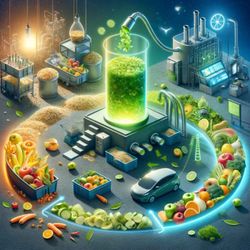
From Food Waste to E-Fuel
18:49|Uncover the untapped potential of turning food waste into fuel! In this episode we explore a groundbreaking idea that could reshape our future. Is the key to a greener world hidden in our kitchen bins? Join the conversation on the Helix platform and discover how a simple solution could lead to a sustainable, cost-effective, and eco-friendly transformation.