Share
Healthy Sports Parents
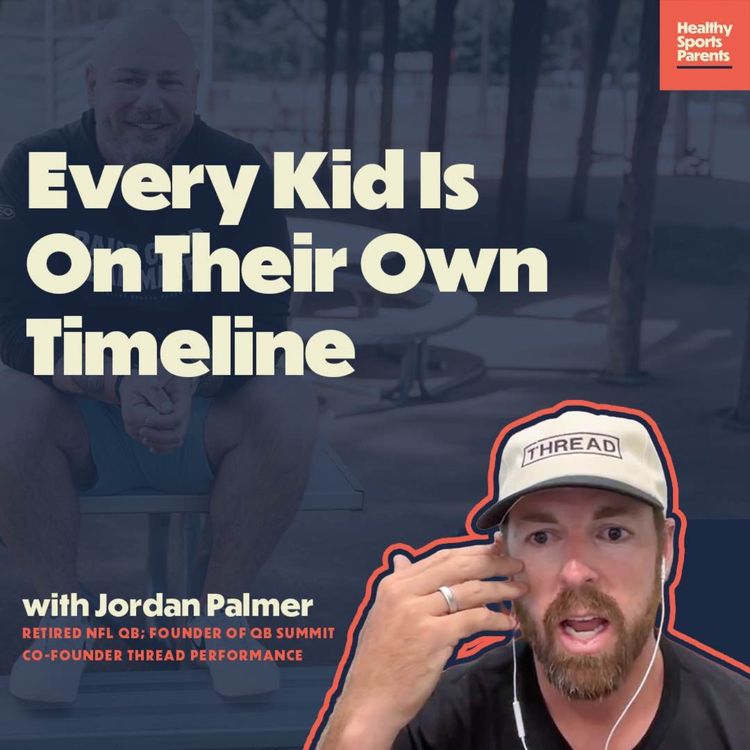
Every Kid Is On Their Own Timeline (with Jordan Palmer, retired NFL QB)
Every kid develops on their own timeline. The challenge for parents is believing that when it feels like everyone else's kid is getting ahead.
Former NFL quarterback and longtime quarterback coach Jordan Palmer has worked with some of the best quarterbacks in football, including Josh Allen, Joe Burrow, and Trevor Lawrence. But as a dad of four, he's also navigating the same questions the rest of us are: When should we push? When should we back off? How do we help our kids build real confidence? And what happens when they just aren't ready to take that next step yet?
In this episode, Jordan and Jonathan Carone talk about why kids have to decide for themselves when they're ready to level up, how parents can support that process without pressing the button for them, and why failure and adversity are an important part of becoming a confident athlete.
They also talk about building confidence without making kids dependent on praise, celebrating the things kids can control, why winning isn't the only way to measure progress, the value of playing multiple sports, and why parents may be trying too hard to create the perfect sports journey for their kids.
Whether your kid dreams of playing in the NFL or just wants to have fun with their friends, their path belongs to them.
In this episode:
- Why every young athlete develops on a different timeline
- When parents should push and when they should wait
- Why it's your kid's "button to press"
- How to build confidence that doesn't depend on praise
- What parents and coaches should celebrate beyond goals and touchdowns
- Why failure and adversity can be good for young athletes
- The value of traditional and nontraditional sports
- Why the perfect youth sports path doesn't exist
--------
HEALTHY SPORTS PARENTING COURSE
Get access at HealthySportsParenting.com.
Use code SUMMER15 for 15% off before August 19.
--------
More from Jordan Palmer:
QB Summit: https://qbsummit.com/
Thread Performance: https://threadperformance.com/
Instagram: https://www.instagram.com/jordanpalmer
--------
FROM OUR SPONSORS:
Sportball Franchising
https://sportballfranchise.com/
JAX Athletics
Coupon Code: HSP15 for 15% off
--------
Get your Healthy Sports Parents shirts:
https://www.healthysportsparents.com/shop
---------
Get your Weekend Playbook:
https://www.healthysportsparents.com/playbook
-----------
Follow us on social:
https://www.instagram.com/healthysportsparents
https://www.tiktok.com/@healthysportsparents
https://www.facebook.com/healthysportsparents
https://www.threads.net/healthysportsparents
New episodes every Wednesday.
---------
Get your Healthy Sports Parents gear:
https://www.healthysportsparents.com/shop
---------
Get your Weekend Playbook:
https://www.healthysportsparents.com/playbook
-----------
Follow us on social:
https://www.instagram.com/healthysportsparents
https://www.tiktok.com/@healthysportsparents
More episodes
View all episodes
9. What If We've Gotten Toughness Wrong in Youth Sports? (with Megan Bartlett; CHJS)
50:36||Season 4, Ep. 9What if the way we’ve been trying to build toughness in young athletes is actually making it harder for them to grow?Megan Bartlett, Founder of the Center for Healing and Justice Through Sport, joins Jonathan Carone to talk about what kids actually need to handle pressure, take risks, recover from mistakes, and become more resilient. They talk about why feeling safe doesn’t mean lowering standards, how resilience is actually built, why different kids may need different paths to reach the same expectations, and how the emotions of parents and coaches affect the athletes around them.They also get into what regulation really means, why repair matters when we get it wrong, and why play, laughter, and connection still belong in competitive youth sports.If we want to raise kids who can handle hard things, maybe the answer isn’t simply making things harder.--------HEALTHY SPORTS PARENTING COURSEGet access at HealthySportsParenting.com.--------MORE FROM MEGAN:Instagram: https://www.instagram.com/chjsorg/Website: https://chjs.org --------Get your Healthy Sports Parents shirts or hat:https://www.healthysportsparents.com/shop---------Get your Weekend Playbook:https://www.healthysportsparents.com/playbook-----------Follow us on social:https://www.instagram.com/healthysportsparentshttps://www.tiktok.com/@healthysportsparentshttps://www.facebook.com/healthysportsparentshttps://www.threads.net/healthysportsparents
8. It's Okay If Your Kid's Not Good At Sports Yet (with 2x MLB All-Star Carlos Quentin)
01:04:14||Season 4, Ep. 8Two-time MLB All-Star Carlos Quentin joins Healthy Sports Parents for a conversation about youth sports parenting, athlete development and why kids don’t need to be great at sports right now.After nine seasons in Major League Baseball, Carlos is now experiencing youth sports as a parent and coach. He shares how being an elite athlete affected the way he initially approached coaching his own kids, why he learned to give them more space to develop, and why parents shouldn’t be in such a hurry to find out how good their young athlete can be.Carlos and Jonathan also talk about failure and rejection in sports, handling pressure and expectations, helping young athletes build mental skills, allowing kids to struggle, and how parents can support their child’s development without taking ownership of their sports experience.Carlos Quentin is a two-time MLB All-Star who played for the Arizona Diamondbacks, Chicago White Sox and San Diego Padres. He is also the founder of Before The Field, which helps athletes develop the mental skills needed to navigate competition, pressure and adversity.--------HEALTHY SPORTS PARENTING COURSEGet access at HealthySportsParenting.com.--------MORE FROM CARLOS:Instagram: https://www.instagram.com/beforethefieldWebsite: https://www.beforethefield.com/PROMO CODE: BTFHEALTHY3 - Free 3 months--------FROM OUR SPONSORS:JAX AthleticsCoupon Code: HSP15 for 15% offhttps://jaxathletics.com/--------Get your Healthy Sports Parents shirts or hat:https://www.healthysportsparents.com/shop---------Get your Weekend Playbook:https://www.healthysportsparents.com/playbook-----------Follow us on social:https://www.instagram.com/healthysportsparentshttps://www.tiktok.com/@healthysportsparentshttps://www.facebook.com/healthysportsparentshttps://www.threads.net/healthysportsparents
7. Are We Making Youth Sports Too Hard for Kids to Play? (with Zechariah Thomas, retired pro hockey + founder of Swift Hockey)
38:55||Season 4, Ep. 7Youth sports are getting more expensive, more competitive, and more structured at younger ages. So what happens to the kids and families who simply want a chance to play?In this episode, Healthy Sports Parents founder Jonathan Carone talks with retired professional hockey player and Swift Hockey founder Zechariah Thomas about the growing barriers to youth sports. They discuss kids entering travel hockey as early as kindergarten, why taking a summer off can make it harder to make a winter team, the difference between formal training and simply playing, the rising cost of ice time, and why accessibility has become such an important part of Zechariah’s work.Zechariah also shares what his own parents did to make hockey possible for him, why roller hockey could help more kids discover the sport, and the lesson he believes every sports parent needs to hear: let your kid be the one pulling you toward the game.If youth sports are supposed to give kids opportunities to grow, learn, compete, and belong, we have to ask whether the system we’ve built is making those opportunities harder to reach.--------HEALTHY SPORTS PARENTING COURSEGet access at HealthySportsParenting.com.--------MORE FROM ZECHARIAH:Instagram: https://www.instagram.com/zechthomass/Website: https://swifthockey.com/--------FROM OUR SPONSORS:Interested in sponsoring an episode?Hello@HealthySportsParents.com--------Get your Healthy Sports Parents shirts:https://www.healthysportsparents.com/shop---------Get your Weekend Playbook:https://www.healthysportsparents.com/playbook-----------Follow us on social:https://www.instagram.com/healthysportsparentshttps://www.tiktok.com/@healthysportsparentshttps://www.facebook.com/healthysportsparentshttps://www.threads.net/healthysportsparents
6. Why Sports Parenting is So Dang Hard (with Dr. Curt Thompson)
01:02:36||Season 4, Ep. 6In this episode of Healthy Sports Parents, Jonathan Carone sits down with psychiatrist and author Dr. Curt Thompson to explore why sports parenting can feel so personal and why a child’s performance can bring out emotions parents never expected.Dr. Thompson explains how parents carry their own family history, insecurities, shame, and unfinished business into their children’s sports experiences, often without realizing it. They discuss why parents can deeply love their kids and still respond in unhealthy ways, how generational patterns show up on the sidelines, why praising effort matters, and how curiosity can help parents stay connected to their children regardless of what happens on the scoreboard.This conversation goes deeper than sideline behavior and serves as an invitation for sports parents to understand their own stories, recognize the patterns they’ve inherited, and consider who they are becoming while helping their kids grow through sports.In this episode:Why a child’s sports performance can feel so personal to a parentHow family-of-origin patterns influence sports parentingWhy parents sometimes repeat behaviors they experienced as kidsBreaking generational cycles without simply blaming previous generationsThe difference between praising effort and praising resultsWhy curiosity can be more valuable than evaluation after a gameHow shame and performance can become connectedWhy connection with a child matters more than the scoreboardWhat parents can learn about themselves through youth sports--------HEALTHY SPORTS PARENTING COURSEGet access at HealthySportsParenting.com.--------MORE FROM DR. THOMPSON:Instagram: https://www.instagram.com/curtthompsonmd/Website: https://curtthompsonmd.com/Podcast: https://www.thebeingknownpodcast.com/--------FROM OUR SPONSORS:Interested in sponsoring an episode?Hello@HealthySportsParents.com--------Get your Healthy Sports Parents shirts:https://www.healthysportsparents.com/shop---------Get your Weekend Playbook:https://www.healthysportsparents.com/playbook-----------Follow us on social:https://www.instagram.com/healthysportsparentshttps://www.tiktok.com/@healthysportsparentshttps://www.facebook.com/healthysportsparentshttps://www.threads.net/healthysportsparents
5. Youth Sports Need a Place For Every Kid (with Amanda Carey, multi-time Pro MTB Champion)
54:07||Season 4, Ep. 5Youth sports have become increasingly all-or-nothing. Make the team. Commit more time. Play at a higher level. Keep up, or eventually there may not be a place for you anymore.Amanda Carey believes there’s another way.Amanda is the President of the National Interscholastic Cycling Association (NICA) and a multi-time professional mountain biking champion. In this conversation, she talks with Jonathan Carone about what happens when youth sports make belonging the starting point instead of something kids have to earn.They get into why kids need safe chances to make bad decisions, how sports can build independence, the value of letting kids choose their own level of competition, why teenagers need opportunities to play just for fun, and how competitive kids can learn to use that drive to make the people around them better.They also talk about exercise and ADHD, the unique benefits of repetitive sports like mountain biking, swimming and running, and why giving kids ownership over their sports experience can help them build a relationship with movement that lasts long after their competitive years are over.This episode uses mountain biking as the example, but the bigger question applies to every sport: How do we create more places where kids of different abilities, interests and goals can play, grow and belong?--------HEALTHY SPORTS PARENTING COURSEGet access at HealthySportsParenting.com.--------More from NICA:Website: https://nationalmtb.org/Instagram: https://www.instagram.com/nationalmtb/Facebook: https://www.facebook.com/NationalMTB/--------FROM OUR SPONSORS:Sportball Franchisinghttps://sportballfranchise.com/--------Get your Healthy Sports Parents shirts:https://www.healthysportsparents.com/shop---------Get your Weekend Playbook:https://www.healthysportsparents.com/playbook-----------Follow us on social:https://www.instagram.com/healthysportsparentshttps://www.tiktok.com/@healthysportsparentshttps://www.facebook.com/healthysportsparentshttps://www.threads.net/healthysportsparents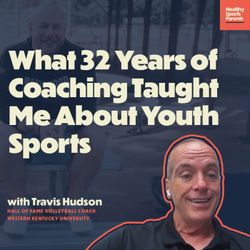
4. What 32 Years of Coaching Taught Me About Youth Sports (with Coach Travis Hudson, WKU Volleyball)
50:44||Season 4, Ep. 4Coach Travis Hudson has spent 32 years building Western Kentucky volleyball into one of the best mid-major programs in the country. Along the way, he’s learned a lot about what actually matters in developing athletes and raising kids through sports.In this episode, Coach Hudson and Jonathan Carone talk about why parents feel so much pressure to rush their kids to the next team or level, why development matters more than tournaments, how to know when to push your kid and when to back off, and why every child needs a different path. Coach Hudson also shares what he learned while watching his own son go from never playing a high school volleyball match to becoming the starting libero at Ohio State.More than anything, this conversation is a reminder that your kid’s sports journey doesn’t need to end with a college roster spot to be successful. There’s a lot of good happening right now if we’re willing to stop chasing what’s next long enough to see it.--------HEALTHY SPORTS PARENTING COURSEGet access at HealthySportsParenting.com.--------FROM OUR SPONSORS:Interested in sponsoring an episode?Hello@HealthySportsParents.com--------Get your Healthy Sports Parents shirts:https://www.healthysportsparents.com/shop---------Get your Weekend Playbook:https://www.healthysportsparents.com/playbook-----------Follow us on social:https://www.instagram.com/healthysportsparentshttps://www.tiktok.com/@healthysportsparentshttps://www.facebook.com/healthysportsparentshttps://www.threads.net/healthysportsparents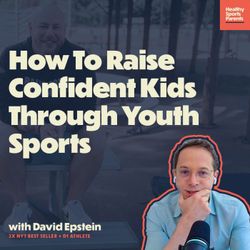
2. How To Raise Confident Kids Through Youth Sports (with David Epstein)
54:27||Season 4, Ep. 2David Epstein has spent years making the case for range, exploration, and giving kids time to discover what fits. His new book, Inside the Box, makes what initially sounds like the opposite argument: sometimes we need more constraints, not more options.David joins Jonathan Carone to explore what happens when you put those two ideas together in youth sports and parenting. They wrestle with some of the messier questions parents face:When does persistence become a sunk cost?How do you know when it's okay to let your kid quit?Why can immediate feedback actually make things worse?How can we give kids enough structure to grow without taking away the curiosity that helps them figure out who they want to become?It's a conversation about giving kids room to explore, challenges that help them grow, and the freedom to fail while they're figuring it all out.--------HEALTHY SPORTS PARENTING COURSEGet access at HealthySportsParenting.com.Use code SUMMER15 for 15% off before August 19.--------More from David Epstein:Website: https://davidepstein.com/Inside The Box: AMAZONInstagram: https://www.instagram.com/davidepstein--------FROM OUR SPONSORS:Sportball Franchisinghttps://sportballfranchise.com/Hour-a-thonhttps://www.hour-a-thon.com/--------Get your Healthy Sports Parents shirts:https://www.healthysportsparents.com/shop---------Get your Weekend Playbook:https://www.healthysportsparents.com/playbook-----------Follow us on social:https://www.instagram.com/healthysportsparentshttps://www.tiktok.com/@healthysportsparentshttps://www.facebook.com/healthysportsparentshttps://www.threads.net/healthysportsparents#youthsports #sportsparent #travelball #raisingathletes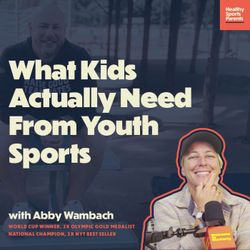
1. What Kids Actually Need From Youth Sports (with Abby Wambach)
57:44||Season 4, Ep. 1What does it actually take for a kid to love sports for the long haul?World Cup champion and two-time Olympic gold medalist Abby Wambach joins Jonathan Carone for a conversation about what happens when adults stop trying to manufacture motivation and give kids the space to discover what they actually love. They talk about the pressure inside modern youth sports, why a kid's desire has to come from within, and why reaching the highest levels isn't the only way sports can matter in a child's life.Abby also opens up about realizing that part of her own drive as a young athlete came from wanting her mom's attention and love, and what that experience has taught her about parenting and the messages kids can attach to achievement.They also dig into what girls need from sports, why relationships and belonging can be such powerful motivators, and how parents can create environments where their daughters want to keep playing.Finally, Abby shares one of the most important ideas from the conversation: sports can give parents and kids a shared language that lasts long after they're done playing.For parents raising young athletes, this conversation is a reminder that kids don't need adults to map out where sports will take them. They need the space to figure out why they want to play in the first place.--------HEALTHY SPORTS PARENTING COURSEGet access at HealthySportsParenting.com.Use code SUMMER15 for 15% off before August 19.--------More from Abby Wambach:Instagram: https://www.instagram.com/abbywambach/Welcome To The Party podcast: https://welcometothepartyshow.com/Website: https://abbywambach.com/--------FROM OUR SPONSORS:Sportball Franchisinghttps://sportballfranchise.com/Eleven11https://eleven11teamsports.com/--------Get your Healthy Sports Parents shirts:https://www.healthysportsparents.com/shop---------Get your Weekend Playbook:https://www.healthysportsparents.com/playbook-----------Follow us on social:https://www.instagram.com/healthysportsparentshttps://www.tiktok.com/@healthysportsparentshttps://www.facebook.com/healthysportsparentshttps://www.threads.net/healthysportsparents#youthsports #sportsparent #travelball #raisingathletes