Share
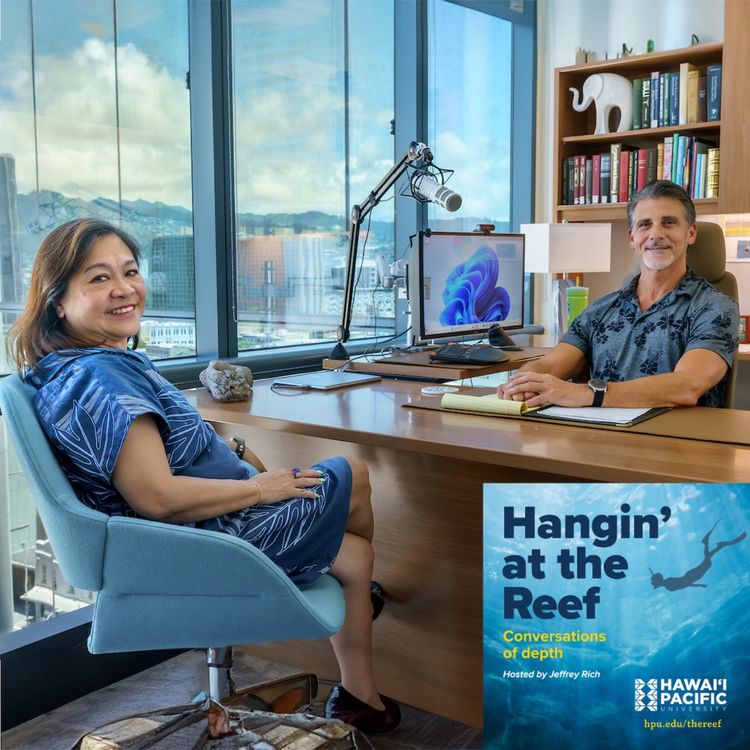
Hangin' at the Reef
The Evolution of Nursing Careers: What’s Ahead
Season 2, Ep. 3
•
This conversation explores the diverse pathways and opportunities within the nursing profession, highlighting the evolution of nursing roles, the impact of technology, and the importance of global perspectives in nursing education. Dean Edna Magpantay-Monroe shares insights on non-traditional nursing careers, the significance of public health, and the future of nursing in a rapidly changing healthcare landscape.
More episodes
View all episodes
6. Navigating the Future of Entrepreneurship in Education
49:09||Season 2, Ep. 6This conversation explores the evolving landscape of entrepreneurship in higher education, focusing on the experiences of the new dean of the College of Business at HPU. The discussion covers the importance of entrepreneurial thinking, the impact of generational shifts, the role of funding, and the challenges faced by women in entrepreneurship. It also delves into the influence of AI on the future of work and the necessity for students to adapt to changing market demands. The conversation concludes with practical advice for aspiring entrepreneurs.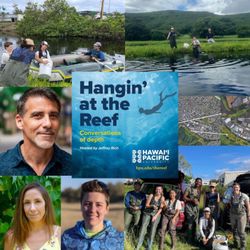
5. Science, Community, and the Ecology of Genki Balls
39:27||Season 2, Ep. 5This conversation delves into the research surrounding Genki balls, a method purported to improve water quality through the use of effective microorganisms (EM). The speakers discuss the origins, composition, and intended use of Genki balls, as well as the methodology of their research, which involved both controlled tank experiments and field studies. The findings reveal that rather than improving water quality, the introduction of Genki balls may have detrimental effects, including decreased oxygen levels and increased nutrient pollution. The discussion emphasizes the importance of scientific validation and community awareness in environmental practices, urging for a critical examination of the data surrounding Genki balls and their impact on ecosystems.Latest field study poster: https://virtual.oxfordabstracts.com/event/44438/poster-gallery/grid?sort=titles¤t=300Latest tank study poster: https://virtual.oxfordabstracts.com/event/44438/poster-gallery/grid?fullScreen=false¤t=319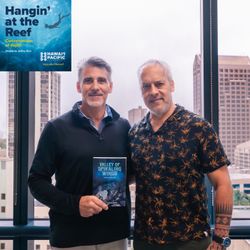
4. Film, Culture & AI: The Next Wave in Hawaiian Storytelling
55:39||Season 2, Ep. 4In this conversation, Dr. Peter Britos, Program Chair of the Cinematic Multimedia Arts Program at Hawai'i Pacific University, shares his journey in filmmaking and education. He discusses the unique aspects of Hawaii's film industry, the importance of storytelling, and the evolution of cultural narratives in film. Britos also highlights his upcoming project, 'House of the Shark,' which reflects authentic Hawaiian experiences. The conversation touches on the role of education in filmmaking, the impact of AI on the industry, and the significance of cultural diversity in storytelling.Learn more about Dr. Peter Britos’s new novel Valley of Spiraling Winds from the University of Hawai‘i Press: https://uhpress.hawaii.edu/title/valley-of-spiraling-winds/Catch a glimpse of House of the Shark, Pete’s independent feature film set in Hawai‘i: https://vimeo.com/blacksandhawaii/lyatorhtrailer
2. Building Community with Creativity
32:53||Season 2, Ep. 2This episode of Hanging at the Reef explores the vibrant arts community at Hawaii Pacific University (HPU) and its significant role in fostering creativity, collaboration, and community among students. Host Dabney Gough engages with Dr. Teresa McCreary and student Aubrey Motsinger to discuss the various arts programs at HPU, the importance of creativity in education, and the new Bachelor of Arts and Markets degree. They share experiences of community building through music and theater and the significance of experiential learning through tours. The conversation highlights how the arts serve as a vital platform for students to find their voice, build connections, and prepare for future careers in creative fields.
1. The Evolving Value of a College Degree
40:50||Season 2, Ep. 1In this episode of 'Hanging at the Reef', host Jeffrey Rich engages with Ryan Tin-Loy, Senior Career Services Advisor at Hawaii Pacific University, to discuss the evolving landscape of career services and the job market. They explore the importance of hands-on experience, the changing perceptions of college degrees, and the necessity for students to develop multifaceted skills. The conversation delves into the significance of internships, networking, and personal branding in securing employment. Additionally, they address the impact of AI on job opportunities, the reality of influencer careers, and the importance of interpersonal skills in the workplace.
16. Revisiting Earth Day: Lessons from the Past
32:36||Season 1, Ep. 16In this episode of Hangin’ at the Reef, Dr. Regina Ostergaard‑Klem—acting Associate Dean of the College of Natural and Computational Sciences and instructor in both the undergraduate Environmental Science/Environmental Studies program and the Master’s in Sustainability graduate program at HPU—examines the evolution and enduring significance of Earth Day, from its 1970 origins to today’s global observance. She explores Hawai‘i’s grassroots sustainability efforts, introduces the Genuine Progress Indicator (GPI) as a more holistic measure than GDP, and underscores the power of transdisciplinary collaboration to address complex environmental challenges.Resources mentioned:Association for the Advancement of Sustainability in Higher Education (AASHE): https://www.aashe.org/Hawaii Aloha Challenge – state‑wide sustainability pledge and action platform: https://alohachallenge.hawaii.gov/Hawai‘i Green Growth – public‑private partnership for sustainable island prosperity: https://www.hawaiigreengrowth.org/Islands 2030 – global island sustainable development initiative: http://islands2030.org/United Nations Sustainable Development Goals (SDGs): https://sdgs.un.org/goalsHawai‘i Genuine Progress Indicator (GPI) – alternative measure of well‑being and sustainability: https://dbedt.hawaii.gov/economic/hawaii-genuine-progress-indicator-hi-gpi/“GPI Island Style: Localizing the Genuine Progress Indicator to Hawaii” (ResearchGate): https://www.researchgate.net/publication/266478076_GPI_Island_Style_Localizing_the_Genuine_Progress_Indicator_to_Hawaii
15. The Role of Tariffs in Modern Economics
50:54||Season 1, Ep. 15In this episode of Hangin' at the Reef, Dr. Gerard H. Dericks discusses the current economic landscape, focusing on the implications of tariffs, their historical context, and their impact on consumers and producers. He emphasizes the complexity of tariffs, their role in economic education, and the psychological factors influencing public perception of wealth and economic stability. The discussion also touches on negotiation strategies in international trade and the broader implications of economic policies. This conversation delves into the complexities of tariffs, their economic implications, and the broader context of trade in the global economy. The speakers discuss the motivations behind tariffs, the short-term pain versus long-term gains, and the relationship between national defense and economic policies. They explore the impact of tariffs on manufacturing innovation, trade deficits, and the role of the US dollar. The discussion also addresses inflation, inequality, and the challenges faced by smaller economies. Ultimately, the conversation emphasizes the need for a nuanced understanding of tariffs and their effects on both domestic and global markets.
14. From Ocean to Lab: The Journey of Marine Compounds
41:33||Season 1, Ep. 14In this Hangin' at the Reef episode, Dr. F. David Horgen discusses his groundbreaking research in marine natural products and their potential applications in medicine. He explains the significance of the HPU Natural Products Library, the process of high throughput screening for drug discovery, and the collaborative efforts in developing treatments for various diseases, including cancer and hypoxic events in newborns. The conversation also highlights the role of students in hands-on research and the importance of preventative medicine and nutrition in healthcare.