Share
GovComms: The Future of Government Communication
EP #139 Clarity Over Cleverness
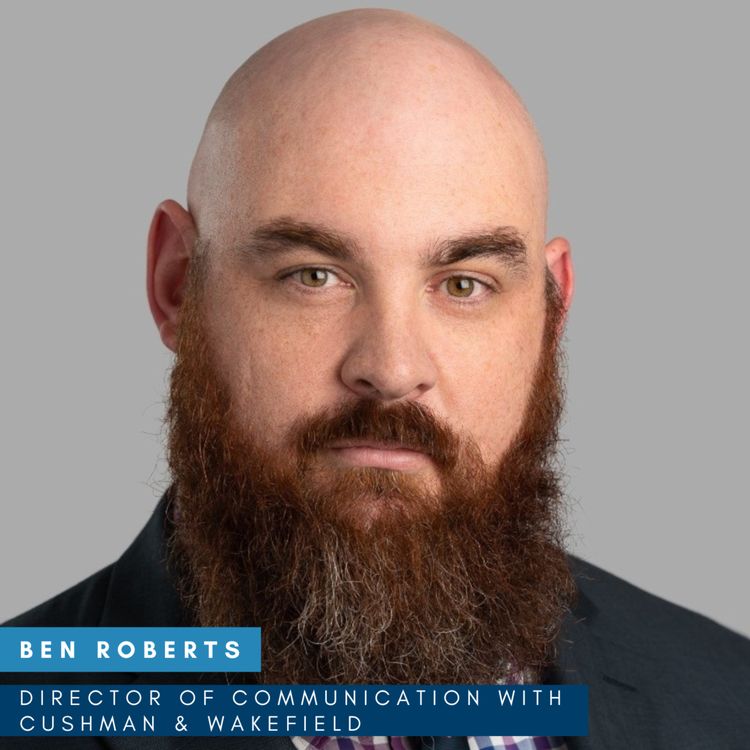
In the GovComms chair this week is the Director of Communication with Cushman & Wakefield, Ben Roberts. Ben is an experienced strategic communication expert with comprehensive experience in the Australian Public Service and in the Australian Defence Industry.
A Navy veteran, Ben has spent the last several years in senior communication roles in the Defence industry and prior to that he was a senior speechwriter in the public service where he wrote for Ministers, agency heads, the Senior Executive Service, ambassadors, and more. He was also a political adviser many years ago.
Ben talks about how he began his career in communications with host, CEO, and founder of contentgroup, David Pembroke.
The pair also discuss how best to communicate with ministers offices. Who to befriend, and how best to leave your mark.
The two discuss some of the best advice to help government communicators engage effectively with citizens, to help build community, and to help restore trust in government. Some of this advice includes your communication being frequent and sincere, clear and concise and understanding context.
Discussed in this episode:
- The importance of context
- The future of communications
- Why you should utilise your LinkedIn
More episodes
View all episodes
192. EP#192: When AI moves faster than truth — with Sree Srinivasan
47:00||Season 1, Ep. 192When technology speeds up, trust and truth are put under pressure. Host David Pembroke is joined by Sree Srinivasan, who reflects on what he learnt broadcasting daily from New York during the early days of Covid, and how those lessons apply to today’s AI-driven information environment. They discuss what consistent, two-way communication can achieve in a crisis, why misinformation spreads so easily, and the risks of leaving AI decisions to a handful of powerful companies. Sree also shares practical guidance on building AI strategy and policy inside organisations, with an emphasis on transparency, staff input and regular review. KEY POINTS - Consistency builds trust: Turning up at the same time every day helped create a reliable source of information people could return to during uncertainty. - Two-way communication matters: Making space for audience questions and comments improved clarity, relevance and engagement. - AI policy needs shared ownership: Don’t leave it to tech teams alone; involve the whole organisation and build guidance people will actually use. - Plan for constant change: AI tools and risks evolve quickly, so policies and governance need frequent review, not set-and-forget documents. - Use AI to lift quality, not just cut costs: The best use cases focus on improving work and capability, rather than simply reducing headcount. FIND OUT MORE ABOUT SREE:LinkedIn: https://www.linkedin.com/in/sreenivasanSubstack: https://sreenet.substack.com/Sree's Presentation: https://bit.ly/sreeaibrochureNYTReadalong: https://www.digimentors.group/nytreadalongLINKS MENTIONED IN THE PODCAST: StreamYard: Live-streaming tool Sree used to broadcast across multiple platforms https://streamyard.com/ Don’t Look Up (Netflix): Film Sree referenced as an analogy for ignoring looming crises Southern Poverty Law Center (SPLC): Organisation Sree mentions running a workshop with Stanford Institute for Human-Centered Artificial Intelligence (HAI): Institute referenced (Fei-Fei Li) Columbia Journalism School: Institution Sree mentions teaching at Stony Brook University: Institution Sree mentions teaching at Sebastian Mallaby: Author referenced (book about Demis Hassabis mentioned)
191. EP#191: Storytelling for trust in the AI era
01:00:02||Season 1, Ep. 191Government comms has shifted from crafting messages to shaping meaning in a fast-moving digital world. Host David Pembroke is joined by Brenda Duran, director of external affairs at LA County’s Justice Care and Opportunities Department, to reflect on what has changed since they last spoke in 2019. They discuss the COVID-19-driven digital acceleration, the rise of direct-to-public communication, and how misinformation has become a high-volume, targeted threat. Brenda also shares practical approaches to faster approvals, building trusted messenger networks, and creating content that earns attention, before looking ahead to why storytelling and public trust matter even more in an AI-shaped environment.KEY POINTS:COVID-19 accelerated digital government for good Government teams had to pivot quickly to virtual briefings, real-time updates and direct-to-public channels, permanently changing how service information is delivered.Treat misinformation as a trust and security problem Countering false narratives now requires proactive “pre-bunking”, real-time monitoring and partnerships with trusted community messengers, not just reactive corrections.Fix approval bottlenecks by redesigning decision rights Define preauthorised “lanes” for routine updates, rapid approvals and high-risk crisis content so teams can move at the speed of public need.Act like a publisher, not a noticeboard Build weekly content plans, create evergreen explainers, use subject matter experts on camera, and turn government data into meaningful stories people can use.In an AI-driven world, storytelling becomes the differentiator As content volume increases, trust becomes scarcer—public sector communicators add value by creating narratives that restore context, clarity and humanity.Links mentioned in the podcast:AMEC Barcelona Principles: Measurement principles for communication (outputs, outtakes, outcomes) https://amecorg.com/barcelona-principles-3-0/AMEC (International Association for the Measurement and Evaluation of Communication): Organisation behind the Barcelona Principles and comms measurement resources https://amecorg.com/Latinas in Public Relations: Shaping Communications, Communities, and Culture (edited by Melissa Vela-Williamson): Book mentioned (Brenda Duran contributed) https://www.routledge.com/Latinas-in-Public-Relations-Shaping-Communications-Communities-and-Culture/Vela-Williamson/p/book/9781032547805If you enjoyed this podcast then please:Follow, rate, and review on Apple PodcastsFollow and rate on SpotifyWatch our videos on the GovComms YouTube pageConnect with us on Facebook, LinkedIn and Instagram!The GovComms Institute podcast is produced by contentgroup.
190. EP#190: Act to Decide — Why Governments Need to Act on AI Now
44:02||Season 1, Ep. 190Governments cannot afford to keep talking about AI as a future challenge when citizens are already expecting better, faster, and more human-centred services. In this episode of GovComms, David Pembroke speaks with Pete Williams (Chief Edge Officer at Deloitte) about why the real risk is not moving too fast, but moving too slowly. Together, they explore how AI can help government shift from clunky documents and static websites to conversational, accessible and practical service delivery. From internal capability and leadership to chatbots and global examples, this episode is a clear-eyed look at what government needs to do next and why the right time to act is now. #GovComms #AI #government #communication #Deloitte
189. EP#189: The “So What” Problem — Turning Numbers into Insight (and Action)
58:40||Season 1, Ep. 189Governments are full of data, but it’s insight that drives real change.In this episode of GovComms, David Pembroke joins Garrett Tyler-Parker, Director of Analysis and Insights at Tourism Research Australia.Together, they break down how good research transforms spreadsheets into strategy.Garrett shares why formative research should shape a campaign from the start, how human stories give meaning to dashboards, and what’s changing fast as mobility data and AI enter the mix.Find out how to make evidence easier to understand, harder to ignore, and far more useful for the people who need to act on it. Key PointsInsight beats information: government (and tourism) are awash with data, but the real job is turning the ‘what’ into the ‘so what’Start research early: use formative research to shape the campaign, rather than using it to evaluate afterBlend big data with human context: numbers show patterns, but storytelling makes evidence more memorable
188. EP#188: Revisiting 'Leading Quietly: The power of introverts at work'
37:06||Season 1, Ep. 188As we step into 2026, now's the time to ensure everyone's voice is heard.In this episode of GovComms, we revisit host David Pembroke's conversation with Richard Etienne: internal communications expert, author of The Introvert’s Survival Guide, and founder of The Introvert Space. Together, they explore how introverts can lead, influence, and thrive in workplaces that often reward volume over value.From overcoming self-doubt to navigating hybrid work, Richard shares powerful, practical strategies to help introverts find their voice without having to shout. He also offers advice for leaders on how to build inclusive teams where every personality type can succeed.Whether you identify as an introvert, manage one, or simply want to create more inclusive and effective teams, this episode is packed with eye-opening insights and actionable tips.Discussed in this episode:Why introverts often go unheard and how to change thatHow to build your personal brand without self-promotionThe hidden strengths introverts bring to leadershipWhat Theresa May taught Richard about quiet influence at the topShow notes:The Introvert Space | Richard EtienneThe Introvert’s Survival Guide | Richard EtienneQuiet | Susan CainBlog | GovComms Podcast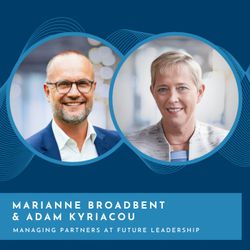
187. EP#187: Leading Through Uncertainty
59:03||Season 1, Ep. 187In an era of constant disruption, government communicators are being asked to lead without all the answers.In this episode of GovComms, David Pembroke is joined by leadership experts Dr Marianne Broadbent and Adam Kyriacou to explore how communications teams can navigate AI and rising expectations, whilst building trust and impact.It’s an insightful discussion revealing why comms professionals are no longer at the ‘end of the line’, but rather central figures in enterprise performance.Join David, Marianne and Adam as they pull back the curtain on how to lead in the face of transformation.Discussed in this EpisodeHow to integrate AI responsibly while maintaining a human-centred approachWhy trust, purpose, and psychological safety are now core leadership capabilities in the public sectorPractical ways comms teams can support senior leaders and build public trust
186. EP#186: Stop talking, start listening — the secret to better government communication
46:29||Season 1, Ep. 186What if better communication starts with listening, not telling?In this episode of GovComms, host David Pembroke speaks with Natasha Plowman: a communications strategist, advisor, and founder of Spinning Red. Together they explore how listening, empathy, and authentic storytelling can transform the way governments engage citizens.From unpacking the ineffectiveness of the old ‘broadcast’ model to examining the use of buzzwords in sustainability conversations, Natasha urges listeners to imbue their stories with honesty, empathy, and curiosity.In a world where government communicators are facing rapid transformation, this episode offers a timely reminder. Meaningful change begins with understanding your audience — not just speaking louder.DISCUSSED IN THIS EPISODEHow listening creates more effective and trusted communicationWays to communicate across five generations in the workplaceHow storytelling connects people and drives understandingWhy transparency builds credibility during complex changeHow curiosity and self-awareness improve leadership communicationSHOW NOTESSpinning Red | Natasha PlowmanBreak the Silence Collective | Natasha PlowmanEmily’s List | Emily’s List AustraliaHigher Ground | Alison TaylorBlog | GovComms Podcast LinkedIn | GovComms
185. EP#185: Authentic storytelling: building trust when it matters most
52:41||Season 1, Ep. 185What happens when authenticity becomes your greatest communication strategy?In this episode of GovComms, host David Pembroke speaks with Oluchi Ezeugo, a leading corporate communications professional from Lagos, Nigeria, who’s helped organisations across Africa navigate change, crisis, and culture.Oluchi reveals how authentic storytelling transforms workplaces — building trust, inspiring teams, and connecting people to purpose. From guiding leaders through tough moments to rebuilding confidence after crisis, she shares practical lessons every communicator can use.For public sector and government professionals, this episode is a masterclass in real, human communication — showing that when you lead with honesty and empathy, trust follows.Discussed in this episode:Discover why authentic storytelling is the foundation of trustLearn how to communicate change with empathy and clarityExplore the power of internal comms to shape cultureHear how great leaders build psychologically safe teamsUnderstand how to rebuild confidence after professional setbacksHow AI and social media are reshaping communicationShow notes:Blog | GovComms PodcastLinkedIn | GovComms
184. EP#184: Communicators in the driver’s seat: Leading with AI and trust
44:18||Season 1, Ep. 184What does it take to thrive as a communicator in a rapidly changing world?In this episode of GovComms, David Pembroke speaks with Ross Monaghan, award-winning educator and communications leader from Deakin University. From his early days as a teenage journalist in Warrnambool to senior roles at Optus and the Australian Mobile Telecommunications Association, Ross has seen the profession evolve from every angle.Ross shares why persistence and curiosity matter, how communicators can show leadership at any stage of their career, and why “dreaming big” is vital. He also unpacks the opportunities and risks of artificial intelligence, urging communicators to take the lead on its ethical use.Discussed in this episode:Lessons from Ross’s early career in journalism and industry.Building confidence to chase opportunities others might not.Why leadership is about action, not job titles.Creating stronger workplace culture through human connection.Open, honest communication as a tool for solving conflict.The communicator’s role in guiding ethical AI adoption.Show notes:International Association of Business Communicators | IABCPanuara South community benefits from new Optus mobile tower | OPTUSAI Workshops | Ross MonaghanHypeCloudAI podcast | Ross MonaghanRoss Monaghan | LinkedInBlog | GovComms PodcastLinkedIn | GovComms