Latest episode
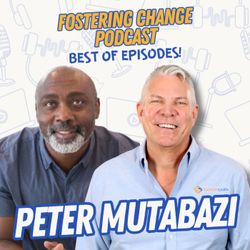
47. Love Does Not Conquer All: Peter Mutabazi on the Truth About Foster Care, Parenting, and Hope
32:31||Season 7, Ep. 47As August begins, our Best of Fostering Change series continues with one of Season 7’s most popular and heartfelt conversations.Rob welcomes back his good friend Peter Mutabazi—author, speaker, foster and adoptive father, and founder of Now I Am Known. Known to many as the “Foster Dad Flipper,” Peter has welcomed more than 40 children into his home and adopted three.In this powerful conversation, Peter discusses his book, Love Does Not Conquer All, and shares an honest look at foster parenting and the deep commitment required to help children heal from trauma. He reminds us that while love is essential, healing also requires patience, consistency, trust, and the willingness to keep showing up—day after day.Episode Highlights• Why love alone isn’t enough—and what children in foster care truly need to heal• How practical life skills can help children build confidence and independence• The importance of every child having at least one trusted adult in their corner• Why families should receive support before children enter foster care• Navigating the heartbreak of saying goodbye—and maintaining meaningful relationships afterwardLooking AheadOnly four more Best of Fostering Change episodes remain before we launch Season 8 this fall under our new name: Comfort Cases UnPacked.You can expect the same meaningful conversations, inspiring guests, and unwavering commitment to children and families—now entering an exciting new chapter. We can’t wait to share it with you!Connect with Peter MutabaziWebsite: https://petermutabazi.comOrganization: Now I Am KnownBook: Love Does Not Conquer All, available wherever books are soldFacebook: Peter MutabaziInstagram: @fosterdadflipperThank You for ListeningIf you enjoyed this episode, please like, follow, comment, and share the podcast. Your support helps us reach more people, raise awareness, and continue these important conversations about foster care, adoption, and child welfare.Thank you for listening—and thank you for being a GOOD HUMAN.
More episodes
View all episodes
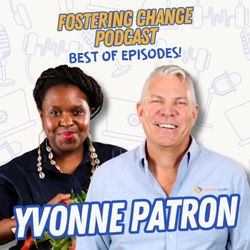
46. Breaking the Silence: Menstrual Health, Dignity, and the Power of Partnership with Yvonne Patron
25:23||Season 7, Ep. 46As our Best of Fostering Change series continues, we're revisiting an important conversation about a topic that's too often overlooked—but can have a profound impact on girls experiencing foster care.Rob is joined by Yvonne Esipila Patron, Co-Founder and CEO of the PATESI Foundation, a global nonprofit working to end menstrual and postpartum poverty through education, access, and empowerment.This episode also highlights the meaningful partnership between Comfort Cases and the PATESI Foundation. Through this collaboration, every Comfort Cases backpack distributed to girls ages 11 and older includes an emergency menstrual kit, helping ensure that no girl has to face menstruation without the basic products, dignity, and confidence she deserves.Conversation HighlightsWhy menstrual poverty remains an overlooked global issueThe unique challenges girls in foster care face during times of transitionHow the Comfort Cases and PATESI partnership is making a tangible differenceWhy postpartum poverty deserves greater awarenessThe important role men and boys play in breaking stigma and supporting lasting changeLooking AheadThere's much more to come.This fall, we'll return with all-new episodes featuring inspiring guests and meaningful conversations—along with a new name for the podcast, which we'll announce very soon. Same mission. Same commitment to children and families. An exciting new chapter begins this September.Connect with the PATESI FoundationWebsite: https://www.patesifoundation.orgFacebook: https://www.facebook.com/patesifoundationInstagram: @patesifoundation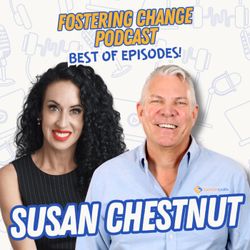
45. From Foster Care to Family Law: Susan Chesnutt on Justice, Healing, and Child Welfare
31:54||Season 7, Ep. 45Our Best of Fostering Change series continues with an unforgettable conversation featuring Susan Chesnutt—a family law attorney, former child abuse investigator, and former foster youth whose life has come full circle through advocacy and service.Susan has experienced the child welfare system from nearly every perspective. Raised in foster care herself, she later investigated child abuse cases for Florida's Department of Children and Families before earning her law degree and dedicating her legal career to representing children and families. Today, through The Chesnutt Law Firm and her podcast, From Foster Care to Family Law, she works to make the child welfare system more compassionate, transparent, and effective.Conversation HighlightsHow Susan's own foster care experience shaped her career in child welfare lawWhat really happens during a child protective services investigation—and what families should knowWhy empathy and trauma-informed advocacy are essential in family lawThe importance of protecting both children's safety and families' rightsSusan's vision for a child welfare system rooted in compassion, accountability, and healingLooking AheadWe're enjoying revisiting these memorable conversations throughout the summer, but there's even more ahead.This fall, we'll return with all-new episodes featuring inspiring guests and important conversations—under a new podcast name we'll announce very soon. We can't wait to share what's next, so stay tuned!Connect with Susan ChesnuttWebsite: https://thechesnuttlawfirm.com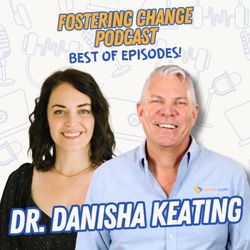
44. From Trauma to Triumph: Dr. Danisha Keating's Journey of Foster Care, Healing, and Hope
33:49||Season 7, Ep. 44This week's Best of Fostering Change episode brings back one of our most powerful and personal conversations from Season 7.We look back to September, at Rob's powerful conversation with Dr. Danisha Keating—author, speaker, educator, and former foster youth whose remarkable journey is one of resilience, healing, and hope.At just 16 years old, Danisha was removed from her home, separated from her eight siblings, and given just five minutes to pack her belongings into a trash bag. Rather than allowing that moment to define her, she reclaimed her story—eventually earning her Ph.D., becoming the guardian of five of her younger siblings, and dedicating her life to helping others heal from trauma and find their own voice.Conversation HighlightsDr. Keating's journey from foster care to earning her Ph.D.Healing from trauma and learning to reclaim your own storyThe importance of finding your voice while honoring the stories of othersThe challenges foster youth face in navigating systems that often tell their story for themWhy education became the foundation for hope, healing, and opportunityLooking AheadAll-new episodes return this fall with more inspiring guests and meaningful conversations.While our mission remains the same, the podcast will soon have a new name that better reflects where we're headed. We'll be announcing all the details in the coming weeks, so stay tuned!Connect with Dr. Danisha KeatingWebsite: https://danishakeating.comInstagram: @drdanishakeatingFacebook: Danisha KeatingYouTube: The Dr. Danisha Keating ShowTikTok: @drdanishakeating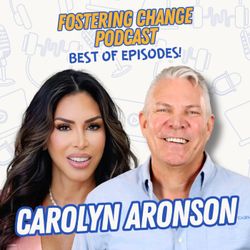
43. From Foster Care to a Billion-Dollar Brand: Carolyn Aronson's Journey of Resilience and Reinvention
27:07||Season 7, Ep. 43Throughout July and August, we're revisiting some of our favorite conversations from Season 7 as part of our Best of Fostering Change series.This week's featured episode originally aired during the 2025 holiday season and showcases an extraordinary story of resilience, determination, and reinvention.Carolyn Aronson, founder and CEO of It's A 10 Haircare, shares her remarkable journey from experiencing foster care as a child to building one of the world's most successful beauty brands. Today, It's A 10 Haircare is a global company valued at more than $1 billion, with products sold in more than 130 countries.Beyond her entrepreneurial success, Carolyn is a passionate philanthropist whose work supports youth, foster care organizations, LGBTQ+ initiatives, disaster relief efforts, and workforce development. Her story is a powerful reminder that our past does not define our future—and that success is measured not only by what we achieve, but by how we lift others along the way.Conversation HighlightsCarolyn's journey from foster care to founding a billion-dollar global companyBuilding It's A 10 Haircare through authenticity, perseverance, and innovationHow her childhood experiences shaped her leadership and philanthropyThe importance of giving back and creating opportunities for othersLessons on resilience, entrepreneurship, and believing in yourselfLooking AheadAll-new episodes will return this fall with more inspiring guests and meaningful conversations.While the mission remains the same, the podcast will soon have a new name that better reflects where we're headed. We'll be announcing all the details in the coming weeks, so stay tuned!Connect with Carolyn AronsonWebsite: https://www.itsa10haircare.comInstagram: @itsa10ceo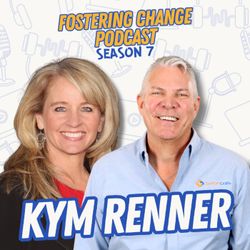
42. Listening First: Bridging Policy, Community, and Youth in Foster Care Support with Kym Renner
23:46||Season 7, Ep. 42As we wrap up Season 7 of *Fostering Change*, we’re joined by Kym Renner, President and CEO of the RennerVation Foundation and a longtime leader in child welfare and public service.With more than 25 years of experience in Los Angeles County’s child welfare system, Kym brings a powerful perspective at the intersection of public policy, foster care, and community-based support. Alongside her brother, Jeremy Renner, she co-founded the RennerVation Foundation to create opportunities and meaningful support for foster and at-risk youth throughout Nevada.This conversation is especially meaningful for Comfort Cases. Earlier this year, we partnered with the RennerVation Foundation for a Packing Party and community event in Lake Tahoe. Later this summer, Rob will spend time at Camp RennerVation meeting directly with campers and hearing about their experiences in foster care.Together, these moments reinforce a simple truth: the best solutions begin by listening to young people themselves.Conversation Highlights:Why foster youth must have a voice in shaping the programs designed to support themHow public systems and community organizations can work together to create better outcomesThe impact of Camp RennerVation and the Foundation’s Pave Your Way programBuilding meaningful support that feels accessible, welcoming, and relevant to young peopleWhy collaboration between nonprofits can create lasting change for youth in foster careA Special Season Finale Message:This episode marks the conclusion of Season 7 of *Fostering Change*.Beginning next week and continuing throughout the summer, we’ll be revisiting some of our favorite conversations from this past season in a special “Best Of” series.We’ll also be releasing our special six-part investigative series:*The F Word: America’s Foster Care Crisis*This limited series takes an honest look at some of the biggest challenges facing child welfare today while highlighting real solutions and practical ideas for reform. Featuring former foster youth, advocates, attorneys, policymakers, and frontline professionals, *The F Word* explores where the system is falling short and what we can do to help fix it.Finally, we’re excited to announce that when we return with brand-new episodes in September, the podcast will have a new name:*Comfort Cases UnPacked*Same mission. Same meaningful conversations. Same commitment to children and families.Just a new name that better reflects what we’ve always done: unpacking the issues, challenges, and solutions surrounding foster care and child welfare.We can’t wait to share Season 8 with you.Learn More:Website: https://www.rennervationfoundation.org/Facebook: https://www.facebook.com/rennervationfoundationInstagram: @officialrennervationfoundationTikTok: @officialrvfoundationLinkedIn: https://www.linkedin.com/company/rennervationfoundation/posts/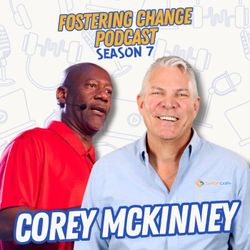
41. Foster Dad: The Power of Showing Up with Corey McKinney
18:37||Season 7, Ep. 41Last week, we celebrated Father's Day with a special conversation between Rob and his son, Tristan. This week, we're continuing that theme with a powerful discussion about what it means to show up for young people who need someone in their corner.Rob is joined by Corey McKinney, a speaker, mentor, author, and former foster parent whose life has been dedicated to helping young people navigate some of life's toughest challenges.Through his work with the Steve Harvey Mentoring Program and other youth-focused initiatives, Corey has spent more than three decades encouraging young people to overcome obstacles, believe in themselves, and build brighter futures. But some of his most meaningful lessons came through foster parenting.In his book Foster Dad, Corey shares the joys, challenges, heartbreaks, and unexpected rewards of opening your home to a child in need. More importantly, he shares what can happen when a young person experiences consistency, encouragement, and unconditional support.This is a conversation about mentorship, fatherhood, foster care, and the life-changing impact of simply being present.Conversation HighlightsWhat inspired Corey to become a foster parentThe experiences that led him to write Foster DadThe joys and challenges of opening your home to youth in foster careWhy attachment and connection are worth the riskThe importance of consistency and showing up for young peopleHow mentoring and foster parenting often intersectRemaining connected to former foster youth long after placement endsWhy positive adult relationships can change the trajectory of a young person's lifeAbout Corey McKinneyCorey McKinney is a professional speaker, mentor, author, and former foster parent dedicated to helping young people overcome gun violence, bullying, and peer pressure. A former Division I basketball player and longtime mentor with the Steve Harvey Mentoring Program, Corey has spent more than 35 years working with youth. He is the author of Coach Daryl's Colts and Foster Dad, inspired by his experiences as both a mentor and foster parent.Why This Episode MattersOne of the most common questions prospective foster parents ask is: "What if I get attached?"Corey's answer is simple: that's the point.Children and youth in foster care need adults who are willing to invest in them, encourage them, and remain present through both good and difficult moments.This conversation reminds us that foster parenting is not about being perfect. It's about being available. It's about showing up consistently and creating relationships that can last long after a placement ends.Whether you're a foster parent, mentor, coach, teacher, or simply someone who cares about young people, Corey's story demonstrates the profound difference one committed adult can make.🎧 Thank you for listening to Fostering Change. Join us next week for another conversation focused on creating brighter futures for youth experiencing foster care.Connect with Corey McKinneyWebsite: www.coreymckinney.netFacebook: CoreyMcKinneyInstagram: @TheCoreyMcKinneyTikTok: @TheCoreyMcKinneyLinkedIn: Corey McKinney