
Latest episode

If You Have $10K in The Bank, Do These 6 Things NOW!
10:03|Saving your first $10,000 is a major financial milestone—but what you do next can have a lasting impact on your future wealth. While it's tempting to spend, invest everything, or leave it sitting in a bank account, the smartest move often involves balancing security, growth, and flexibility.In this episode, we explore six practical steps to consider if you have $10,000 in the bank and want to make the most of your money.You'll discover:Why protecting your emergency fund should come firstHow to decide whether to pay off high-interest debt before investingThe importance of setting clear short-term and long-term financial goalsWhen it makes sense to start investing for future growthWhy diversification can help manage investment riskHow continuing to build your savings and income can strengthen your financial futureWe'll also discuss common mistakes people make after reaching their first major savings milestone, from lifestyle inflation to chasing high-risk investments that promise quick returns.This episode isn't about following a one-size-fits-all formula. The best use of $10,000 depends on your debt, income, financial goals, risk tolerance, and upcoming expenses. Understanding those factors can help you make decisions that support long-term financial success.If you've recently built a healthy savings balance—or you're working toward your first $10,000—this conversation will help you think strategically about protecting your money while putting it to work wisely.Because building wealth isn't just about reaching your first $10,000—it's about making smart decisions with every dollar you save from that point forward.
More episodes
View all episodes
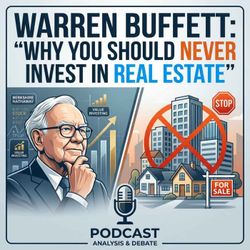
Warren Buffett: "Why You Should NEVER Invest in Real Estate"
11:55|For decades, Warren Buffett has been one of the world's most successful investors. While many people view real estate as the ultimate path to wealth, Buffett has often explained why he personally prefers investing in businesses over buying investment properties. But does that mean you should never invest in real estate?In this episode, we examine Warren Buffett's perspective on real estate investing, the reasoning behind his investment philosophy, and what investors can learn from his approach.You'll discover:Why Warren Buffett has generally favored stocks over investment real estateThe advantages and disadvantages of investing in propertyHow businesses and stocks create long-term valueWhy liquidity matters when building wealthThe hidden costs and responsibilities of owning investment propertiesSituations where real estate may still be an excellent investmentHow to decide which asset class best fits your financial goalsWe'll also discuss why Buffett's investing philosophy is shaped by his unique expertise and why his personal preferences shouldn't automatically become universal rules for every investor.This episode isn't about proving that real estate is a bad investment. In fact, Buffett has acknowledged that real estate can be an excellent investment under the right circumstances. Instead, it's about understanding the trade-offs between different asset classes and choosing a strategy that aligns with your knowledge, resources, and long-term objectives.If you've ever wondered why one of history's greatest investors has typically preferred businesses over buildings, this conversation will provide valuable insight into the principles that have guided Buffett's investment decisions for decades.Because successful investing isn't about copying someone else's portfolio—it's about understanding why they invest the way they do and applying those lessons to your own financial journey.
9 Money Secrets Banks DON'T WANT You to Know
11:40|Banks play an important role in the financial system, but their business model isn't always aligned with helping you build maximum wealth. Understanding how banks make money—and where your interests and theirs may differ—can help you make smarter financial decisions and take greater control of your money.In this episode, we uncover 9 important money lessons that many people overlook when managing their finances. These aren't hidden conspiracies or insider tricks—they're practical financial principles that can help you make more informed decisions.You'll discover:How banks generate revenue and why that matters to customersWhy understanding interest rates can save—or cost—you thousandsThe difference between saving and investing for long-term wealthHow fees and unnecessary debt can quietly erode your financesWhy maintaining a strong emergency fund provides financial flexibilityThe importance of building a good credit history while avoiding excessive borrowingHow compound growth can become one of your greatest financial advantagesWhy reading the fine print before signing financial agreements is essentialHow improving your financial literacy helps you make better money decisionsWe'll also discuss common misconceptions about banking, debt, and wealth building, along with practical habits that can strengthen your financial foundation regardless of your income level.This episode isn't about portraying banks as the enemy or suggesting they're hiding secret information. It's about understanding how the financial system works so you can use financial products wisely, avoid common pitfalls, and make decisions that support your long-term goals.If you've ever wondered how to get more value from your money and avoid costly financial mistakes, this conversation will provide timeless principles that can help you build greater financial confidence.Because the greatest financial advantage isn't having access to secret information—it's understanding how money works and using that knowledge to make smarter decisions every single day.
Gold Has Only Done THIS 3 Times in The Last 100 Years...
15:01|Gold has been viewed as a store of value for thousands of years, but every so often it experiences moves so unusual that they capture the attention of investors around the world. Some of these rare moments have occurred only a handful of times over the past century—often during periods of major economic change, inflation, or financial uncertainty.In this episode, we explore one of gold's rare historical patterns and examine what investors can learn from the few times it has happened over the last 100 years.You'll discover:Why gold has played a unique role throughout financial historyThe economic conditions that have driven major gold ralliesHow inflation, interest rates, and currency movements affect gold pricesWhat history can—and can't—tell us about future gold performanceThe advantages and limitations of holding gold in an investment portfolioHow gold compares with stocks, bonds, and other asset classesWhy diversification matters more than betting everything on one assetWe'll also discuss why investors often turn to gold during periods of uncertainty and why its performance has varied significantly across different economic environments.This episode isn't about predicting that history will repeat itself or claiming that gold is guaranteed to outperform other investments. It's about understanding the historical context behind rare market events and using that knowledge to make more informed financial decisions.If you've been wondering whether gold deserves a place in your portfolio or why certain periods have led to extraordinary moves in its price, this conversation will provide a balanced look at one of the world's oldest investment assets.Because successful investing isn't about chasing whatever is making headlines—it's about understanding how different assets behave across changing economic conditions and building a portfolio that can stand the test of time.
Use THIS SECRET Compounding Strategy NOW to Get RICH When The Market Crashes.
24:35|Market crashes can be frightening—but they've also been some of the most important moments in investing history. While many people panic and sell, disciplined investors often focus on a different strategy: continuing to invest consistently and allowing compound growth to work over the long term.In this episode, we explore the compounding strategy that many successful long-term investors rely on during market downturns—and why it's based on discipline rather than secret tricks.You'll discover:Why market crashes can create long-term investing opportunitiesHow compound growth benefits from consistent investing over timeThe role of dollar-cost averaging during volatile marketsWhy trying to time the market often backfiresHow reinvesting returns can accelerate long-term wealth creationCommon mistakes investors make during market declinesPractical habits that help you stay focused when markets become unpredictableWe'll also discuss why the biggest gains often come after periods of significant market declines—and why emotional decisions during a crash can have lasting consequences for your portfolio.This episode isn't about promising you'll get rich from the next market crash or revealing a hidden investing secret. It's about understanding the timeless principles that have helped disciplined investors build wealth through decades of market ups and downs.If you've ever wondered how experienced investors think when markets fall, this conversation will help you separate proven long-term strategies from sensational headlines and short-term speculation.Because the real advantage during a market crash isn't having a secret strategy—it's having the patience, consistency, and confidence to keep investing when everyone else is losing theirs.
The Next 3 Years Will Make History.
26:08|The next three years could reshape the financial landscape in ways that influence investors, businesses, and households for decades to come. From rapid advances in artificial intelligence and shifting global trade to changing interest rates, demographics, and government policies, the world may be entering a period of significant economic transformation.In this episode, we explore why the coming years could be among the most consequential in recent history—and what that could mean for your money, investments, and financial future.You'll discover:The major economic trends shaping the next three yearsHow inflation, interest rates, and economic growth could influence marketsWhy artificial intelligence and emerging technologies are transforming industriesThe impact of demographic changes on jobs, spending, and investingHow global supply chains and geopolitical shifts affect the economyWhy volatility can create both risks and long-term opportunitiesPractical principles for building wealth during periods of uncertaintyWe'll also discuss why history shows that major economic transitions often reward investors who stay disciplined, continue learning, and avoid making emotional decisions based on short-term headlines.This episode isn't about predicting exactly what will happen over the next three years. It's about understanding the forces that are reshaping the global economy and preparing for a future that may look very different from the recent past.If you're wondering how to position yourself for long-term financial success in a rapidly changing world, this conversation will help you focus on timeless investing principles while adapting to new economic realities.Because history isn't only written by governments and markets—it’s also shaped by the financial decisions individuals make when the future is uncertain.
Don't Fall For It.
15:17|Just because everyone is talking about it doesn't mean it's a good financial decision. Every market cycle brings new trends, "can't-miss" investments, and promises of easy wealth. Yet time and time again, millions of people lose money by following the crowd instead of following sound financial principles.In this episode, we uncover some of the biggest financial traps that catch ordinary investors and explain how to recognize them before they cost you money.You'll discover:Why hype is one of the most dangerous forces in investingThe psychology behind financial bubbles and market maniasHow fear of missing out (FOMO) leads to poor investment decisionsCommon red flags that signal an investment may be too good to be trueWhy patience often outperforms chasing the latest trendHow successful investors filter out financial noisePractical habits that help protect your wealth over the long termWe'll also discuss why history is filled with examples of investors who rushed into popular opportunities at exactly the wrong time—and what you can learn from their mistakes.This episode isn't about telling you to avoid every new investment or predicting the next market crash. It's about developing the critical thinking skills needed to separate genuine opportunities from emotional hype.If you've ever felt pressured to invest because "everyone else is doing it," this conversation will help you slow down, ask better questions, and make decisions based on evidence rather than excitement.Because the biggest financial mistakes rarely happen from not knowing enough—they happen when we stop thinking for ourselves and start following the crowd.