Share
Latest episode
28. Everyday Neuro 028: What it Takes to be a Psychologist Today – Maximising Transferable Skills for Employability
23:12||Season 1, Ep. 28What does it truly take to build a career in psychology today? In this episode, I ask the fundamental question, "What is psychology?" and explore how to start your professional journey within a rapidly changing world. I discuss how you can identify and use the powerful, transferable skills built during a psychology degree to boost your career readiness. To provide real-world perspective and guidance for employability, I am joined by former University of Aberdeen psychology graduate Sarah Ronald, the founder of NileHQ, one of the UK’s leading human-centred strategic design consultancies. Whether you are a student, a recent graduate, or a curious professional, this episode offers inspiration to develop your path in psychology.
More episodes
View all episodes
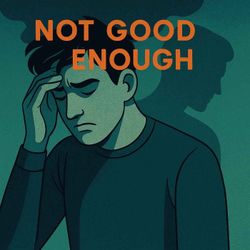
27. Everyday Neuro 027: Who Do You Think You Aren’t - The Psychology of Imposter Phenomenon
27:40||Season 1, Ep. 27In this episode, we define and discuss imposter phenomenon with expert Dr Ewan Bottomley, who shares insight into how many accomplished individuals experience self-doubt, and the possible links of this negative mindset with perfectionism and a fear of failure. Together with Ewan, we learn ways to mitigate the impact of imposter phenomenon to benefit wellbeing and productivity, and explore the neural basis of this persistent experience.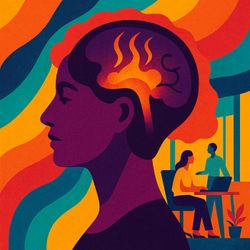
26. Everyday Neuro 026: Why Menopause Matters – Brain Science, Symptoms and Strategies to Create Equitable Workplaces
25:42||Season 1, Ep. 26In this episode, we discuss how menopause begins in the brain before many physical and cognitive symptoms appear. We are joined by Linda Engles, a Chartered Occupational Psychologist, who shares expert insights into common symptoms and offers practical, evidence-based strategies for how organisations can better support employees going through menopause. Together, we explore how greater awareness and inclusive practices can help create healthier, more equitable workplaces.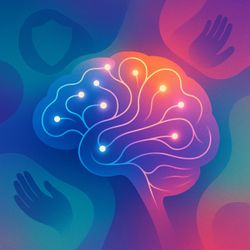
25. Everyday Neuro 025: The Neuroscience of Psychological Safety – When Admitting Mistakes can be the Best Solution
21:40||Season 1, Ep. 25In this episode, we review the work of Amy Edmondson and the concept of Psychological Safety taking into account the brain science behind the now world famous approach to developing team productivity and cohesion through admitting mistakes. Find out more about the effects of Psychological Safety on the brain and ways to adopt a 'psychologically safe' approach to work and communication with others.
24. Everyday Neuro 024: Mental Time Travel – How the Hippocampus Enables Recalling the Past and Imagining the Future
21:15||Season 1, Ep. 24In this episode, dedicated to the pioneering researcher Professor Eleanor Maguire, I talk about how the hippocampus acts like a time machine, to help us remember events and special moments in our past, navigate the present and travel into the future. I talk about Maguire’s groundbreaking London Taxi Driver study and how it has changed our understanding of memory, spatial navigation and scene construction.
23. Everyday Neuro 023 Part 2: Social Connection - The Impact of Digital Media on Our Thinking and Wellbeing
25:33||Season 1, Ep. 23In Part 2 of this episode, I talk about the effects of digital media on younger people and how bans on social media use may be more harmful than beneficial. This notion is explored further with expert Dr Milovan Savic who discusses the relationship between digital media and loneliness, social connection, and his evidence based research about empowering younger people to make informed choices about social media use. This is Part 2 of a 2 part episode.
23. Everyday Neuro 023 Part 1: Social Connection - The Impact of Digital Media on Our Thinking and Wellbeing
21:40||Season 1, Ep. 23In Part 1 of this episode I talk about social connection and the effects of digital media. I also investigate social isolation and loneliness and the effects they have on our cognitive, emotional and physical wellbeing. This is Part 1 of a 2 part episode.