Share
The Marvyn Harrison Podcast
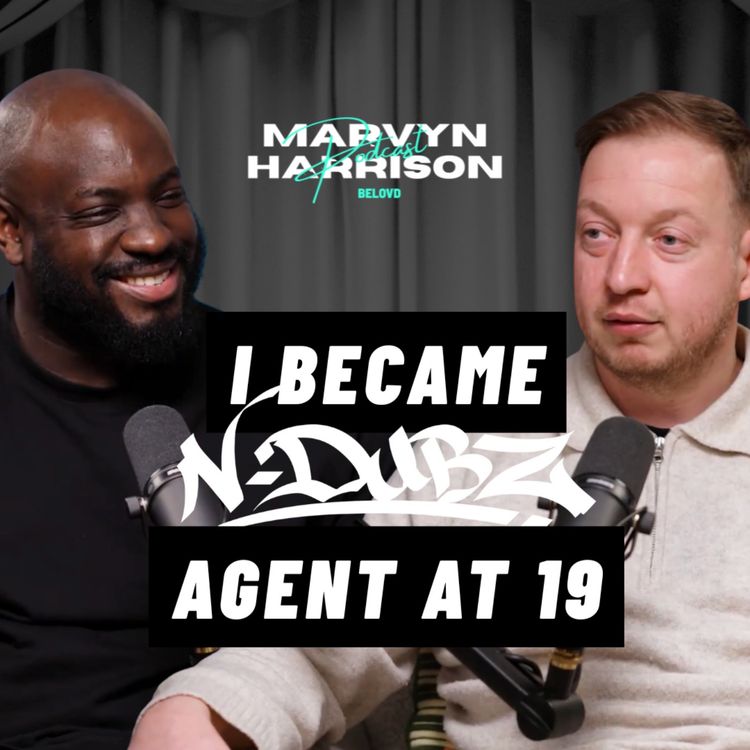
He Sent N-Dubz a Myspace Message and Became Their Agent at 19 | Billy Wood — HAUS23
This man sent a Myspace message to N-Dubz after seeing them on Channel U. Within a month he was their agent. No business card. No corner office. Just conviction and speed. Billy Wood is one of those names in UK music that if you know, you know. 20 years. Three of the biggest talent agencies in the world — WME, UTA, CAA. Artists like Tinie Tempah, Tinchy Stryder, Wiley, Section Boyz, Run-DMC. Music Week 30 Under 30. Youngest agent in William Morris history at 24.
But the story underneath those headlines is messier. More interesting. It's about losing the act that made you. About being a young man at the biggest talent agency in the world making decisions he wasn't always equipped to make. About managing Wiley for two years and what the unmanageable teaches you about people. About walking away from music entirely to go run a non-league football club in Hastings — and somehow that being the thing that brought him back.
Now he's back with HAUS23, his own agency, five people deep, signing new acts and established names, and building something on his own terms.
We talk about: — Growing up in New Addington and Hastings with no money and no blueprint — Finding N-Dubz on Channel U and signing them from his uni bedroom — Booking 280 shows for N-Dubz and then losing them — and what that did to him — Tinie Tempah, Pass Out, and the fear of losing another act — Getting flown to LA by WME to meet Ari Emanuel, Patrick Whitesell and Cara Lewis — What Wiley taught him about patience, chaos, and genius — The burnout that took him out of music — Running Hastings United FC, breaking attendance records, and losing money doing it — Why he came back with HAUS23 and what he's building now
Billy Wood. Let's go.
Welcome to The Marvyn Harrison Podcast — a story-driven conversation exploring identity, fatherhood, masculinity, relationships, culture, politics, sport, and modern life.
In each episode, Marvyn Harrison sits down with leading thinkers, creatives, athletes, policymakers, and cultural voices to unpack the defining moments that shaped them. Through image prompts, structured storytelling, and revealing game segments, guests explore pivotal memories, career turning points, personal struggles, and the beliefs that guide their decisions today.
Expect honest discussions on mental health, family dynamics, leadership, equity, ambition, resilience, and the realities of navigating success in Britain and beyond.
This is a podcast about clarity, where lived experience meets sharp cultural insight.
More episodes
View all episodes
Marvyn Harrison Meets Marlon & Shawn Wayans | ‘SCARY MOVIE IS ONLY IN CINEMAS JUNE 5’
11:33|Scary Movie didn't just parody horror it gave a generation permission to laugh at the things that scared them. Then the Wayans left. And we all felt the difference.Now they're back. Marlon. Shawn. The original crew. And in this conversation, Marlon reveals the moment that made it happen: a promise made to his father, hand to hand, on one of the last times they were together. We talk about what it's like to work with your brother again after 26 years, the difference between bullying and looking out for someone (Marlon claims it's the same thing), how they kept the scenes grounded while giving each other room to go completely off-script, and which films sat at the centre of this one. Marlon also gets into why he thinks laughter is a political act right now — and why audiences are desperate to feel good again.Scary Movie is in UK cinemas from 5 June.MARVYN HARRISON YouTube | Instagram | TikTok | LinkedInMARLON WAYANS Website | Instagram | X | TikTok | FacebookSHAWN WAYANS Website | Instagram | FacebookROMANTHA BOTHA Instagram | Threads | Facebook | LinkedIn
Julie Adenuga vs Marvyn Harrison: Top 5 TV Mums & Dads — No Filter
49:47|Julie Adenuga and a South African guest join Marvyn for the most chaotic, unresolved, and genuinely entertaining TV parents debate you'll watch this year.Aunt Viv. Claire Huxtable. Peggy Mitchell. Moira Rose. Jack Pearson. Uncle Phil. Logan Roy. Walter White as a dad candidate. Nobody agreed. Nobody backed down. This is what happens when three people with completely different cultural references try to build a consensus top five. It doesn't work. It's brilliant.
DJ Semtex | The Man Who Broke Kanye & Drake In The UK Before Anyone Cared
01:04:35|He broke Kanye West in the UK before College Dropout dropped. He filmed Drake's first ever UK interview in Hyde Park — paid the cameraman £50 out of his own pocket because the station didn't care. He flew to New York to sign Fatman Scoop and got aired for a week until a 4am diner meeting sealed the deal. Ghostface Killah called his book the Bible of hip hop. Chuck D wrote the foreword in five minutes.And before any of that, he was an 8-year-old kid in North Manchester who discovered what the N-word meant because there was a game in the playground called "Catch The N****r." This is DJ Semtex. And this is the conversation I've been waiting to have.Semtex: Instagram · X · TikTok · YouTube · djsemtex.comMarvyn: Instagram · Podcast IG · X · TikTok · YouTube · marvynharrison.co.ukDope Black Dads: Instagram · dopeblackdads.com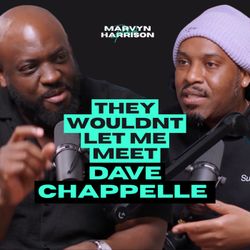
Dane Baptiste: "I Had Chappelle At My Club And They Wouldn't Let Me Meet Him"
54:00|View the images in order, here! https://canva.link/4eacwrp87m3qfxhI've known Dane Baptiste for 20 years. I watched him find five minutes at the beginning of my Sunday Show when nobody knew his name. I watched the crowds not get it. I watched him come back anyway. This conversation is the full story, from his first day at Haberdashers, to being the only deadpan Black British comic in a room full of animated performers, to writing a sitcom that got picked up by Fox and Apple, to walking into Paramount and HBO alone because his seven-months-pregnant manager couldn't walk any further.We talk about:Growing up as the first male in a generation of cousins — raised in a matriarchyThe Sunday show years: following Jay Pharoah, competing with Usain Bolt's world record, going on after a biscuit eating competitionWhy admitting you take the bus was a passion killer in Black British cultureFinding his deadpan voice when every Black comic was expected to be animatedSteph McGovern giving him a TV segment when nobody else in the industry wouldWriting Sunny D and pitching it to Lionsgate, Fox, Apple, HBO, Paramount — with no writers, no teamKeenan Ivory Wayans and Saladin Patterson joining the projectThe actress from Sunny D who passed away from bowel cancerBeing misrepresented and the crisis of confidence and depression that followedMeeting Dave Chappelle on Valentine's Day with David Haye — the full circle momentMo Gilligan: timing, craft, and why his crossover workedWhy he left his management and what independence looks like nowThis is 20 years of friendship in one sitting. If you care about Black British comedy, the entertainment industry, or what it actually takes to build something when nobody's behind you, this one's for you.LINKS:Dane Baptiste: @danebaptiste on InstagramMarvyn: @themarvynharrisonpodcast / @dopeblackdadsYouTube: https://youtu.be/gy3ZrUnG0RM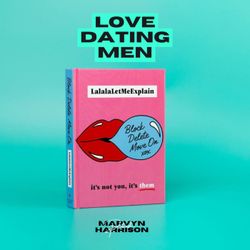
Lalalaletmeexplain: Dating Apps Lost 600,000 Users. The Woman Who Predicted It Explains What's Coming Next.
01:25:50|She trained as a social worker. Spent 15 years watching what happens when relationships destroy people. Built a community of 250,000 women on Instagram. Wrote a Sunday Times bestseller. And then sat across from me and said: "I don't know if this is working. Nothing's changing."This is Layla, Lalalaletmeexplain and this is not the conversation you're expecting.We go into:Her dad leaving her mum for the woman who lived opposite, and what it did to her at 7 years oldWhy she resented her mother for years and idolised the man who leftHow her self-worth was built entirely on whether men wanted her, and the expensive therapy it took to undo itDating apps losing 600,000 users and why in-person events aren't working eitherThe confidence gap: women buying out dating events in 10 minutes, men not showing upWhy men have stopped approaching women IRL — and why that's a misreading of what women actually asked forFamily courts: the myth that they favour mothers (she breaks this down with 15 years of evidence)The manosphere as a grooming pipeline — and who's actually vulnerable to itThe question we both carry: how do you keep telling the truth about harm when the people you're trying to reach are getting more defensive, not less?Why she thinks her audience radicalised her — and what she's doing about itI share my own experience of being in an abusive relationship at 19This is two people doing the same work from opposite sides of the room, meeting in the middle for the first time. If you care about men, women, relationships, fatherhood, or just trying to figure out how we fix the gap, this one matters.Layla Instagram: @lalalaletmeexplain TikTok: @lalalaletmeexplain X: @lalalaletmeexp2 Book: Block Delete Move On (Penguin)Marvyn Instagram: @discoverwithmarvyn / @dopeblackdads X: @Marvyn_Harrison YouTube: @MarvynHarrison TikTok: @marvyn_harrison Website: marvynharrison.co.uk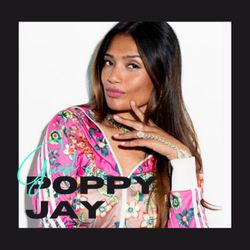
Marvyn Harrison Meets Poppy Jay: Diagnosed With ADHD 24 Hours Before This Interview
48:40|Poppy Jay arrives with no prep. What follows is one of the rawest conversations on this channel.Director, writer, comedian, and co-host of the cult podcast Brown Girls Do It Too, Poppy walks me through ten photos from her life, and each one opens a door she wasn't planning to open.We talk about the forced marriage she gave in to as the eldest of six daughters in a strict Bengali Muslim household. The father who once ruled the home and now sends her photos of the prawns he cooks. The nickname "Pitbull Poppy" she earned on set, and the uniform she wears so men stop scrutinising her. The year 2025, when she didn't work for twelve months despite being on billboards and buses, and ended up frying chips at her brother-in-law's Philly cheesesteak shop on the way to award ceremonies she'd been nominated for.She got her ADHD diagnosis 24 hours before we recorded. She tells me why the NHS questionnaire didn't account for immigrant kids who weren't allowed to be disruptive. We get into the Bangladeshi heroin epidemic of the 1990s nobody covered. The grooming gangs conversation she's been afraid to have on camera. The night in a Leicester Square pub where a friendly white stranger turned the moment she used the word "racist." And the operating theatre where she looked around at every single non-white staff member keeping the NHS alive — and realised she might never support England again.Honest, funny, sometimes uncomfortable.YouTube: https://youtube.com/@MarvynHarrisonInstagram (podcast): https://instagram.com/marvynharrisonpodcastTikTok: https://tiktok.com/@marvyn_harrisonLinkedIn: https://linkedin.com/in/marvynharrison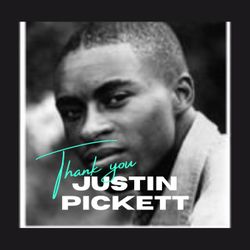
Sadiq Khan Gives £30 Million. Every Borough. Youth Clubs Are Back. - A message to Justin Pickett
01:27:28|Sadiq Khan just announced £30 million to put a youth club in every single London borough. They're called Youth Lates — open evenings, open weekends, with food, mentoring, music, mental health support, all under one roof. The biggest investment in youth clubs by any Mayor. Ever.Marvyn grew up in Hackney at a time when youth clubs still existed. His youth worker was Justin Pickett — the actor who played Sean Ambrose in Desmond's. In this episode, Marvyn tells that story for the first time in full: what it meant to have a Black man show up for him at 15, what was lost when those spaces disappeared, and what this announcement means for a generation of young Londoners who've never had what he had.This one is personal.YouTube: https://www.youtube.com/@MarvynHarrisonInstagram: https://www.instagram.com/marvynharrisonpodcast/Tik Tok: https://www.tiktok.com/@marvyn_harrisonLinkedin: linkedin.com/in/marvynharrison?originalSubdomain=uk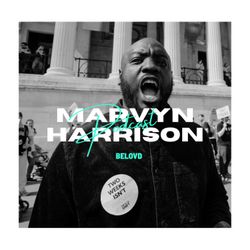
I Asked the Government's AI Minister 5 Questions Every Parent Wants Answered | Kanishka Narayan MP
01:42:11|The UK government opened the biggest consultation on children's digital safety ever attempted. Social media age bans. Overnight app curfews. Restrictions on infinite scroll. Controls on AI chatbots. They want to hear from parents directly. So when the Department for Science, Innovation and Technology invited me to the Black Prince Community Trust in Lambeth to sit down with Kanishka Narayan MP, the Minister for AI and Online Safety, I brought a few questions. Not from a journalist. From a dad.We covered:What to say to a parent who feels they've already lost the screen time battleWhat powers the government actually has to force platforms like TikTok, Snapchat and Instagram to changeWhether parents should be worried about children using AI tools like ChatGPT, Gemini and Claude unsupervisedWhat a safer internet for children realistically looks like in two yearsWhether this consultation will lead to real, enforceable changeThe consultation is live now and closes 26 May 2026. It takes minutes. Your response directly shapes what happens next.Have your say: https://www.gov.uk/government/consultations/growing-up-in-the-online-world-a-national-consultationPractical support for parents right now: https://kidsonlinesafety.campaign.gov.uk/