Share
The Marvyn Harrison Podcast
Exploring the Difficulties of Fatherhood : Custody Battles
In this episode, Arnold is joined by Barry Brewer Jr, who embarked on his stand-up comedy career in 2002 and transitioned to acting in 2004. He gained recognition through his stand-up comedy special titled "Chicago I'm Home" and his role in Tyler Perry's "Bruh". Recently, he appeared in the BET series "Games People Play" and Kevin Hart's Netflix special, "Kevin Hart's Guide to Black History". Together they discuss Barry's experiences as a father, including a custody battle for his eldest son. They also explore topics such as the stereotype surrounding Black fathers, the challenges within the legal system, and the significance of being an influential presence in his children's lives.
Dope Black Dads is a place where we are changing the narrative and having progressive conversations about black fathers to create a safe digital space within the community.
Join the conversation and the community online through our social channels:
Twitter: @DopeBlackDads
Instagram: @DopeBlackDads
Facebook Page: @DopeBlackDads
If you want to get in touch with us, email us at hello@dopeblackdads.org or follow our conversations in-depth on our Facebook Group by searching 'Dope Black Dads'.
Welcome to The Marvyn Harrison Podcast — a story-driven conversation exploring identity, fatherhood, masculinity, relationships, culture, politics, sport, and modern life.
In each episode, Marvyn Harrison sits down with leading thinkers, creatives, athletes, policymakers, and cultural voices to unpack the defining moments that shaped them. Through image prompts, structured storytelling, and revealing game segments, guests explore pivotal memories, career turning points, personal struggles, and the beliefs that guide their decisions today.
Expect honest discussions on mental health, family dynamics, leadership, equity, ambition, resilience, and the realities of navigating success in Britain and beyond.
This is a podcast about clarity, where lived experience meets sharp cultural insight.
More episodes
View all episodes
DO YOU KNOW BALL? ⚽ Margz (Filthy Fellas) Takes the Football Quiz Hot Seat
39:11|Margz (No Behaviour Podcast, Filthy Fellas) sits in the hot seat for a rapid-fire football quiz — Premier League trivia on Bolton Wanderers, Sunderland, West Brom, Derby County, Portsmouth, Wigan and Blackburn, played under a 10-second clock across two escalating rounds. The episode closes with a wide-ranging World Cup conversation covering predictions, underdog nations, the Argentina/Messi legacy narrative, and watching tournament football from different parts of the world.
Anti-Intellectualism, Trump and Andrew Tate with Romantha Botha and Kaira Ahmed
48:59|Andrew Tate is trending again, but the bigger story isn't him, it's what made him possible. In this episode we break down anti-intellectualism: why comprehension is collapsing, why people trust vibes over evidence, and who actually benefits from keeping populations uncritical. We go back to Hofstadter's three strands of anti-intellectualism, cover South Africa's Bantu education system as intellectualism weaponised as policy, unpack the difference between academia and intellect, and ask whether you can be an intellectual without empathy.Are Young People Mollycoddled?
09:08|Every generation gets called soft by the one before it. But is this time different? We dig into the case that young people have lost resilience — less unsupervised play, more helicopter parenting, safe-space culture — against the case that the real story is economic: unaffordable housing, insecure work, and a mental health crisis that's more visibility than fragility. No easy verdict. Just the argument, both sides.Should Benefit Claimants Be Forced to Pick Up Litter?
14:39|A UK campaign group wants Universal Credit claimants to do four hours of litter picking a month or risk losing their benefit. Supporters call it fair contribution. Critics call it workfare — a policy with a documented history of failure, unpaid labour, and exemption gaps for disabled claimants. We break down the proposal, the precedent, and who gets left out of the conversation.So you fell in love with someone who is Neurodivergent?
23:35|Your partner isn't ignoring you, isn't cold, isn't careless — they might just be wired differently. This episode breaks down 7 neurodivergent traits (ASD/Asperger's, ADHD, ADD, OCD, NVLD, sensory processing differences, alexithymia) with plain-language explanations, phonetic pronunciations, and what each one actually looks like inside a relationship. Not a diagnosis. Not an excuse. A map.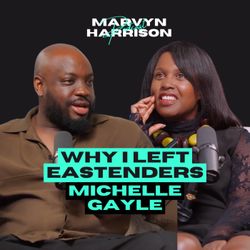
Michelle Gayle: Why I Quit EastEnders At The Peak Of My Career
47:00|Michelle Gayle actress, singer, and one of the most recognisable black British faces of the 90s, joins Marvyn for a conversation spanning her Harlesden childhood, her friendship with a young Naomi Campbell, the Jodeci vs Boyz II Men debate that defined 90s R&B fandom, and the real story behind why she walked away from EastEnders at the height of her fame. Along the way: grandmother wisdom, cod liver oil, hygiene rituals, and rebuilding her dream black British TV family.Channel LinksTikTok: https://www.tiktok.com/@marvynharrisonpodcast TikTok (Dope Black Dads): https://www.tiktok.com/@dopeblackdads Instagram: https://www.instagram.com/marvynharrisonpodcast Instagram (Dope Black Dads): https://www.instagram.com/dopeblackdads Instagram (Marvyn personal): https://www.instagram.com/marvynharrison YouTube: https://www.youtube.com/@marvynharrisonpodcast Substack: https://marvynharrison.substack.com LinkedIn: https://www.linkedin.com/in/marvynharrison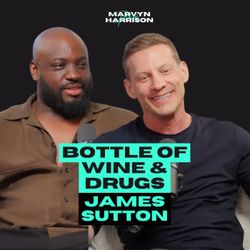
"I Was Sat On The Kitchen Floor With A Bottle Of Wine And Drugs Coming." — James Sutton
59:01|He was in your living room every night. He played the first gay character most of us ever saw kiss another man before watershed on Channel 4. Men still message him today saying his character saved their life.Behind the scenes, he was drinking alone on his kitchen floor on a Tuesday afternoon, waiting for someone to deliver drugs, freshly divorced, trapped in a cycle he thought was freedom.This is James Sutton. And this conversation went somewhere neither of us expected.We talk about:Growing up in Staffordshire — working class, post-industrial, no investment, no futureMoving to Liverpool and becoming John Paul McQueen on HollyoaksPlaying TV's most iconic LGBT character as a straight man — and the weight of that responsibilityThe guy who watched in secret in his bedroom, and is now married with two adopted children"I was sat on the kitchen floor with a bottle of wine. Someone was going to deliver drugs. My wife had left me."The gradual collapse — not a rock bottom, just the same bad day on repeatLeaving Hollyoaks after 22 years — why autonomy mattered more than safetyBuilding Protocol: weekly letters, keynote speaking, a course for men, and a book called How To Become Reliable AgainThe man crush segment that broke us both — Michael B Jordan, Ryan Reynolds, Declan Rice, Xabi Alonso, Paul Brunson, Henry CavillCasting a UK Friends — Alan Carr, Zach Polanski, Paloma Faith, Olivia Dean, Lauren Lo SungDating at 43: "I like redheads. I'm terrified. I don't know what I'm doing."Marvyn offers to matchmake him live on airThree tips each for men who feel stuck — gym, talking, service, self-trust, and making peace with your parents"Stop making promises to yourself that you're not going to keep"This is the best podcast I've ever done. His words. Not mine.
Raneem's Law: How One Family's Loss Is Changing 999 Forever
12:49|In August 2018, Raneem Uday and her mother Khaula Saleem were murdered in the West Midlands despite multiple 999 calls made that night. The system failed them — not through a single act of negligence, but through structural gaps in how those calls were handled and risk was assessed.What followed is a study in what grief becomes when it meets determination. Raneem's aunt, Nour Norris, campaigned for what is now Raneem's Law — a programme embedding domestic abuse specialists directly inside 999 control rooms, in real time. Not on a phone line. Not available for consultation. In the room.Phase one launched across five police forces. This week, the government announced phase two: 12 additional forces, bringing the total to 17 of 43, with a full rollout across England and Wales committed by 2029. Early data shows increased handler confidence, earlier identification of high-risk cases, and faster safeguarding deployment.This episode also covers the government's broader Violence Against Women and Girls strategy — over £1 billion over three years, targeting a halving of VAWG within a decade — and what it will take for that target to hold across political cycles, funding changes, and cultural shifts.Helpline signposting for show notes: National Domestic Abuse Helpline (Refuge): 0808 2000 247 — free, confidential, 24/7 Men's Advice Line: 0808 801 0327 Karma Nirvana (honour-based abuse/forced marriage): 0800 599 9247 Galop (LGBT+): galop.org.uk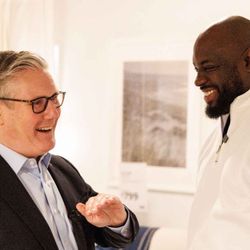
Keir Starmer Has Resigned. What Does It Mean For Us?
19:18|This morning, Keir Starmer walked out of Downing Street and resigned as Prime Minister of the United Kingdom. In this solo episode, Marvyn Harrison cuts through the noise and asks the questions the rolling news cycle won't slow down long enough to answer. How does a landslide majority of 172 seats collapse in two years? What does this moment mean for Black and Brown communities who voted Labour in 2024? And should we trust Andy Burnham with what comes next? Honest, data-driven, and unfiltered.Marvyn Harrison https://marvynharrison.co.uk https://www.instagram.com/discoverwithmarvyn/ https://x.com/Marvyn_Harrison https://www.tiktok.com/@marvyn_harrison https://www.linkedin.com/in/marvynharrison https://www.youtube.com/channel/UCd2CF9uBPHy91ASAMWqDSOQThe Marvyn Harrison Podcast https://open.spotify.com/show/3cIh6ejnk3lUUVhqSKzPUS https://podcasts.apple.com/gb/podcast/the-marvyn-harrison-podcast/id1456522027 https://www.instagram.com/marvynharrisonpodcast/