Share
Dialogue Works
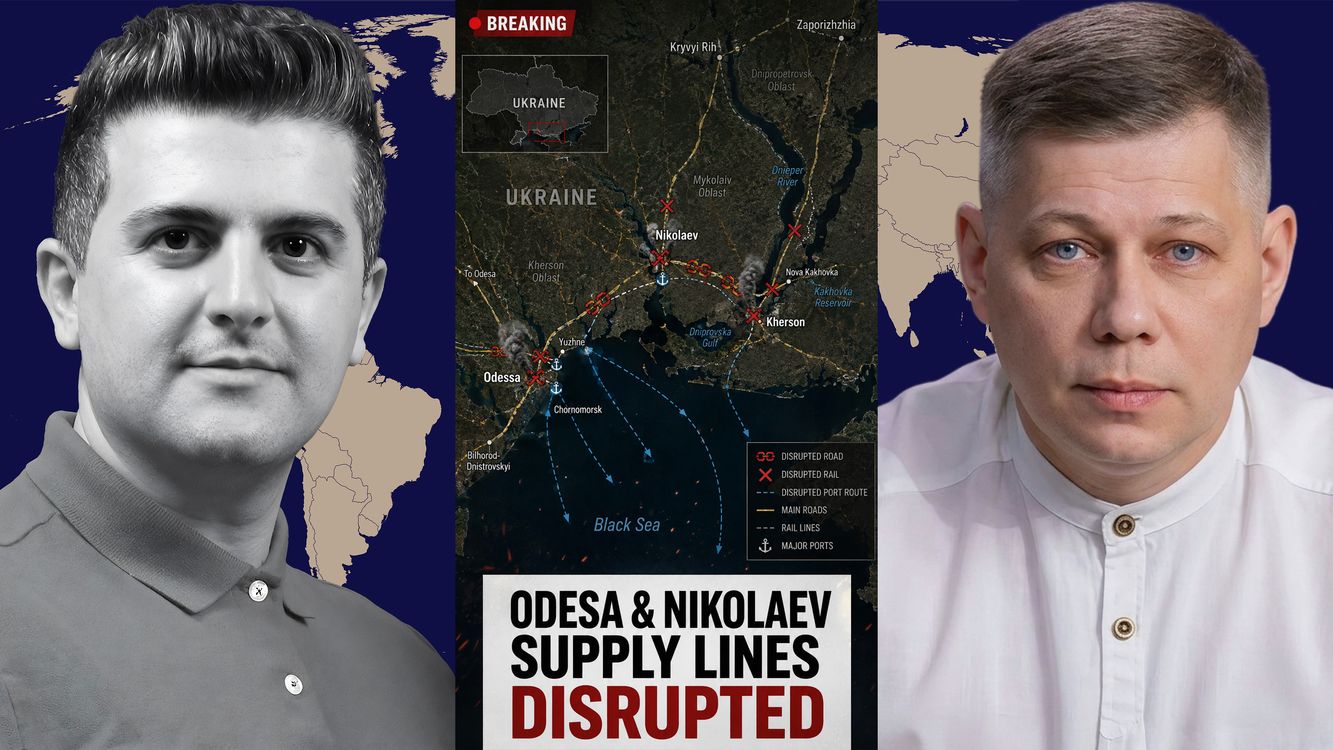
Stanislav Krapivnik: Russia Just Crippled Ukraine’s Supply Lines in Odessa and Nikolaev
•
In this in-depth analysis, we explore the escalating military and economic strategies shaping the conflict in Ukraine. Discover how systematic strikes on ports, railways, and fuel stations are crippling logistics. We break down Russia's counter-drone tactics, the controversial role of Western tech in AI-powered attacks, and the grim frontline realities as the rainy season approaches. Plus, we discuss the heavy reliance on foreign mercenaries, devastating casualty rates, internal political purges, and the ongoing battle against distorted historical narratives. Tune in for a comprehensive breakdown of the geopolitical realities on the ground today!
More episodes
View all episodes

Larry Johnson: Iran’s Parliament Agency DROPS BOMBSHELL: “We Were Invited to Join the Mecca Pact”
49:28|This interview examines the escalating economic and geopolitical confrontation surrounding Iran, including reports of a potential Muslim defense alliance and Iran’s possible role in it. The discussion explores U.S. pressure on Iran and neighboring Gulf states, China’s support for Tehran, and Pakistan’s strategic dependence on Iranian oil and gas. It also covers growing tensions between the U.S. and its allies, rising American debt, Germany’s energy crisis, the Ukraine conflict and Starlink, and worsening tensions between Turkey and Israel. The conversation ultimately questions whether U.S. foreign policy is weakening Washington’s global influence while pushing other countries closer together.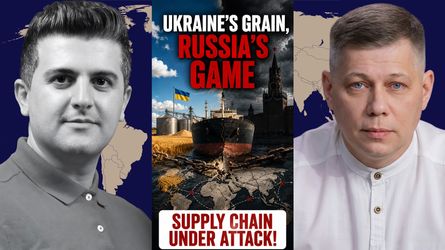
Stanislav Krapivnik: Putin Vows to Target Ukraine’s 'Vulnerable' Food Exports
49:12|In this eye-opening interview, we break down the harsh geopolitical and economic realities of ongoing global conflicts. Discover how the targeting of Ukraine’s agriculture and ports is triggering a severe backup plan failure for Europe, risking mass starvation and economic collapse. We also expose the illusion of US economic revival, detailing how unpredictable tariffs and a $40 trillion national debt are actively crippling American manufacturing. Finally, we examine why Western sanctions are failing against the rising Eurasian bloc and how Europe’s flawed energy policies are setting the continent up for a devastating winter. A must-watch for unfiltered global analysis!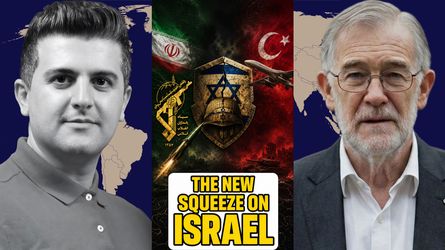
Ray McGovern: Israel’s Clash With Two Major Armies Signals Its Worst Defeat Yet
53:06|In this revealing interview, we dive into the escalating conflicts in West Asia, including Israel's recent strikes near the Turkish border and expanding tensions with Iran. We analyze the current US administration's ineffective economic sanctions, deep-state influences on foreign policy, and the alarming risks of nuclear escalation.The discussion also covers the Russia-Ukraine war, highlighting the failure of recent peace summits and Russia's strategic battlefield advances. Finally, we examine the Vatican's potential role in global diplomacy and the urgent need to broaden presidential advisors to avert catastrophic wars.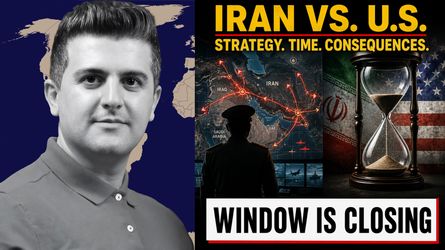
Nima R. Alkhorshid: Iran’s Top General Reveals Retaliation Plan for Trump’s D-Day
51:06|Discover how West Asia is reshaping its security architecture amid escalating US economic warfare against Iran. As financial pressure mounts, Iran is actively securing neutrality agreements with neighboring nations, including GCC states, Pakistan, and Afghanistan. This video breaks down the emergence of a new regional defense pact involving Saudi Arabia, Turkey, and Pakistan, heavily influenced by the expanding BRICS framework. Just as BRICS helped Russia withstand Western sanctions, this multipolar alliance aims to build an alternative to US-dominated financial and security systems. We also analyze the roots of endless regional conflict, arguing that true peace and prosperity in West Asia depend on ending occupation and fostering independent, cooperative regional alliances.
Pravin Sawhney: Iran's FINAL CARD Played – Israel's NIGHTMARE Scenario Begins
44:00|Explore the shifting geopolitical landscape in West & South Asia! This interview breaks down Bangladesh’s potential entry into the Mecca Joint Defense Pact and the rise of regional collective security. We analyze the strategic ties between Pakistan, Saudi Arabia, and Turkey, challenging traditional security models. Discover why India faces growing vulnerability at the Siliguri Corridor, why Turkey exercises restraint against Israeli provocations, and how Iran is countering US economic warfare. With US military options exhausted and the petrodollar at risk, learn how a new multipolar framework is reshaping global power dynamics.
Larry Johnson: Iran Just Flipped the Script: Offensive to Break the Economic Siege
52:13|Explore the escalating economic warfare between the US and Iran and its massive ripple effects across the Middle East. This episode breaks down Iran’s newly declared offensive posture, warning regional neighbors that cooperating with US sanctions will make them direct targets. We analyze conflicting narratives around the Strait of Hormuz, severe economic pressure on GCC nations, and the rapid decline of US leverage in the region. As the weaponization of the US dollar accelerates, global powers are increasingly pivoting toward China and Russia for stable trade partnerships. From new Eurasian railway corridors to central banks shifting reserves to gold, discover how the global order is rapidly reshaping amid ongoing geopolitical tensions.
Mark Sleboda: Turkey Hammers Israel Back, Houthis Hit Saudi Arabia, US-Iran Tensions Peak
01:00:53|This interview explores escalating Middle East tensions, focusing on the US-Iran conflict and the fallout in Syria. With the US exhausting its military options and munitions, it has pivoted back to geoeconomic warfare and sanctions against Iran. However, this faces hurdles as Iranian hardliners consider preemptive strikes on Gulf, Israeli, or European targets to gain leverage. Meanwhile, post-Assad Syria has devolved into a proxy battleground between Turkish-backed factions, Israel, and a pragmatic Russia protecting its strategic bases. The discussion highlights the strengthening trilateral partnership between Russia, Iran, and China, which continues to blunt US unilateral pressure and reshape the global multipolar order.
Prof. Steve Hanke: China Defying Trump, Gulf States Open Iran Backchannel as Qatar Economy Goes Down
56:17|This interview examines the unintended consequences of the U.S. economic war on Iran. Despite heavy sanctions, Iran’s economy outperformed Gulf peers from 2008–2025. New escalated sanctions threaten severe collateral damage to regional allies like Qatar, Saudi Arabia, Turkey, and Pakistan, with Qatar already facing major economic contraction and infrastructure damage. The discussion highlights how failed U.S. objectives have shifted leverage to Iran, while aggressive tariffs and financial weaponization are accelerating a global pivot away from the U.S. dollar and SWIFT. Nations are increasingly exploring alternative financial systems, signaling long-term geopolitical shifts. A crucial warning is issued against "sleepwalking" into broader global conflict as these marginal economic changes reshape international alliances.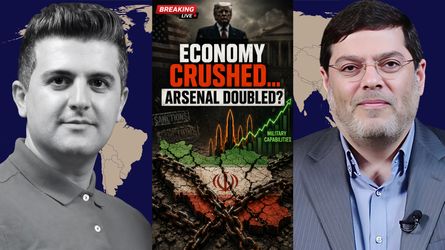
Seyed M. Marandi: Trump to Squeeze Iran’s Economy to the Brink—But Tehran Just Doubled Its Arsenal
59:01|Explore the shifting geopolitical landscape of West Asia in this in-depth analysis. The discussion focuses on the urgent need for a homegrown regional security order, independent of US influence, which often prioritizes Israeli interests over Gulf state stability. We examine Iran’s remarkable resilience against maximum-pressure sanctions, its advanced underground military preparedness, and its capacity to counter any US-led economic blockade. The interview critically assesses the devastating impact of Western sanctions on civilian populations, drawing stark parallels to Gaza and Syria. Ultimately, it highlights Iran's unwavering commitment to regional resistance against occupation, warning that any attempt to strangle the Iranian economy will be met with a decisive response, as there is no true ceasefire in this ongoing struggle for sovereignty.