Share
Dialogue Works
Seyed M. Marandi: New Hormuz mechanism - IAEA access put on hold
•
This interview examines the fragile US-Iran negotiations, focusing on the release of frozen Iranian assets and the ongoing crisis in Lebanon. Despite a recent agreement, Israeli ceasefire violations threaten to collapse the deal. The discussion explores Iran's leverage via the Strait of Hormuz, shifting regional dynamics with GCC nations, and growing ties with Pakistan. It also addresses Tehran's stance on the nuclear program and sanctions, emphasizing that Iran will not compromise without the complete lifting of US pressure. Ultimately, the analysis warns that if the agreement is undermined, the region faces a high risk of renewed conflict that could devastate the global economy.
More episodes
View all episodes
Prof. David N. Gibbs: The US is OUT: West Asia Reshapes Itself with New Powers
42:30|This interview explores the profound geopolitical shifts in the Middle East following the US military defeat in the region. We discuss ongoing negotiations between the US and Iran, and unprecedented pressure on Israel to withdraw from Southern Lebanon, signaling a potential historic break in their alliance. The conversation highlights the rise of a bipartisan anti-war movement in the US, driven by economic crises and fatigue from endless conflicts. Furthermore, we analyze the emergence of a new regional security architecture involving Iran, Arab states, Russia, and China, independent of American supervision, examining the decline of US hegemony.
Larry Johnson: Nothing Less Than Full Exit’: Lebanese Pres. Issues Ultimatum on Israeli Occupation
57:14|Dive into the shifting global landscape! We analyze Lebanon's demand for full Israeli withdrawal and the changing US stance. We expose the reality of the Strait of Hormuz—debunking myths of an "open" waterway—and reveal the looming global crises in tech, energy, and food supply caused by regional blockades. Plus, we unpack the emerging Middle East security architecture involving Iran, Pakistan, and Qatar, alongside China's quiet diplomacy. Finally, we assess the Ukraine-Russia war, Russia's battlefield advances, and the West's depleted military arsenal.
John Helmer: Vance DESTROYS Netanyahu's Cabinet in FIERY Rant - Putin's Shaking Move
58:44|Explore the hidden dynamics behind the latest US-Iran negotiations and their global impact. This episode breaks down how control over the Strait of Hormuz directly influences US gas prices, inflation, and political calculations for the 2028 elections. We unpack the strategy of "endless talks," the Lebanon "deconfliction mechanism," and the gap between closed-door compromises and public spin. Additionally, we analyze Russia's stance on Ukraine peace talks versus battlefield realities. A must-watch for understanding the political realism shaping Washington, Tehran, and Moscow!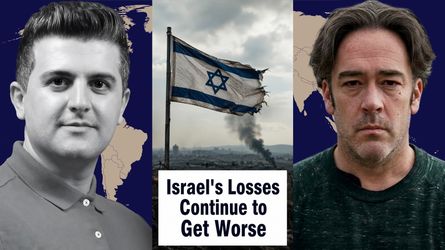
Patrick Henningsen: Israel's Losses Continue to Get Worse – New Numbers Just Dropped
01:03:06|Explore the complexities of recent US-Iran negotiations and their impact on the ongoing conflict in Lebanon. This deep dive analyzes Israel's military operations in southern Lebanon, the historical context of Hezbollah, and the legal realities of the conflict. We critique the current US administration's diplomatic efforts, arguing their approach is driven by domestic politics rather than genuine peace. Additionally, we discuss the collapse of the Abraham Accords, the shifting geopolitical alliances of Gulf Arab states, and the historical roots of Middle Eastern instability stemming from colonial-era borders. Tune in for an unfiltered look at the realpolitik of West Asia and the future of regional security.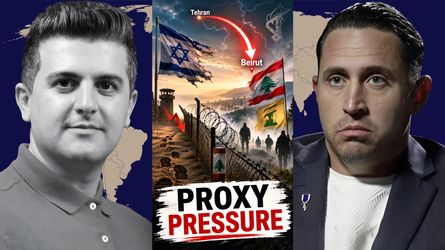
Lt Col. Anthony Aguilar: Hormuz Is the Graveyard of Israel’s Regional Ambitions
52:34|Dive into the complexities of the recent US-Iran negotiations in Switzerland and the pivotal 14-point Memorandum of Understanding. This breakdown analyzes core sticking points: Strait of Hormuz control, frozen assets, and the biggest hurdle—Israel's military presence in Lebanon. We contrast political narratives with realities, stressing that true de-escalation demands actual territorial withdrawal, not symbolic gestures. Plus, we explore Pakistan's rise as a pragmatic regional mediator and the Middle East's shift toward a multipolar security architecture independent of US hegemony.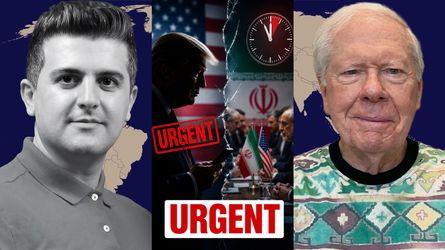
Paul Craig Roberts: the U.S. Just Ran Out of Oil Cushion, Iran’s Gambit: The SPR is Barely Half Full
01:03:47|Explore the hidden dynamics of US-Iran relations and the Middle East conflict. This interview reveals the true pressures forcing Washington to seek peace, debunking the US oil crisis narrative. We analyze the Israel lobby's influence, the potential for a deceptive "peace deal" to soften Iran's military edge, and Israel's long-term expansionist agenda. We also discuss Iran's strategic resilience, its stance on regional resistance, and why true peace remains elusive while the "Greater Israel" doctrine goes unchallenged. A must-watch for understanding the geopolitical maneuvers shaping the region!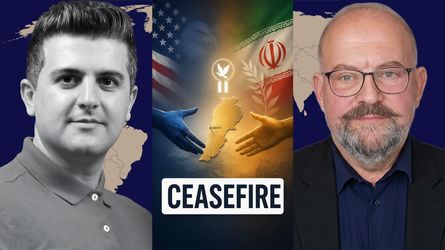
Elijah Magnier: BREAKING: Bessent Greenlights Iranian Oil – 60-Day Sanctions Pivot
57:08|Watch the full breakdown of the recent US-Iran summit in Switzerland. Despite initial tensions, technical teams are pushing forward with a 60-day negotiation window. Lebanon is the central lynchpin, featuring a new deconfliction mechanism and a historic US shift recognizing Hezbollah's right to self-defense. Iran holds major leverage via the Strait of Hormuz and nuclear talks, demanding the US fulfill sanctions relief first. Meanwhile, Israel faces unprecedented isolation and internal pressure, with polls indicating a widespread belief that the war is lost. Discover how these high-stakes talks could reshape the Middle East, impacting Gaza, Yemen, and global oil markets.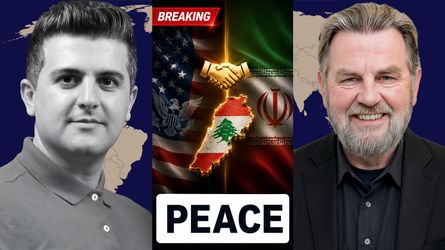
Larry Johnson: US-Iran Agree to Direct Conflict Management in Lebanon
56:00|In this episode, we analyze the rapidly shifting global geopolitical landscape. We discuss the political turmoil in the UK, Keir Starmer's resignation, and the looming energy crisis threatening Europe. The focus then shifts to the Middle East, exploring high-stakes US-Iran negotiations and Pakistan's pivotal new role as a regional mediator. We break down the ongoing crisis in the Strait of Hormuz, detailing how mine threats and shipping disruptions are causing severe global shortages in oil, LNG, and helium. Finally, we examine the Israel-Lebanon conflict, recent military setbacks, and the growing push for a negotiated settlement. Tune in for a comprehensive breakdown!