Share
Dialogue Works
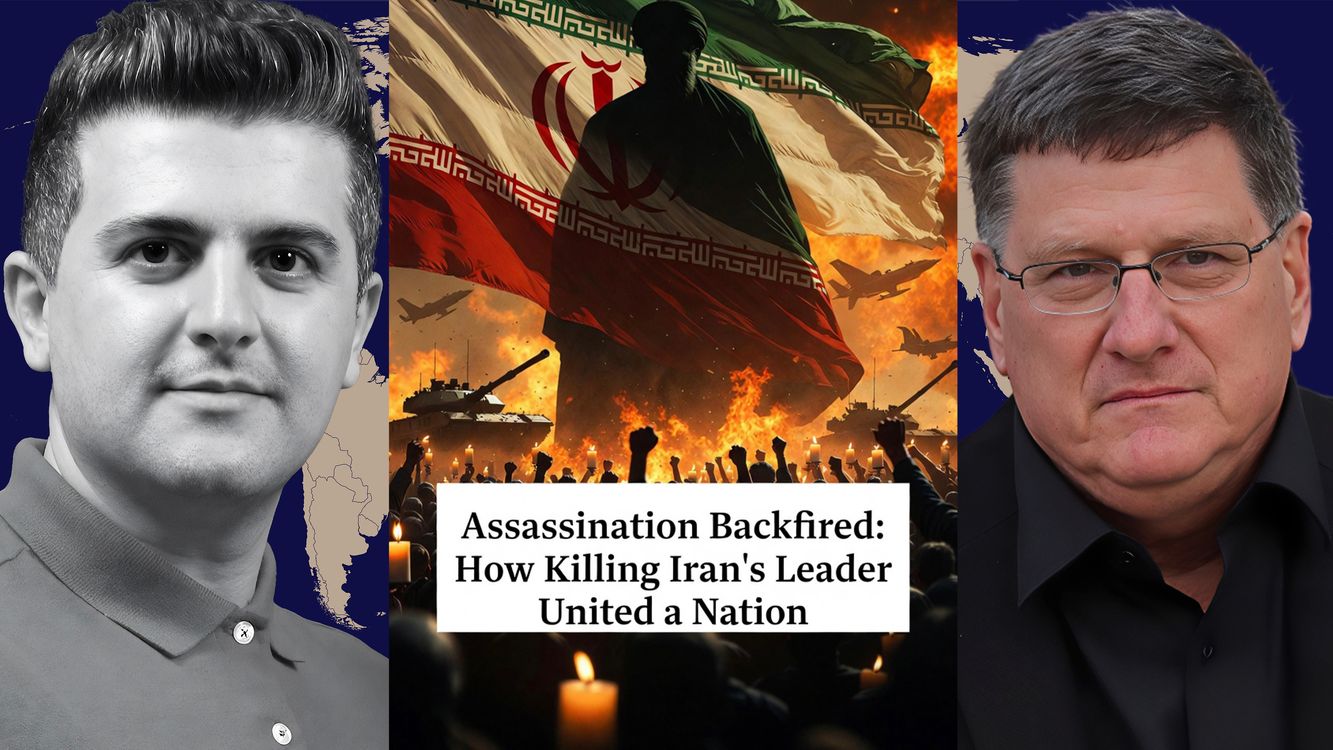
Scott Ritter: Iran TARGETS the USS Abraham Lincoln Aircraft Carrier — Obliterating US Bases & Israel
Examines US-Israel military actions against Iran and strategic fallout. The Supreme Leader's assassination is analyzed as counterproductive, creating a martyr that unified Iranians behind their government rather than collapsing the regime. Iran's constitutional succession mechanisms ensured leadership continuity. Retaliatory strikes target Gulf states hosting US military infrastructure and Israeli command facilities, demonstrating sophisticated Iranian intelligence capabilities. Discussion addresses alleged intelligence failures, civilian casualties, and Iran's use of decoy targets to absorb enemy munitions. The conflict is characterized as illegal aggression driven by regime change objectives favoring Israeli over American interests. Concerns raised that removing religious prohibitions on nuclear weapons may accelerate Iran's weapons program. Russia and China positioned as diplomatic mediators focused on preventing regional economic destabilization rather than direct military involvement. Analysis suggests the war may carry significant political repercussions for US leadership while potentially empowering Shia populations across Gulf monarchies, with implications for regional power dynamics and future diplomatic resolution efforts.
More episodes
View all episodes
Robert Barnes: US-Iran FINAL Confrontation as Russia Drops HEAVIEST Strikes on Ukraine Yet
58:59|An in-depth analysis of 2026 US foreign policy challenges: Middle East tensions between Iran and the US continue amid negotiations and military exchanges. Discussion covers concerns about decision-making processes, foreign lobby influence, and how domestic politics intersect with international conflicts. Topics include the China summit outcomes, escalating Ukraine-Russia hostilities, stalled peace efforts, and debates over NATO's future relevance. The conversation examines economic pressures, midterm election implications, and how personal and political interests may shape critical geopolitical decisions during heightened global instability. Also explored: AI in modern warfare, military targeting ethics, and the broader consequences of prolonged conflicts on global stability and US standing.
Col. Larry Wilkerson: US Fighter Jets Target Iranian Speedboats in Persian Gulf
01:04:16|Critical discussion on escalating US-Iran tensions, Persian Gulf military confrontations, and the blurred line between diplomacy and kinetic action. Examines unclear US military objectives, regional spillover including Israel-Lebanon operations, and broader geopolitical risks: Ukraine-Russia escalation, NATO dynamics, and potential for wider conflict. Questions military politicization, leadership accountability, and the strategy of combining sanctions with force. Warns of dangerous precedents in international relations as global powers navigate complex negotiations amid rising tensions and uncertainty. Highlights concerns about domestic decision-making processes, the role of intermediaries in diplomacy, and the strategic miscalculations that could draw reluctant nations into expanding conflicts. A sobering analysis of current foreign policy challenges and their potential consequences.
Seyed M. Marandi: Iran Opens Fire on American Fighter Jets
57:27|US-Iran tensions escalate after American strike on Iranian vessels kills 4 soldiers in territorial waters. Iran responds with missiles; ship struck off Oman. Fragile negotiations continue: potential deal includes frozen asset release and 60-day confidence period, but Israeli threats to escalate in Lebanon risk derailing talks. Iran insists on ironclad guarantees to avoid past JCPOA mistakes, leveraging Strait of Hormuz control. Discussion covers regional security architecture, Gulf diplomacy, and criticism of Western media silence on Gaza/Lebanon. Analysis points to shifting power dynamics: declining US influence, Israeli isolation, and strengthened resistance capabilities. Any agreement requires enforceable sanctions removal or risks collapse. Essential book recommendations provided for deeper understanding of Iran's perspective.
John Helmer: TRUMP’S IRAN DEAL FAILS – Russia’s Oreshnik Delivers Final Blow
56:11|Analysis of Ukraine-Russia escalation after reported Kyiv missile strikes; Russia announces 'systemic' targeting of military centers. Covers US-Russia diplomatic signals, battlefield assessments. Iran-US negotiations: staged de-escalation progress, frozen asset releases, nuclear compromises, Hormuz arrangements. Regional tensions: Israel-Lebanon exchanges, Hezbollah operations. US domestic pressures: inflation, voter approval, presidential succession. Key insight: diplomacy advances amid military posturing; economic concerns drive Washington's Ukraine/Iran calculations.
Paul Craig Roberts: Trump's 'Sedition Act' For Israel EXPOSED: The Law That Will END Free Speech?
01:03:25|Iran-US tensions rise amid stalled negotiations and Persian Gulf military incidents. Analysis examines Israel's influence on US policy, new laws restricting criticism of Israel, and GCC nations' strategic dilemmas. Questions whether Iran erred by accepting ceasefires instead of pursuing decisive victory. Discusses challenges of Muslim unity, regional power dynamics, and parallels with Russia-Ukraine conflict. With unpredictable US foreign policy and ongoing confrontations, explores whether diplomacy can succeed without fundamental strategic shifts in the Middle East.
Larry Johnson: U.S. & Iran THROW DOWN Over the Strait of Hormuz "Ticking Time Bomb"
01:06:27|Iran-US negotiations in Qatar over frozen assets face skepticism amid Trump's Abraham Accords claims. Gulf states increasingly question US security guarantees after regional attacks, exploring new partnerships with China, Russia & Pakistan. Israel confronts mounting military pressure from Hezbollah drones while Gaza devastation complicates normalization efforts. Ukraine conflict enters new phase as Russia targets Kyiv following civilian attacks, warning European nations supporting drone production. Discussion examines satellite warfare risks, Starlink's military role, and potential Cuba tensions. Key takeaway: regional powers reassess alliances as US influence wanes and conflicts risk further escalation post-Eid.
Col. Jacques Baud: Trump’s Last Card Just SHATTERED Israel
59:16|Geopolitical analysis of Middle East & Eastern Europe conflicts. Iran-US negotiations focus on ending regional war, not just nuclear issues, amid US domestic pressure and economic constraints. Israel-Lebanon front: Hezbollah employs advanced drone tech; discussion on Israel's compliance with international law and occupied territories. Ukraine-Russia war: Ukrainian drone attacks via European airspace raise legal questions about NATO countries' involvement under international law definitions of aggression. Both conflicts reveal escalation risks as parties provoke to draw in larger powers. Key insight: lasting peace requires addressing root causes and respecting international frameworks, not quick political deals or normalization pressures. Western policies examined for potentially prolonging crises rather than resolving them.
Nima R. Alkhorshid: Iran-US Nail Down Deal? as Russia SLAMS Kiev with Oreshnik Missile
01:03:54|Discussion on Iran-US negotiations amid reports of a potential 60-day ceasefire extension. Iran views the Strait of Hormuz as a regional matter to be managed with Oman, including a new toll mechanism for transiting vessels. The Iranian nuclear program remains unresolved, with uranium enrichment continuing on Iranian soil. The Israel-Lebanon situation features a "freedom of action" clause that undermines genuine ceasefire prospects. Analysis examines how recent conflicts have exposed US military limitations, impacted regional allies, and strengthened Iran's domestic unity. The conversation explores GCC state dynamics, the resilience of the resistance axis, and growing Iran-Russia-China convergence. Questions remain over meaningful sanctions relief and frozen asset releases. Highlights shifting power dynamics in West Asia and broader geopolitical realignment amid ongoing diplomatic efforts.
Mark Sleboda: Iran Is Jamming GPS Across the Region – U.S. Tankers Move Into Gulf
58:35|Amid Middle East tensions, this analysis explores the Iran-US standoff. With deals rumored, Washington faces limited military options due to depleted munitions and Iran's advanced defenses. Iran's control of the Strait of Hormuz provides crucial leverage through asymmetric capabilities impacting global energy markets. US intelligence leaks reveal internal concerns about escalation, while Gulf states navigate growing insecurity amid eroding American hegemony. Connections between Ukraine, Taiwan, and Iran highlight Washington's "strategic simultaneity" challenges. As regional powers adapt, the discussion considers how great powers might manage the decline of US-led global order without catastrophic escalation. A sobering look at imperial overreach, escalation dominance, and the precarious path forward in an increasingly multipolar world.