Share
Dialogue Works
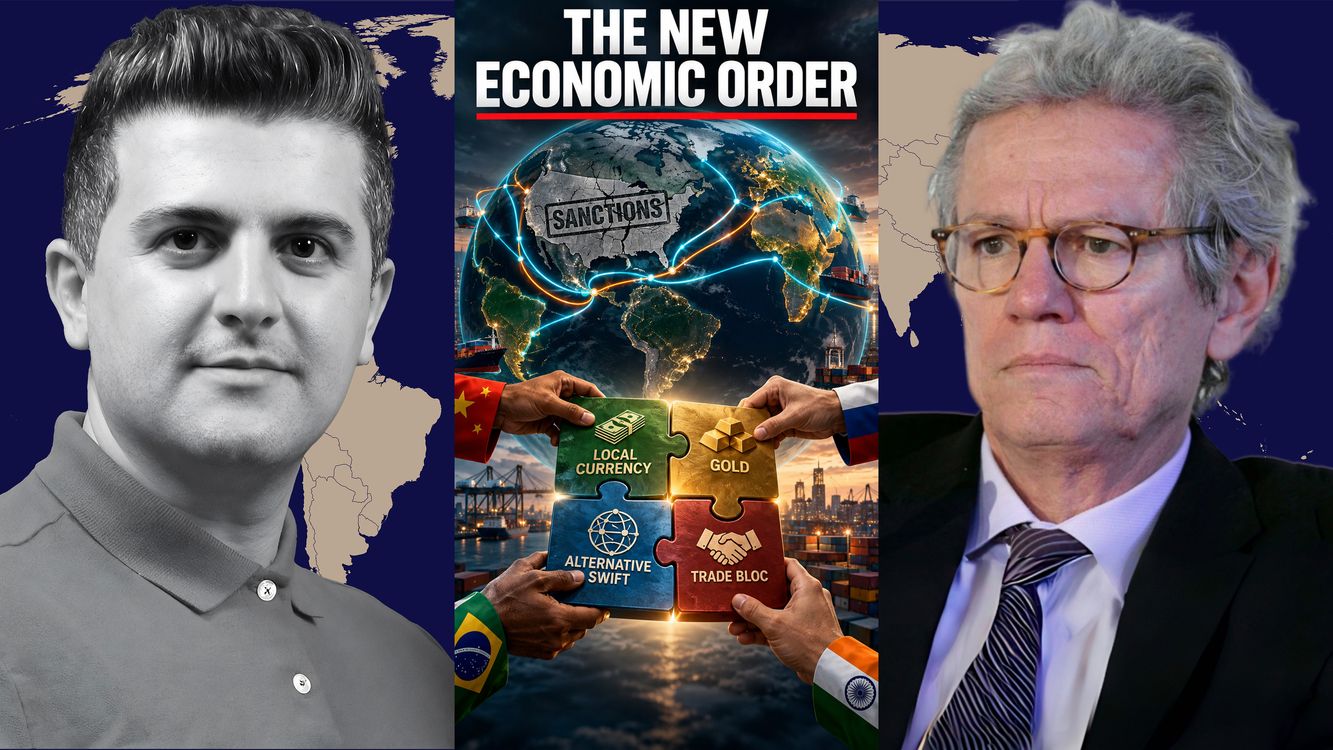
Paulo Nogueira Batista Jr.: BRICS’ Only Option: Massive Economic Shift— End of Unilateral Sanctions
•
This interview explores the growing momentum of BRICS in challenging Western financial dominance and unilateral sanctions. It highlights the challenges faced by the New Development Bank (NDB) due to the threat of secondary sanctions, and discusses the urgent need for alternative, independent payment systems like BRICS Pay to bypass the weaponized SWIFT network. The conversation also examines the erosion of the petrodollar system amid geopolitical tensions in West Asia, and how strategic overreach by the US is accelerating global de-dollarization. Discover how BRICS nations are building a resilient, multipolar financial architecture to safeguard their economies and reshape the global order.
More episodes
View all episodes

Robert Barnes: BREAKING: Trump Announces Massive Russian Diesel Deal After Call With Putin
47:30|This interview explores the intersection of US midterm elections, Middle East geopolitics, and global energy markets. It examines claims of Russian diesel releases as political narratives designed to mask domestic economic struggles. The discussion highlights the existential stakes for Israeli leadership, suggesting a push for regional escalation to survive domestic elections. It also analyzes the shifting US political landscape, predicting Democratic gains that could lead to defunded Middle East conflicts, intense investigations, and a major foreign policy pivot. Ultimately, it argues that declining US public support will force a return to geopolitical realism, conditioning aid to restrain regional expansion.
Scott Ritter: BREAKING: Saudi Air Force Joins Massive Offensive at Bab al-Mandab
56:33|In this interview, we break down the rapidly expanding conflict in West Asia, including the Strait of Hormuz and Bab al-Mandab. Key topics include: Iran-US tensions and back-channel negotiations, Trump's decision not to strike Iran, Saudi Arabia's failing war against Ansarallah in Yemen and the growing vulnerability of MBS, the suspicious FlyDubai airplane incident involving an Israeli "hero" plumber, and the Russia-Ukraine war where Ukrainian manpower is running critically low. We also discuss Iran's economic resilience and why predictions of its collapse are misguided. A deep dive into the geopolitical forces reshaping the Middle East and beyond.
Col. Larry Wilkerson & Larry Johnson: Houthis Reache Taizz Outskirts, Saudi Attack Ends in Disaster
53:38|Discover the dramatic escalation in the Middle East as Houthi forces launch unprecedented strikes on Saudi Arabia, hitting Riyadh's airport, oil refineries, and the East-West pipeline. Despite heavy US backing, Saudi forces face catastrophic defeats due to severe military incompetence. We break down the collapse of Saudi air defenses, widening GCC fractures as the UAE exploits the crisis, and looming global energy shortages. Can the US save its Gulf allies from disaster, or is the region facing a complete geopolitical realignment? Tune in for a deep dive into the shifting balance of power in West Asia.
Amb. Chas Freeman: BREAKING: Saudi Arabia Confirms Major Attack on Riyadh Airport
01:00:34|Explore the escalating geopolitical tensions in the Middle East in this in-depth 2026 analysis. This discussion covers recent Houthi attacks on Saudi infrastructure, Saudi Arabia’s refusal to ceasefire without territorial gains in Yemen, and its strategic pivot toward Pakistan, Turkey, and emerging global powers amid declining US reliability. We also examine the unpredictable US stance on Iran, domestic political distractions in Washington, and Israel’s increasingly isolated position. With intense military actions in Gaza, the West Bank, and Lebanon, the analysis highlights how continued escalation without diplomacy is driving regional instability and a major shift in global power dynamics.
BREAKING: YEMENI BALLISTIC MISSILES HIT RIYADH AIRPORT—3 AIRCRAFT STRUCK - w/ Fmr. CIA Larry Johnson
52:04|Breaking down the escalating Yemen-Saudi Arabia conflict: devastating ballistic missile strikes have hit Saudi oil infrastructure, airports, and Riyadh, exposing major air defense failures. Turkish and Pakistani military support remains largely symbolic. We analyze Houthi advances toward Taiz, Marib, and critical oil pipelines that could cripple Saudi exports. Beyond the battlefield, the disruption of Gulf sulfur supplies threatens global fertilizer production and food security. Plus: new details on the suspicious Dubai-Tel Aviv flight incident, shifting Iran-US diplomatic dynamics, and the growing risk of a wider regional war with catastrophic energy and economic consequences worldwide.
Michael Hudson: BREAKING: Yemeni Ballistic Missiles Strike Saudi Aramco's Abqaiq Refinery
55:04|Recent missile strikes on Saudi oil infrastructure have pushed the Gulf economy to the brink, exposing the fragility of the petrodollar system. This episode explores the economic blowback of the Middle East conflict, revealing how soaring energy prices trigger a U.S. commercial real estate collapse, agricultural defaults, and skyrocketing interest rates. We analyze Europe's worsening energy crisis, the accelerating shift toward BRICS and alternative reserve currencies, and the impending global financial crisis driven by unpayable debt and the ultimate failure of finance capitalism.
Richard Wolff: BREAKING: Pentagon Prepares for New Iran War as Hormuz & Bab al-Mandab Burn
01:04:40|In this eye-opening discussion, the host and guest analyze escalating Middle East tensions, the manipulation of global energy markets, and the realities of a declining Western empire. They explore how corporate monopolies dictate policy through economic blackmail, driving wealth inequality to extreme levels. The conversation also covers the historical shift toward the Global South, the failure of European leaders, and the psychological denial of imperial collapse. Tune in for a critical look at late-stage capitalism, geopolitical conflicts, and the shifting global order.
Alex Krainer: BREAKING: Explosions Rock Riyadh as Pakistan Reportedly Enters Saudi War
01:03:19|This interview analyzes the escalating conflict in Yemen and its profound geopolitical implications. It explores recent Houthi missile strikes on Saudi Arabia and the reluctant involvement of Pakistan and Turkey, allegedly driven by Western financial coercion. The discussion highlights Ansar Allah’s growing strategic control in Yemen and the failure of Western powers to dominate key global trade chokepoints like the Bab-el-Mandeb Strait. Beyond the Middle East, the conversation examines the broader decline of US and Western hegemony, noting significant military setbacks and the obsolescence of decades-old neo-colonial strategies. It also touches on the severe global economic repercussions, including energy shortages and fertilizer disruptions impacting agriculture worldwide. Ultimately, the dialogue frames these events as part of a historic shift toward a multipolar world order, driven by resilient resistance from the Global South against an increasingly desperate Western empire.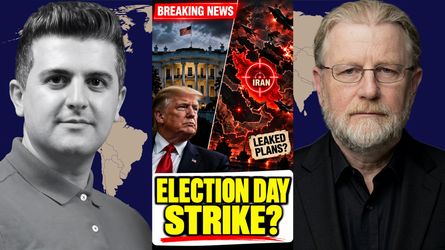
BREAKING: WHITE HOUSE PREPARING NEW IRAN STRIKES BEFORE ELECTION DAY - w/ Fmr. CIA Larry Johnson
52:45|Explore escalating Middle East tensions and their devastating global economic impact. We analyze potential US strikes on Iran ahead of the midterms and how this would only skyrocket oil prices. The conversation also covers the shifting battlefield in Yemen, highlighting Houthi advances and logistical nightmares for Saudi-backed forces. Most importantly, we expose the hidden choke points of the Persian Gulf crisis: severe shortages of sulfur, urea, and LNG. These critical fertilizers and industrial chemicals are triggering a looming global food crisis, driving massive inflation, and pushing the world toward a severe recession. Discover why focusing solely on oil misses the bigger picture of this complex geopolitical disaster.