Share
Dialogue Works
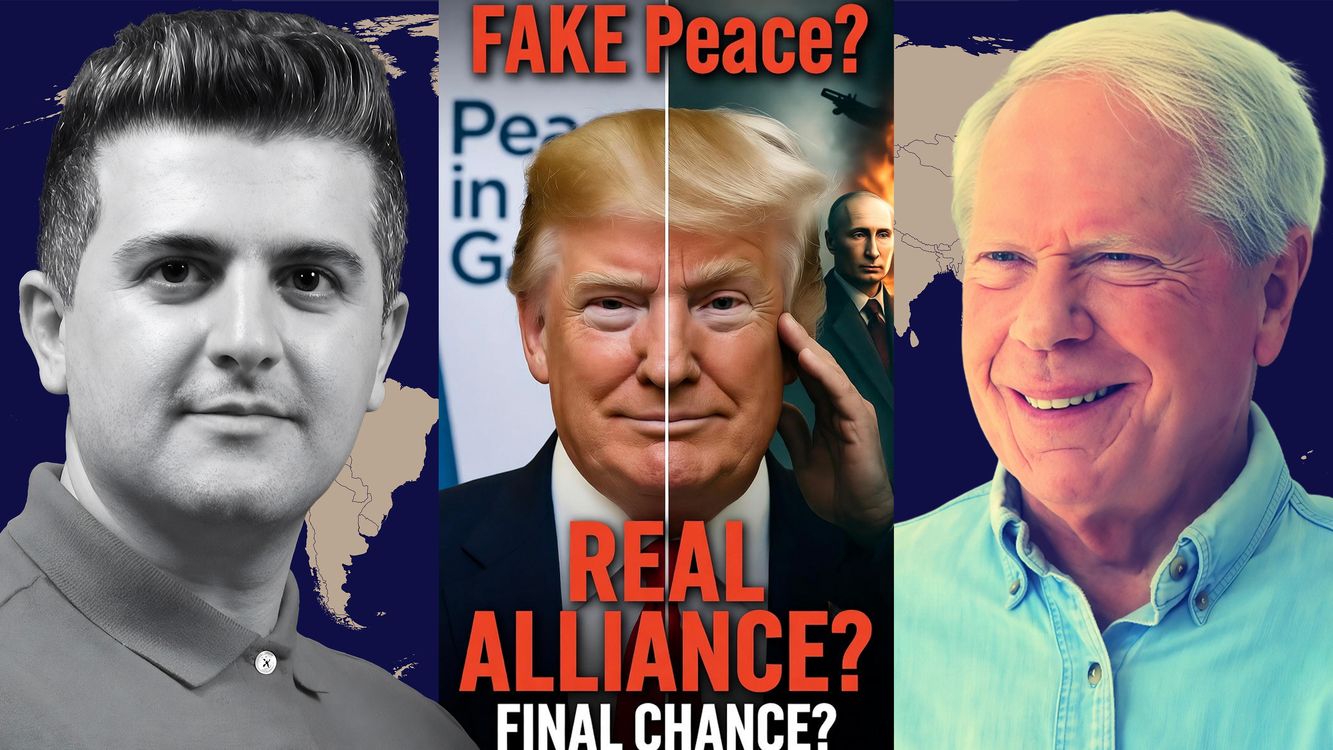
Paul Craig Roberts: Trump’s FAKE Gaza Peace Plan — America’s FINAL Chance with Russia?
•
A critical analysis of Trump’s so-called Middle East "peace plan," Israel’s ongoing bombardment of Gaza, and the illusion of a ceasefire. The discussion also covers U.S. foreign policy hypocrisy, the Ukraine conflict as a symptom of deeper Western hostility toward Russia, and Trump’s aggressive actions in Venezuela under false pretexts—all revealing a pattern of imperial overreach and moral collapse.
More episodes
View all episodes
Nima R. Alkhorshid: Iran Launches Barrage of Missiles at US Facilities in Jordan
38:34|This video analyzes the rapidly intensifying conflict between Iran and the US. Key developments include Iran launching over 40 missiles at US bases in Jordan, the IRGC capturing a US autonomous underwater vehicle, and devastating Yemeni attacks on Saudi oil facilities.We also cover the UK’s groundbreaking sanctions on Israeli settlement goods, the depletion of US air defense interceptors in the region, and Iran’s strategic push to force US forces out of the Gulf. With oil markets under severe threat and diplomacy hanging by a thread, find out what these massive shifts mean for the future of the Middle East.
Larry Johnson: "Complex Ambush": Iran Claims Capture of Classified American Underwater Drone
42:27|This interview breaks down the rapidly deteriorating situation in the Persian Gulf and West Asia. Key topics include US attacks on Iranian oil tankers, Iran’s retaliatory strikes on US military bases in Jordan, and the rapid depletion of Patriot missile stocks.The discussion also analyzes devastating Houthi attacks on Saudi infrastructure, highlighting the hollow diplomatic responses from regional powers. Plus, a deep dive into Russia’s growing distrust of the US administration over broken Ukraine agreements, the failure of US economic pressure, and why a strategic military retreat may be the only viable option to avoid catastrophic escalation.
Patrick Henningsen: F-15 Hangar Directly Hit – King Khalid Airbase Under Ballistic Attack from Yemen
58:46|This interview analyzes the escalating conflict between Saudi Arabia and Yemen, exploring how attacks on Gulf energy infrastructure are being leveraged to weaken regional economies. The discussion breaks down current US strategy in the Middle East, arguing it has devolved from grand strategy into sabotage, economic warfare, and proxy conflicts to serve specific geopolitical interests. It also examines the fragility of the US dollar, mounting national debt, and how foreign lobbying is accelerating American imperial decline. Finally, the conversation highlights how SCO and BRICS nations are actively building alternative, de-dollarized trade and infrastructure systems in response to growing US instability and unreliability on the global stage.
John Helmer: ‘WORSE THAN PREVIOUS’ – Witkoff & Kushner’s Kiev Terms LEAKED
57:02|This interview explores complex geopolitical negotiations surrounding the Ukraine conflict, US-Russia relations, and Middle East dynamics. It breaks down three main diplomatic tracks: a US-Russia track focusing on territorial concessions, a massive reconstruction fund from frozen assets, and sanctions relief; an intelligence track managing Ukrainian leadership; and an Indian-led push for a trilateral peace summit at the upcoming BRICS meeting. The discussion highlights Russia’s internal debate between pursuing economic concessions and maintaining escalation dominance against a remilitarizing Europe. Finally, it examines Russia's strategic role in West Asia, balancing support for Iran against regional tensions in Syria involving Turkey and Israel.
Seyed M. Marandi: Iran Debuts Missile That Defies All Defenses — Saudi Under Fire from Yemen
01:03:31|This interview dives deep into escalating Middle East tensions, focusing on the strategic standoff between Iran, the US, and Israel. It explores Iran's stance on mutual deterrence and the global economic impact of Persian Gulf conflicts. The discussion highlights the reality of the Yemeni government beyond Western media narratives, their role in regional resistance, and the ongoing catastrophe in Gaza. Furthermore, it debunks myths surrounding US military capabilities, exposes Western media bias, and reveals a unified Iranian consensus against foreign coercion. A must-watch for understanding shifting regional power dynamics!
Nima R. Alkhorshid: US Navy FLEES After Iran’s Hypersonic Missile Impact – New Intel Revealed
57:50|This interview analyzes escalating conflicts in West Asia, focusing on advanced missile capabilities targeting US naval forces and the strategic saturation of air defenses. It explores the ongoing war in Yemen, Saudi Arabia’s military struggles, and Turkey’s complex regional role amid rising tensions with Israel. The discussion highlights the failure of US-backed military solutions, emphasizing that destabilizing actions and dependence on foreign support are only prolonging the crisis. Ultimately, the speaker argues that regional powers must unite through independent diplomatic frameworks to achieve lasting peace, as continuous military escalation benefits no one but those who profit from conflict.
Col. Larry Wilkerson: Missile Over Carrier: Iran's Bold Test Sends US Navy Running
01:04:34|This interview analyzes the escalating, undeclared conflict between the US and Iran, highlighting a severe lack of strategic direction from Washington. The discussion explores how tit-for-tat military strikes and domestic political maneuvering are driving up global oil prices and threatening critical chokepoints like the Strait of Hormuz. It also examines the dangerous role of regional actors, warning that unchecked escalation could lead to catastrophic consequences. Ultimately, the conversation reveals how these mismanaged conflicts are accelerating a global shift away from US influence, alienating allies, and empowering new geopolitical alliances, all while the public bears the economic and human cost.
Paul Craig Roberts: Iran and the U.S. Move Closer to a Major Confrontation
51:29|This interview analyzes the dangerous escalation between the US and Iran, arguing that Iran’s "tit-for-tat" strikes against American forces ignore the true source of the conflict: Israel’s regional agenda. The discussion warns of the growing risk of nuclear escalation, suggesting that Israeli leadership may manipulate US involvement to avoid domestic costs. It urges Iran and the Muslim world to form a unified front, potentially via the Mecca Agreement, to directly neutralize the Israeli threat rather than fighting a US proxy. Additionally, the conversation covers the expanding war in Ukraine, critiques Russian strategic inaction, and highlights a major shift in US foreign policy circles, with prominent think tanks finally acknowledging the end of American hegemony and defeat in the Middle East.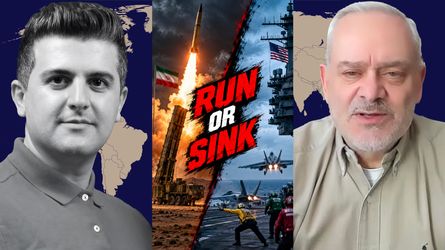
Col. Jacques Baud:BREAKING: Houthi Missiles Strike Saudi Aramco – Fire Erupts at Jizan Facility
01:03:49|Why is Western intelligence failing? This analysis explores the fatal flaw of prioritizing tactical counter-terrorism over strategic understanding. While the US and Israel excel at tactical strikes, they consistently underestimate the strategic depth and resilience of adversaries like Iran, the Houthis, and Russia.Discover how a purely tactical approach—called 'noise before defeat'—leads to disastrous miscalculations in the Middle East and Ukraine. We break down Iran's calculated patience, the shifting global balance of power, and the West's inability to grasp the true operational will of its enemies.A must-watch for insights into modern military doctrine and geopolitics!