Share
Dialogue Works
Matthew Hoh: Mamdani WINS -Ukraine’s War Reaches the Point of No Return - Israel, Gaza and West Bank
•
Discussion on Zohran Mamdani’s NYC election win, Trump’s shifting foreign policy, Dick Cheney’s legacy, Ukraine war dynamics, escalating Middle East tensions, and U.S. strategic moves in Latin America amid a multipolar world order.
More episodes
View all episodes
Stanislav Krapivnik: Poland’s Sikorski to NATO:Drill Kaliningrad to Pull Putin’s Troops From Ukraine
54:54|In this eye-opening interview, we dive deep into escalating geopolitical tensions in Eastern Europe. We analyze Poland's provocative rhetoric regarding NATO exercises near Kaliningrad and the devastating reality of a potential direct conflict with Russia. The discussion shifts to a detailed, map-based breakdown of the current battlefield in Ukraine, highlighting Russian advances in Zaporozhye and Pokrovsk, and the impending logistical collapse of Ukrainian defenses around Kharkiv. Finally, we explore the failures of recent US diplomatic efforts, broader economic fallout including global oil shocks, and the historical complexities shaping the region's future. Don't miss this critical geopolitical update!
Larry Johnson: Iran Vows Revenge After US Strike on Ship in Hormuz
44:50|In this critical geopolitical update, we analyze the escalating tensions in the Strait of Hormuz following a recent attack on a commercial ship near Iran. We break down the US response, Donald Trump’s push to involve Israel in regional negotiations, and the sudden postponement of a crucial Oman-hosted summit. The discussion also covers Saudi Arabia’s crumbling position in Yemen against the Houthis, shifting BRICS diplomatic dynamics, and the futility of Western "Prosperity Plans" for Ukraine, as Russia firmly controls the resource-rich territories. Plus, a reality check on European rhetoric and US munitions claims.
Ray McGovern: Trump Opens Iran-Arab Talks - Putin Says 'No Russian Threat' — While EU Braces for War
54:09|This interview dives into critical geopolitical shifts and historical accountability. Key topics include the Iran-Gulf states dialogue, the psychological profile of US leadership, and the ongoing lack of accountability for past wars of aggression. The discussion highlights the Houthis' resilience, escalating European rhetoric on Russia, and warnings that EU troops in Ukraine would mean direct war. It also examines recent US-Russia negotiations, contrasting Western economic "prosperity plans" with Moscow's core demand for a new European security architecture. Finally, the conversation revisits 9/11, questioning the official narrative, intelligence foreknowledge, and how the tragedy was weaponized to justify the invasion of Iraq.
Nima R. Alkhorshid: The Middle East Power Balance Just Collapsed Overnight
57:31|This video analyzes the shifting geopolitical landscape in West Asia, focusing on Yemen’s strategic advancements. Despite heavy aerial bombardment backed by US and UK advisors, Ansarullah has secured significant ground, controlling the Bab al-Mandab Strait and crippling Saudi oil exports by targeting the East-West pipeline.The discussion highlights how Yemen’s integrated military strategy contrasts with the failures of external interventions. Consequently, Gulf states are heading to Oman for crucial negotiations with Iran to address regional security and the Strait of Hormuz. We also explore how BRICS nations are fostering a new, sanction-resistant economic architecture, challenging traditional Western dominance in the region.
Larry Johnson: Satellite Images Reveal Massive Damage at Aramco’s Abha Plant After Houthi Attack
44:16|Massive geopolitical shifts are reshaping the global order! We break down the unstoppable Houthi advances in Yemen and Saudi Arabia’s growing panic as US, Turkish, and Pakistani support vanishes. Discover the new diplomatic mechanisms emerging between Iran and GCC nations, and how BRICS is delivering a powerful blow to US unilateral sanctions and G7 dominance. Plus, get a stark reality check on the Ukraine conflict: Europe’s economic struggles, Russia’s unwavering demands, and the potential partition of Ukraine. Don’t miss this critical analysis of declining US hegemony and the rise of the Global South!
Robert Barnes: Iran & Gulf Arabs to Sign Historic Maritime Deal in Muscat
43:49|Dive into the escalating geopolitical crisis in West Asia and the strategic stalemate trapping Washington. This interview breaks down why the Saudi-led campaign against the Houthis is failing, and how ongoing conflicts in Yemen, Iran, and Ukraine are driving soaring energy prices and spiking global bond yields. We explore how weaponized US sanctions are backfiring, accelerating the rise of BRICS and alternative financial systems. Discover why independent Gulf diplomacy with Iran may be the only viable path to prevent further economic and military collapse, as battlefield realities and domestic political pressures force a dramatic, unavoidable shift in global power dynamics.
Pepe Escobar: Yemen Shakes the Gate of Tears — BRICS+ Blows Up Trump’s Sanctions
53:12|Explore massive geopolitical shifts in West Asia and the recent BRICS summit! Discover how Yemen's stunning lightning offensive reclaimed key territories, crippling Saudi oil infrastructure and leaving the House of Saud isolated. We break down the historic BRICS summit in New Delhi: Putin's mediation between China & India, the unified stance against illegal sanctions, and the push for alternative payment systems to bypass SWIFT. Plus, uncover behind-the-scenes diplomacy securing the Strait of Hormuz. As US influence wanes and the petrodollar collapses, a new multipolar world order is emerging. Don't miss this deep dive into the future of global geopolitics!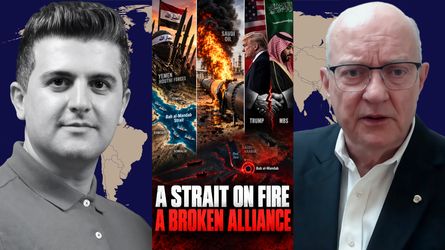
Col. Larry Wilkerson: Iran & Oman Seal Strait of Hormuz Deal—US-Backed Route SHUT DOWN
53:42|This interview explores the shifting geopolitical landscape of the Middle East, focusing on the conflict in Yemen and strategic chokepoints like the Red Sea and Strait of Hormuz. We analyze Saudi Arabia’s military struggles, the impact of Ansarullah’s operations on global trade, and new maritime mechanisms being established by regional powers. The discussion critiques US foreign policy, highlighting how unconditional support for Israel leads to growing regional isolation. We also examine recent BRICS summit declarations rejecting unilateral sanctions and changes to Jerusalem's status, emphasizing the urgent need for independent, regional diplomacy to restore stability without Western interference.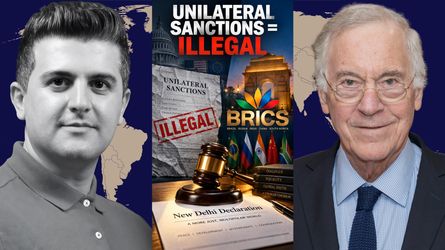
Prof. Steve Hanke: BRICS Declares Unilateral Sanctions ILLEGAL —New Delhi Declaration Eviscerates it
50:14|This interview explores shifting global power dynamics as BRICS nations push back against US unilateral sanctions and tariffs, viewing them as economic warfare. Representing 40% of global GDP, the Global South is pivoting away from US-dominated institutions, though the bloc needs stronger leadership to turn rhetoric into action. The discussion also covers the Middle East, highlighting the Houthis' strategic control over key chokepoints, Saudi Arabia's growing economic vulnerabilities, and a broader US retreat from the region. Finally, it examines the Ukraine conflict, arguing that Kyiv faces dire military and financial realities as European support dwindles. A must-watch for understanding the transition to a multipolar world.