Share
Dialogue Works
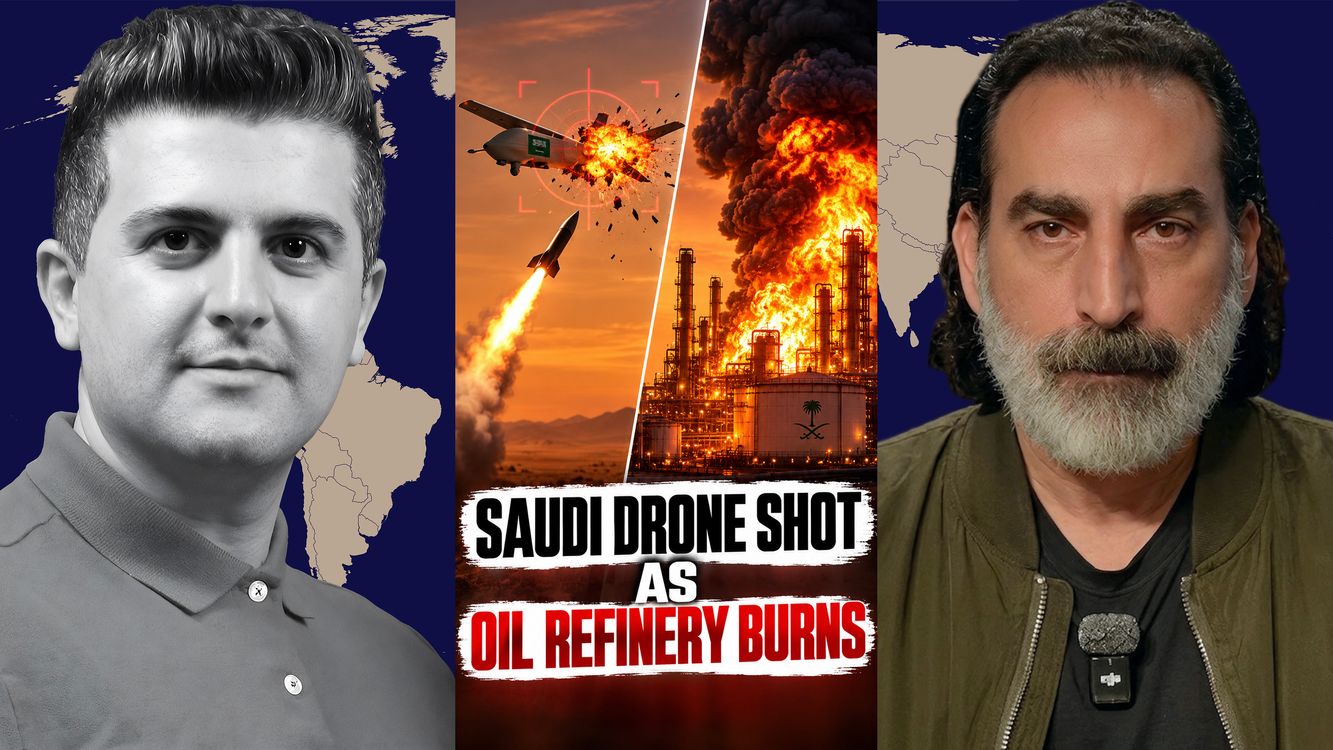
Laith Marouf: Yemen Shoots Down Saudi Drone, Then to Strike Major Saudi Oil Facility
This interview analyzes the escalating geopolitical crisis in West Asia, focusing on the growing strength of the Axis of Resistance. Key topics include the widespread rejection of Lebanon’s proposed agreements with Israel, the dominance of Popular Mobilization Units in Iraq, and Yemen’s successful defiance of the Saudi blockade, including strategic disruptions at Bab al-Mandeb. The discussion also highlights the vulnerability of GCC states, noting their lack of sovereignty as U.S. staging grounds and the severe risks of Iranian retaliation against critical infrastructure. Special attention is given to Jordan’s precarious position due to water scarcity and internal demographics. A must-watch for understanding the shifting power dynamics, military capabilities, and the declining influence of U.S. and regional hegemonic forces in the Middle East.
More episodes
View all episodes
Larry Johnson: U.S. Hits Deeper Into Iran as Missiles Rain Down on Kuwait
49:23|This interview analyzes the escalating Middle East conflict, focusing on Iran’s strategic military responses and shifting dynamics with the US and GCC nations. Key topics include Iran’s transition to China’s BeiDou navigation system, rendering US GPS spoofing ineffective and boosting missile accuracy. The discussion highlights the depletion and reported ineffectiveness of US Patriot air defense systems in the region. It also explores Iran’s potential reassessment of its nuclear program, Pakistan’s delicate role as a mediator, and the lack of a unified strategy among Gulf states. Finally, the conversation covers Iran’s resilient, independent domestic tech ecosystem amidst ongoing sanctions and military pressure.

Richard Wolff: Hell in Hormuz: Shipping Giants No Longer Trust U.S. Military Protection
59:51|This interview explores escalating US-Iran tensions following the collapse of recent diplomatic agreements. It highlights severe risks to global oil markets, including potential strikes on energy infrastructure and the closure of vital shipping routes like the Strait of Hormuz. Beyond immediate military threats, the discussion examines the economic blowback on the US, such as rising inflation, unsustainable debt, and stalled interest rate cuts. Framed historically, the analysis portrays this conflict as a critical chapter in the Global South’s anti-colonial pushback against a declining US empire. It contrasts America's military overreach with China's strategic patience and sustained economic growth, warning that continued escalation risks a wider, devastating global conflict.
Patrick Henningsen: U.S. Targets Iran's Military Network — Tehran Hits Back Across the Region
57:54|Dive into the escalating geopolitical conflict in the Middle East and the realities behind US-Iran negotiations. This discussion critiques recent US political rhetoric as a facade designed to buy time for the military degradation of Iranian infrastructure, rather than genuine diplomacy. Key topics include the counterproductive assassination of Iran’s Supreme Leader, which ultimately united the Iranian public, and renewed Saudi aggression against Yemen, allegedly coerced by US and Israeli interests to prevent regional detente. Learn how these actions are galvanizing the Axis of Resistance, driving global inflation, and trapping the US in a costly, endless war driven by foreign policy failures and proxy interests.
Alex Krainer: Trump Weighs Massive Offensive Against Iran—Tehran Has a Plan to Trap Him
56:14|This interview analyzes the escalating geopolitical conflict in West Asia and the failing US-Israeli strategy against Iran. With initial regime-change plans thwarted, the US is caught in a "gambler’s ruin," escalating military actions without a viable exit strategy while facing a looming financial and bond market crisis.The discussion highlights the precarious position of GCC countries, who are pressured to fund the war while risking their trillions in Western assets. Meanwhile, Iran’s resilience is bolstered by strategic support from China, Russia, and Pakistan, making its sovereignty crucial for Eurasian trade routes and the multipolar world order. The conversation also exposes the West's reliance on "narrative warfare" and institutional corruption to sustain unwinnable conflicts.
Larry Johnson: Trump Prepares DEVASTATING Strikes Deep Inside Iran as Tehran Sets a Trap
49:47|In this eye-opening interview, we dive deep into the escalating US-Iran conflict and the geopolitical realities behind the headlines. Discover why recent claims of a successful diplomatic deal over the Strait of Hormuz are misleading, and how ongoing military strikes expose severe US missile shortages and regional base vulnerabilities. We explore Iran’s strategic advantage in draining US military resources, the precarious position of GCC countries caught in the crossfire, and how global powers view this prolonged conflict. Learn why coercive strategies are backfiring, strengthening Iran’s resolve, and reshaping the Middle East balance of power.
Matthew Hoh: Power Grids Under Fire: Iran and U.S. Escalate as Gulf Erupts
50:37|This interview examines the escalating crisis in the Persian Gulf, focusing on the Strait of Hormuz blockade, drone attacks, and the severe environmental and economic risks to global shipping. It critiques the U.S. strategy of targeting Iranian infrastructure, highlighting the geological and structural impossibility of destroying deeply buried facilities like "Pickaxe Mountain." The discussion also explores the precarious position of GCC nations, who face inevitable Iranian retaliation on their energy and desalination plants despite U.S. pressure to fund the war. Additionally, it covers the escalatory dangers of renewed Saudi conflict in Yemen threatening Red Sea oil routes, and condemns corporate media bias in defending foreign military aggression against U.S. lawmakers in the West Bank.
Scott Ritter: Iran STRIKES Major U.S. Military Supply Hub in Kuwait
01:32:38|This interview delivers a stark geopolitical analysis of US-Iran tensions and the Russia-Ukraine war. It highlights the strategic desperation behind US military actions in the Middle East, arguing that attempts to control the Strait of Hormuz and manipulate global energy markets risk catastrophic worldwide resource shortages. The discussion debunks myths of US military readiness, pointing to severe logistical and ammunition constraints that make sustained campaigns or invasions impossible. On the Eastern European front, the analysis asserts Russia maintains firm battlefield control, effectively countering Ukrainian drone warfare through advanced AI targeting and systematic elimination of operators. Western narratives of Russian vulnerability are dismissed as propaganda, emphasizing Moscow's steady, calculated adaptation to modern warfare.