Share
Dialogue Works
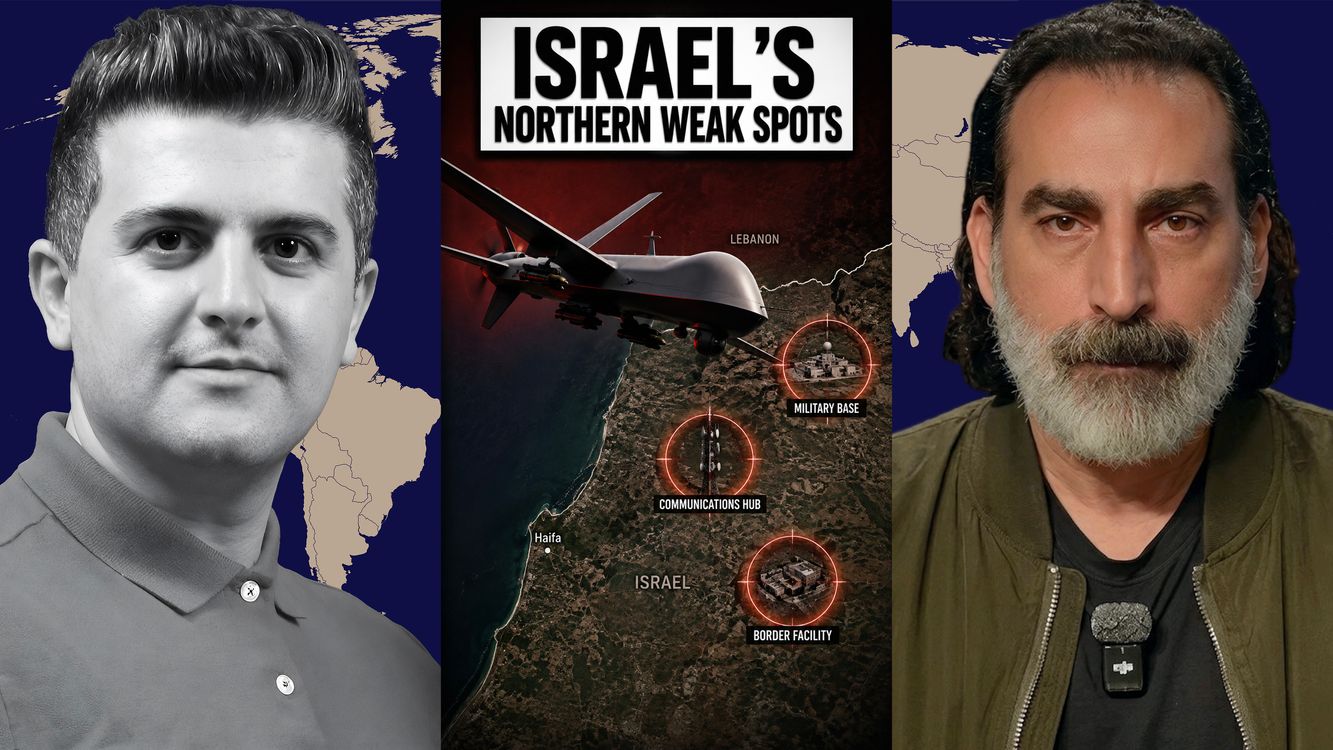
Laith Marouf: Overnight Drone Attack: Hezbollah Strikes Israeli Troops
•
Escalation in the Middle East: This interview breaks down Hezbollah’s renewed offensive in southern Lebanon and the widening Iran-US-Israel confrontation. We analyze Israel’s growing military vulnerabilities, including heavy losses in ground forces and air defenses, and warn of potential conflict spillover to Greece and Cyprus.
The discussion also exposes the dire reality in Gaza and the West Bank, highlighting daily massacres, unchecked settler violence, and the Lebanese government's failure to protect the south. Finally, we dissect the Israeli political landscape, revealing how competing factions share identical genocidal policies, differing only in their PR strategies.
More episodes
View all episodes
Lt. Col. Anthony Aguilar: BREAKING: Iran Confirms Talks With Trump Envoys; Sets 3 Terms for Hormuz
01:01:28|This interview breaks down the latest US-Iran diplomatic maneuvers, exposing them as a rehash of previously failed agreements. The core sticking point remains Israel’s ongoing military operations in Gaza, Lebanon, and Syria, with no clear mechanism to enforce a withdrawal. The discussion highlights how current US political rhetoric seems designed to buy time for upcoming elections, while simultaneous military buildups in the region suggest preparations for further conflict, not genuine peace. We also explore Iran’s advanced anti-ship missile capabilities deterring US naval escalation, and the growing skepticism among Gulf allies regarding US reliability and the feasibility of isolating Iran.
Matt Bracken: G7 to Iran: Stop Arming the Houthis. Iran’s Answer: No.
50:11|Discover the hidden realities of the Yemen conflict beyond mainstream headlines. This interview explores why G7 pressure on Iran is failing and how Ansar Allah is capitalizing on Saudi Arabia’s overstretched military and reliance on unmotivated mercenaries. We dive into the century-old struggle over Yemen’s fertile western territories, historically taken with British intervention, and why Western air power is ineffective against highly motivated, dispersed local fighters. Learn how honorable surrender tactics are winning hearts and minds, and why the current Sykes-Picot borders in the Gulf region may soon collapse, leading to a dramatic redrawing of the map. A must-watch for understanding true Middle East geopolitical dynamics.
Seyed M. Marandi: BREAKING: Trump Threatens Total Destruction of Iran in UN Speech
01:04:11|This interview analyzes the escalating tensions between the US and Iran, exposing contradictory US political signals driven by midterm election fears. It highlights how US actions in Venezuela and the Middle East reveal raw imperialism, while resistance groups like Yemen’s Ansarullah prove to be highly motivated, independent allies with growing domestic military capabilities, not mere proxies. The discussion also covers Iran’s intact and advancing nuclear and missile programs, which serve as strategic leverage. Ultimately, the conflict has accelerated Iran’s decisive pivot toward Russia, China, and the Global South, permanently dismantling pro-Western narratives and reshaping the geopolitical landscape.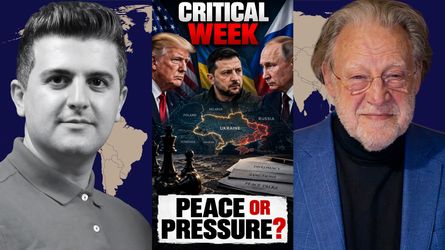
John Helmer: Trump, Zelensky & Putin Set the Stage for a Critical Week
58:36|In this insightful interview, we break down the current geopolitical stalemate in the Russia-Ukraine conflict. With massive new escalations targeting Ukraine's energy and industrial infrastructure, the war's objective has shifted toward total economic destruction. We explore why key global leaders find themselves politically "stuck," facing domestic pressures and the reality of Ukraine becoming a permanent Western-backed fighting platform. The discussion covers the illusion of current peace negotiations, NATO's strategic posturing in Eastern Europe, and Europe's looming energy crisis. Discover why a genuine pause in the conflict remains unlikely as all sides prepare for prolonged escalation.
Ray McGovern: BREAKING: Iran Strikes US Erbil Airbase in Preemptive Attack
49:01|Explore the escalating geopolitical tensions in West Asia in this eye-opening interview. We break down Saudi Arabia’s growing vulnerability amid Houthi advances, Iran’s strategic posture, and the truth behind mainstream narratives on Iran’s nuclear program. The discussion exposes US military ammunition shortages, the dangers of unpredictable US foreign policy, and the terrifying risk of regional nuclear escalation driven by Israeli miscalculations. Plus, we analyze Russia’s strategic patience in Ukraine and the broader global chess game involving China. A must-watch for understanding the real stakes in the Middle East and shifting global power dynamics.
Nima R. Alkhorshid: All U.S. Embassies Issue Middle East Alerts as Trump Rushes Back to White House
48:05|Escalating tensions in West Asia are at a boiling point. This analysis breaks down recent US warnings across the Middle East and the strategic aftermath of attacks on Saudi oil infrastructure. Discover how these events have left key GCC nations vulnerable and desperately seeking defensive capabilities. We explore the critical advancements of Yemeni forces in Marib and the broader geopolitical game aimed at weakening regional unity. By manufacturing chaos, the underlying agenda appears to be forcing normalization agreements and distracting from domestic political struggles. We also examine potential military actions against southern Iran and Iraqi resistance, revealing why such moves may fail to alter the strategic balance while primarily serving to suffocate regional economies. Stay informed on the complex realities shaping the Middle East.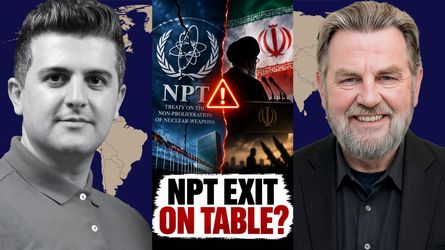
Larry Johnson: Iran's Nuclear Shift: Official Warns NPT Exit "On the Table" Despite Fatwa Commitment
49:33|Discover the harsh realities of the escalating 2026 West Asia conflict. This interview breaks down the severe depletion of US missile defenses, leaving Gulf allies vulnerable to advancing Houthi strikes on Saudi infrastructure. We explore Turkey’s firm stance against joining any war with Iran or Yemen, Iran’s potential conditions for peace, and the looming global economic fallout, including worsening fuel shortages across Europe. Plus, a critical look at US foreign policy delusions regarding Arctic control and Middle East stability. A crucial geopolitical analysis!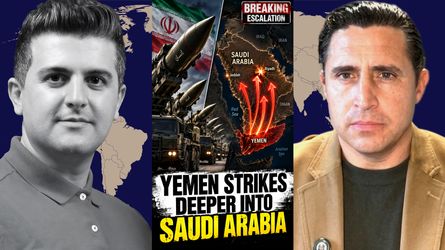
Lt. Col. Anthony Aguilar: AnsarAllah Warns Turkey & Pakistan: ‘IRON FIST’—Like Saudi
01:06:13|An in-depth analysis of the escalating Middle East conflict as Ansar Allah launches deep strikes into Saudi Arabia, exposing severe vulnerabilities in U.S. and Saudi air defenses. Despite official claims, the U.S. and its allies face critical munition shortages. The discussion highlights alleged cover-ups of U.S. military casualties and irreparable damage to American bases. It also explores the war's economic unsustainability, Turkey's stance on the U.S.-Iran conflict, and Iran's massive domestic mobilization. With threats of Iran withdrawing from the NPT, the analysis concludes that military solutions are failing, leaving diplomacy as the only viable path forward.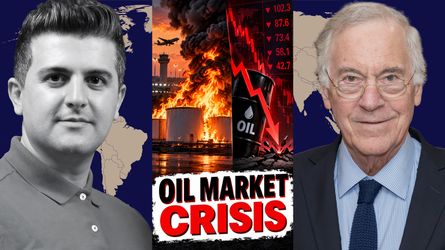
Prof. Steve Hanke: Riyadh Airport Fuel Tanks on Fire as Oil Market Faces Unprecedented Pressure
57:13|This interview analyzes the escalating conflict between Saudi Arabia and Yemen, highlighting the severe military and economic vulnerabilities of the Saudi regime. Despite massive defense spending, Houthi forces continue to successfully target critical oil facilities and Riyadh, exposing a lack of effective interception. The discussion covers the broader global impact, including disrupted oil supply chains and worsening energy shortages in Europe. It also examines why regional powers like Egypt and Pakistan are unlikely to intervene due to historical defeats and domestic instability. Finally, the conversation critiques current US foreign policy and negotiation tactics, describing them as self-serving and warning of potential internal revolts within Saudi Arabia.