Share
Dialogue Works
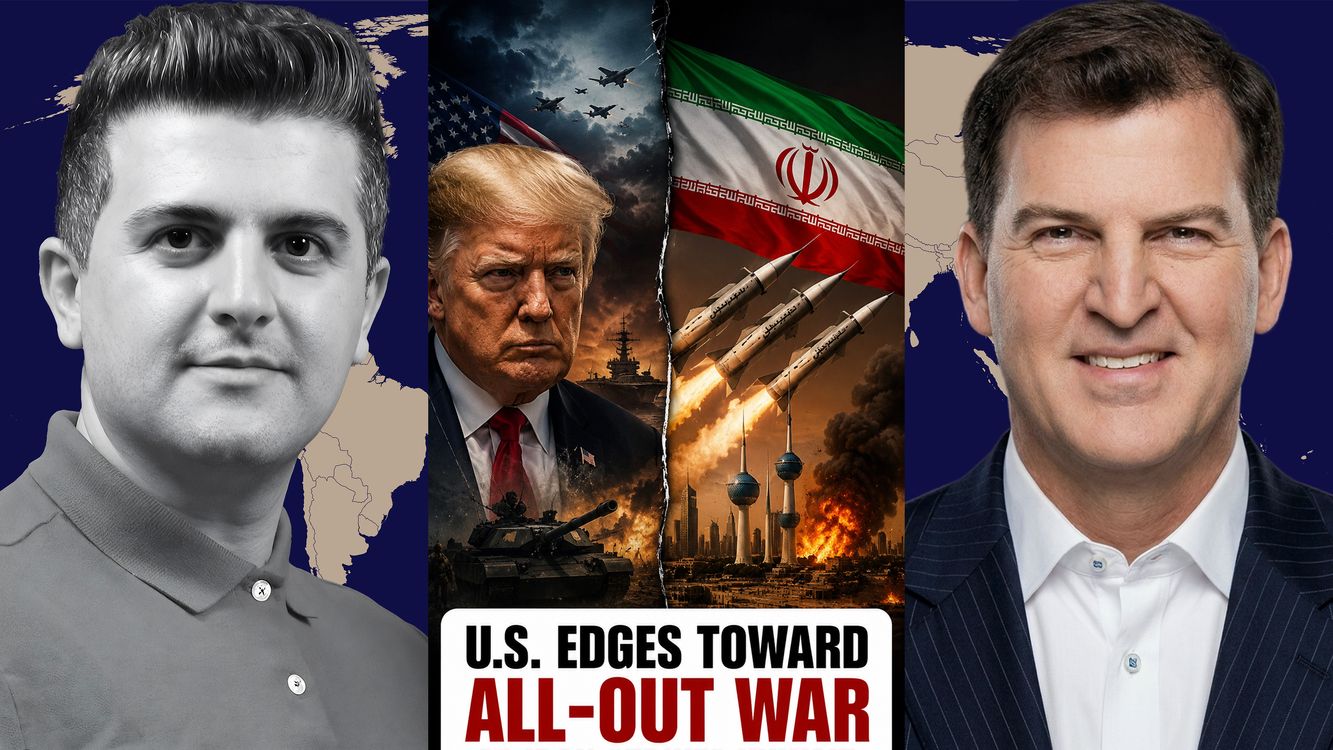
David Pyne: Trump Holds Jordan Responsible for 3 U.S. Deaths
•
Dive into this in-depth analysis of the escalating US-Iran conflict and its ripple effects across the Middle East. This interview explores the realities of a protracted "forever war," highlighting ineffective US military strikes, Iran's strategic economic blockade of the Strait of Hormuz, and the growing vulnerability of US forces in Jordan and Gulf states. Discover how GCC nations are quietly shifting their security strategies, why Israel remains on the margins of the conflict, and the severe domestic political and economic consequences facing the US, including rising gas prices and plummeting approval ratings. A must-watch for understanding the true geopolitical dynamics shaping the region today.
More episodes
View all episodes
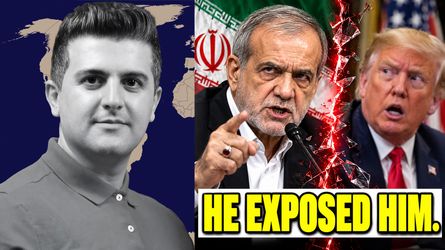
Nima R.Alkhorshid: Iran’s President Pezeshkian DISMANTLES Trump’s Claims in BLUNT Response
54:39|This episode breaks down the explosive UN rhetoric surrounding US-Iran tensions and the Iranian President's defiant response to threats of annihilation. We analyze double standards in global nuclear policies, the real drivers of the Middle East conflict, and how regional warfare manipulates global oil markets. With diplomatic backchannels failing, we explore Iran's strategic pivot away from Western negotiations toward a resilient, long-term military posture. Discover why the future of the Gulf and the Strait of Hormuz depends on a new, independent regional security architecture rather than endless foreign intervention. Tune in for an in-depth geopolitical analysis!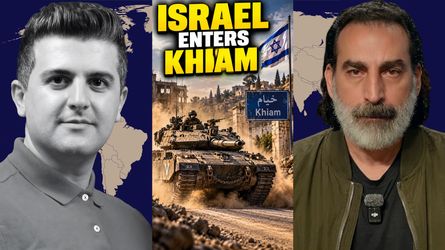
Laith Marouf: Israel’s Next Move in Lebanon — and Hezbollah’s Plan to Counter It
47:27|This interview exposes Israeli war propaganda in southern Lebanon and the destruction of sites like the Khiam prison museum. It highlights the insignificance of US-backed Arab regimes in shaping regional power dynamics. The discussion shifts to Yemen, analyzing the strategic advances of the Yemeni Armed Forces on the Ma’rib-Jauf axis to isolate mercenary forces, while uncovering direct NATO involvement in ongoing attacks. It critiques the hypocrisy of global leaders claiming to support Palestine while enabling regional conflicts, and examines the rise of blunt, genocidal rhetoric in Israeli elections. Finally, it dismisses US threats against Iran as bluffs, predicting NATO’s next major military escalation will target Yemen, where it is bound to fail.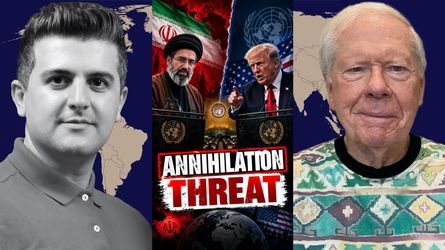
Paul Craig Roberts: “Armageddon”: Trump’s Stark Threat to Iran
01:22:19|This thought-provoking interview explores the erosion of Western self-confidence and its impact on immigration, culture, and politics. Topics include why Muslim candidates are winning major US elections, the Democratic Party's struggle with identity, and whether America is assimilating to immigrant cultures rather than the reverse. The conversation also examines racism in Brazil vs. the US, the role of the 1% in profiting from wars, and how divide-and-conquer tactics keep ordinary people fighting each other. Plus, analysis of Trump's UN speech, Netanyahu's influence on US foreign policy, and whether Democratic extremism in the primaries could actually save Trump's congressional majority.
Elijah Magnier: Qatar Pitches Iran-Gulf Security Framework at Trump’s UN Meeting
56:34|Dive into the shifting geopolitical landscape of West Asia. We analyze Qatar's proposed joint security framework involving Iran and the GCC, and why US negotiations with Tehran remain stalled. Discover the reality in Yemen, including Ansarullah's push toward Marib and the strategic Bab el-Mandeb strait. Plus, we examine Syria's stance on the Golan Heights, Israel's military expansion, and the ongoing humanitarian crisis in Gaza. Finally, we expose the double standards of Western powers who continue to fuel regional conflicts while ignoring international law.
Lt. Col. Anthony Aguilar: BREAKING: Iran Confirms Talks With Trump Envoys; Sets 3 Terms for Hormuz
01:01:28|This interview breaks down the latest US-Iran diplomatic maneuvers, exposing them as a rehash of previously failed agreements. The core sticking point remains Israel’s ongoing military operations in Gaza, Lebanon, and Syria, with no clear mechanism to enforce a withdrawal. The discussion highlights how current US political rhetoric seems designed to buy time for upcoming elections, while simultaneous military buildups in the region suggest preparations for further conflict, not genuine peace. We also explore Iran’s advanced anti-ship missile capabilities deterring US naval escalation, and the growing skepticism among Gulf allies regarding US reliability and the feasibility of isolating Iran.
Matt Bracken: G7 to Iran: Stop Arming the Houthis. Iran’s Answer: No.
50:11|Discover the hidden realities of the Yemen conflict beyond mainstream headlines. This interview explores why G7 pressure on Iran is failing and how Ansar Allah is capitalizing on Saudi Arabia’s overstretched military and reliance on unmotivated mercenaries. We dive into the century-old struggle over Yemen’s fertile western territories, historically taken with British intervention, and why Western air power is ineffective against highly motivated, dispersed local fighters. Learn how honorable surrender tactics are winning hearts and minds, and why the current Sykes-Picot borders in the Gulf region may soon collapse, leading to a dramatic redrawing of the map. A must-watch for understanding true Middle East geopolitical dynamics.
Seyed M. Marandi: BREAKING: Trump Threatens Total Destruction of Iran in UN Speech
01:04:11|This interview analyzes the escalating tensions between the US and Iran, exposing contradictory US political signals driven by midterm election fears. It highlights how US actions in Venezuela and the Middle East reveal raw imperialism, while resistance groups like Yemen’s Ansarullah prove to be highly motivated, independent allies with growing domestic military capabilities, not mere proxies. The discussion also covers Iran’s intact and advancing nuclear and missile programs, which serve as strategic leverage. Ultimately, the conflict has accelerated Iran’s decisive pivot toward Russia, China, and the Global South, permanently dismantling pro-Western narratives and reshaping the geopolitical landscape.
John Helmer: Trump, Zelensky & Putin Set the Stage for a Critical Week
58:36|In this insightful interview, we break down the current geopolitical stalemate in the Russia-Ukraine conflict. With massive new escalations targeting Ukraine's energy and industrial infrastructure, the war's objective has shifted toward total economic destruction. We explore why key global leaders find themselves politically "stuck," facing domestic pressures and the reality of Ukraine becoming a permanent Western-backed fighting platform. The discussion covers the illusion of current peace negotiations, NATO's strategic posturing in Eastern Europe, and Europe's looming energy crisis. Discover why a genuine pause in the conflict remains unlikely as all sides prepare for prolonged escalation.
Ray McGovern: BREAKING: Iran Strikes US Erbil Airbase in Preemptive Attack
49:01|Explore the escalating geopolitical tensions in West Asia in this eye-opening interview. We break down Saudi Arabia’s growing vulnerability amid Houthi advances, Iran’s strategic posture, and the truth behind mainstream narratives on Iran’s nuclear program. The discussion exposes US military ammunition shortages, the dangers of unpredictable US foreign policy, and the terrifying risk of regional nuclear escalation driven by Israeli miscalculations. Plus, we analyze Russia’s strategic patience in Ukraine and the broader global chess game involving China. A must-watch for understanding the real stakes in the Middle East and shifting global power dynamics.