Share
Dialogue Works
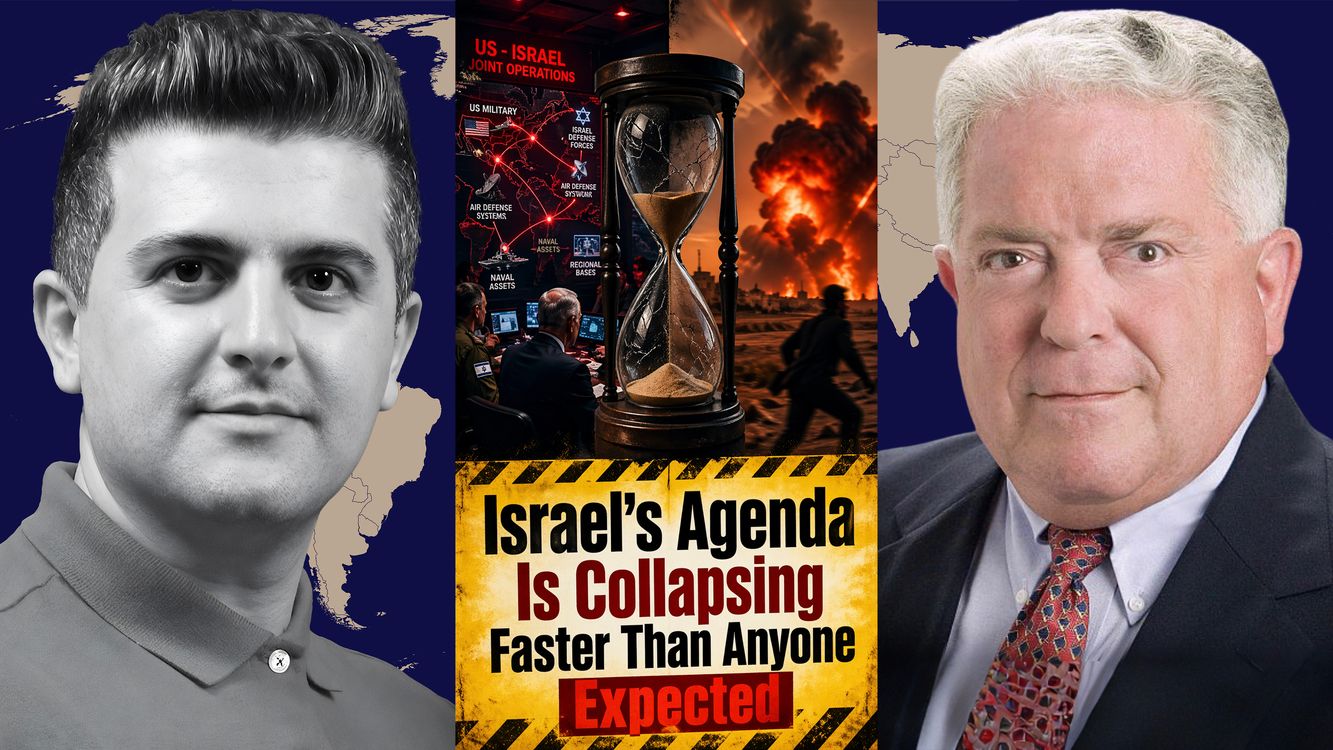
Chas Freeman: Israel’s Agenda Is Collapsing Faster Than Anyone Expected
Iran-US-Israel tensions persist despite a fragile 'make-believe' ceasefire. The Strait of Hormuz blockade disrupts global energy and commodity supplies, triggering inflation worldwide. Analysis covers Iran's resilience, military readiness concerns, and shifting geopolitics: alliance strains, China's rising Gulf influence, and regional diplomatic efforts. Nuclear discussions highlight Iran's NPT rights versus undeclared regional arsenals. Territorial expansion in Lebanon, Syria, and Palestine fuels instability. As global opinion shifts, the conversation suggests diplomatic engagement with Iran is increasingly essential for international prosperity, while questioning the sustainability of current military approaches. Talks in Islamabad signal potential diplomatic openings amid ongoing uncertainty. Global supply chains for fertilizer, aluminum, and semiconductor materials face critical shortages, underscoring the urgent need for de-escalation.
More episodes
View all episodes
Mark Sleboda: US Navy Just Fled From Iran – Trump’s Blockade Backfires in Humiliating Defeat
01:18:37|Iran-US tensions: Failed diplomacy, ineffective blockades, Iran's asymmetric leverage over Strait of Hormuz & Bab al-Mandab. US munitions depleted from Ukraine/Houthi conflicts limit military options. Iran holds escalatory dominance—threats to energy routes, internet cables, Gulf infrastructure. Erratic US rhetoric undermines credibility; Iran excels in information warfare. Israel advances in Lebanon/Gaza amid chaos. Confrontation risks accelerating US hegemonic decline, benefiting Russia/China. A perilous moment: geopolitical miscalculation meets adversary with escalatory options and nothing to lose. Profound global energy, economic, and security implications remain.
Seyed M. Marandi: The Strike That Wiped Out Trump’s Plan (It’s Over)
52:21|Iran-US tensions, Strait of Hormuz crisis & regional diplomacy analyzed. Covers Iran's diplomatic tour to Pakistan/Russia, denial of direct negotiations with Washington, and ceasefire violation impacts on global economy. Iran's firm sovereignty stance, nuclear program flexibility without compromising national rights, and unwavering support for Lebanon/Hezbollah emphasized. Examines Western media narratives, psychological warfare tactics, and Persian Gulf strategic importance. With regional assets mobilized and economic pressures mounting, explores potential escalation scenarios, Iran's preconditions for renewed talks, and Gulf states' interconnected fate. Critical insights on how ceasefire breaches, port sieges, and maritime confrontations shape the Middle East's path toward diplomacy or conflict.
Patrick Henningsen: Hezbollah JUST Fired Back at Israel - Iran Vows to “Crush” All Attacks
01:05:29|US-Iran tensions escalate as diplomacy stalls. Iran's FM tours regional capitals; US pushes Islamabad talks. Analysis covers ceasefire dynamics, Strait of Hormuz legal status, US military buildup with carrier groups. Criticism of Washington's negotiation approach and escalation risks. Economic impacts: global supply chains, fuel shortages, recession fears. Israel-Lebanon ceasefire extension amid ongoing violations. Regional security shifting toward post-US Persian Gulf. Warnings on dangerous rhetoric around unconventional weapons. Assessment of US munitions shortages, military fatigue, political constraints. Call for accountability as propaganda narratives clash with West Asia realities.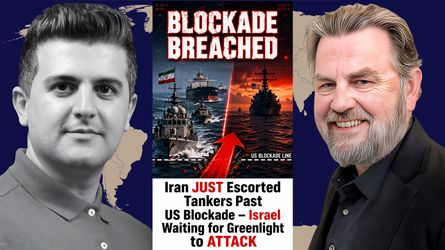
Larry Johnson: Iran JUST Escorted Tankers Past US Blockade – Israel Waiting for Greenlight to ATTACK
53:51|Critical analysis of US-Iran tensions: the naval blockade intercepts only ~10% of vessels while US precision missile stockpiles face severe depletion, with replenishment taking years. Strait of Hormuz disruption threatens global oil, fertilizer, and food supplies, triggering cascading economic consequences worldwide. Iran's diplomatic outreach to Russia, Pakistan, and Oman strengthens alternative alliances as BRICS realignment away from the petrodollar accelerates. NATO fractures deepen amid European energy crises and divergent strategic interests. Experts warn the full economic impact is building like a tsunami—initially subtle, then rapidly devastating—with no viable military solution available. Diplomacy on Iran's terms emerges as the only sustainable path forward. Leadership concerns, internal administration tensions, and questions over decision-making compound escalating geopolitical stakes as the conflict reshapes global power dynamics.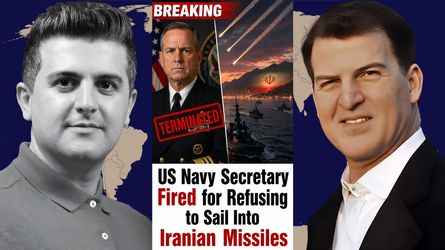
David Pyne: US Navy Secretary Fired for Refusing to Sail Into Iranian Missiles
48:16|Examines the Middle East conflict's far-reaching effects: US-Iran-Israel escalation, Strait of Hormuz blockade, and global oil market disruption. Discusses how the war derailed US foreign policy goals, strained NATO partnerships, and fueled de-dollarization trends. Analyzes domestic political fallout, Iran's strengthened position in the Persian Gulf despite military setbacks, and economic risks like rising fuel prices and potential recession. Explores possible off-ramps, ceasefire dynamics, and implications for US-China relations and America's long-term strategic posture. A critical look at geopolitical miscalculations, alliance fractures, and the high costs of prolonged regional warfare.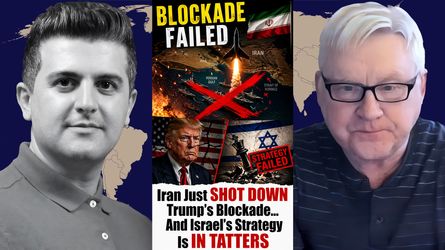
Andrei Martyanov: Iran Just SHOT DOWN Trump’s Blockade… And Israel’s Strategy Is IN TATTERS
51:30|Geopolitical analysis of escalating Middle East tensions: Israel reportedly seeks US approval for potential Iran strikes amid questions about military capabilities and depleted munitions stockpiles. Discussion examines Iran's growing control over critical shipping lanes like the Strait of Hormuz, shifts away from dollar-based energy trade, and broader implications for global power dynamics. Also covers European military exercises in the Baltics, Finland nuclear storage proposals, and challenges facing Western strategic readiness. Analysis highlights rising oil prices, economic pressures, and the transition toward a multipolar world order amid ongoing geopolitical realignment. Conversation explores military, economic, and diplomatic dimensions of current global transformation and questions about long-term Western policy effectiveness.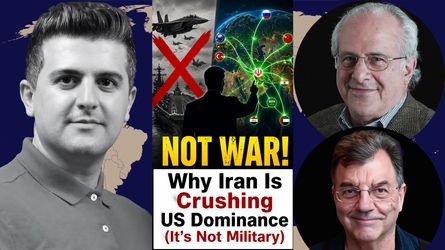
Richard Wolff & Michael Hudson: Why Iran Is Crushing US Dominance (It’s Not Military)
58:43|Iran war analysis: failed quick-victory promises, oil market chaos via Strait of Hormuz, and worldwide economic ripple effects. Examines rising fuel/fertilizer costs, supply chain disruptions, and Gulf states facing cash crunches. Discusses de-dollarization acceleration, US military resource depletion, and Iran's asymmetric leverage. Explores political spin challenges, growing domestic/international opposition, and how global businesses may abandon Middle East-dependent routes. Highlights long-term costs of unilateral hegemonic strategies for world economic stability.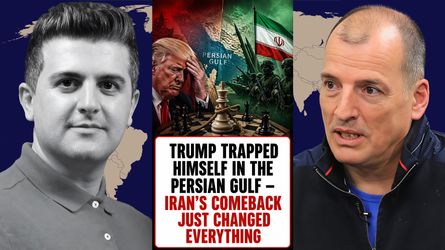
Alex Krainer: Trump Trapped Himself in the Persian Gulf – Iran’s Comeback Just Changed Everything
01:01:50|Middle East conflict analysis: indefinite ceasefire extension, Iran's strategic control of the Strait of Hormuz, and questions over US naval blockade effectiveness. Discusses US political challenges, depleted air defense capabilities, and Hezbollah's renewed resistance. Explores declining Western hegemony and the rise of a multipolar world order anchored by Russia, China, and Iran. Examines global economic impacts—rising fuel costs, European energy insecurity—and what this means for Global South nations seeking sovereignty. Argues current conflicts expose neo-colonial power structures, empowering nations to pursue independent development and reject external diktats. A sobering look at war's consequences and the irreversible shift toward a new, more equitable global order.