Share
Dialogue Works
Andrei Martyanov: Iran JUST SHOT DOWN the War and Drops the Hammer on Israel & GCC
•
The interview discusses how recent battlefield realities have pushed the U.S. toward ceasefire talks with Iran, highlighting failed operations, internal Pentagon tensions, and limited military effectiveness. It argues Iran has strategically outmaneuvered its opponents, leveraging control over key energy routes and exposing weaknesses in Western capabilities. The conversation also questions leadership decisions, resource shortages, and the sustainability of further escalation. Broader themes include shifting global power dynamics, economic consequences, and growing political divisions in the U.S., suggesting the conflict may reshape both regional stability and the future of American influence.
More episodes
View all episodes
Nima R. Alkhorshid: US Navy FLEES After Iran’s Hypersonic Missile Impact – New Intel Revealed
57:50|This interview analyzes escalating conflicts in West Asia, focusing on advanced missile capabilities targeting US naval forces and the strategic saturation of air defenses. It explores the ongoing war in Yemen, Saudi Arabia’s military struggles, and Turkey’s complex regional role amid rising tensions with Israel. The discussion highlights the failure of US-backed military solutions, emphasizing that destabilizing actions and dependence on foreign support are only prolonging the crisis. Ultimately, the speaker argues that regional powers must unite through independent diplomatic frameworks to achieve lasting peace, as continuous military escalation benefits no one but those who profit from conflict.
Col. Larry Wilkerson: Missile Over Carrier: Iran's Bold Test Sends US Navy Running
01:04:34|This interview analyzes the escalating, undeclared conflict between the US and Iran, highlighting a severe lack of strategic direction from Washington. The discussion explores how tit-for-tat military strikes and domestic political maneuvering are driving up global oil prices and threatening critical chokepoints like the Strait of Hormuz. It also examines the dangerous role of regional actors, warning that unchecked escalation could lead to catastrophic consequences. Ultimately, the conversation reveals how these mismanaged conflicts are accelerating a global shift away from US influence, alienating allies, and empowering new geopolitical alliances, all while the public bears the economic and human cost.
Paul Craig Roberts: Iran and the U.S. Move Closer to a Major Confrontation
51:29|This interview analyzes the dangerous escalation between the US and Iran, arguing that Iran’s "tit-for-tat" strikes against American forces ignore the true source of the conflict: Israel’s regional agenda. The discussion warns of the growing risk of nuclear escalation, suggesting that Israeli leadership may manipulate US involvement to avoid domestic costs. It urges Iran and the Muslim world to form a unified front, potentially via the Mecca Agreement, to directly neutralize the Israeli threat rather than fighting a US proxy. Additionally, the conversation covers the expanding war in Ukraine, critiques Russian strategic inaction, and highlights a major shift in US foreign policy circles, with prominent think tanks finally acknowledging the end of American hegemony and defeat in the Middle East.
Col. Jacques Baud:BREAKING: Houthi Missiles Strike Saudi Aramco – Fire Erupts at Jizan Facility
01:03:49|Why is Western intelligence failing? This analysis explores the fatal flaw of prioritizing tactical counter-terrorism over strategic understanding. While the US and Israel excel at tactical strikes, they consistently underestimate the strategic depth and resilience of adversaries like Iran, the Houthis, and Russia.Discover how a purely tactical approach—called 'noise before defeat'—leads to disastrous miscalculations in the Middle East and Ukraine. We break down Iran's calculated patience, the shifting global balance of power, and the West's inability to grasp the true operational will of its enemies.A must-watch for insights into modern military doctrine and geopolitics!
Larry Johnson: U.S. ABANDONS Kurdish Frontline - Troops & Patriots PULLED Before Iran Strike
31:36|In this eye-opening interview, we dive into the latest geopolitical shifts shaping the global landscape. Discover why recent US diplomatic visits to Russia and Ukraine are dismissed as "performance art," and why Moscow demands firm commitments—including Ukrainian elections and territorial recognition—before any ceasefire. We analyze significant electoral gains by the opposition in Germany, signaling growing domestic pressure to seek peace with Russia. Plus, get an in-depth assessment of escalating tensions in the Persian Gulf, where Iranian hypersonic missile tests are exposing critical vulnerabilities in US naval air defense systems, potentially forcing a strategic withdrawal. We also explore the impending US troop withdrawal from Iraq and the severe risks of Israel’s aggressive regional posture. Don't miss this critical analysis of shifting global power dynamics!
Stanislav Krapivnik: Putin Rejects Compromise – War Ends Only on His Terms
42:28|In this eye-opening interview, we dive deep into the Russia-Ukraine conflict and the broader geopolitical landscape. Recent diplomatic visits by US envoys are analyzed as desperate attempts to legitimize a collapsing Ukrainian front, while Russia’s negotiating position remains hardened. The discussion covers critical battlefield updates, including Ukrainian supply line disruptions, encirclements, and the game-changing impact of new Russian anti-drone tech. We also explore shifting global alliances, exposing how certain nations act as Western proxies while a new axis of Russia, China, Iran, and North Korea solidifies. Finally, we tackle the EU’s internal power grabs, economic vulnerabilities, and how recent drone incidents in Germany are used as pre-election propaganda. Don't miss this raw geopolitical analysis!
Lt. Col. Anthony Aguilar: Iran Says It DAMAGED a U.S. Aircraft Carrier
51:58|In this critical analysis, we break down the intensifying military confrontation between the US and Iran near the Strait of Hormuz. Discover how asymmetric warfare, drone tactics, and supply line disruptions are shifting the balance of power, making prolonged US naval blockades logistically unsustainable.We also explore the alarming rise in civilian casualties, Israel’s vulnerability to a coordinated multi-front war involving Hezbollah, the Houthis, and Iran, and Tel Aviv’s controversial attempts to leverage Kurdish populations across the region. Find out why current US military strategies are failing and what this unrestricted warfare means for global stability.
Ray McGovern: Stiff & Stern : Putin's 7 Minutes of Mixed Signals to US Envoys- Israel's Losses MOUNT
56:05|In this eye-opening interview, we break down the escalating geopolitical tensions shaping our world. Discover the real dynamics behind recent US envoy meetings in Moscow and Kyiv, and why Russia insists on direct negotiations with Ukraine. We explore the US administration's urgent need for a diplomatic win in Eastern Europe to divert attention from deepening military crises in Iran and West Asia. The discussion also covers dangerous rhetoric from Germany, emerging Middle Eastern defense alignments challenging traditional powers, and how US policies have inadvertently forged a stronger Russia-China partnership. Plus, a stark warning on the evaporation of nuclear deterrence. Don't miss this critical analysis of the shifting global order!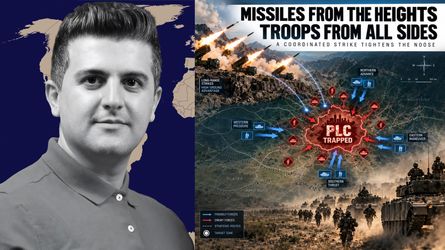
Nima R. Alkhorshid: “Era of Proportional Response Is OVER” – Iran Warns US of ‘Painful’ Strikes
56:25|This interview analyzes escalating geopolitical tensions in West Asia and Eurasia. It highlights Iran's shift to direct ballistic missile attacks on US warships, ending "proportional response" amid US port blockades. Despite US claims, regional coordination keeps oil flowing through the Strait of Hormuz. The discussion explores the recent SCO Summit, where members condemned US-Israeli actions, marking a shift in global alliances. Furthermore, the emerging "Mecca Defense Alliance" (Turkey, Saudi Arabia, Pakistan) reflects a growing desire for regional security autonomy, reducing reliance on the US and countering Israeli leverage. Meanwhile, US attempts to pivot to the Ukraine conflict for domestic political gains face Russia's unwavering demand for a new European security architecture. A deep dive into declining US dominance and multipolar cooperation.