
Latest episode
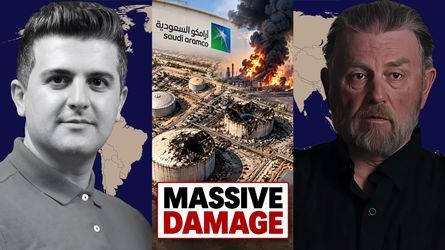
BREAKING: SATELLITE IMAGES REVEAL MASSIVE DAMAGE AT SAUDI ARAMCO - w/ Fmr. CIA Larry Johnson
46:59|In this episode, we analyze the shifting geopolitical landscape of the Middle East. We break down recent Yemeni advances, the vulnerability of Saudi oil facilities, and the failure of US-backed air defenses, exposing the reality of regional alliances.Marking the anniversary of October 7th, we dismantle the disproportionate narratives surrounding Gaza. We highlight the unprecedented scale of destruction, the rhetoric of extermination, and the mainstream media's complicity. Finally, we discuss the historic decline of US influence in the Gulf, the fragility of global energy markets, and the inaction of global powers in halting the ongoing occupation.
More episodes
View all episodes

Patrick Henningsen: BREAKING: Houthis Make Major Gains Around Taizz as Frontline Shifts
01:06:38|We analyze the massive escalation in Yemen as a Saudi-led coalition launches over 100 airstrikes. Despite the bombardment, Ansar Allah forces continue advancing, striking critical Saudi oil infrastructure and disrupting the Red Sea. We explore the broader geopolitical chessboard, revealing how the US and Israel use Gulf states to fund regional proxy wars. The discussion covers the conflict's spillover into the Horn of Africa, including civil wars in Ethiopia and Sudan. We also examine a potential US symbolic military operation in Oman to control the Strait of Hormuz ahead of upcoming elections, and unpack the sectarian information warfare designed to sustain endless conflicts. Tune in for a detailed breakdown of the shifting power dynamics in the Middle East.
Col. Larry Wilkerson: BREAKING: Yemen Launches Air Blockade on Saudi Arabia After Missile Strikes
01:09:43|In this episode, we analyze the escalating conflict in Southwest Asia and the shifting global order. We break down unprecedented Houthi strikes on Saudi infrastructure and their goal of reunifying Yemen. The discussion critiques US foreign policy, highlighting the economic disasters of endless wars, domestic political theater, and the enabling of corrupt regimes. We also examine looming Israel-Iran tensions, including alarming reports of potential nuclear escalation and devastating casualty estimates in Gaza. Finally, we unpack NATO's dangerous nuclear posturing in Eastern Europe, Europe's impending energy crisis, and the threat of a globalizing conflict driven by a desperate administration.
Seyed M. Marandi: BREAKING: Houthis Strike Saudi Airport as Massive Yemen Offensive Expands
54:58|Yemen's Ansarullah forces are advancing rapidly, encircling Taiz and striking Saudi targets including Abha Airport and the East-West Pipeline. Saudi defenses are collapsing despite full Western military backing. Oil flows through the Strait of Hormuz have dropped to ~8M barrels/day as Iran escalates strikes on shipping. Europe faces severe energy shortages this winter. Trump is pressuring allies to release oil reserves before the midterms, but this only deepens Western vulnerability. Iraq's powerful resistance remains largely untapped, and Gulf states are growing increasingly fragile. A deep dive into the shifting balance of power across West Asia.
John Helmer: BREAKING: Lithuania Opens the Door to Nuclear Weapons — Russia Responds
55:33|In this episode, we analyze the latest geopolitical shifts. We break down the Ukraine battlefield, including Russian advances, the air war on Kyiv, and drone warfare dynamics. We also examine Lithuania's controversial vote to lift its ban on hosting nuclear weapons and foreign bases to secure US investment, alongside rising tensions over Kaliningrad. Finally, we unpack the sudden withdrawal of US B-1 bombers from the UK's RAF Fairford base following a suspicious "terrorism" incident. Is this a false flag to escalate tensions with Iran, or a political message to British leadership? Tune in for an in-depth strategic breakdown!
Nima R. Alkhorshid: The Red Sea Fight DEEPENS: U.S. Navy Helicopter Down, Ta'izz Nears COLLAPSE
36:01|In this update on the Yemen conflict, we analyze Ansarullah's rapid military advances against Saudi-backed forces. Despite over 120 US and NATO-facilitated airstrikes, Saudi forces are suffering heavy losses and retreating as Ansarullah utilizes FPV drones and missiles to capture key territories, including the strategic approach to Taiz.We break down the impending fall of Taiz, crippling strikes on Saudi oil pipelines, and the severe energy crisis this triggers for Europe. With Western air defenses depleted, we explore how Yemen's growing control over the Bab al-Mandab strait could spark renewed attacks on US and European shipping, drastically reshaping the Middle East's geopolitical landscape.
BREAKING: HOUTHIS MISSILE STRIKES ON RIYADH AIRPORT, ARAMCO & SAUDI BASES- w/ Fmr. CIA Larry Johnson
54:57|Ansarullah forces are rapidly collapsing Saudi-backed coalition pockets in Yemen, capturing key territories in Taiz and Mocha. Meanwhile, devastating strikes on Saudi oil infrastructure—including the East-West pipeline and Aramco facilities—are triggering a massive global energy crisis. With the Strait of Hormuz disrupted and shipping costs skyrocketing, experts warn of a five-year global fuel shortage. This infrastructure damage is driving severe inflation across diesel, food, and tech sectors. We also examine the shifting US military posture, the sudden withdrawal of B-1 bombers from the UK, and Washington's growing panic over soaring energy prices ahead of the mid-term elections.