Share
Decolonial Dispatch
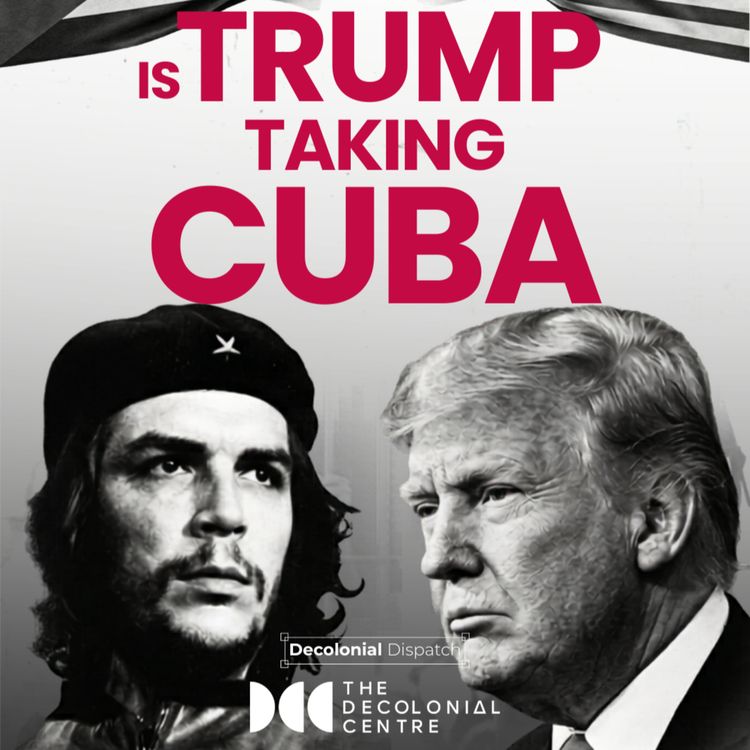
How the U.S. is strangling Cuba
•
It has been 66 years since the U.S. imposed embargo on Cuba. This is the most comprehensive blockade imposed on any country in the world. Cuba is excluded from international financial systems and any trade of goods. The UN general assembly has condemned the blockade more than 33 times. This week's episode of Decolonial Dispatch w/Bernard Regan, Secretary of The Cuba Solidarity Campaign in London. We speak about the blocade, Cuba's wider political history and the country's contemporary political systems. Episode link in bio
More episodes
View all episodes
Embodied Social Change pt.II
26:44|This week on Decolonial Dispatch, we are again speaking to Writer, Embodiment Social Justice Facilitator and Author of Tending Grief, Camille Sapara Barton for a special part 2 and continued conversation on embodied decolonisation. We explore colonialism’s role in eradicating culture, cosmologies and cultural memory; systematic attacks on witchcraft in Europe and the severing of our connection to the land. Find Camille's book "Tending Grief" here: https://tinyurl.com/5ywxs8k6 Tending Grief audiobook: https://tinyurl.com/347xhjjt Resources: Caliban and the Witch by Silvia Federici Finding Albion - Zakkia Sewell Resilience Toolkit offerings & practice groups, led by Lumos Transforms Habit stacking - atomic habits Healing Justice Ldn panel: The Power of Somatics for Collective Transformation Healing Justice Ldn panel: Building Collective Power and Preparing to Govern Subscribe to our newsletter: https://decolonialcentre.org/subscribe/ Contribute to and/or Explore our Encyclopaedia: www.decolonialcentre.org/encyclopedia Follow us for more stories Instagram: @thedecolonialcentre Twitter/X: @decolonialcntr Website: www.decolonialcentre.org
Is Palestine the model for true decolonisation?
33:18|In this week's episode of Decolonial Dispatch, we sit down with Researcher, Activist and Writer, Hamza Hamouchene, author of his new book Towards Palestinian Liberation. Moving beyond mainstream narratives and headlines, this collection of perspectives from scholars and activists worldwide. It offers a deeper understanding of Palestine as a global anti-colonial struggle and part of the interconnectedness of global struggles, whilst examining the role of economic and political interests.Get the book: Towards Palestinian Liberation: Global Perspectives on Anti-Colonial Resistance and SolidarityDaraja Press: https://darajapress.com/publication/towards-palestinian-liberation/Transnational Institute (TNI): https://www.tni.org/en/publication/towards-palestinian-liberationContribute to and/or Explore our Encyclopeadia: www.decolonialcentre.org/encyclopediaFollow us for more stories Instagram: @thedecolonialcentre Twitter/X: @decolonialcntr Website: [www.decolonialcentre.org](https://www.decolonialcentre.org) Subscribe to our newsletter: https://decolonialcentre.org/subscribe/
How UK's Immigration Is used by Billionaires as a Distraction
36:35|Who decides who belongs in Britain? Who pays the price when a government turns hostile toward the people keeping the country running? With Labour proposing to extend migrant settlement routes from 10 years to over 20, families across the UK face a system designed to keep them in permanent precarity. The Windrush scandal, the visa bans on Sudan and Afghanistan, the broken promises to care workers and NHS staff, these are not separate stories. We speak to Nick Beales, the Head of Campaigning from Refugee and Migrant Justice, to understand how the hostile environment was built, why Labour is amplifying it, and what it means for all of us.Contribute to and/or Explore our Encyclopedia: www.decolonialcentre.org/encyclopediaFollow us for more storiesInstagram: @thedecolonialcentreTwitter/X: @decolonialcntrWebsite: www.decolonialcentre.org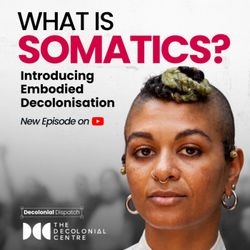
Self Care is an Act of Political Warfare
31:57|We are living in unprecedented times. A time when genocide, daily images of death and trauma are flooding our minds. A time of uncertainty characterised by the state of the world but also our whole environment.This week on Decolonial Dispatch, we speak to Writer, Embodiment Social Justice Facilitator and Author of Tending Grief, Camille Sapara Barton. We explore the concept of embodied decolonisation, a practice centred on repairing the disconnect between our minds, bodies, and the land we inhabit; Somatics and how we need to learn what rest feels like; and practicing emotional hygiene and what it means to not bypass the body’s limitations.The title of this episode is inspired by Audre Lorde quote “Caring for myself is not self-indulgence, it is self-preservation, and that is an act of political warfare.”Subscribe to our newsletter: https://decolonialcentre.org/subscribe/Contribute to and/or Explore our Encyclopaedia: www.decolonialcentre.org/encyclopedia Follow us for more stories Instagram: @thedecolonialcentre Twitter/X: @decolonialcntr Website: www.decolonialcentre.org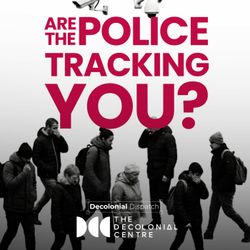
UK's massive facial recognition experiment is happening now
34:20|Who controls the cameras on our streets? Who is harmed from policing by algorithm in a fair society? With the rollout of AI facial recognition technology across the UK, citizens face a massive experiment that treats us like Guinea pigs. Police vans and fixed CCTV cameras are scanning thousands of faces. Cases of misidentification, like that of Shaun Thomson. We speak to Jasleen Chaggar, legal and policy officer at Big Brother Watch, to understand the history of these tools.Contribute to and/or Explore our Encyclopedia: www.decolonialcentre.org/encyclopediaFollow us for more storiesInstagram: @thedecolonialcentreTwitter/X: @decolonialcntrWebsite: www.decolonialcentre.org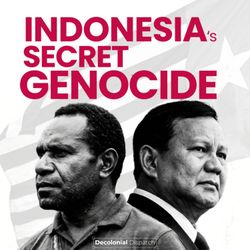
West Papua Genocide Explained
49:31|In this episode of Decolonial Dispatch, host Mohammed speaks with Benny Wenda, leader of the ULMWP and the Provisional Government of West Papua, to discuss the West Papuan struggle against Indonesian occupation. The conversation begins by contextualising the recent Indonesian protests against the ruling elite as a parallel decolonial struggle against a "dying empire". Benny recounts his harrowing personal history, from witnessing the 1977 massacres and surviving in the bush as a child to the deep-seated racism he faced in the Indonesian education system. They explore the "Papuan Spring" following Suharto's collapse, the assassination of independence leaders like Theys Eluay, and how the new generation has utilised technology to bypass censorship and lose their fear. The episode concludes with Benny's "Green State Vision," the intersection of slow genocide with corporate ecocide, and a direct call for a global boycott of products fuelling the destruction of West Papuan land.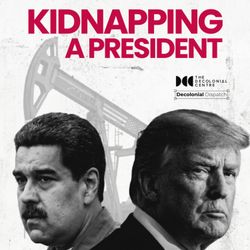
Venezuela, Oil, and the Costs of Empire
01:03:38|Who profits from oil in Venezuela? And who should? With what was once one of the world's most productive oil basins, Venezuela's resource rich landscape made it one of the wealthiest country's in Latin America. But the petrostate has suffered in recent years, becoming a nation in crisis. One in five people have left due to political and economic instability under President Nicolas Maduro and sanctions ordered by Trump. Venezuela has been described as a failed state. But with the US army kidnapping Maduro, and US imperial ambitions, we speak to Global Witness to understand - failed by whom? And for whose benefit?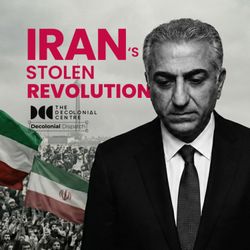
Who to support in Iran?
01:02:30|The collapse of the Iranian Regime doesn't necessarily mean justice. We're trying to find out who on the ground is trying to replace the regime with a vision for all of Iran's peoples that is pro democratic, anti-monarchist, anti-imperialist, and represents the aspirations of Iran's popular forces. Is the Iranian Regime Collapsing? This might be wishful thinking.. But if so, what will replace it?