Share
Crime Time Inc
The Murder of Yvonne Fletcher - John Murray's Story
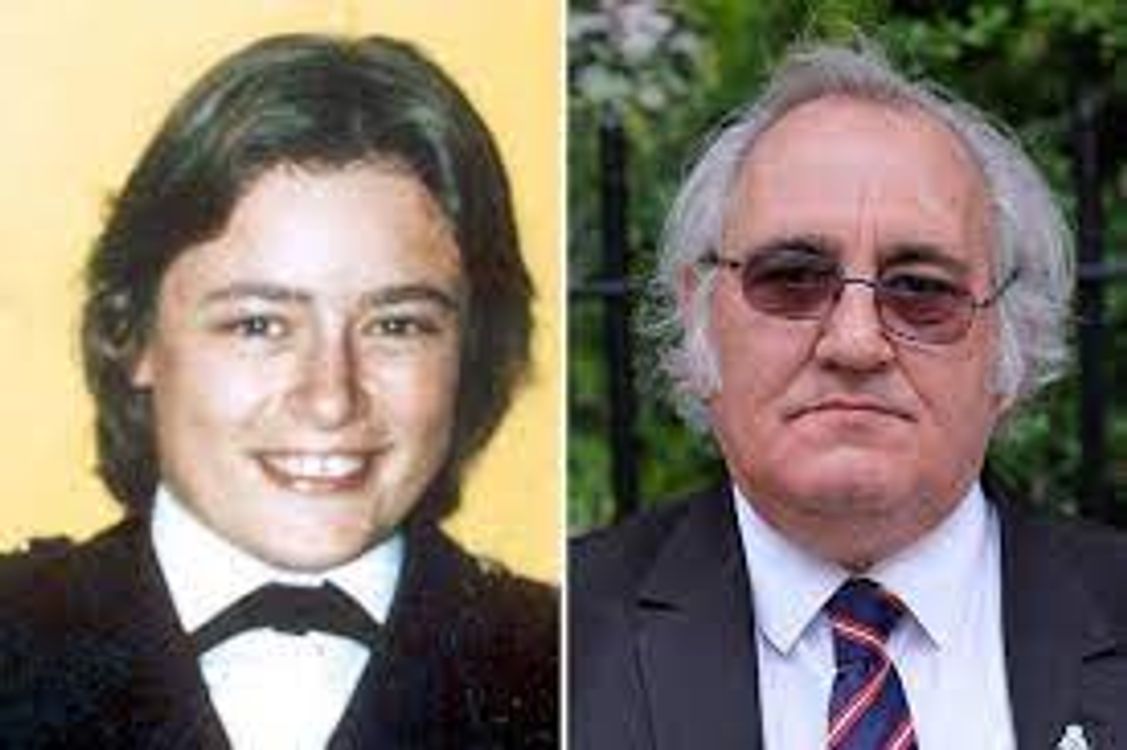
In a compelling episode of Crime Time Inc, hosts Simon and Tom Wood engage in a riveting conversation with John Murray, a key figure in the pursuit of justice for the murder of Yvonne Fletcher. Narrating his 40-year dedication, Murray recounts his pledge made to Yvonne Fletcher, a colleague fatally shot outside the Libyan embassy in London in 1984, to uncover the truth and seek justice. Despite the daunting challenges and apparent lack of support from official avenues, Murray's unwavering commitment led him to initiate a series of actions unparalleled for an individual. His journey took him to Libya and into legal battles in the UK, culminating in a historic civil court victory that marked a significant milestone in this enduring campaign. Beyond seeking accountability, Murray's actions have shone a light on the often-obscure interplay between politics, diplomacy, and justice. His experience also serves as a stark reminder of the profound emotional and psychological toll on those who find themselves at the confluence of such events. The episode not only delves into the details of the Yvonne Fletcher case but also explores the broader implications of government and intelligence actions on individual lives and the quest for truth and justice. Murray's story is a testament to the power of resilience and determination in the face of adversity, making this episode a must-listen for anyone interested in crime, justice, and the indomitable human spirit.
You can buy the book No Ordinary Day by Matt Johnson and John Murray here: No Ordinary Day
You can help the fight for justice for Yvonne here https://www.crowdjustice.com/case/trial-for-the-murderer-of-yvonne-fletcher/
About Crime Time Inc.
Season 5 of Crime Time Inc. broadens its reach across two sides of the Atlantic.
This season features cases from Scotland and across the wider UK — rooted in real investigative experience — alongside deep dives into some of the most infamous murder cases in American history.
Hosted by former detectives Simon and Tom, with experience in both the UK and the United States, including time working alongside the FBI, the show strips away sensationalism to explain how crime and justice really work.
Two crime worlds. One podcast.
New episodes released regularly throughout the season.
Our Website: https://crimetimeinc.com/
If you like this show please leave a review. It really helps us.
Please help us improve our Podcast by completing this survey.
http://bit.ly/crimetimeinc-survey
More episodes
View all episodes

24. Prince Andrew Arrested Over Epstein Links: Arrest vs Detention Explained
49:27||Season 5, Ep. 24Crime Time Inc. is back with a fast-moving news episode that spans royalty, politics, policing procedure, and the darker realities of online crime.We start with breaking headlines reporting that former Prince Andrew has been arrested and taken into police custody. With details still emerging, Simon and Tom focus on what the word “arrest” actually means in practice—how it differs from voluntary attendance, what “not free to go about your business” really looks like, and why arrest does not automatically mean someone will be charged.From there, we turn to Scotland and the Peter Murrell case—where the scale of the allegations, the timing around a looming election, and the release of charge details into the media have ignited a political storm. We explain the Scottish legal process in plain English, including what happens at a pleading diet, what “sub judice” means for reporting, and why perceptions of independence matter when the Lord Advocate is both head of prosecution and part of government.We also zoom out to a chilling wider trend: reports of large volumes of online offences involving children—and the warning signs that some offending is being “normalised” in certain online spaces. Simon and Tom discuss what that means for policing, for parents, and for society.Finally, we cover a major US missing-person/kidnapping case involving Nancy Guthrie, the role of the FBI in kidnapping investigations, and the pros and cons of using large rewards to generate information—when it helps, and when it can muddy the waters.As always: we discuss ongoing cases as allegations and reported developments. Everyone is innocent unless and until proven guilty in court.If you’ve got thoughts—or you think we’ve missed an angle—message us via the website and we’ll share listener feedback in a future episode.What we cover (quick scan):Prince Andrew: arrest vs voluntary attendance vs being arrested during interviewWhat “police custody” really means (and what can happen next)Scotland: Peter Murrell case, media reporting, and election timingSub judice explained (why some details can’t be discussed)Lord Advocate controversy: prosecution independence vs government roleOnline offences involving children: scale, detection, and “normalisation”Nancy Guthrie: FBI role, ransom/reward dynamics, investigative frictionPrince Andrew arrest; misconduct in public office; Jeffrey Epstein UK; Sandringham; police custody explained; sub judice UK; contempt of court; Peter Murrell charges; SNP finances; Lord Advocate Scotland; online child exploitation; National Crime Agency child sexual abuse; Nancy Guthrie missing; Savannah Guthrie mother abducted; FBI kidnapping investigation; reward for information
23. How the Zodiac Killer Murdered Paul Stine and Escaped
01:14:35||Season 5, Ep. 23In Episode 6 of The Zodiac Killer, we return to San Francisco—two weeks after Lake Berryessa—for the case that changed everything: the murder of taxi driver Paul Stine in Presidio Heights on October 11, 1969.This attack was different. Different victim. Different setting. Different risk. Under streetlights, with witnesses watching from across the road, the killer lingered—cutting a piece of Stine’s shirt, wiping the cab, and walking away with eerie calm.We break down the full Presidio Heights timeline, what the Robbins witnesses reported, the police response, and the error that may have helped the Zodiac escape: a broadcast description that sent officers looking for the wrong suspect.We also examine the evidence that made this the most significant Zodiac crime scene: bloody latent fingerprints, the composite sketch, the shirt piece mailed to the San Francisco Chronicle, and the Zodiac’s chilling escalation—threats against schoolchildren and a school bus.Finally, Simon and Tom dig into the investigative angles: patterns, escalation, and what the “gap” before the Zodiac claimed responsibility might suggest.If you’re researching the Zodiac case, this episode is your deep dive into the murder many consider the turning point—and the last confirmed Zodiac killing.00:00 Two Weeks of Silence… Then Zodiac Strikes in San Francisco01:19 Who Was Paul Stine? The Man Behind the Fifth Confirmed Victim02:50 October 11, 1969: A Routine Fare Turns Deadly05:13 Witnesses Across the Street: Shirt Tearing, Wiping Prints, Calm Escape08:16 Police Arrive—And a Radio Description Error Changes Everything12:02 Fouke & Zelms Encounter: Did Zodiac Speak to Police or Walk Past?14:44 Best Evidence Yet: Bloody Fingerprints, Composite Sketch, and a Flood of Tips21:12 Zodiac’s Shirt-Swatch Letter & the School Bus Threat24:54 Aftermath and Meaning: Why Stine Changed the Case (and Why Zodiac Got Away)35:39 Simon & Tom React: Military Links, Fingerprints, and “Triangulation”44:31 Open-Minded Investigations: Bring in Outside Expertise & Test Your Theory46:13 Presidio Heights Patrol Stop: Why Not Talking to the Witness Matters48:29 Mistakes, Blame Culture, and Why Candour Saves Cases50:43 Surveillance Lessons: No Guesswork, Instant Comms, Total Honesty55:00 Control Room & Radio Descriptions: How One Error Warps the Search01:00:18 Forensics and Disclosure: When “No DNA” Becomes the Defense01:02:41 Zodiac’s Escape Route: The Park, the Military Angle, and Policy Files01:08:25 House-to-House Done Right: Dog Walkers, Curtain Twitchers, and Breakthroughs01:13:33 Wrap-Up Banter & Sign-OffYou can buy the books mentioned in the podcast's by clicking the links belowTom's Best Selling Book:Ruxton: The First Modern Murder Paperback EditionRuxton: The First Modern Murder Kindle EditionSimon's Best Selling Book:The Ten Percent Paperback EditionThe Ten Percent Kindle EditionOur Website: https://crimetimeinc.com/If you like this show please leave a review. It really helps us.Please help us improve our Podcast by completing this survey.http://bit.ly/crimetimeinc-survey
22. Steve Wright: Suffolk Strangler, Victoria Hall & the Cold Case Breakthrough
47:33||Season 5, Ep. 22How Suffolk Constabulary secured justice decades later — and what this case reveals about sex worker safety, family liaison, evidence-led policing, and whistleblowers.In this episode of Crime Time Inc., Simon and Tom examine Steve Wright — widely known as the “Suffolk Strangler” (also referred to as the “Ipswich Ripper”) — and the cold case breakthrough that linked him to the 1999 abduction and murder of 17-year-old Victoria Hall.We unpack what made Suffolk Constabulary’s investigation stand out, how advances in forensic science can reopen “closed” history, and why long-term family liaison support can matter for decades, not days.Simon and Tom also explore the realities of policing vulnerable communities, the risks faced by sex workers working on the street, and how systems and legislation can unintentionally increase danger rather than reduce it.The conversation broadens into “policing politics” — when forces get pulled into high-stakes public controversies — and finishes on a practical, real-world discussion of whistleblowers: how to separate genuine warnings from grievance, and why leadership must follow the evidence either way.Listener note: This episode discusses murder and violence against women.Chapters / Timestamps00:00 Crime Time Inc. intro00:44 A pause from Zodiac: back to the Suffolk Strangler case02:42 Suffolk Constabulary’s investigation & long-term family liaison05:18 Broadchurch and what not to do as a family liaison officer07:22 Steve Wright, victims’ families, and the 1999 case08:39 Pattern, geography, and “spree” timelines10:32 Could there be other victims? What a national review would look like12:38 Background, travel, and potential links to other cases13:59 Databases, forensic backstops, and eliminating suspects15:36 Sex work, safety, and where the system increases risk29:10 Policing politics and resource drain41:36 Whistleblowers vs malcontents — how leaders should respond46:30 Evidence, objectivity, and recurring lessons47:10 Closing reflectionsSteve Wright, Suffolk Strangler, Ipswich Ripper, Victoria Hall, Suffolk Constabulary, cold case, DNA evidence, forensic science, family liaison officer, sex worker safety, policing politics, whistleblowers, UK true crime, Crime Time Inc, Simon and Tom In memory of Victoria Hall (17) — murdered in 1999.Anneli Alderton, Paula Clennell, Gemma Adams, Tania Nicol, Annette Nicholls — murdered in the Ipswich area in 2006.You can buy the books mentioned in the podcast's by clicking the links belowTom's Best Selling Book:Ruxton: The First Modern Murder Paperback EditionRuxton: The First Modern Murder Kindle EditionSimon's Best Selling Book:The Ten Percent Paperback EditionThe Ten Percent Kindle EditionOur Website: https://crimetimeinc.com/If you like this show please leave a review. It really helps us.Please help us improve our Podcast by completing this survey.http://bit.ly/crimetimeinc-survey
21. Zodiac Killer: Lake Berryessa Stabbing (Hartnell & Shepard)
01:17:29||Season 5, Ep. 21Two former senior detectives examine the Zodiac Killer’s most disturbing escalation: the Lake Berryessa attack.In broad daylight, the Zodiac abandons the gun, dons a costume, and turns murder into performance. We unpack what this shift reveals about planning, psychology, investigative blind spots in 1969, and why—despite unprecedented evidence—the killer still walked away.We also explore cryptography, Air Force links, witness behaviour, and the uncomfortable reality that the Zodiac wounded more victims than he killed.What we cover (chapter guide)00:00 — Cold open: Episode context; why Lake Berryessa marks a turning point01:10 — The silence before the storm: August 1969 and the lull after the cipher05:30 — Setting the scene: Pacific Union College, Bryan Hartnell, Cecelia Shepard10:15 — Lake Berryessa: daylight, isolation, and opportunity14:40 — Witnesses before the attack: watching, waiting, selecting18:10 — The costume appears: hood, symbol, and psychological theatre22:30 — Control and deception: the escaped-convict story and premeditation26:50 — Knife vs. gun: why this choice matters more than it seems32:20 — The attack: sequence, survival, and what Hartnell could tell police38:10 — Aftermath: the car door message and the call to Napa Sheriff’s Office42:45 — Evidence rarely seen in Zodiac cases: shoe prints, palm print, handwriting47:30 — The Air Force connection: wing-walker boots and cryptography skills53:10 — What 1969 police didn’t have: DNA, databases, behavioural profiling59:40 — Performance vs. panic: what the shaking hands reveal1:04:30 — Victim focus: remembering Cecelia Shepard1:09:20 — Why this case still matters: escalation, audience, and unfinished justice(Timings may vary slightly by platform.)Key takeaways“This wasn’t impulsive.” The costume, bindings, and knife show planning and rehearsal.“Daylight changes everything.” Witness quality improves—but so does offender confidence.“The Zodiac wasn’t trained to kill.” He wounded more victims than he killed, even at close range.“Evidence isn’t the same as answers.” Lake Berryessa produced more physical clues than any prior attack—yet still no suspect.“This was theatre.” The Zodiac needed to be seen, remembered, and talked about.Helpful contextThe Lake Berryessa attack (27 September 1969) is the only confirmed Zodiac assault with surviving victims and a full eyewitness account.It is also the only Zodiac crime involving a costume and a knife, making it critical for behavioural analysis.Listener noteThis episode contains discussion of violent assault and homicide. Listener discretion advised.Call to actionIf you value case-led analysis grounded in real policing experience, follow or subscribe.Share this episode with someone who thinks the Zodiac was “just a cipher and some letters.”You can buy the books mentioned in the podcast's by clicking the links belowTom's Best Selling Book:Ruxton: The First Modern Murder Paperback EditionRuxton: The First Modern Murder Kindle EditionSimon's Best Selling Book:The Ten Percent Paperback EditionThe Ten Percent Kindle EditionOur Website: https://crimetimeinc.com/If you like this show please leave a review. It really helps us.Please help us improve our Podcast by completing this survey.http://bit.ly/crimetimeinc-survey
20. Epstein Files Fallout in the UK: Mandelson, Starmer, Vetting Failures — and the Victims We Forget
47:09||Season 5, Ep. 20Two former senior detectives unpack the latest Epstein-files political shockwaves and what they reveal about power, vetting, and institutional judgement—before turning the spotlight back where it belongs: trafficking, coercion, and the victims who get sidelined.We also dig into jury decisions in protest cases, the realities of policing resources, and why the $100 bill may be the ultimate “quiet” enabler of illicit finance.What we cover (chapter guide)00:00 — Cold open: Tom & Simon catch up; “what’s happening in the UK?”00:26 — Epstein files & UK fallout: why this story is detonating now, and what the controversy says about leadership judgement03:12 — Politics vs. priorities: why scandal crowds out wars, crises, and policy04:04 — “He was vetted” (really?): what enhanced/positive vetting should look like (ex-police perspective)06:38 — The “useful rogue” problem: why institutions sometimes gamble on ruthless operators09:22 — The human cost: why trafficking stories get buried beneath political theatre12:48 — Spotting exploitation in plain sight: why awareness training can matter (and where it can fall short)13:59 — Sex work realities: poverty, coercion, stigma, and the gap between politics and lived experience21:14 — Case reference: the Sheila Anderson murder (Edinburgh, 1983) and what it changed in policing25:52 — Resources & reality: why money, kit, and trained people decide what gets solved35:48 — Protest trials & juries: when verdicts collide with public mood—and the risks of perceived “justice failure”44:59 — The $100 bill mystery: why printing more high-denomination notes raises uncomfortable questionsKey takeaways “An email is forever”: digital records outlive reputations—and institutions ignore that at their peril.“Vetting isn’t a tick-box”: real vetting corroborates, triangulates, and verifies—especially for elite appointments.“Scandal coverage is easy; victim coverage is hard”: the media default often erases survivors from the frame.Helpful context Recent reporting describes major political controversy in the UK tied to Epstein-related document releases and questions around Mandelson’s links and appointment vetting, with ongoing scrutiny and investigation coverage.Listener note This episode discusses sexual abuse, exploitation, trafficking, and violence. Listener discretion advised.Call to action If you value victim-focused coverage and real policing insight, follow/subscribe and share this episode with someone who only sees the headlines.The Tragic Case of Sheila Anderson Part 1Season 1, Ep. 27February 25, 2024Part 2Season 1 Ep 28March 3, 2024
19. The Zodiac Killer's Game: Decoding His Infamous Cipher
01:04:21||Season 5, Ep. 19What Two Former Detectives See in the Zodiac’s Letters!On August 1, 1969, three Northern California newspapers received mysterious letters that would transform a local murder investigation into a national obsession. The letters connected two previous attacks in the Vallejo area and introduced the Zodiac killer, providing specific details only the murderer could know, along with a threatening cipher. Upon publication, the cipher was decoded by a high school teacher and his wife, revealing the killer's chilling manifesto. This episode recounts the early crimes and the intense public and police scrutiny that followed, setting the stage for the Zodiac's reign of terror.00:00 A Normal Morning in San Francisco00:49 The Zodiac Killer's First Letters00:53 Revisiting the Murders02:01 The Chilling Phone Call02:51 Families in Limbo04:12 A Summer of Fear04:53 The Killer's Letters Arrive05:49 The Zodiac's Confession07:33 The Enigmatic Cipher11:54 The Newspapers' Dilemma15:35 Chief Stiltz's Challenge17:12 The Zodiac's Response22:47 The Hardens Crack the Code26:19 The Chilling Message30:37 The Aftermath and Debate33:45 Remembering the Victims36:08 The Zodiac's Legacy37:20 Next Episode Teaser
18. Inside ICE: When Immigration Raids Lead to Tragedy
35:48||Season 5, Ep. 18Crime Time Inc: Controversial Cases and Listener FeedbackGood afternoon, and welcome to Crime Time Inc., the hub of intriguing and controversial true crime discussions! In this episode, hosts Tom and Simon address recent feedback from listeners across the globe, with a keen focus on a contentious shooting incident in Minneapolis. They dive into the nuances of ICE operations, discussing the cultural differences between American and Scottish law enforcement perspectives. This episode also touches on the politicization of immigration, the controversies surrounding sanctuary cities, and how international policies impact local enforcement. With lively debate, thoughtful listener letters, and a balance of serious analysis and light-hearted banter, Tom and Simon unpack the layers of crime and law enforcement from both sides of the pond. Tune in to explore ongoing unsolved mysteries, criminal psychology, and some of history's most shocking crimes.00:00 Welcome to Crime Time International01:14 Discussing Listener Feedback02:35 Reading Listener's Letter08:03 Analyzing the Minneapolis Incident15:19 Debating Law Enforcement and Immigration Policies21:03 Federal vs. Local Law Enforcement Dynamics21:25 The Importance of Cooperation in Law Enforcement22:00 Accountability and Inquiry in Law Enforcement22:14 Broader Implications of Protests and Public Debate22:53 The Role of the United States in Global Politics23:25 Political Reactions to Critical Incidents23:58 A Brutal Murder Case and Its Implications24:26 Layers of Investigation in Murder Cases26:19 Cultural Differences and Misinterpretations26:36 The Glasgow Stabbing Case28:46 Feedback and Reflections on Policing30:04 Corporal Punishment Debate31:03 Listener Feedback and International Reach33:59 Greenland Anecdote and Credible Evidence35:44 Conclusion and Farewell
17. Two-Tier Policing: Potential Perils and Promises
45:37||Season 5, Ep. 17Reforming the Police: A Discussion on Crime Time Inc.In this compelling episode of Crime Time Inc., hosts Simon and Tom engage in an insightful conversation about the current state of policing in the UK and the USA, addressing recent reforms and their implications. They dive deep into the significance of effective investigative techniques and the lessons learned from infamous cases like Rockton and the World’s End Murders. The discussion shifts to the controversial formation of a new national police force in England and Wales, drawing parallels with Scotland's Police Scotland and the FBI's structure in the USA. Tom's extensive experience, combined with his personal anecdotes, brings fascinating perspectives on crime investigation, the role of sergeants, and the potential pitfalls of a two-tier police system. They touch on the interconnectedness of all parts of the criminal justice system, the dangers of political interference, and reflect on the broader implications for law enforcement practices globally. Tune in to explore the intriguing intersections of criminal psychology, unsolved mysteries, and the continuous evolution of policing methods.00:00 Introduction and Greetings00:03 Discussing Crime Time Inc. Success00:29 Book Review and Crossover01:02 Tom's Books and Investigative Techniques02:53 UK's New National Police Force04:08 Understanding the FBI's Role06:12 Police Reforms in England and Wales09:15 Challenges and Concerns with Reforms11:00 Two-Tier Police System Issues21:33 Lessons from International Police Restructuring23:32 Reflecting on Police Experience and Reform24:41 The Importance of Community Policing25:14 Challenges in the Criminal Justice System26:35 Failures in Policing and Training27:46 The Role of Sergeants in Policing29:54 Issues with Federal Forces and Jurisdiction32:15 Recruitment and Training Concerns41:53 The Impact of Facial Recognition Technology44:50 Concluding Thoughts and Anecdotes
16. Jack the Ripper, Fred West and more.
40:20||Season 5, Ep. 16Today's episode from the archives presents a lively conversation between Simon and Tom, covering various crime cases and their historical and forensic significance. They discuss recent personal updates, including Tom’s hoarse voice from a walking football match. The main topics include notable criminal cases like Rodney Alcala, the 'Dating Game Killer,' and his impact on forensic science and social media exploitation. Another focus is on the infamous John Christie and the wrongful execution of Timothy Evans, highlighting the importance of corroborating evidence in legal cases. Attention is also given to the atrocities of Fred and Rosemary West with insights into the challenges of identifying missing persons. They delve into the historical impact of Jack the Ripper on media and public perceptions of serial killers, and Dennis Nilsen's gruesome practices. The dialogue underscores the importance of forensic evidence in solving crimes and ensuring justice.