Share
Coffee House Shots
The black hole myth & the brain drain conundrum
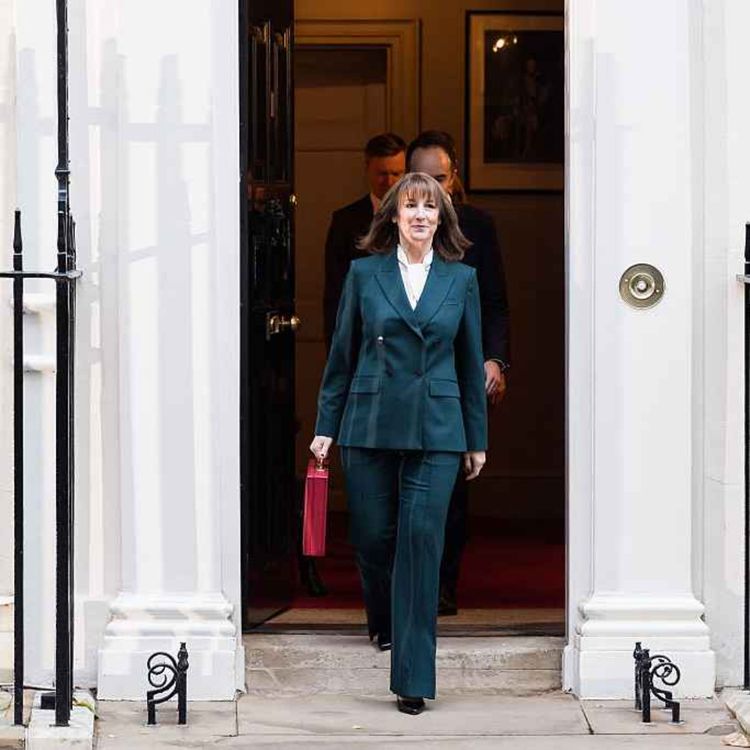
With Budget week finally at an end, certain mysteries remain. Chief among them is why the Chancellor decided to give an emergency speech preparing the public for a rise in income tax.
On 4 November, Rachel Reeves summoned journalists to Downing Street early in the morning to warn that ‘the productivity performance we inherited is weaker than previously thought’. She then refused to rule out hiking income tax rates – sending a clear signal to markets that rises were coming. Nine days later, however, the Treasury let it be known via the FT that income tax increases would not be needed after all. When the gilt market reacted badly – assuming Reeves had abandoned fiscal tightening – Bloomberg was quickly briefed that the U-turn was due to a more favourable picture from the Office for Budget Responsibility (OBR) watchdog.
Now that the dust has settled, however, the facts don’t support any of this. For starters, despite Reeves’s comments about the weak ‘productivity performance’, there was no productivity-related black hole to plug. It wasn’t that the downgrade to productivity growth was milder than expected – in fact it was severe, amounting to £16 billion. But this was more than offset by a £31 billion increase in expected tax receipts, driven by persistent inflation pushing up wages and making the economy more ‘tax rich’. The result: no black hole at all. Before her Budget measures were included – the benefits U-turns and spending increases – Reeves was actually sitting on a £4 billion surplus against her fiscal rules. She didn’t technically need to do anything.
To discuss the black hole mystery, Megan McElroy is joined by Tim Shipman and Michael Simmons. They also cover new data on the UK's brain drain, and assess whether the figures should be a cause for concern.
This episode is brought to you by Raymond James. Combining deep insights into who you are with our financial expertise, that’s the power of personal. Investment involves risk.
Become a Spectator subscriber today to access this podcast without adverts. Go to spectator.co.uk/adfree to find out more.
For more Spectator podcasts, go to spectator.co.uk/podcasts.
Contact us: podcast@spectator.co.uk
More episodes
View all episodes

Tom Tugendhat: 'China is a bigger threat than Russia'
30:49|In this special edition of Coffee House Shots, Tim Shipman is joined by shadow foreign secretary Tom Tugendhat to discuss Britain's place in an increasingly dangerous world. Why does he believe China poses a greater long-term threat than Russia? Has the government lost sight of Britain's national interests? And why, despite voting Remain in 2016, would he now refuse to vote to rejoin the EU? They also discuss the future of NATO, the war in Ukraine, the European Convention on Human Rights and Britain's relationship with Donald Trump's America.
An honest conversation about sex and gender | with Tonia Antoniazzi
25:48|Labour MP Tonia Antoniazzi joins Noa Hoffman for a frank conversation about sex, gender and the challenges facing Parliament. She explains why she believes the government's proposed conversion therapy ban should be scrapped, reflects on the fight to protect women's rights and discusses the dangers of online pornography and exploitation on OnlyFans. Plus, her reaction to the Russell Brand scandal – and whether politicians on the left turned a blind eye to his behaviour.Produced by Henry Lloyd.
Burnham’s small politics – can it last?
14:27|The morning after celebrating ten years of Coffee House Shots, Oscar Edmondson is joined by Michael Simmons and Noa Hoffman to go through today's surprisingly good growth figures, and also what more has emerged from Alan Milburn’s review of young people and work before it is published next week.Produced by Henry Lloyd.
Brand's conviction should make Westminster think
19:22|After this week's exchange between Andy Burnham and Kemi Badenoch at PMQs, Noa Hoffman is joined by Isabel Hardman and Tim Shipman to digest what happened, and how Russell Brand's conviction should give Westminster pause for thought.Produced by Henry Lloyd.
Kemi’s welfare crackdown
11:58|Kemi Badenoch has today set out plans to slash £36 billion from the welfare bill, as the Conservatives seek to get ahead of the government’s much-anticipated welfare review. But are the Tories offering anything new? And can Andy Burnham succeed where Labour has previously struggled to deliver meaningful reform?Oscar Edmondson is joined by James Heale and Michael Simmons to discuss the political challenges of welfare reform, whether there is any hope of cross-party consensus, and what to expect from Alan Milburn’s upcoming report.Plus: with COP31 underway in Türkiye, is Burnham quietly retreating from Labour’s green ambitions?Produced by Oscar Edmondson and Abigail Brierley.
Labour’s EU reset is a ‘deeply incoherent mess’
19:35|The government is gearing up for another EU reset, but does Burnham know what he wants from Brussels? And has Lisa Nandy's Remembrance Sunday blunder exposed divisions within the Cabinet over closer ties with Europe?Tim Shipman and James Heale discuss the upcoming EU summit, the potential economic benefits of closer alignment and whether Labour is prepared for the political battle ahead. What concessions will Brussels demand? And could Burnham be repeating Theresa May's Brexit mistakes?Plus: Nigel Farage lays a wreath at the Cenotaph for the first time, as Reform UK unveils its new defence spokesman and attempts to show a different side of its leader.Produced by Oscar Edmondson & Abigail Brierley.
'We need to get real' – Claire Ainsley on Starmer, Burnham and Labour’s future
36:27|Labour has a new leader, but does Andy Burnham have a plan to give voters back control?In this episode of Coffee House Shots, Noa Hoffman speaks to Claire Ainsley, Keir Starmer’s former director of policy, about her new book, Control: How We Lost It and How to Take It Back. They discuss whether Burnham’s government is doing enough to address immigration and welfare, why Ainsley is sceptical about reopening the Brexit debate, and how Britain can get ahead of the AI revolution. Plus: Ainsley reflects on Starmer’s downfall, the challenges facing the new Prime Minister and whether Labour can keep Reform at bay.Produced by Abigail Brierley.
Why does everyone hate inheritance tax? | Dan Neidle
20:12|This episode was originally posted on our Reality Check channel. To watch, head over to our YouTube Inheritance tax is one of Britain's most unpopular taxes – but is it really as unfair as people think? Our Economics Editor Michael Simmons speak to tax expert Dan Neidle about why inheritance tax inspires such hostility, who really ends up paying it, and whether it needs reforming.With the Conservatives proposing to abolish inheritance tax on family homes, Dan explains why the policy could have unintended consequences for the housing market, why the wealthiest can often avoid the tax altogether, and how the current system disproportionately affects the upper middle class.
Kim Darroch: ‘Trump was conned by Netanyahu’ over Iran
18:16|Donald Trump’s midterm defeat has thrown fresh uncertainty over the future of his presidency – and his foreign policy.On today’s Coffee House Shots, Tim Shipman speaks to Lord Kim Darroch, former British ambassador to Washington, about what happens next. With JD Vance already positioning himself for 2028, could the MAGA movement be starting to fracture? And how much damage has Trump’s approach to Iran done to his standing at home?They also discuss whether Andy Burnham can turn the crisis into an opportunity for Britain, who might succeed Trump in the White House, and why a deal to end the war in Ukraine still looks a long way off.Produced by Abigail Brierley.