Share

Light Up The Couch
AI and the Future of Therapy: Opportunities, Limits, and Staying Human, Ep. 265
Ep. 265
•
Kelly Higdon, LMFT, and Miranda Palmer, LMFT, review the growing use of artificial intelligence in psychotherapy and explore both its potential advantages and important ethical and practical limitations for clinical care. Presentation.
This episode has been proudly sponsored by AutoNotes, an AI-powered clinical workspace helping therapists save time on documentation while supporting ethical, HIPAA-aligned care. To celebrate the episode, AutoNotes is offering Clearly Clinical listeners 50% off any plan with code CLEARLY50. Visit autonotes.ai to learn more.
Earn CE credit for listening to this episode by joining our low-cost membership for unlimited podcast CE credits for an entire year, with some of the strongest CE approvals in the country (APA, NBCC, ASWB, and more). Learn, grow, and shine with Clearly Clinical Continuing Ed by visiting https://ClearlyClinical.com.
Earn CE credit for listening to this episode by joining our low-cost membership for unlimited podcast CE credits for an entire year, with some of the strongest CE approvals in the country (APA, NBCC, ASWB, and more). Learn, grow, and shine with Clearly Clinical Continuing Ed by visiting https://ClearlyClinical.com.
More episodes
View all episodes

273. Psycho-Oncology: Supporting Mental Health Across the Cancer Journey, Ep. 273
01:03:49||Ep. 273Boris Kisilev, MD, explores how cancer diagnosis, treatment, and survivorship can affect patients and the people who care for them. He offers practical guidance for addressing anxiety, grief, trauma, treatment-related mental health symptoms, caregiver stress, fear of recurrence, and the need for coordinated, multidisciplinary support. Interview with Elizabeth Irias, LMFT.
272. When Cognition Changes: Supporting Clients with Cognitive Impairment and Dementia, Ep 272
01:01:35||Ep. 272Teepa Snow, MS, OTR/L, FAOTA, explores how cognitive impairment and dementia can show up in clinical work. She offers practical guidance for adapting communication, supporting caregivers, preserving dignity, and expanding care when clients need more support. Interview with Elizabeth Irias, LMFT.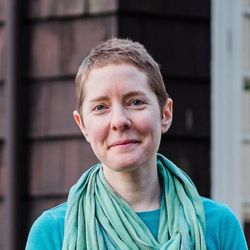
271. Supervising with Cultural Humility: Feedback, Ethics, and Clinical Growth (Ep. 271)
01:00:50||Ep. 271Dr. Julia Macaronis explores ethical, culturally responsive supervision practices, offering concrete strategies for addressing power, positionality, feedback, gatekeeping, and cultural humility in support of safer learning environments and supervisee growth. Presentation.
270. When Work Stops Working: Helping Clients Navigate Mental Health Leave, Ep. 270
01:01:33||Ep. 270Dr. Londyn Miller, LMFT, examines mental health leave in the workplace, helping clinicians identify how occupational stressors, systemic influences, and functional impairment converge, while providing practical strategies to support assessment, stabilization, and return-to-work planning. Presentation. Earn CE credit for listening to this episode by joining our low-cost membership for unlimited podcast CE credits for an entire year, with some of the strongest CE approvals in the country (APA, NBCC, ASWB, and more). Learn, grow, and shine with Clearly Clinical Continuing Ed by visiting https://ClearlyClinical.com.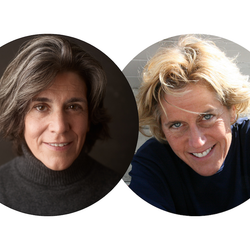
269. Motivational Interviewing Today: Adapting to Context and Complexity, Ep. 269
01:00:51||Ep. 269Dr. Kristin Dempsey, LMFT, LPCC, and Ali Hall, Juris Doctor, explore how motivational interviewing evolves in real-world practice, helping clinicians move beyond core skills to navigate context, systemic influences, and the complexities of change, while applying a flexible, process-oriented approach that supports engagement, autonomy, and meaningful progress. Presentation. Earn CE credit for listening to this episode by joining our low-cost membership for unlimited podcast CE credits for an entire year, with some of the strongest CE approvals in the country (APA, NBCC, ASWB, and more). Learn, grow, and shine with Clearly Clinical Continuing Ed by visiting https://ClearlyClinical.com.
268. Beyond the Label: Reframing Borderline Personality Disorder Through a Trauma-Informed Lens, Ep. 268
01:00:55||Ep. 268Dr. Nancy Grechko explores how stigma, trauma, and emotion dysregulation shape borderline personality disorder, helping clinicians reconsider diagnostic assumptions, recognize internalized and overlooked presentations, and apply a trauma-informed lens to support more accurate, compassionate care. Presentation. Earn CE credit for listening to this episode by joining our low-cost membership for unlimited podcast CE credits for an entire year, with some of the strongest CE approvals in the country (APA, NBCC, ASWB, and more). Learn, grow, and shine with Clearly Clinical Continuing Ed by visiting https://ClearlyClinical.com.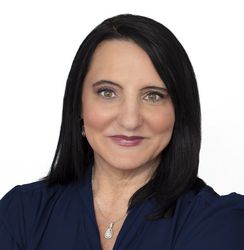
267. Before the Meltdown: Recognizing and Responding to Early Signs of Nervous System Overload in Children, Ep. 267
01:01:01||Ep. 267Dr. Roseann Capanna-Hodge explores how early nervous system dysregulation shows up in children, helping clinicians recognize signs of overload or shutdown and apply a regulation-first lens to support stabilization and engagement. Presentation. Earn CE credit for listening to this episode by joining our low-cost membership for unlimited podcast CE credits for an entire year, with some of the strongest CE approvals in the country (APA, NBCC, ASWB, and more). Learn, grow, and shine with Clearly Clinical Continuing Ed by visiting https://ClearlyClinical.com.
266. The Body Before the Behavior: How the Vestibular System Shapes Emotion and Self-Regulation, Ep. 266
01:00:48||Ep. 266Robin Abbott, OT, explores how the vestibular system shapes emotion, attention, and behavior, helping clinicians recognize when dysregulation may be sensory-based and apply a body-based lens to support regulation. Presentation. Earn CE credit for listening to this episode by joining our low-cost membership for unlimited podcast CE credits for an entire year, with some of the strongest CE approvals in the country (APA, NBCC, ASWB, and more). Learn, grow, and shine with Clearly Clinical Continuing Ed by visiting https://ClearlyClinical.com.