Share
Security Clearance Careers Podcast
Human Judgment in a Machine-Speed World
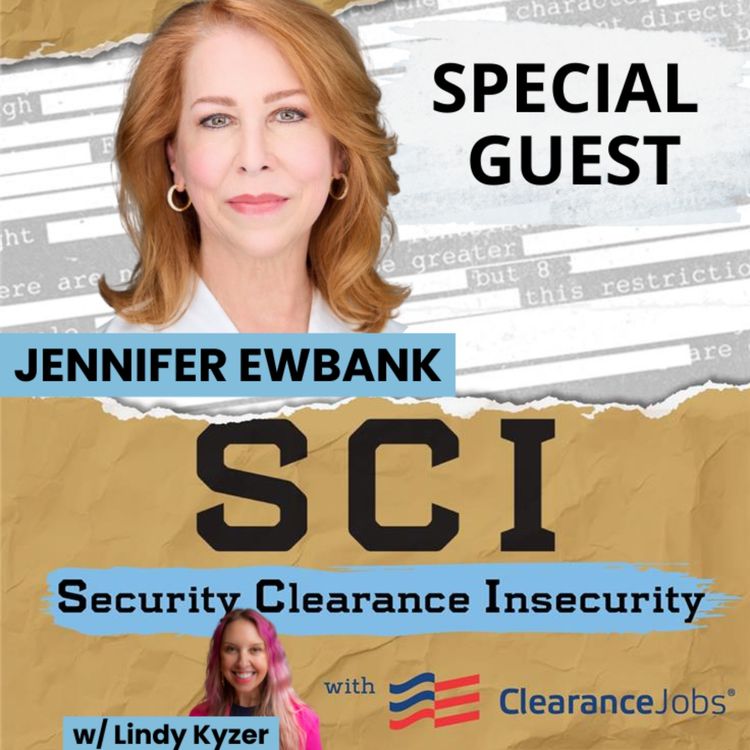
Artificial intelligence is rapidly reshaping national security missions—but real AI readiness goes far beyond adopting new tools.
On this episode of Security Clearance Insecurity, host Lindy Kyzer is joined by Jennifer Ewbank, former Deputy Director of the CIA for Digital Innovation, for a deep dive into what it truly means for the federal government to be AI-ready.
Together, they explore why AI readiness must start with mission readiness, not technology procurement; why digital literacy is no longer optional for the federal workforce; and how human judgment, accountability, and ethical decision-making become even more critical in an AI-enabled environment. The conversation also examines the growing overlap between AI and cybersecurity, the cultural and bureaucratic barriers slowing adoption, and the risks government faces if it fails to adapt.
This episode offers practical insight for clearance holders, hiring leaders, policymakers, and technologists navigating the realities of AI, governance, and workforce transformation in national security.
More episodes
View all episodes
More Than Just a Top 100 List: Defense Innovation Difference Makers
22:38|Success can be measured in a lot of ways—titles, accomplishments, awards, or years of experience. But making a difference is something bigger. It’s about the impact you leave on the people, organizations, and communities around you.That idea is at the heart of the Difference Maker Top 100, a list created by Trish to recognize individuals whose work and leadership are creating meaningful change.In a recent conversation with Trish, we went behind the scenes of the Difference Maker Top 100 to learn why she created the list, what makes someone a true difference maker, and why taking the time to recognize impactful people matters.
Military to the C-Suite: Leadership, Tech, and the Future of NatSec Hiring
27:45|While our audience knows ClearanceJobs, they may not know the person behind DHI Group (parent company of ClearanceJobs and Dice.com). Art Zeile, CEO, has had an incredible career—from serving in the Air Force to building multiple technology companies and now leading DHI. We sat down with Art for a wide-ranging discussion about the experiences that shaped his career, the lessons he carried forward from military service, his early exposure to the Pentagon, the realities of building technology companies, and what he sees ahead for the national security hiring market.
How to Get a Cleared Recruiter on the Phone
20:08|Sometimes, getting a recruiter on the phone isn't about luck. It's about making it easy for them to see you're the right candidate to call. Tune in to this episode where Director of People Operations, Jessica Reynolds, shares insider tips about a recruiter's day to day and how to best get them on the phone.
10 ChatGPT Prompts Every Job Seeker Should Bookmark
15:37|If you've ever stared at a blank screen wondering how to update your resume, write a cover letter, or prepare for an interview, you're not alone. ChatGPT can help eliminate the blank-page effect and speed up your job search—as long as you're using it as a starting point, not a substitute for your own experience.Here are 10 prompts to help you work smarter throughout your job search.
Unemployed? Side Hustles That Can Help You Stay Afloat Between Cleared Jobs
22:57|Side hustles can be a lifeline when you're between contracts—but for cleared professionals, choosing the right one matters. Whether your contract ended unexpectedly or you're waiting for your next opportunity, earning extra income doesn't have to put your security clearance or future career at risk.The good news? Having a side hustle isn't a red flag. In fact, many cleared professionals take on temporary work while searching for their next role. The key is ensuring your work is legal, doesn't create a conflict of interest, and is properly reported when required. As always, be honest about outside employment during the security clearance process and report all taxable income.
Want a Career in National Security? Here's the Degree Employers Are Looking For
27:13|Interested in a career in cybersecurity, AI, data science, or national security? In this episode of ClearedCast, we sit down with Meagan Zinnert, Program Coordinator for the Department of Information Systems at the University of Maryland, Baltimore County (UMBC), to discuss how today's students are preparing for tomorrow's mission-critical careers.We cover:The difference between information systems, computer science, and cybersecurityWhy information systems professionals are critical to national security missionsThe technical and soft skills employers are looking for todayAI's impact on higher education and the future workforceInternships, career pathways, and opportunities in the cleared industryHow UMBC is adapting its curriculum to keep pace with emerging technologiesWhether you're a student exploring career options, a professional considering graduate school, or an employer interested in the future cleared workforce, this conversation offers valuable insights into where technology—and national security hiring—is headed.🔗 Learn more about UMBC's Information Systems programs: https://informationsystems.umbc.edu/
The New Rules of Suitability: What OPM’s Vetting Changes Mean for Your Career
27:08|The federal personnel vetting landscape is evolving—and understanding the changes has never been more important. In this episode of Security Clearance in Security, host Lindy Kyzer is joined by former OPM suitability expert Bill Pedersen to unpack the biggest updates to federal suitability regulations, Trusted Workforce 2.0, and continuous vetting.They explain how OPM’s reforms are creating greater consistency across agencies, what post-appointment suitability actions mean for federal employees, how new reporting capabilities could improve government-wide visibility, and why understanding your position designation has become increasingly important. Whether you’re a federal employee, contractor, facility security officer, or security clearance holder, this conversation breaks down complex policy changes into practical insights you can use to better navigate today’s personnel vetting environment.
Best Practices for Filling Out the SF-86
09:53|Ask for more time. There is generally flexibility on that first due date. Investigate yourself! Pull your credit report. Check your social media. Corroborate your own information. Tune in to this episode of Security Clearance Insecurity where Elisabeth and Lindy talk about tips for filling out the SF-86.
The Birth of a Nation and 250 Years of Keeping America's Secrets
22:30|As America celebrates its 250th birthday, it's a fitting time to look back at how we've protected the nation's most valuable asset: information.Long before security clearances, SCIFs, and cyber defense, there were trusted patriots carrying handwritten messages, writing in invisible ink, and operating spy rings behind enemy lines. George Washington understood that intelligence could be just as powerful as military force, relying on networks like the Culper Spy Ring to gather critical information during the Revolutionary War.On this episode of the Security Clearance Careers Podcast, Jill Hamilton, Director of Content at ClearanceJobs, joins us to explore 250 years of keeping secrets—from the birth of American intelligence to the future of AI, quantum computing, and the next generation of national security careers. As we celebrate America's past, we'll also look ahead at what the next 250 years of protecting the mission may hold.A Brief History of the U.S. Personnel Security Program