Share

Checks and Balance from The Economist
Trailer: Boss Class Season 3
AI is changing how we work. It's turning us all into managers. Be a good one.
The Economist’s management columnist, Andrew Palmer, takes on the bots in the third season of Boss Class. From cloning to coding, agents to entry-level jobs, he tackles the threat head on and figures out how to turn anxiety into opportunity. Along the way he meets bulls and bears and the people who can help you to master management in the age of AI.
Full Season 3 out 29th January 2026.
To listen to the full series, subscribe to Economist Podcasts+.
https://subscribenow.economist.com/podcasts-plus
If you’re already a subscriber to The Economist, you have full access to all our shows as part of your subscription. For more information about how to access Economist Podcasts+, please visit our FAQs page or watch our video explaining how to link your account.
More episodes
View all episodes

The growing divide between America and Israel
41:12|The relationship between America and Israel has always been close, but seldom easy. Even before the joint attacks on Iran, many Americans were souring on the alliance. Could the war do lasting damage to the US-Israeli bond?Guests and hosts:Jon Fasman, senior culture correspondent, former Washington correspondentJames Bennet, Lexington columnistRebecca Jackson, US correspondentAnshel Pfeffer, Israel correspondentTopics covered:Divides over Israel within the Democratic and Republican partiesBinyamin Netanyahu’s influence on AmericaThe view from IsraelTranscripts of our podcasts are available via economist.com/podcastsListen to what matters most, from global politics and business to science and technology—subscribe to Economist Podcasts+ For more information about how to access Economist Podcasts+, please visit our FAQs page or watch our video explaining how to link your account.
The Iran war and the American economy
51:15|As a net exporter of energy America should be better placed to weather an oil shock than most. But the Iran war comes at a time when consumer confidence is already languishing at record lows. How will the war affect America’s economy, and Americans’ perception of it? Guests and hosts:Charlotte Howard, New York bureau chief and executive editorJames Bennet, Lexington columnistArchie Hall, US economics editorJoshua Blank, Research Director of the Texas Politics ProjectAjay Rajadhyaksha, Global Chairman of Research at Barclays,Topics covered:American petro-statesHow energy crises hurt incumbentsThe wider US economyTranscripts of our podcasts are available via economist.com/podcastsListen to what matters most, from global politics and business to science and technology—subscribe to Economist Podcasts+ For more information about how to access Economist Podcasts+, please visit our FAQs page or watch our video explaining how to link your account.
The politics of the Iran war
48:08|There’s often a rally-round-the-flag effect when a president takes a country to war. But not for Donald Trump: his approval rating is stalling at near 40%. That’s almost identical to the percentage of Americans who support the attacks on Iran. What are the political consequences of the war? Guests and hosts:Charlotte Howard, New York bureau chief and executive editorJames Bennet, Lexington columnistRobert Guest, deputy editorSam Beal, Washington correspondentAdam Smith, Democratic congressmanTopics covered:MAGA support for the warWhy Iran is less popular than previous conflictsHow Democrats should respondTranscripts of our podcasts are available via economist.com/podcastsListen to what matters most, from global politics and business to science and technology—subscribe to Economist Podcasts+ For more information about how to access Economist Podcasts+, please visit our FAQs page or watch our video explaining how to link your account.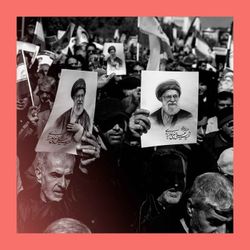
What is America’s strategy in Iran?
49:36|America and Israel are dominating their war with Iran. It’s a stunning operational success, but strategically the picture is more mixed. Although Ayatollah Ali Khamenei is dead, the regime remains; conflict has spread beyond Iran’s borders and Americans, mostly, aren’t on board. Does Donald Trump have a plan? And what would a US victory look like? Guests and hosts:Charlotte Howard, New York bureau chief and executive editorJames Bennet, Lexington columnistJon Fasman, senior culture correspondent, former Washington correspondentEd Carr, deputy editorRobert Malley, former US Special Envoy for IranTopics covered:The progress of the warDonald Trump’s history with IranThe response at home and abroadTranscripts of our podcasts are available via economist.com/podcastsListen to what matters most, from global politics and business to science and technology—subscribe to Economist Podcasts+ For more information about how to access Economist Podcasts+, please visit our FAQs page or watch our video explaining how to link your account.
Donald Trump readies for war, again
45:25|The isolationist-in-chief has sent two aircraft carriers to waters near Iran. The moves may intimidate Iranian leadership to make concessions on its nuclear program. But is there a diplomatic off ramp? Trump hasn’t told America his goals; are he and the country ready for another war? Guests and hosts:Charlotte Howard, New York bureau chief, host of ‘Checks and Balance”James Bennet, Lexington columnistJon Fasman, senior culture correspondent, former Washington correspondentShashank Joshi, defence editor Gregg Carlstrom, Middle East correspondentTopics covered:America’s military buildup near IranIran nuclear deal 12 day Israel-Iran warTranscripts of our podcasts are available via economist.com/podcastsListen to what matters most, from global politics and business to science and technology—subscribe to Economist Podcasts+ For more information about how to access Economist Podcasts+, please visit our FAQs page or watch our video explaining how to link your account.
319. Why Congress just isn’t any fun
45:34||Ep. 319America’s legislature is ineffective, and unsatisfying for the people serving in it. A record number of lawmakers will leave and never return at the end of this term. Congressional leadership has taken over the writing of bills. And fundraising consumes the rank and file’s time. So who still wants the job? And what can make Congress effective again?Guests and hosts: Jon Fasman, senior culture correspondent, former Washington correspondentJames Bennet, Lexington columnist, co-host of Checks and BalanceSamuel Beal, Washington correspondentPaul Begala, former adviser to President Bill ClintonTopics covered: CongressTax Reform Act of 1986Political polarisationTranscripts of our podcasts are available via economist.com/podcastsListen to what matters most, from global politics and business to science and technology—subscribe to Economist Podcasts+ For more information about how to access Economist Podcasts+, please visit our FAQs page or watch our video explaining how to link your account.
318. MAHA’s first annual checkup
45:11||Ep. 318Health Secretary Robert F. Kennedy Jr. has been in office for one year. He’s introduced a double-dose of scientific skepticism, but has he made America healthy again? He promised in his confirmation hearing to do just that. What’s the long term prognosis for trust in American health institutions?Guests and hosts: Charlotte Howard, New York bureau chief, co-host of Checks and BalanceJames Bennet, Lexington columnist, co-host of Checks and BalanceStevie Hertz, US policy correspondentLarry Levitt, executive vice president KFFDaniella Raz, US correspondent Topics covered: What’s changed in RFK’s first yearRising insurance premiums and vaccine skepticismThe political effect of RFK’s health policiesTranscripts of our podcasts are available via economist.com/podcastsListen to what matters most, from global politics and business to science and technology—subscribe to Economist Podcasts+ For more information about how to access Economist Podcasts+, please visit our FAQs page or watch our video explaining how to link your account.
317. All in: America bets on prediction markets
48:28||Ep. 317Americans will bet upwards of an estimated $2 billion on the Super Bowl. It’s the biggest betting day of the year, but since the Supreme Court authorised sports betting in 2018, Americans have taken to gambling year round. And now, on prediction markets, they’re wagering on politics too.Charlotte Howard hosts with James Bennet and Dan RosenheckTranscripts of our podcasts are available via economist.com/podcastsListen to what matters most, from global politics and business to science and technology—subscribe to Economist Podcasts+ For more information about how to access Economist Podcasts+, please visit our FAQs page or watch our video explaining how to link your account.
316. Blocks of ICE: the fallout from Trump’s deportation agenda
47:28||Ep. 316The White House has shaken up its immigration ranks in Minnesota. But whatever the outcome there, ICE has become a gargantuan operation that operates with scant oversight (not unlike the FBI long ago). We ask how the events in Minneapolis have shifted popular perception of the administration’s agenda, and whether other branches of government might at last act to constrain it.Charlotte Howard hosts with Steve Coll and James Bennet.Transcripts of our podcasts are available via economist.com/podcastsListen to what matters most, from global politics and business to science and technology—subscribe to Economist Podcasts+ For more information about how to access Economist Podcasts+, please visit our FAQs page or watch our video explaining how to link your account.