Share

The Business Leader Podcast with Sir Richard Harpin
The Turnaround episode 1 - First bold steps
What does it take to turn around an organisation? Take it from struggling to thriving? Rock bottom to the top? The Turnaround will tell the stories of the organisations and people who have done just this.
In series one, we look to the world of sport and the remarkable story of how a small rugby team in Devon went from amateurs to English and European champions. That team is Exeter Chiefs.
You will hear from the management, coaches, players and those who were watching it as it happened. You will hear about the ambition that launched the turnaround, the false starts it suffered, and how, just when they thought they had made it, they realised they still had so much to learn.
This is the first episode of our five-part series. To listen to the rest of the series, subscribe to The Turnaround feed.
Business Leader is a membership community for ambitious CEOs and founders of mid-sized UK companies, designed to help them grow with purpose through strategic support, peer-to-peer learning, expert coaching, and high-impact events. Sign up for our Business Leader newsletter here.
More episodes
View all episodes
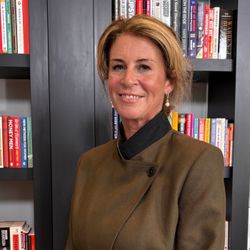
How Helen Cannon turned a crisis into a £70M business opportunity
42:09|Helen Cannon had five children and wanted a sixth. Instead, she decided her next baby would be a company. In 2013 she founded ISON Travel and built a corporate travel management company from scratch that now turns over around £70 million. Sir Richard Harpin talks to Cannon about bootstrapping ISON Travel without ever taking on external funding. When Covid grounded the travel industry and competitors cut back, she chose to hire and expand. Revenue grew from around £4 million in 2020 to £32 million by 2022. Cannon explains how she has scaled internationally through India, the Philippines, Dubai and a US acquisition. She covers how she builds culture across a fully remote team, why 70% of her staff are women and a quarter are over 55, how to deal with imposter syndrome and why every entrepreneur should be "10% braver." She also speaks openly about leading the business after the death of her husband, who was also a key member of the management team, and about her push towards a £100 million revenue goal. This episode is for founders, CEOs and female entrepreneurs who want to scale a business, lead while raising a family, and turn a crisis into an opportunity.Subscribe to the Business Leader Podcast for weekly entrepreneur stories from founders and CEOs who’ve built and scaled great businesses. Join the Business Leader community for coaching, peer to peer forums and exclusive learning events. Sign up to our free weekly newsletter at businessleader.co.uk/newsletters.
Simon Mellin built Modern Milkman to £50m - then nearly ran out of cash
42:40|Simon Mellin, founder and CEO of Modern Milkman, grew up working in his dad's butcher's shop in Colne, rural Lancashire. By trying to move the business online, he was shocked to find just how disconnected food supply chains had become across the UK. In 2018, inspired by Blue Planet, he bought a real, working milk round for £2,000 to find out why the dairy industry was dying – and what could be done to save it. From that cart, he has delivered Modern Milkman: a returnable-packaging grocery delivery business that has since raised tens of millions in funding, expanded into five US states, and is aiming for its first full year of profit. In this episode, Mellin tells Sir Richard Harpin about his experience as the modern milkman, as well as the strange coincidence that led him to merge with a US rival – and what he got wrong trying to run it 'the UK way'. Plus, his frank advice for founders: If you don’t try you don’t know, just get on with it!Subscribe to the Business Leader Podcast for weekly entrepreneur stories from founders and CEOs who’ve built and scaled great businesses. Join the Business Leader community for coaching, peer to peer forums and exclusive learning events. Sign up to our free weekly newsletter at businessleader.co.uk/newsletters.
700% in one year: How Kate Prince built Ancient + Brave into a £54m brand
52:17|Kate Prince, founder and CEO of Ancient + Brave, walked away from a career as a lawyer, including years spent drafting contracts for Big Brother, to build one of the UK's fastest-growing wellness brands. Her collagen and supplements are now stocked in Selfridges, Harrods, online and in over 20 countries worldwide. In one twelve-month period, the business grew from £1 million to £10 million in revenue, and last year it surpassed £54 million. Now, Prince has her sights set on £100 million within two years. Prince talks to Sir Richard Harpin about building a brand from nothing, bootstrapping before securing outside investment, scaling fast without losing control, finding communities of female founders and never losing sight of the company’s mission, purpose, principles and value system.Subscribe to the Business Leader Podcast for weekly entrepreneur stories from founders and CEOs who’ve built and scaled great businesses. Join the Business Leader community for coaching, peer to peer forums and exclusive learning events. Sign up to our free weekly newsletter at businessleader.co.uk/newsletters.
"Never let a good crisis go to waste": Trustpilot CEO on AI, trust and scale
41:41|Adrian Blair talks to Sir Richard Harpin about taking over from Trustpilot's founder in 2023 and how discipline turned a loss-making EBITDA position into a business now targeting 30% margins by 2030. Drawing on lessons from Just Eat and running Dext as a non-founder CEO, Blair reflects on what it takes to succeed a founder — respecting their ambition while building on the culture they left behind. He explains how Trustpilot has become one of the biggest beneficiaries of the AI search era and why "genuine human feedback" has become essential to AI answer-engine strategies. Blair also lives by the mantra "never let a good crisis go to waste": he rebuilt confidence after a short-seller report wiped 30% off the share price in a single day, and he shares his hiring philosophy for senior teams — including why you should always meet a candidate in person before hiring them.Subscribe to the Business Leader Podcast for weekly entrepreneur stories from founders and CEOs who’ve built and scaled great businesses. Join the Business Leader community for coaching, peer to peer forums and exclusive learning events. Sign up to our free weekly newsletter at businessleader.co.uk/newsletters.
Eric Ries: Lean Startup author on why every founder needs to be Incorruptible
01:02:33|Eric Ries, author of the bestselling The Lean Startup which sold over 2 million copies, joins Sir Richard Harpin to discuss his new book Incorruptible. Fifteen years after redefining entrepreneurship with concepts like the MVP and the pivot, Ries turns his attention to a different threat: what he calls "financial gravity" - the corporate governance norms and regulatory standards that can erode a founder's integrity and long-term vision even after early success. They discuss why pivoting is a change in strategy without a change in vision, how founders like Costco's Jim Sinegal built "governance fortresses" to protect long-term thinking, and why Ries founded the Long-Term Stock Exchange to reward companies that resist short-term pressure. Ries shares advice on when startups should take investment, the benefits of employee ownership and explains how trust is the most valuable asset that an organization can have. Also, his tips on how to harness AI in a better way that allows the human and the AI to be much closer to collaborators than to delegators.Subscribe to the Business Leader Podcast for weekly entrepreneur stories from founders and CEOs who’ve built and scaled great businesses. Join the Business Leader community for coaching, peer to peer forums and exclusive learning events. Sign up to our free weekly newsletter at businessleader.co.uk/newsletters.
She raised £6.5mn then everything changed - Sharmadean Reid MBE | Part 2
34:21|In the second part of our interview with Sharmadean Reid MBE, we chart the rise and fall of beauty tech platform Beautystack, what it really takes to secure venture capital investment, and the launch of her latest venture – luxury bathing brand 39BC. Reid tells Sir Richard Harpin how she "collects people" and turns her network into her greatest business asset, why she swears by a paid business coach, and what she wishes she'd done differently at Beautystack. She also makes the case for storytelling as the single most important skill any entrepreneur can have — and explains why failing to document your playbook could be the most expensive mistake you ever make.Subscribe to the Business Leader Podcast for weekly entrepreneur stories from founders and CEOs who’ve built and scaled great businesses. Join the Business Leader community for coaching, peer to peer forums and exclusive learning events. Sign up to our free weekly newsletter at businessleader.co.uk/newsletters.
From £5 an hour to £1000 a day: How Sharmadean Reid MBE built her career | Part 1
40:38|Sharmadean Reid MBE started working as a hotel chambermaid in Wolverhampton when she was 14 years old, before learning the lingo of business while waiting tables at the business Rotary Club of the hotel. Her career has been driven by the 'two wolves' inside of her – artistic and business. Reid has spent twenty years at the intersection of beauty, technology and women's empowerment. With a real talent for spotting trends, she founded a cult nail salon in Dalston called WAH Nails, before creating the tech platform Beautystack, a women's business community The Stack World, and most recently the luxury bathing brand 39BC.In the first part of the interview with Sir Richard Harpin, she talks about what it takes to build a business from scratch, learning to ask for anything and overcoming fear of “no” as well as learning to “never split the difference”. She also shares her views on why aren’t there more successful female entrepreneurs in the UK and how domestic cognitive load can lead to burnout. Stay tuned for part two, next week.Subscribe to the Business Leader Podcast for weekly entrepreneur stories from founders and CEOs who’ve built and scaled great businesses. Join the Business Leader community for coaching, peer to peer forums and exclusive learning events. Sign up to our free weekly newsletter at businessleader.co.uk/newsletters.
PizzaExpress CEO: "You Need To Obsess About Your Product"
50:16|When Paula MacKenzie took over as CEO in 2022, PizzaExpress had been through seven CEOs in eleven years, a billion-pound debt restructuring, 73 restaurant closures, and a pandemic that decimated the casual dining sector. Four years on, she has refurbished three quarters of the estate, grown a loyalty app to four million members, and is targeting 1,000 restaurants worldwide by 2030. In this episode, Sir Richard Harpin, the host of the Business Leader podcast, delves into the numbers, the decisions, and the leadership thinking behind the business turnaround — including why profits fell even as revenue rose, what a refurbishment actually does to a restaurant's economics, and how MacKenzie is expanding PizzaExpress into new formats and new markets.They also cover her career journey — from Ernst & Young auditor to Diageo, GSK, Innocent Drinks and eleven years at KFC — what it takes to go cross-functional and make yourself the obvious CEO candidate, and the leadership lessons she has taken from four years running one of Britain's most scrutinised businesses. And, her advice to the new Chancellor of the Exchequer.In this episode:What PizzaExpress actually looked like when MacKenzie walked in — and the one thing the business needed mostWhy she changed much of the leadership team in her first months, and what a CEO transition coach told her before she even startedHow the loyalty app grew to four million membersThe refurbishment programme — and why underinvested restaurants are delivering 5–10% revenue upliftsThe 1,000 restaurant target — and the new formats, franchise markets and US ambitions behind itHer four-stage playbook for any new CEO: arrive, assimilate, articulate, accelerateWhy she believes you cannot overcommunicate — and how she mystery shops her own restaurantsSubscribe to the Business Leader Podcast for weekly entrepreneur stories from founders and CEOs who’ve built and scaled great businesses. Join the Business Leader community for coaching, peer to peer forums and exclusive learning events. Sign up to our free weekly newsletter at businessleader.co.uk/newsletters.
How Quooker UK Built a £100m business out of hot water taps
43:54|Sir Richard Harpin talks to Stephen Johnson, Managing Director of Quooker UK & Ireland, about how to scale a business to a £100m turnover without sacrificing culture. Stephen Johnson spent 26 years in his father's fitted furniture and kitchen business, Neville Johnson, then couldn't get hired anywhere else. Rejected by employer after employer who saw no value in "just working for your father," he eventually talked Quooker's Dutch owners into a six-month trial. With a hire car and 40 taps, he sold 999 hot water taps in his first year and that was the start of Quooker in the UK. Now he’s running a business with 750,000 customers, Johnson tells Sir Richard how he grew the business from his home office to £100m turnover, and why he's employed a full-time psychologist and a Premier League performance coach along the way. Also, the rationale behind his mantra of doing better than yesterday.Subscribe to the Business Leader Podcast for weekly entrepreneur stories from founders and CEOs who’ve built and scaled great businesses. Join the Business Leader community for coaching, peer to peer forums and exclusive learning events. Sign up to our free weekly newsletter at businessleader.co.uk/newsletters.