Latest episode
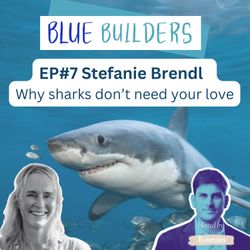
7. Stefanie Brendl - Why sharks don't need your love
47:51||Season 2, Ep. 7🎙️ 𝗘𝗽𝗶𝘀𝗼𝗱𝗲 #𝟳 𝗼𝗳 𝗕𝗹𝘂𝗲 𝗕𝘂𝗶𝗹𝗱𝗲𝗿𝘀 𝗢𝘂𝘁 𝗡𝗼𝘄! 🦈💙 Sharks don't need your love. They need your vote.For those who know me, my lifelong passion for the ocean and for sharks in particular can sometimes be let's say... overwhelming😊. So, this conversation with Stefanie Brendl meant a lot to me. In this episode, she walks us through how Shark Allies pioneered a trade-based approach to shark conservation, starting with the landmark Hawaii shark fin trade ban in 2010 and sparking a global wave of legislation that followed.We discussed:✅ What it feels like to be surrounded by tiger sharks in the open ocean✅ How the image of sharks in the media has evolved although protection still lags behind✅ Why blaming Asian demand is just the tip of the iceberg with the whole world supplying shark fins and pointing fingers at China✅ Why the EU still permits shark fin trade in 2026 and supplies 40% of the Asian demand and what Shark Allies do about it🗣️ ""The whole world is happily supplying shark fins and then pointing at Asia saying, 'You guys are the bad guys.'"A huge thank you to Stefanie for joining us and for fighting every single day for stronger shark protection worldwide. This episode was special. 👉 The fight isn't over. More than 1.1 million citizens signed #StopFinningEU — add your voice: https://stop-finning-eu.org/#BlueBuilders #SharkConservation #MarineConservation #OceanPolicy #SharkAllies #BlueEconomy #ImpactEntrepreneurship #Conservation #OceanSolutions #Biodiversity #SocialEnterprise📖 Further reading: https://news.mongabay.com/2025/06/what-sharks-are-worth-and-why-that-matters/
More episodes
View all episodes
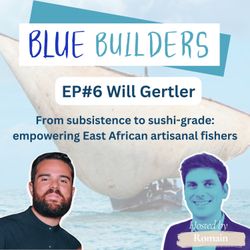
6. Will Gertler - From subsistence to sushi-grade: empowering East African artisanal fishers.
44:33||Season 2, Ep. 6🎙️ 𝗘𝗽𝗶𝘀𝗼𝗱𝗲 #𝟲 𝗼𝗳 𝗕𝗹𝘂𝗲 𝗕𝘂𝗶𝗹𝗱𝗲𝗿𝘀 𝗢𝘂𝘁 𝗡𝗼𝘄! 🐟💙𝗙𝗿𝗼𝗺 𝘀𝘂𝗯𝘀𝗶𝘀𝘁𝗲𝗻𝗰𝗲 𝘁𝗼 𝘀𝘂𝘀𝗵𝗶-𝗴𝗿𝗮𝗱𝗲: 𝗲𝗺𝗽𝗼𝘄𝗲𝗿𝗶𝗻𝗴 𝗘𝗮𝘀𝘁 𝗔𝗳𝗿𝗶𝗰𝗮𝗻 𝗳𝗶𝘀𝗵𝗲𝗿𝘀.I really loved our last conversation with Will Gertler, CEO of Kumbatia Seafood. Will and his team are striving to demonstrate that market-based conservation solutions can actually work in the field. In Blue Builders' last episode, Will explains in detail how he built Kumbatia Seafood training artisanal fishers and connecting them to international premium markets to boost their revenue while improving the sustainability of their fishing practices.𝗪𝗲 𝗱𝗶𝘀𝗰𝘂𝘀𝘀𝗲𝗱:✅ Why traditional conservation models can sometimes fail fishing communities and how financial incentives can change the game✅ The challenge of building an entire value chain from scratch in Kenyan remote coastal areas: from off-grid cold storage to FDA-certified processing✅ Finding the subtle balance between profitability and impact measurement as an impact venture✅ What is at stake in the Western Indian Ocean in terms of industrial fishing🗣️ "𝘐𝘧 𝘺𝘰𝘶 𝘧𝘪𝘴𝘩 𝘸𝘪𝘵𝘩 𝘒𝘶𝘮𝘣𝘢𝘵𝘪𝘢, 𝘸𝘦 𝘸𝘪𝘭𝘭 𝘢𝘴𝘬 𝘺𝘰𝘶 𝘵𝘰 𝘧𝘪𝘴𝘩 𝘳𝘦𝘴𝘱𝘰𝘯𝘴𝘪𝘣𝘭𝘺, 𝘣𝘶𝘵 𝘺𝘰𝘶'𝘭𝘭 𝘣𝘦 𝘳𝘦𝘸𝘢𝘳𝘥𝘦𝘥 𝘧𝘪𝘯𝘢𝘯𝘤𝘪𝘢𝘭𝘭𝘺 𝘧𝘰𝘳 𝘥𝘰𝘪𝘯𝘨 𝘴o."With 60% of coastal Kenya living in poverty, marine conservation often comes at the expense of economic livelihoods. But what if access to premium markets could drive both income growth AND marine ecosystem recovery?#BlueBuilders #MarketBasedConservation #SustainableSeafood #ArtisanalFisheries #BlueEconomy #ImpactEntrepreneurship #MarineConservation #EastAfrica #SocialEnterprise #OceanSolutions #CommunityEmpowerment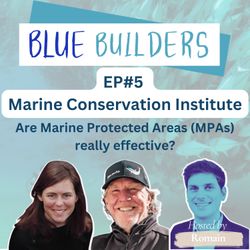
5. Marine Conservation Institute - Are marine protected areas really effective?
42:45||Season 2, Ep. 5🎙️ 𝗘𝗽𝗶𝘀𝗼𝗱𝗲 #𝟱 𝗼𝗳 𝗕𝗹𝘂𝗲 𝗕𝘂𝗶𝗹𝗱𝗲𝗿𝘀 𝗢𝘂𝘁 𝗡𝗼𝘄! 🌱💙At UNOC3 back in June, momentum toward protecting marine ecosystems gained ground with global marine protected area coverage rising from 8% to 10% as countries like Tanzania, Colombia, or French Polynesia announced new MPAs. But as these numbers grow, a fundamental question emerges: how effective are Marine Protected Areas in actually protecting our oceans?We're addressing this concern head-on with this 5th episode of Blue Builders in which we speak with Lance Morgan (President) and Sarah O. Hameed (Director of Blue Parks) from the Marine Conservation Institute who have been advocates for effective marine protection from the early days. 𝗪𝗲 𝗻𝗼𝘁𝗮𝗯𝗹𝘆 𝗱𝗶𝘃𝗲 𝗶𝗻𝘁𝗼:✅ The gap between political announcements and ocean reality - why governments love MPAs that don't actually protect✅ Why reaching 30% ocean protection by 2030 requires authentic community-led engagement✅ The Cabo Pulmo transformation - how community leadership turned a depleted ecosystem into one with 400% biomass increase ✅ My 7-year-old burning question: did Lance really see the Titanic during his submarine missions in the deep? Lance and Sarah's 30 years of experience shows that when MPAs are designed with local leadership, they don't just preserve biodiversity - they enhance fishing opportunities outside park boundaries and create sustainable livelihoods. Marine Conservation Institute is recognized worldwide for its 𝗕𝗹𝘂𝗲 𝗣𝗮𝗿𝗸𝘀 𝗔𝘄𝗮𝗿𝗱𝘀 (recognizing the MPAs worldwide that truly work) and for their 𝗠𝗮𝗿𝗶𝗻𝗲 𝗣𝗿𝗼𝘁𝗲𝗰𝘁𝗶𝗼𝗻 𝗔𝘁𝗹𝗮𝘀 a fantastic tool tracking MPA effectiveness globally. https://mpatlas.org/mpaguide/🗣️ “𝘞𝘦 𝘩𝘢𝘷𝘦 𝘵𝘰 𝘴𝘵𝘰𝘱 𝘵𝘩𝘪𝘯𝘬𝘪𝘯𝘨 𝘰𝘧 𝘮𝘢𝘳𝘪𝘯𝘦 𝘱𝘳𝘰𝘵𝘦𝘤𝘵𝘦𝘥 𝘢𝘳𝘦𝘢𝘴 𝘴𝘰𝘭𝘦𝘭𝘺 𝘢𝘴 𝘢 𝘸𝘢𝘺 𝘵𝘰 𝘱𝘳𝘦𝘷𝘦𝘯𝘵 𝘧𝘪𝘴𝘩𝘪𝘯𝘨, 𝘣𝘶𝘵 𝘢𝘭𝘴𝘰 𝘢𝘴 𝘢 𝘸𝘢𝘺 𝘵𝘰 𝘦𝘯𝘩𝘢𝘯𝘤𝘦 𝘧𝘪𝘴𝘩𝘪𝘯𝘨.” #NatureBuilders #BlueBuilders #MarineConservation #OceanProtection #BlueParks #CommunityConservation #30by30 #MarineConservationInstitute #SustainableOceans #ConservationLeadership
4. Brian Tsuyoshi Takeda - Beyond Blue Carbon: the true value of ocean restoration
45:46||Season 2, Ep. 4🌍 𝗪𝗲'𝗿𝗲 𝗲𝘅𝗰𝗶𝘁𝗲𝗱 𝘁𝗼 𝗯𝗲 𝗮𝘁𝘁𝗲𝗻𝗱𝗶𝗻𝗴 𝗨𝗡𝗢𝗖𝟯 – 𝘁𝗵𝗲 𝗨𝗡 𝗢𝗰𝗲𝗮𝗻 𝗖𝗼𝗻𝗳𝗲𝗿𝗲𝗻𝗰𝗲 𝘁𝗵𝗮𝘁 𝗶𝘀 𝗸𝗶𝗰𝗸𝗶𝗻𝗴 𝗼𝗳𝗳 𝗶𝗻 𝗮 𝗳𝗲𝘄 𝗱𝗮𝘆𝘀 𝗶𝗻 𝗡𝗶𝗰𝗲! 🌊As global attention turns to the health of our oceans and the urgent need for marine restoration, at Nature Builders Podcasts we’re continuing to spotlight the innovators driving change.🎙️ 𝗘𝗽𝗶𝘀𝗼𝗱𝗲 #𝟰 𝗼𝗳 𝗕𝗹𝘂𝗲 𝗕𝘂𝗶𝗹𝗱𝗲𝗿𝘀 𝗢𝘂𝘁 𝗡𝗼𝘄! 🌱💙In this new episode of the Blue Builders Podcast, we sit down with Brian Tsuyoshi Takeda, founder of Urchinomics, CEO at Restorae, and Secretary of the Japan Blue Economy Association to explore kelp forests and how Japan is leading the way with state-backed blue carbon credit systems.🗣️ “𝘞𝘦 𝘥𝘰𝘯'𝘵 𝘵𝘩𝘪𝘯𝘬 𝘢𝘣𝘰𝘶𝘵 𝘬𝘦𝘭𝘱 𝘧𝘰𝘳𝘦𝘴𝘵𝘴 𝘵𝘰𝘰 𝘮𝘶𝘤𝘩 𝘣𝘦𝘤𝘢𝘶𝘴𝘦 𝘪𝘵 𝘥𝘰𝘦𝘴𝘯'𝘵 𝘩𝘢𝘷𝘦 𝘵𝘩𝘦 𝘣𝘦𝘢𝘶𝘵𝘪𝘧𝘶𝘭, 𝘤𝘰𝘭𝘰𝘳𝘧𝘶𝘭 𝘪𝘮𝘢𝘨𝘦𝘴 𝘰𝘧 𝘤𝘰𝘳𝘢𝘭 𝘳𝘦𝘦𝘧𝘴... 𝘪𝘵'𝘴 𝘣𝘳𝘰𝘸𝘯 𝘢𝘯𝘥 𝘥𝘢𝘳𝘬 𝘢𝘯𝘥 𝘴𝘭𝘪𝘮𝘺, 𝘴𝘰 𝘪𝘵 𝘥𝘰𝘦𝘴𝘯'𝘵 𝘪𝘯𝘴𝘱𝘪𝘳𝘦 𝘦𝘹𝘤𝘪𝘵𝘦𝘮𝘦𝘯𝘵. 𝘉𝘶𝘵 𝘪𝘵'𝘴 𝘢𝘤𝘵𝘶𝘢𝘭𝘭𝘺 𝘵𝘩𝘦 𝘵𝘳𝘶𝘦 𝘸𝘰𝘳𝘬𝘩𝘰𝘳𝘴𝘦 𝘰𝘧 𝘰𝘶𝘳 𝘤𝘰𝘢𝘴𝘵𝘢𝘭 𝘦𝘤𝘰𝘴𝘺𝘴𝘵𝘦𝘮𝘴.”𝗪𝗲 𝗻𝗼𝘁𝗮𝗯𝗹𝘆 𝗱𝗶𝘀𝗰𝘂𝘀𝘀𝗲𝗱:✅ What exactly kelp is and why it plays such a big role in marine biodiversity✅ Why we should stop talking about blue carbon credits and consider natural capital instead✅ How seaweeds are moving from an emerging to a mature solution in carbon markets✅ How come blue natural capital credits are trading at $600 a ton (vs $30 for terrestrial)✅ What’s next for the market as a whole with K-credits and the EU restoration law📩 Always happy to hear your thoughts — feedback and questions welcome.#UNOC3 #BlueCarbon #MarineRestoration #CarbonCredits #JapanBlueEconomy #SeaweedRestoration #BlueEconomy #OceanConservation #ClimateAction #Sustainability #BlueBuilders #MarineConservation #CarbonMarkets #Podcast
3. Markus Knigge - Blue Action Fund from global pledges to local actions
47:15||Season 2, Ep. 3🌊🐠🌍In this new episode of the Blue Builders Podcast, I sit down with Markus Knigge, who shares his insights from years of working in conservation funding and project implementation across multiple continents.This conversation explores the delicate balance between challenges and hope in environmental conservation work - from witnessing climate change impacts firsthand to seeing the transformative power of well-directed funding and strong partnerships.We notably discussed:✅ How global ocean commitments translate to real action on the ground✅ Why funding only works with the right local partners to drive change✅ What actually makes Marine Protected Areas effective, not just lines on a map✅ Key expectations for the upcoming UN Ocean Conference in France✅ Honest assessment of which local conservation successes can truly scaleMarkus's perspective on viewing conservation like a chess board - where every organization is just one piece in a larger strategy - offers a compelling framework for
2. Alex de Caters - insect proteins in 2025: an effective tool for marine conservation?
41:09||Season 2, Ep. 2🌊 𝗘𝗽𝗶𝘀𝗼𝗱𝗲 #𝟮 𝗼𝗳 𝗕𝗹𝘂𝗲 𝗕𝘂𝗶𝗹𝗱𝗲𝗿𝘀 𝗢𝘂𝘁 𝗡𝗼𝘄! 🐛🐟“𝘛𝘩𝘦 𝘪𝘯𝘴𝘦𝘤𝘵 𝘱𝘳𝘰𝘵𝘦𝘪𝘯 𝘪𝘯𝘥𝘶𝘴𝘵𝘳𝘺 𝘪𝘴 𝘩𝘦𝘳𝘦 𝘵𝘰 𝘴𝘵𝘢𝘺 𝘣𝘶𝘵 𝘵𝘩𝘦 𝘯𝘢𝘮𝘦 𝘰𝘧 𝘵𝘩𝘦 𝘨𝘢𝘮𝘦 𝘪𝘴 𝘤𝘰𝘴𝘵 𝘦𝘧𝘧𝘪𝘤𝘪𝘦𝘯𝘤𝘺”In this new episode of the Blue Builders by Nature Builders Podcasts, I sit down with Alex de Caters, co-founder of Entobel, alongside Gaetan Crielaard. Based in Vietnam, Entobel is developing insect protein as a sustainable alternative for aquaculture feed.𝗧𝗵𝗶𝘀 𝗰𝗼𝗻𝘃𝗲𝗿𝘀𝗮𝘁𝗶𝗼𝗻 𝗰𝗼𝗺𝗲𝘀 𝗮𝘁 𝗮 𝘁𝗶𝗺𝗲 𝗼𝗳 𝘀𝘁𝗿𝗼𝗻𝗴 𝘁𝘂𝗿𝗯𝘂𝗹𝗲𝗻𝗰𝗲 𝗳𝗼𝗿 𝘁𝗵𝗲 𝘀𝗲𝗰𝘁𝗼𝗿, with several major players facing financial difficulties and some questioning the viability of insect protein altogether. Against that backdrop, we took a step back to explore the bigger picture, the challenges of the aquaculture industry and Entobel’s long game.𝗪𝗲 𝗻𝗼𝘁𝗮𝗯𝗹y 𝗱𝗶𝘀𝗰𝘂𝘀𝘀𝗲𝗱: ✅ The link between aquaculture, fishmeal, and marine biodiversity loss✅ How insects like the black soldier fly can reduce pressure on wild fish stocks✅ The complexity of scaling a bioconversion company from lab to industry✅ The ups and downs of building Entobel from scratch in Vietnam✅ Why cost efficiency is now make-or-break for the insect protein sectorAlex’s journey is one of resilience, iteration, and long-term vision, a great example of what it means to be a Blue Builder.
1. Tom Hickey - Advancing Coastal Wetlands Conservation
38:50||Season 2, Ep. 1In this first episode of Blue Builders, we sit down with Tom Hickey, Project Director at The Pew Charitable Trusts, to explore the vital role of coastal wetlands in ocean conservation and climate action.Tom shares his personal journey — from summers spent fishing off the coast of Cornwall to leading global efforts to integrate mangroves, seagrasses, and salt marshes into national climate strategies. We dive into how these ecosystems serve as powerful tools for both carbon mitigation and community resilience, and how countries can include them in their climate pledges through the Paris Agreement framework.Throughout the conversation, we explore:Why blue carbon is a useful policy tool, but not the whole storyHow local partnerships, community engagement, and language shape effective conservationWhat it takes to map, manage, and restore ecosystems across very different national contextsThe challenge of scaling conservation solutions without losing local nuanceThis episode is a deep dive into the complexity — and promise — of coastal conservation. It’s for anyone interested in how nature-based solutions are designed, funded, and implemented at scale.