Share
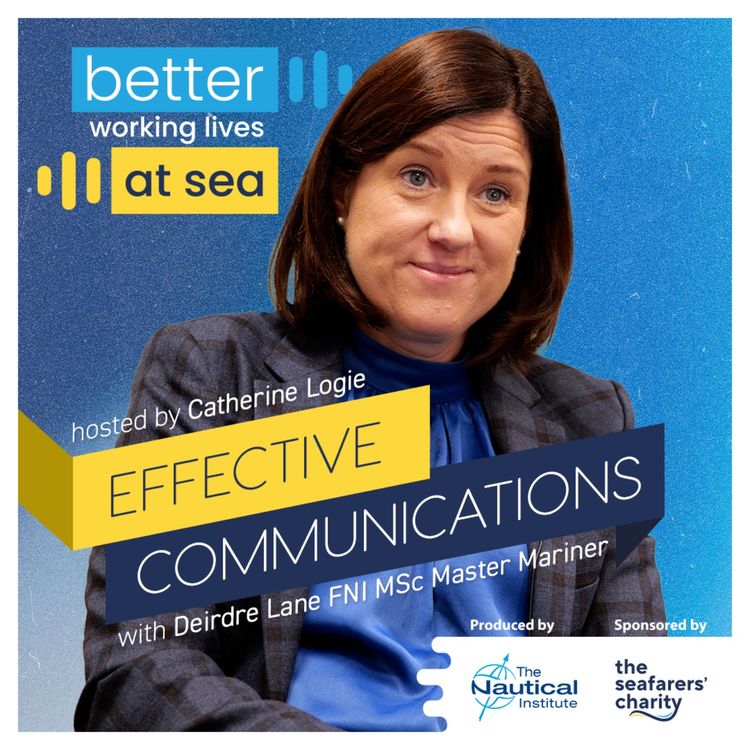
Better working lives at sea
Effective communications
Season 1, Ep. 1
•
How can better communication make shipping safer? In this episode of Better working lives at sea, Deirdre Lane FNI explores communication at sea, multicultural crews, maritime English, radio communication, hierarchy and the importance of speaking up.
Drawing on her experience as a seafarer, chief officer and harbormaster, Deirdre explains why effective communication is about much more than giving clear instructions. It is about listening, understanding people, recognising when something is wrong and having the confidence to question or raise a concern before a situation escalates.
A practical conversation about communication, human factors and maritime safety.
More episodes
View all episodes

2. Kind Leadership
19:51||Season 1, Ep. 2What does kind leadership look like at sea? Steve Cameron explains why kindness does not mean weakness and how empathy, accountability, trust and investment in people can create stronger teams and safer working environments.Drawing on his experience in maritime leadership and the development of the kind leadership approach, Steve challenges traditional command-and-control management and explores why putting people before process can improve performance, communication and safety.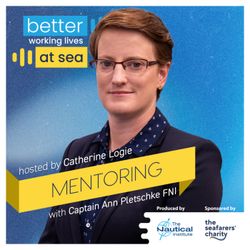
3. Mentoring
23:16||Season 1, Ep. 3Why does mentoring matter in maritime careers? Captain Ann Pletschke shares her experiences as both mentor and mentee, exploring how mentoring can support seafarers, cadets and maritime professionals at every stage of their careers.From informal conversations on board to long-term mentoring relationships, this episode explores trust, authenticity, lifelong learning, career transitions and the importance of “lifting others as you rise”.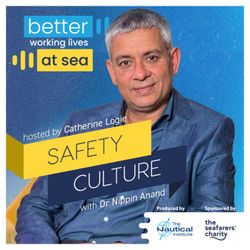
4. Safety culture
21:51||Season 1, Ep. 4Is “Safety First” always the best way to create a strong safety culture? Dr Nippin Anand challenges conventional thinking about safety in shipping and explores the gap between safety slogans, measurement and the lived experience of people working at sea.The conversation examines organisational culture, KPIs, reporting, hierarchy, the voices of ratings and why creating space for doubt and discussion may be more valuable than relying on absolute safety slogans.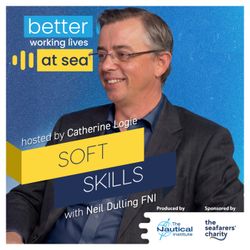
5. Soft skills
18:45||Season 1, Ep. 5Why are soft skills so important for seafarers? Neil Dulling FNI explores communication, listening, situational awareness, teamwork and interpersonal skills – and explains why technical competence alone is not enough to keep people safe at sea.The conversation looks at multicultural crews, speaking up, behavioural safety and the importance of developing human skills alongside new maritime technologies.