Share
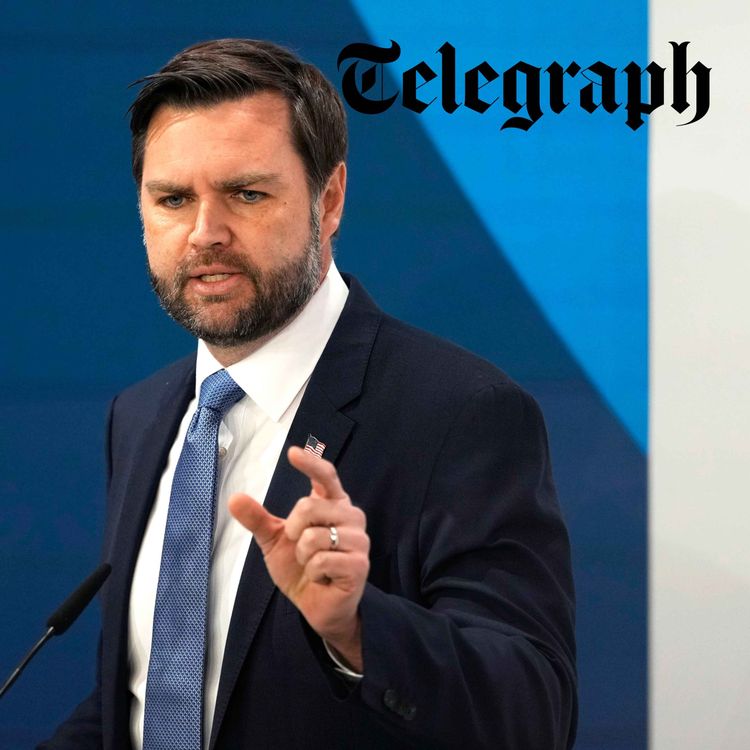
Iran: The Latest
Vance’s ‘Enemy Within’: How the US shocked Europe into rearmament
A year ago, JD Vance gave an explosive speech at the Munich Security Conference. It marked a fundamental shift in the relationship between the US and its European allies that have since been cemented through tariff wars, a new National Security Strategy and threats to take Greenland.
So has Europe risen to the challenge laid down by Donald Trump's administration and started to take care of its own security? Is there any trust left in the trans-Atlantic relationship? And will there be another attack on Europe at this weekend's Munich conference?
Venetia and Roland chat to David Blair, Chief Foreign Affairs Commentator, and Joe Barnes, Brussels Correspondent to find out.
Read Joe Barnes's story on how Europe ‘must become military superpower’ to survive without US: https://www.telegraph.co.uk/world-news/2026/02/11/europe-must-be-military-superpower-to-survive-without-us/
Read David Blair's analysis: https://www.telegraph.co.uk/authors/d/da-de/david-blair/
Pic credit: Matthias Schrader/AP
Producer: Peter Shevlin
Executive Producer: Louisa Wells
► Sign up to our most popular newsletter, From the Editor. Look forward to receiving free-thinking comment and the day's biggest stories, every morning. telegraph.co.uk/fromtheeditor
Contact us with feedback or ideas:
@venetiarainey
@RolandOliphant
More episodes
View all episodes
Iran’s stealth Strait of Hormuz toll plan & how Trump’s war reshaped the world
31:57|Iran has unveiled a plan to impose stealth fees on the Strait of Hormuz, using an insurance loophole to keep exacting tolls out of the key waterway post-war. Telegraph senior foreign correspondent Adrian Blomfield joins Roland Oliphant to break down how the conflict has permanently disrupted the global balance of power, from disrupting the US pivot to Asia to breaking US-Israeli ties. Plus, they take a moment to consider how the past four months will reverberate in the years to come and ask: what would Herodotus, the first historian of a Persian war, make of it all? HighlightsIran’s secret plan to keep control of the Strait of HormuzHow Trump’s greatest foreign policy failure reshaped the worldWATCH US ON YOUTUBE: https://www.youtube.com/playlist?list=PLJnf_DDTfIVAif-vifC6F2aoPB8GIw6dkCONTRIBUTORS:Roland Oliphant, co-host and chief foreign affairs analyst @RolandOliphantAdrian Blomfield, senior foreign correspondent @adrianblomfield CONTENT REFERENCED:How Trump’s greatest foreign policy failure has reshaped the worldhttps://www.telegraph.co.uk/world-news/2026/06/22/trumps-greatest-foreign-policy-failure-reshaped-world/ Has the US-Israel relationship changed forever?https://www.telegraph.co.uk/world-news/2026/06/20/has-the-us-israel-relationship-changed-forever/ Producers: Max Bower and Elliot LampittExecutive Producers: Venetia Rainey & Louisa Wells► Sign up to our most popular newsletter, From the Editor. Look forward to receiving free-thinking comment and the day's biggest stories, every morning. telegraph.co.uk/fromtheeditor► EMAIL US: Contact the team on battlelines@telegraph.co.uk► GET THE LATEST HEADLINES: Find all our latest Iran coverage here: https://www.telegraph.co.uk/iran-war/
US lifts Iran oil sanctions & how Trump lost his final European allies
42:47|As Vice President JD Vance and Iranian Foreign Minister Abbas Araghchi lock down a 60-day roadmap to end the war, Tehran has walked away with immediate waivers on its oil and petrochemical exports. Venetia Rainey and Roland Oliphant go behind the scenes at the high-stakes negotiations in Switzerland, including nuclear negotiations and the rumors of an Iranian walkout.Meanwhile, the fallout from Washington’s fury with his closest European allies over their Iran war “betrayal” has ramped up after Donald Trump publicly rebuked Italy’s Giorgia Meloni over her refusal to help him. They also analyse the resignation of British Prime Minister Keir Starmer and how his indecision over allowing the US to use UK bases to strike Iran was indicative of his premiership’s failings.Plus, how the Iranian football team’s gritty 0-0 World Cup draw against Belgium turned into a propaganda stunt for the regime to invoke the ghosts of the schoolchildren killed in Minab at the start of the war.HighlightsUS and Iran set up Hormuz crisis hotline as oil sanctions liftedHow Trump lost his final European allies, from Meloni to StarmerWATCH US ON YOUTUBE: https://www.youtube.com/playlist?list=PLJnf_DDTfIVAif-vifC6F2aoPB8GIw6dkCONTRIBUTORS:Venetia Rainey, co-host and executive producer @venetiaraineyRoland Oliphant, co-host and chief foreign affairs analyst @RolandOliphantCONTENT REFERENCED:Iranian leader criticises his negotiators in secret lettershttps://www.telegraph.co.uk/world-news/2026/06/22/iran-us-war-mojtaba-khamenei-mahmoud-nabavian-middle-east/Inside the Hezbollah tunnels where peace will be made or brokenhttps://www.telegraph.co.uk/world-news/2026/06/21/inside-hezbollah-tunnels-where-peace-will-be-made/Trump tears into Meloni over G7 picture rowhttps://www.telegraph.co.uk/world-news/2026/06/20/donald-trump-berates-giorgia-meloni-g7-picture-row/Producer: Max BowerExecutive Producers: Venetia Rainey & Louisa Wells► Sign up to our most popular newsletter, From the Editor. Look forward to receiving free-thinking comment and the day's biggest stories, every morning. telegraph.co.uk/fromtheeditor► EMAIL US: Contact the team on battlelines@telegraph.co.uk► GET THE LATEST HEADLINES: Find all our latest Iran coverage here: https://www.telegraph.co.uk/iran-war/
‘Wake up’: US forces Israel into Hezbollah ceasefire after stark warning
39:16|Is Donald Trump’s US-Iran peace deal already falling apart?Less than a day after the historic MoU was signed to end the war, fighting has been ongoing in Lebanon, with Hezbollah killing four Israeli soldiers and Benjamin Netanyahu unleashing a punishing wave of air strikes across southern Lebanon. A new ceasefire has today been agreed - but can it hold?Sophia Yan and Venetia Rainey discuss the latest news and the significance of US Vice President JD Vance’s stark warning to Israel to “wake up and smell reality”. Plus, New York Times journalist Yeganeh Torbati, co-author of Stolen Revolution, joins to discuss why Iranian Supreme Leader Mojtaba Khamenei is distancing himself from Trump's deal, and how the IRGC is using this diplomatic breathing room to prepare for a potential resumption of the war down the line. HighlightsUS forces Israel into Hezbollah ceasefire after stark warningIs Donald Trump’s US-Iran peace deal already falling apart?CONTRIBUTORS:Sophia Yan, senior foreign correspondent, @sophia_yan Yeganeh Torbati, NYT journalist and co-author Stolen Revolution @yjtorbati Producer: Max BowerExecutive Producers: Louisa Wells & Venetia RaineyWATCH US ON YOUTUBE: https://www.youtube.com/playlist?list=PLJnf_DDTfIVAif-vifC6F2aoPB8GIw6dkCONTENT REFERENCED: Vance tells Israel: You can’t kill your way out of problemshttps://www.telegraph.co.uk/us/news/2026/06/18/jd-vance-israel-friends/Stolen Revolution: Betrayal & Hope in Modern Iranhttps://www.penguin.co.uk/books/457807/stolen-revolution-by-torbati-bozorgmehr-sharafedin-and-yeganeh/9780241744017
4-2 to Iran: Trump’s peace deal proves the US lost the war
39:13|Donald Trump has signed a peace deal with Iran, but his critics are saying it’s a humiliation.Roland Oliphant and David Blair go through the US-Iran deal line by line and give each side a score, from $300bn in payments to Iran to the reopening Strait of Hormuz to a ban on nuclear weapons. Among those critical of the Memorandum of Understanding (MoU) is former vice president Mike Pence, who has called Trump an appeaser and accused him of handing a “lifeline” to the Iranian regime - is he right?Highlights4-2 to Tehran - the US-Iran peace deal guttedHow the MoU proves the US lost the warCONTRIBUTORS:Roland Oliphant, co-host and chief foreign affairs analyst @RolandOliphantDavid Blair, chief foreign affairs commentator @davidblairdtCONTENT REFERENCED:How Trump’s ‘Operation Epic Disaster’ turned the world against Americahttps://www.telegraph.co.uk/us/news/2026/06/18/iran-war-trump-us-credibility/David Blair: Trump’s extraordinary deal is a survival plan for Iranhttps://www.telegraph.co.uk/news/2026/06/17/iran-deal-survival-plan-for-islamic-republic/Producer: Peter ShevlinExecutive Producers: Venetia Rainey & Louisa Wells► Sign up to our most popular newsletter, From the Editor. Look forward to receiving free-thinking comment and the day's biggest stories, every morning. telegraph.co.uk/fromtheeditor► EMAIL US: Contact the team on battlelines@telegraph.co.uk► GET THE LATEST HEADLINES: Find all our latest Iran coverage here: https://www.telegraph.co.uk/iran-war/
Why Trump is throwing Israel under the bus over the Iran war
30:48|As details of the US-Iran 14-point peace deal leaks, Trump and other world leaders at the G7 summit today are singing its praises - but is it any good?Venetia Rainey breaks down the proposed timeline in the Memorandum of Understanding that will see the war officially end, the Strait of Hormuz open up, sanctions on Iran lifted and something unspecified happen to Tehran’s enriched uranium. One country is particularly unhappy: Israel. So how will Benjamin Netanyahu respond? Global health security editor Paul Nuki joins from Tel Aviv to deliver a blunt realpolitik assessment on why Trump is trying to make Israel the lightning rod for the fallout from his unpopular war. CONTRIBUTORS:Venetia Rainey, co-Host and Executive Producer @venetiaraineyPaul Nuki, Global Health Security Editor @PaulNukiCONTENT REFERENCED:The 14-point Iran deal in full – and how it favours Tehranhttps://www.telegraph.co.uk/world-news/2026/06/17/the-14-point-iran-deal-in-full-how-it-favours-tehran/War of broken promises leaves Israel weakened and despondenthttps://www.telegraph.co.uk/world-news/2026/06/16/broken-promises-israel-weakened-iran-trump/IDF soldier ‘just wanted to kill’ my sonhttps://www.telegraph.co.uk/world-news/2026/06/14/idf-soldier-just-wanted-to-kill-my-son/Producer: Peter ShevlinExecutive Producers: Venetia Rainey & Louisa Wells► Sign up to our most popular newsletter, From the Editor. Look forward to receiving free-thinking comment and the day's biggest stories, every morning. telegraph.co.uk/fromtheeditor► EMAIL US: Contact the team on battlelines@telegraph.co.uk► GET THE LATEST HEADLINES: Find all our latest Iran coverage here: https://www.telegraph.co.uk/iran-war/HIGHLIGHTSWhy Trump is throwing Israel under the bus over Iran war‘Iran had its foot on the world’s throat. This deal is a way out’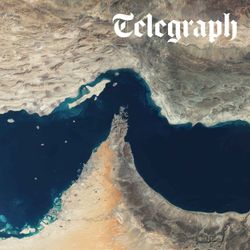
'Mini exodus' in Strait of Hormuz as Vance insists peace deal is ‘good for US’
34:01|It’s become the crux of the US-Iran peace deal: is the Strait of Hormuz open or closed, free or with tolls? Roland Oliphant speaks to Richard Meade, editor in chief of Lloyd’s List, explains the lingering uncertainties left from Donald Trump’s Middle East war keeping shipping executives up at night and placing ordinary sailors in danger. Plus: as JD Vance insists the deal is “good for the American people”, Roland looks at the latest news, including the UK and France saying they are ready to help protect freedom of navigation in Hormuz and the politicisation of shipping from Iran to Russia. HighlightsWhy Trump's peace deal hinges on the Strait of HormuzMini exodus' of ships as Vance insists peace deal is ‘good for US’Producer: Peter ShevlinExecutive Producers: Venetia Rainey & Louisa Wells► Sign up to our most popular newsletter, From the Editor. Look forward to receiving free-thinking comment and the day's biggest stories, every morning. telegraph.co.uk/fromtheeditor► EMAIL US: Contact the team on battlelines@telegraph.co.uk► GET THE LATEST HEADLINES: Find all our latest Iran coverage here: https://www.telegraph.co.uk/iran-war/
Trump’s peace deal: is the US paying Iran to reopen Hormuz?
30:37|Donald Trump has declared the Iran war over, telling oil tankers to "start their engines" as Tehran reopens the Strait of Hormuz and the US lifts its naval blockade. So why are so many people unhappy with the ‘peace deal’?Roland Oliphant and Venetia Rainey dive into the latest news of what we know today about the Memorandum of Understanding - and what we don’t. They discuss the problems raised by the outline of the deal so far - from an agreement on nuclear weapons to the war in Lebanon - and why Israeli military leaders are calling it a "strategic failure”.Highlights: Trump’s peace deal: is the US paying Iran to reopen Hormuz?Plus: why both Israelis and Iranians are furiousCONTRIBUTORS:Venetia Rainey, co-host and executive producer @venetiaraineyRoland Oliphant, co-host and chief foreign affairs analyst @RolandOliphantCONTENT REFERENCED:WATCH US ON YOUTUBE: https://www.youtube.com/playlist?list=PLJnf_DDTfIVAif-vifC6F2aoPB8GIw6dkThe winners and losers of the Iran warhttps://www.telegraph.co.uk/world-news/2026/06/14/winners-losers-iran-war-usa-trump-middle-east/After 106 days of war, how Donald Trump and Iran finally agreed a dealhttps://www.telegraph.co.uk/us/news/2026/06/15/how-trump-iran-agreed-war-nuclear-strait-hormuz-deal/Thirteen thousand air strikes - for what?https://www.telegraph.co.uk/world-news/2026/06/15/us-launched-13000-air-strikes-on-iran-for-what/WATCH THE FULL EPISODE ON YOUTUBE: https://youtu.be/-3VEIOK3-SUProducer: Peter ShevlinExecutive Producers: Venetia Rainey & Louisa Wells► Sign up to our most popular newsletter, From the Editor. Look forward to receiving free-thinking comment and the day's biggest stories, every morning. telegraph.co.uk/fromtheeditor► EMAIL US: Contact the team on battlelines@telegraph.co.uk► GET THE LATEST HEADLINES: Find all our latest Iran coverage here: https://www.telegraph.co.uk/iran-war/
100 days of US-Iran war: the winners and losers
42:15|After more than 100 days of the US-Iran war launched by Donald Trump, who is winning and who is losing?An American and an Iranian debate the big successes, what could have gone better, and what the long-term implications will be. Venetia Rainey and Roland Oliphant are joined by Ben Hodges, former US general and commander of the US Army in Europe, and Holly Dagres, Washington Institute analyst and author of The Iranist substack.They discuss the most significant moments from the war, from Ali Khamenei's death to an attack on a US base in Kuwait, why China is benefitting, and what surprised them most.Highlights100 days of war: the winners and losers so farAn American general and an Iranian analyst debateCONTRIBUTORS:Venetia Rainey, co-host @venetiaraineyRoland Oliphant, co-host and chief foreign affairs analyst @RolandOliphantBen Hodges, former commanding general US Army Europe @general_benHolly Dagres, Washington Institute analyst and The Iranist author @hdagresWATCH THE FULL EPISODE ON YOUTUBE: https://youtu.be/-3VEIOK3-SUProducer: Peter ShevlinExecutive Producers: Venetia Rainey & Louisa Wells► Sign up to our most popular newsletter, From the Editor. Look forward to receiving free-thinking comment and the day's biggest stories, every morning. telegraph.co.uk/fromtheeditor► EMAIL US: Contact the team on battlelines@telegraph.co.uk► GET THE LATEST HEADLINES: Find all our latest Iran coverage here: https://www.telegraph.co.uk/iran-war/
'End it now’: Why the Gulf needs Trump to strike Iran deal
34:35|Donald Trump says the Iran war could be ended with a peace deal this weekend.For the Gulf, everything is at stake. Battered by Iranian missiles and drones throughout the war and economically strangled by the Strait of Hormuz crisis, the Gulf states are desperate for the war to end - so much so that some are even having their own talks with Tehran. Sophia Yan chats to UAE-based Aniseh Bassiri Tabrizi, associate fellow for Chatham House’s MENA programme, about why despite Iran’s aggression, countries there just want things to go back to how they were before the war.Highlights: Trump says Iran war could end with peace deal this weekendWhy the Gulf wishes the Iran war never happenedCONTRIBUTORS:Sophia Yan, co-host and senior foreign correspondent @sophia_yanAniseh Bassiri Tabrizi, Associate Fellow MENA Programme Chatham House @AnisehBassiriProducer: Max BowerExecutive Producers: Venetia Rainey & Louisa Wells► Sign up to our most popular newsletter, From the Editor. Look forward to receiving free-thinking comment and the day's biggest stories, every morning. telegraph.co.uk/fromtheeditor► EMAIL US: Contact the team on battlelines@telegraph.co.uk ► GET THE LATEST HEADLINES: Find all our latest Iran coverage here: https://www.telegraph.co.uk/iran-war/Hosted on Acast. See acast.com/privacy for more information.