Share
Iran: The Latest
UK & US strike Houthi positions in Red Sea barrage and Ecuador in state of emergency after drug boss’s prison break
In this episode of Battle Lines, Defence Editor Danielle Sheridan and Telegraph writer Tom Sharpe bring the latest news and analysis from the Red Sea, as Britain and America strike Houthi positions after months of attacks on civilian and military vessels.
Then Middle East Correspondent Nataliya Vasilyeva updates us from Israel as the IDF continues to battle Hamas across Gaza, and Senior Foreign Correspondent Sophia Yan describes how the Chinese state forced ethnic Kazakhs to round up Muslim families in Xinjiang who were then never seen again.
Finally, journalist and academic Mathew Charles speaks about the internal conflict in Ecuador, where government forces battle drug gangs for control of the country.
Contributors:
David Knowles (Host). @djknowles22 on X.
Danielle Sheridan (Defence Editor). @SheridanDani on X.
Tom Sharpe (former Royal Navy officer). @TomSharpe134 on X.
Nataliya Vasilyeva (Middle East Correspondent). @Nat_Vasilyeva on X.
Sophia Yan (Senior Foreign Correspondent). @sophia_yan on X.
Mathew Charles (Foreign Reporter and academic). @mat_charles_ on X.
Read
The Telegraph's Live Blog on the Red Sea
West is united against Houthi threat, says Biden as Britain and US launch air strikes in Yemen, by Danielle Sheridan
‘We did it to our own people’: How China forced Kazakhs to implement its ethnic crackdown, by Sophia Yan
How Ecuador’s 36-year-old leather jacket-wearing president took on the drug cartels – and lost, by Mathew Charles
For 3 months access to The Telegraph for just £1: https://www.telegraph.co.uk/audio |
Email: battlelines@telegraph.co.uk |
More episodes
View all episodes
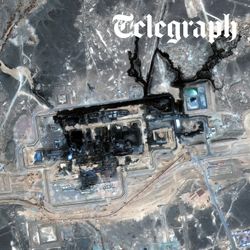
Strikes close key Saudi oil pipeline after Houthis ask Trump not to bomb them
28:13|A strike from militants in Iraq has knocked out Saudi Arabia’s vital East-West oil pipeline, as Donald Trump reveals Yemen’s Iran-backed Houthi rebels called him asking the US not to get militarily involved. On today’s episode of Iran: The Latest, Roland Oliphant talks to chief foreign affairs commentator David Blair to break down how Saudi Arabia has been left in a tricky place amid a lack of allies to help it deal with the lightning Houthi offensive to seize control of the Red Sea. As oil prices continue to rise and Houthis bomb a Saudi air base, the latest news suggests the war is escalating across the Middle East with unintended consequences. Plus, a deadly IRGC gun battle with Baluchi militants, a rogue Iranian hardline faction reportedly launched strikes on ships in the Strait of Hormuz to sabotage summer peace talks, and a US Air Force pilot describes how he was downed behind enemy lines back in April.HighlightsIraq-based strikes close key Saudi East-West oil pipelineTrump says Houthis ‘asked US not to bomb them’CONTRIBUTORS:Roland Oliphant, co-host and chief foreign affairs analyst @RolandOliphantDavid Blair, chief foreign affairs commentator @davidblairdtWATCH US ON YOUTUBE: https://www.youtube.com/playlist?list=PLJnf_DDTfIVAif-vifC6F2aoPB8GIw6dkCONTENT REFERENCED:IRGC soldiers gunned down in street clashes in Iranhttps://www.telegraph.co.uk/world-news/2026/09/14/irgc-soldiers-gunned-down-in-street-clashes-in-iran/Houthis give Trump yet another Middle East headachehttps://www.telegraph.co.uk/world-news/2026/09/12/houthis-give-trump-yet-another-middle-east-headache/Tom Sharpe: The Houthis are back and it’s a problem for everyone, not just the UShttps://www.telegraph.co.uk/news/2026/09/12/houthis-red-sea-perim-chokepoint-oil-shipping-war/The shock Houthi mission to strangle global oilhttps://www.telegraph.co.uk/world-news/2026/09/12/the-shock-houthi-mission-to-strangle-global-oil/How Iran’s hard-liners blew us the US peace deal https://www.nytimes.com/2026/09/13/world/middleeast/iran-hard-liners-sabotaged-peace-deal.htmlUS airman tells of 50 hours behind enemy lines with broken backhttps://www.telegraph.co.uk/world-news/2026/09/14/us-airman-tells-of-50-hours-behind-enemy-lines-broken-back/Winner Best News and Analysis Podcast - Publisher Podcast Awards 2026Nominated Podcast of the Year - Society of Editors News Podcasts Awards 2026Nominated Best News, Politics and Current Affairs - British Podcast Awards 2026The Telegraph, Winner Podcast Publisher of the Year 2026 - Publisher Podcast Awards 2026Audio Producer: Max BowerVideo Producer: Peter ShevlinResearcher and Social Producer: Anna HindmarshStudio Operator: Andy WatsonExecutive Producer: Venetia Rainey ► Sign up to our most popular newsletter, From the Editor. Look forward to receiving free-thinking comment and the day's biggest stories, every morning. telegraph.co.uk/fromtheeditor► EMAIL US: Contact the team on battlelines@telegraph.co.uk► GET THE LATEST HEADLINES: Find all our latest Iran coverage here: https://www.telegraph.co.uk/iran-war/
US fears Iran war could drag into 2029. Trump insists it’s ‘worth it’
26:57|Donald Trump has admitted the US-Iran war will last beyond the November midterm elections - some think it will last well into 2029 - with Republicans now facing the possibility of losing the House and the Senate as oil prices surge towards $110/barrel.On today’s bonus episode of Iran: the Latest, Venetia Rainey chats to Washington correspondents Connor Stringer and Benedict Smith about Trump’s spectacular gamble to convince Republicans the Iran war is not a big deal at the Republican Midterms Convention. From threatening strikes on Iran’s Pickaxe Mountain nuclear site to offering voters an unprecedented $5,000 cash dividend if they vote Republican, his speech was “vintage Trump”. Plus, is Iran interfering in the US midterms to boost the Democrats?HighlightsTrump insists economic pain ‘worth it’ to stop Iran from getting nuclear weaponInside the colourful Republican Midterms ConventionCONTRIBUTORS:Venetia Rainey, co-host and executive producer @venetiaraineyConnor Stringer, chief Washington correspondent @connorstringerBenedict Smith, Washington correspondent @bsmithjournoWATCH US ON YOUTUBE: https://www.youtube.com/playlist?list=PLJnf_DDTfIVAif-vifC6F2aoPB8GIw6dkCONTENT REFERENCED:The answer to Trump’s midterm woes? Make the campaign all about himhttps://www.telegraph.co.uk/us/politics/2026/09/10/trump-republican-midterms-convention-address-analysis/‘Common sense’ Democrat praises Trump at Republican midterm conventionhttps://www.telegraph.co.uk/us/politics/2026/09/10/democrat-john-fetterman-praises-trump-republican-convention/Trump: I’ll give $5,000 to every American if we win midtermshttps://www.telegraph.co.uk/us/politics/2026/09/10/trump-convention-speech-promise-5000-dollars-midterms-win/Rubio and Vance ‘think Iran war could last beyond the end of Trump’s term’https://www.telegraph.co.uk/us/news/2026/09/10/white-house-iran-war-trump-term/Trump makes his last standhttps://www.telegraph.co.uk/us/politics/2026/09/11/republican-party-convention-midterms-trump-last-stand/Trump’s Top Advisers Confront Possibility That Iran War Lasts Through End of Termhttps://www.wsj.com/world/middle-east/trumps-top-advisers-confront-possibility-that-iran-war-lasts-through-end-of-term-5f4e23d7Silver Bulletin: https://www.natesilver.net/p/trump-approval-ratings-nate-silver-bulletinRace to the White House: https://www.racetothewh.com/Winner Best News and Analysis Podcast - Publisher Podcast Awards 2026Nominated Podcast of the Year - Society of Editors News Podcasts Awards 2026Nominated Best News, Politics and Current Affairs - British Podcast Awards 2026The Telegraph, Winner Podcast Publisher of the Year 2026 - Publisher Podcast Awards 2026Audio Producer: Max Bower Video Producer: Peter ShevlinResearcher and Social Producer: Anna HindmarshStudio Operator: Andy WatsonExecutive Producer: Venetia Rainey ► Sign up to our most popular newsletter, From the Editor. Look forward to receiving free-thinking comment and the day's biggest stories, every morning. telegraph.co.uk/fromtheeditor► EMAIL US: Contact the team on battlelines@telegraph.co.uk► GET THE LATEST HEADLINES: Find all our latest Iran coverage here: https://www.telegraph.co.uk/iran-war/
US Gen Ben Hodges: Trump’s Houthi Red Sea crisis, Pentagon chaos and 9/11’s legacy
38:37|“The inability or unwillingness of the Trump administration to connect the dots on what is going on, from the Persian Gulf to the Red Sea, is a reflection of the lack of really good deep strategic thinking.”On today’s episode of Iran: the Latest, Venetia Rainey is joined once again by former Commanding General of US Army Europe, Gen Ben Hodges, to discuss the US-Iran war as it nears the 200-day mark.The Iran-backed Houthis have seized Yemen’s entire Red Sea coastline including the strategic Perim Island, giving them control of the vital Bab al-Mandeb Strait. And despite pleas from Saudi Arabia’s Mohammed bin Salman (MBS) to intervene as oil prices surge toward $110/barrel, Donald Trump has refused to launch strikes, offering up intelligence assistance instead. Gen Hodges analyses the strategic drift that has marked the war, the Pentagon and US policy in the Middle East. Plus, why mass lie-detector tests and personnel purges signal China-style paranoia inside the Pentagon, what news of damage to US fighter jets in Jordan says about US military preparedness, and the hard lessons from the Iraq and Afghanistan wars 25 years on from the 9/11 attacks.HighlightsTrump refuses Saudi plea for strikes as Houthis seize Red SeaUS Gen Ben Hodges on the US-Iran war, Pentagon chaos and 9/11CONTRIBUTORS:Venetia Rainey, co-host and executive producer @venetiaraineyGen Ben Hodges, former Commanding General US Army Europe @general_benWATCH US ON YOUTUBE: https://www.youtube.com/playlist?list=PLJnf_DDTfIVAif-vifC6F2aoPB8GIw6dkCONTENT REFERENCED:Trump refuses MBS pleas to stop Houthis’ rapid advancehttps://www.telegraph.co.uk/world-news/2026/09/11/trump-refuses-mbs-pleas-to-stop-houthis-rapid-advance/Rubio and Vance ‘think Iran war could last beyond the end of Trump’s term’https://www.telegraph.co.uk/us/news/2026/09/10/white-house-iran-war-trump-term/Pentagon forces staff to take lie detector tests over Iran war leakshttps://www.telegraph.co.uk/us/news/2026/09/05/pentagon-lie-detection-polygraph-tests-military-iran-leaks/RUSI UK Security in a Post Aid World: https://www.rusi.org/explore-our-research/projects/uk-security-post-aid-worldWinner Best News and Analysis Podcast - Publisher Podcast Awards 2026Nominated Podcast of the Year - Society of Editors News Podcasts Awards 2026Nominated Best News, Politics and Current Affairs - British Podcast Awards 2026The Telegraph, Winner Podcast Publisher of the Year 2026 - Publisher Podcast Awards 2026Audio Producer: Peter Shevlin Video Producer: Max BowerResearcher and Social Producer: Anna HindmarshStudio Operator: Andy WatsonExecutive Producer: Venetia Rainey ► Sign up to our most popular newsletter, From the Editor. Look forward to receiving free-thinking comment and the day's biggest stories, every morning. telegraph.co.uk/fromtheeditor► EMAIL US: Contact the team on battlelines@telegraph.co.uk► GET THE LATEST HEADLINES: Find all our latest Iran coverage here: https://www.telegraph.co.uk/iran-war/
Iran’s Houthis seize key Red Sea port as $100 oil threatens global economy
36:07|The Iran-backed Houthis have seized the strategic Red Sea port city of al-Mokha - apparently at the direction of the IRGC - as fighting in Yemen and Saudi Arabia escalates. On today’s episode of Iran: the Latest, Sophia Yan speaks to Jerusalem correspondent Henry Bodkin about the pressure the war is putting on the Bab al-Mandeb and Strait of Hormuz as oil prices pass the $100/barrel threshold for a second day. US President Donald Trump is clearly feeling the pressure, claiming the war will end following November’s midterm elections, and promising $5,000 cash payouts if Republicans retain Congress.Plus, news that Iranian missile strikes damaged multiple US F-15 fighter jets in Jordan, Israeli leader Benjamin Netanyahu denies being warned about Hamas’s October 7 attack by the UAE, and MSF’S Charlene Silvin shares her first-hand experiences of wartime destruction in south Lebanon. HighlightsIran’s Houthis seize key Red Sea port as $100 oil threatens global economyMSF’S Charlene Silvin on wartime destruction in south LebanonCONTRIBUTORS:Sophia Yan, senior foreign correspondent, @sophia_yanHenry Bodkin, Jerusalem correspondent @HenryBodkinCharlene Silvin, MSF Project Coordinator in LebanonWATCH US ON YOUTUBE: https://www.youtube.com/playlist?list=PLJnf_DDTfIVAif-vifC6F2aoPB8GIw6dkCONTENT REFERENCED:Trump: I’ll give $5,000 to every American if we win midtermshttps://www.telegraph.co.uk/us/politics/2026/09/10/trump-convention-speech-promise-5000-dollars-midterms-win/Revealed: Netanyahu Received an Explicit Warning Days Before Oct. 7. He Didn't Brief Israel's Security Chiefshttps://www.haaretz.com/israel-news/israel-security/2026-09-08/ty-article-magazine/.highlight/netanyahu-got-an-explicit-warning-before-oct-7-he-didnt-brief-security-chiefs/000001a0-7a3b-d7d5-a9fc-7eff3d0f0000Winner Best News and Analysis Podcast - Publisher Podcast Awards 2026Nominated Podcast of the Year - Society of Editors News Podcasts Awards 2026Nominated Best News, Politics and Current Affairs - British Podcast Awards 2026The Telegraph, Winner Podcast Publisher of the Year 2026 - Publisher Podcast Awards 2026Audio Producer: Peter Shevlin Video Producer: Max BowerResearcher and Social Producer: Lucy HadlowExecutive Producer: Venetia Rainey ► Sign up to our most popular newsletter, From the Editor. Look forward to receiving free-thinking comment and the day's biggest stories, every morning. telegraph.co.uk/fromtheeditor► EMAIL US: Contact the team on battlelines@telegraph.co.uk► GET THE LATEST HEADLINES: Find all our latest Iran coverage here: https://www.telegraph.co.uk/iran-war/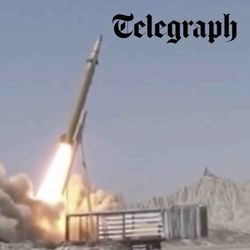
Iran captures US submarine drone & how Russia supercharges Iran’s weapons
40:11|Iran claims to capture an advanced US Navy submarine drone in the Strait of Hormuz. How significant is it?On today’s episode of Iran: the Latest, Roland Oliphant talks to Nikolay Kozhanov, former attaché at the Russian embassy in Tehran and now at the Gulf Studies Center of Qatar University, about the escalating US-Iran missile attacks and how Moscow is helping Tehran. He explains that Iran will get as much as possible out of whatever equipment they capture to get around US sanctions. From advanced missile technology to specialised hardware for electronic jamming, Nikolay also explains how Vladimir Putin is fuelling the war to help drain the US military and distract from Ukraine. Plus, the US has destroyed five Iranian oil tankers near Kharg Island after the IRGC fired ballistic missiles at a Navy warship twice this week. Is this Iran’s new military doctrine in full swing?HighlightsUS blitzes Iranian oil tankers off Kharg IslandHow Russia supercharges Iran’s weaponsCONTRIBUTORS:Roland Oliphant, co-host and chief foreign affairs analyst @RolandOliphantNikolay Kozhanov, Gulf Studies Center of Qatar University @KozhanovNikolayWATCH US ON YOUTUBE: https://www.youtube.com/playlist?list=PLJnf_DDTfIVAif-vifC6F2aoPB8GIw6dkCONTENT REFERENCED:Iran fires new electro-optical missileshttps://www.telegraph.co.uk/us/news/2026/09/09/us-forces-destroy-five-iranian-oil-carriers/UK gas prices hit four-year high as US-Iran conflict escalateshttps://www.telegraph.co.uk/business/2026/09/09/uk-gas-prices-hit-four-year-high-as-oil-tops-100/Winner Best News and Analysis Podcast - Publisher Podcast Awards 2026Nominated Podcast of the Year - Society of Editors News Podcasts Awards 2026Nominated Best News, Politics and Current Affairs - British Podcast Awards 2026The Telegraph, Winner Podcast Publisher of the Year 2026 - Publisher Podcast Awards 2026Audio Producer: Peter Shevlin Video Producer: Max BowerResearcher and Social Producer: Lucy HadlowStudio Operator: Andy WatsonExecutive Producer: Venetia Rainey ► Sign up to our most popular newsletter, From the Editor. Look forward to receiving free-thinking comment and the day's biggest stories, every morning. telegraph.co.uk/fromtheeditor► EMAIL US: Contact the team on battlelines@telegraph.co.uk► GET THE LATEST HEADLINES: Find all our latest Iran coverage here: https://www.telegraph.co.uk/iran-war/
Iran uses new missile to target US warships as UK sanctions Israel settlements
40:47|Iran claims to have targeted US warships with a new ballistic missile for the first time in the war and has warned that its new military doctrine involves pre-emptive strikes. On today’s episode of Iran: the Latest, Venetia Rainey speaks to journalist and author David Patrikarakos about the signal the IRGC is sending Donald Trump by revealing the use of its upgraded Qassem Basir missiles. They discuss the possible consequences of the worsening economic conditions inside Iran as oil and petrol prices rise, and why the regime is not as fractured as some Western observers think. Plus, the war in Yemen heats up after Houthi rebels launched a massive wave of strikes on energy sites in Saudi Arabia, and the UK’s Foreign Secretary Ed Miliband announces sanctions against West Bank settlements, accusing Israel of ethnic cleansing. With France and Canada unveiling similar measures, how will Trump respond? HighlightsIran uses new ballistic missile to target US warshipsUK sanctions Israel’s West Bank settlementsCONTRIBUTORS:Venetia Rainey, co-host and executive producer @venetiaraineyDavid Patrikarakos, author and journalist @dpatrikarakosWATCH US ON YOUTUBE: https://www.youtube.com/playlist?list=PLJnf_DDTfIVAif-vifC6F2aoPB8GIw6dkCONTENT REFERENCED:Iran’s former president proposes referendum on ending warhttps://www.telegraph.co.uk/world-news/2026/09/07/iran-former-president-proposes-referendum-end-war-rouhani/Houthis launch wave of attacks on Saudi Arabiahttps://www.telegraph.co.uk/world-news/2026/09/08/houthis-launch-wave-of-attacks-on-saudi-arabia/Miliband accuses Israeli settlers of ‘ethnic cleansing’https://www.telegraph.co.uk/politics/2026/09/08/ed-miliband-accuses-israeli-settlers-ethnic-cleansing/The desert deaths that symbolise five crushing years of Taliban rulehttps://www.telegraph.co.uk/world-news/2026/08/15/desert-deaths-symbolise-five-crushing-years-taliban-rule/Winner Best News and Analysis Podcast - Publisher Podcast Awards 2026Nominated Podcast of the Year - Society of Editors News Podcasts Awards 2026Nominated Best News, Politics and Current Affairs - British Podcast Awards 2026The Telegraph, Winner Podcast Publisher of the Year 2026 - Publisher Podcast Awards 2026Audio Producer: Max Bower Video Producer: Peter Shevlin Researcher and Social Producer: Lucy HadlowStudio Operator: Andy WatsonExecutive Producer: Venetia Rainey ► Sign up to our most popular newsletter, From the Editor. Look forward to receiving free-thinking comment and the day's biggest stories, every morning. telegraph.co.uk/fromtheeditor► EMAIL US: Contact the team on battlelines@telegraph.co.uk► GET THE LATEST HEADLINES: Find all our latest Iran coverage here: https://www.telegraph.co.uk/iran-war/
US sinks Iranian ship as battle for the Strait of Hormuz heats up
28:47|The US Navy struck three Iranian vessels, sinking one and disabling two, after fresh attacks by Tehran on American warships near the Strait of Hormuz.On today’s episode of Iran: the Latest, Roland Oliphant and Venetia Rainey discuss news of the escalating battle for the Strait of Hormuz, which has become the epicentre of the US-Iran war. Donald Trump’s administration insists millions of barrels of oil are getting out and it’s not a war but merely “small potatoes”, but missile strikes continue and Oman and Iran are negotiating a separate deal. What’s going on?Plus, the US admits a nuclear deal with Iran may never happen, and violence flares in Lebanon amid an explosion of Israeli air strikes and in Yemen as the Houthis push towards the Bab al-Mandeb strait. HighlightsUS sinks Iranian ship as battle for the Strait of Hormuz heats upViolence flares up in Lebanon and YemenCONTRIBUTORS:Venetia Rainey, co-host and executive producer @venetiaraineyRoland Oliphant, co-host and chief foreign affairs analyst @RolandOliphantWATCH US ON YOUTUBE: https://www.youtube.com/playlist?list=PLJnf_DDTfIVAif-vifC6F2aoPB8GIw6dkCONTENT REFERENCED:US destroys Iranian oil tankers after IRGC fires at warshipshttps://www.telegraph.co.uk/us/news/2026/09/05/us-destroys-iranian-oil-tankers-after-irgc-fires-at-warship/Sheba Intelligence: Government Counteroffensive Disrupts Houthi Bid to Cut Taiz Off from Yemen’s Western Coasthttps://shebaintelligence.uk/government-counteroffensive-disrupts-houthi-bid-to-cut-taiz-off-from-yemens-western-coastWinner Best News and Analysis Podcast - Publisher Podcast Awards 2026Nominated Podcast of the Year - Society of Editors News Podcasts Awards 2026Nominated Best News, Politics and Current Affairs - British Podcast Awards 2026The Telegraph, Winner Podcast Publisher of the Year 2026 - Publisher Podcast Awards 2026Audio Producer: Peter Shevlin Video Producer: Max BowerResearcher and Social Producer: Lucy HadlowStudio Operator: Andy WatsonExecutive Producer: Venetia Rainey ► Sign up to our most popular newsletter, From the Editor. Look forward to receiving free-thinking comment and the day's biggest stories, every morning. telegraph.co.uk/fromtheeditor► EMAIL US: Contact the team on battlelines@telegraph.co.uk► GET THE LATEST HEADLINES: Find all our latest Iran coverage here: https://www.telegraph.co.uk/iran-war/
Trump facing midterms nightmare as approval ratings plunge over Iran war
29:19|Donald Trump’s approval rating has plummeted to a record low as the military and economic toll of the US-Iran war collides with the upcoming 2026 midterm elections - and the pressure is on. On today’s episode of Iran: the Latest, Venetia Rainey speaks to US correspondents Ben Smith and Poppy Wood to examine how the conflict in the Middle East is threatening Trump’s control of Congress and driving inflation at American gas pumps. With oil prices surging past $90 a barrel due to sustained disruption in the Strait of Hormuz, Republican candidates from Texas to Maine are increasingly worried. Plus, amid a growing mutiny inside the Pentagon over the Iran war, could Secretary of Defense Pete Hegseth be on the chopping block if the midterms go badly for Trump?HighlightsDonald Trump’s approval rating plummets to a record lowCould Pete Hegseth be on the chopping block if the midterms go badly?CONTRIBUTORS:Venetia Rainey, co-host and executive producer @venetiaraineyBen Smith, Washington correspondent @bsmithjournoPoppy Wood, US correspondent @poppyehWATCH US ON YOUTUBE: https://www.youtube.com/playlist?list=PLJnf_DDTfIVAif-vifC6F2aoPB8GIw6dkCONTENT REFERENCED:Out with the old: Democrats replace stalwarts with young bloodhttps://www.telegraph.co.uk/us/politics/2026/08/15/elderly-democrats-forced-retire/US army secretary to step down after tension with Hegsethhttps://www.telegraph.co.uk/us/politics/2026/08/21/us-army-secretary-step-down-hegseth/Winner Best News and Analysis Podcast - Publisher Podcast Awards 2026Nominated Podcast of the Year - Society of Editors News Podcasts Awards 2026Nominated Best News, Politics and Current Affairs - British Podcast Awards 2026The Telegraph, Winner Podcast Publisher of the Year 2026 - Publisher Podcast Awards 2026Audio Producer: Max Bower Video Producer: Peter ShevlinResearcher and Social Producer: Anna Hindmarsh and Lucy Hadlow Studio Operator: Andy WatsonExecutive Producer: Venetia Rainey ► Sign up to our most popular newsletter, From the Editor. Look forward to receiving free-thinking comment and the day's biggest stories, every morning. telegraph.co.uk/fromtheeditor► EMAIL US: Contact the team on battlelines@telegraph.co.uk► GET THE LATEST HEADLINES: Find all our latest Iran coverage here: https://www.telegraph.co.uk/iran-war/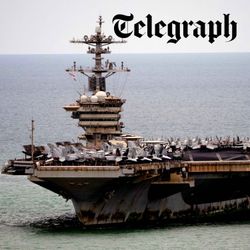
US Navy drained by Iran war as Hegseth-Pentagon turmoil grows
38:46|US Vice President JD Vance has said there will be an investigation into a deadly strike on a wedding in southern Iran after an American precision-guided glide bomb appears increasingly likely to have been the culprit.On today’s episode of Iran: the Latest, Venetia Rainey speaks to former naval officer Bryan Clark about how accurate the bombs are and what might have gone wrong. They also discuss the growing strain on the US Navy by the Iran war following a record deployment by the USS Abraham Lincoln and warnings from top admirals that the blockade is depleting destroyers and leaving Taiwan vulnerable to China. Bryan lays out what it will mean for the US presence in the Middle East in the coming months as they seek to reopen the Strait of Hormuz and bring down oil prices. Plus, why Secretary of Defence Pete Hegseth is facing growing calls to resign amid growing turmoil in the Pentagon, and how Argentina’s Javier Milei is exploiting Donald Trump’s anger with the UK to make moves on the Falklands.HighlightsUS Navy drained by Iran war as Hegseth-Pentagon turmoil growsJD Vance vows investigation into deadly wedding strike in southern IranCONTRIBUTORS:Venetia Rainey, co-host and executive producer @venetiaraineyBryan Clark, senior fellow at Hudson Institute @clarkdefenseWATCH US ON YOUTUBE: https://www.youtube.com/playlist?list=PLJnf_DDTfIVAif-vifC6F2aoPB8GIw6dkCONTENT REFERENCED:My night out with US sailors in Thailand’s ‘Sin City’https://www.telegraph.co.uk/world-news/2026/09/03/my-night-out-with-us-sailors-in-thailands-sin-city/‘It’s a fever dream’: 5,000 US sailors hit Thai sex tourism hotspothttps://www.telegraph.co.uk/world-news/2026/09/02/us-sailors-descend-thai-party-town-after-eight-months-sea/Milei: Argentina ‘will prevail’ over declining Britainhttps://www.telegraph.co.uk/world-news/2026/09/04/argentina-sanctions-oil-fields-falklands/Winner Best News and Analysis Podcast - Publisher Podcast Awards 2026Nominated Podcast of the Year - Society of Editors News Podcasts Awards 2026Nominated Best News, Politics and Current Affairs - British Podcast Awards 2026The Telegraph, Winner Podcast Publisher of the Year 2026 - Publisher Podcast Awards 2026Audio Producer: Max Bower Video Producer: Peter ShevlinResearcher and Social Producer: Lucy HadlowStudio Operator: Andy WatsonExecutive Producer: Venetia Rainey► Sign up to our most popular newsletter, From the Editor. Look forward to receiving free-thinking comment and the day's biggest stories, every morning. telegraph.co.uk/fromtheeditor► EMAIL US: Contact the team on battlelines@telegraph.co.uk► GET THE LATEST HEADLINES: Find all our latest Iran coverage here: https://www.telegraph.co.uk/iran-war/