Share
Iran: The Latest
Musk and Trump’s war on ‘Marxist’ foreign aid
•
USAID is dead. From Ukraine to Vietnam, the knock-on effect from Donald Trump and Elon Musk's dramatic shuttering of one of the largest aid agencies in the world is being felt around the world. Why has it been shuttered and what does it mean for American soft power?
Roland Oliphant speaks to Sera Koulabdara, CEO of Legacies of War, about the halt of de-mining work in southeast Asia and why it is essential for American influence in China's backyard.
Plus he talks to The Telegraph’s senior foreign correspondent Memphis Barker about why Kyiv is especially worried and whether this might prompt a rethink of the international aid system.
Contact us with feedback or ideas:
battlelines@telegraph.co.uk
@venetiarainey
@RolandOliphant
More episodes
View all episodes
Simon Sebag-Montefiore on the Iran war: Trump’s mistakes, Israel’s overreach and the end of the ‘Middle East’
41:14|"Israel is in a situation of kind of spectacular military virtuosity, but also strategic impoverishment. You cannot kill everybody." On today’s bank holiday bonus episode of Iran: the Latest, Venetia Rainey speaks to historian Simon Sebag-Montefiore to get a historian’s view of the US-Israel-Iran war. Simon argues that Donald Trump’s biggest mistake was not stopping after 2025’s Operation Midnight Hammer, and that Benjamin Netanyahu is leading his country into a potential intra-Jewish civil war. Plus, why the Iranian regime is a Mahdist-praetorian oligarchy, how the geopolitical concept of "the Middle East" became obsolete, and which dictators from the region’s modern history haunt him. Simon Sebag Montefiore’s new book, The Cauldron: The Making of the Modern Middle East, is out now.HighlightsTrump’s mistakes, Israel’s overreach and the end of the ‘Middle East’Historian and author Simon Sebag-Montefiore on the Iran warCONTRIBUTORS:Venetia Rainey, co-host and executive producer @venetiaraineySimon Sebag-Montefiore, historian and author @simonmontefioreWATCH US ON YOUTUBE: https://www.youtube.com/playlist?list=PLJnf_DDTfIVAif-vifC6F2aoPB8GIw6dkCONTENT REFERENCED:Simon Sebag Montefiore: Appeasing radical activists will make the West ungovernablehttps://www.telegraph.co.uk/books/authors/simon-sebag-montefiore-the-cauldron-interview/Simon Sebag Montefiore: Starmer’s foreign policy risks rewarding aggressive extremistshttps://www.telegraph.co.uk/news/2024/09/07/montefiore-starmers-foreign-policy-rewards-extremists/Winner Best News and Analysis Podcast - Publisher Podcast Awards 2026Nominated Podcast of the Year - Society of Editors News Podcasts Awards 2026Nominated Best News, Politics and Current Affairs - British Podcast Awards 2026The Telegraph, Winner Podcast Publisher of the Year 2026 - Publisher Podcast Awards 2026Audio Producer: Joleen GoffinVideo Producer: Max BowerResearcher and Social Producer: Anna HindmarshStudio Operator: Andy WatsonExecutive Producer: Venetia Rainey ► Sign up to our most popular newsletter, From the Editor. Look forward to receiving free-thinking comment and the day's biggest stories, every morning. telegraph.co.uk/fromtheeditor► EMAIL US: Contact the team on battlelines@telegraph.co.uk► GET THE LATEST HEADLINES: Find all our latest Iran coverage here: https://www.telegraph.co.uk/iran-war/
Hegseth in the firing line after six months of war
27:14|Six months into the Iran conflict, the war has devolved into an economic ‘quagmire’ as the US shifts strategy from kinetic strikes to prolonged blockade tactics under "Operation Economic Outcast". On today’s episode of Iran: The Latest, Henry Bodkin speaks with Chief Washington Correspondent Connor Stringer to discuss why Defense Secretary Pete Hegseth could be in the firing line for a post-midterm cabinet purge as Trump desperately seeks a scapegoat for his low approval ratings and Iran war stalemate. They analyse how outgoing Mossad chief Dedi Barnea is pushing for total regime collapse in Tehran, and why Benjamin Netanyahu is openly defying Trump on Gaza peace terms.Plus, they dissect CIA Director John Ratcliffe’s flight to Moscow, Mark Carney’s trade counter-attacks and the growing friction over prospective British sanctions in the West Bank.HighlightsSix Months of War: The Iran Quagmire & Operation Economic OutcastTrump Isolated? Netanyahu Defiance, Carney Tariffs, and UK West Bank SanctionsCONTRIBUTORS:Henry Bodkin, Jerusalem correspondent @HenryBodkinConnor Stringer, chief Washington correspondent @connorstringerWATCH US ON YOUTUBE: https://www.youtube.com/playlist?list=PLJnf_DDTfIVAif-vifC6F2aoPB8GIw6dkWinner Best News and Analysis Podcast - Publisher Podcast Awards 2026Nominated Podcast of the Year - Society of Editors News Podcasts Awards 2026Nominated Best News, Politics and Current Affairs - British Podcast Awards 2026The Telegraph, Winner Podcast Publisher of the Year 2026 - Publisher Podcast Awards 2026Audio Producer: David Dargahi Video Producer: Max BowerResearcher and Social Producer: Anna HindmarshStudio Operator: Andy WatsonExecutive Producer: Venetia Rainey ► Sign up to our most popular newsletter, From the Editor. Look forward to receiving free-thinking comment and the day's biggest stories, every morning. telegraph.co.uk/fromtheeditor► EMAIL US: Contact the team on battlelines@telegraph.co.uk► GET THE LATEST HEADLINES: Find all our latest Iran coverage here: https://www.telegraph.co.uk/iran-war/
‘We’re going to see a reckoning’ of the global order: Middle East scholar’s verdict
39:10|On today’s episode of Iran: The Latest, Sophia Yan is joined by Middle East scholar Vali Nasr to assess the state of the conflict as it hits the six-month mark. They discuss why Washington’s security umbrella in the Gulf is collapsing, how US naval exhaustion is forcing warships to retreat to Asia, and why China stands to emerge as the ultimate winner of the war.Plus, why Israel and Turkey could be heading toward a new frontline in Syria, and what will come of the diplomatic flurry occurring between Gulf countries, as the Qatari Prime Minister makes his way to Tehran for further talks? HighlightsDiplomatic Flurry: What will come of recent Iran, Oman, and Qatar negotiations? Great-Power Shift: How China wins from US exhaustionCONTRIBUTORS:Sophia Yan, senior foreign correspondent, @sophia_yanVali Nasr, scholar in Middle Eastern studies, Professor at Johns Hopkins-SAIS @vali_nasrWATCH US ON YOUTUBE: https://www.youtube.com/playlist?list=PLJnf_DDTfIVAif-vifC6F2aoPB8GIw6dkCONTENT REFERENCED:Winner Best News and Analysis Podcast - Publisher Podcast Awards 2026Nominated Podcast of the Year - Society of Editors News Podcasts Awards 2026Nominated Best News, Politics and Current Affairs - British Podcast Awards 2026The Telegraph, Winner Podcast Publisher of the Year 2026 - Publisher Podcast Awards 2026Audio Producer: David Dargahi Video Producer: Max BowerResearcher and Social Producer: Anna HindmarshStudio Operator: Andy WatsonExecutive Producer: Venetia Rainey ► Sign up to our most popular newsletter, From the Editor. Look forward to receiving free-thinking comment and the day's biggest stories, every morning. telegraph.co.uk/fromtheeditor► EMAIL US: Contact the team on battlelines@telegraph.co.uk► GET THE LATEST HEADLINES: Find all our latest Iran coverage here: https://www.telegraph.co.uk/iran-war/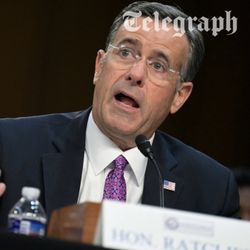
CIA Chief's secret Moscow flight - Has the US tried to bargain with Putin over Iran?
30:07|As the US-Iran war approaches the six-month mark, CIA Director John Ratcliffe makes a secret eight-hour flight to Moscow to meet with Russian officials. On today’s episode of Iran: The Latest, Roland Oliphant and senior foreign correspondent Adrian Blomfield analyze whether Donald Trump offering Vladimir Putin a trade-off on Ukraine to sever Moscow’s backing of Tehran, or issuing a direct intelligence warning against Russian regional escalation. Meanwhile, China has hit back against Scott Bessent’s ‘Operation Economic Outcast’ sanctions, calling them “illegal” and pledging to protect commerce. Plus, Tehran has issued a $10M assassination bounty targeting Donald Trump's son Barron, while questions mount over whether Supreme Leader Mojtaba Khamenei is dead or incapacitated while the regime rules via a "phantom" leadership. Highlights6 months of war: Has Trump settled into a long-game strategy?Phantom Leader: Is Mojtaba Khamenei Dead or Incapacitated?CONTRIBUTORS:Roland Oliphant, co-host and chief foreign affairs analyst @RolandOliphantAdrian Blomfield, senior foreign correspondent @adrianblomfield WATCH US ON YOUTUBE: https://www.youtube.com/playlist?list=PLJnf_DDTfIVAif-vifC6F2aoPB8GIw6dkWinner Best News and Analysis Podcast - Publisher Podcast Awards 2026Nominated Podcast of the Year - Society of Editors News Podcasts Awards 2026Nominated Best News, Politics and Current Affairs - British Podcast Awards 2026The Telegraph, Winner Podcast Publisher of the Year 2026 - Publisher Podcast Awards 2026Audio Producer: David Dargahi Video Producer: Max BowerResearcher and Social Producer: Anna HindmarshStudio Operator: Andy WatsonExecutive Producer: Venetia Rainey ► Sign up to our most popular newsletter, From the Editor. Look forward to receiving free-thinking comment and the day's biggest stories, every morning. telegraph.co.uk/fromtheeditor► EMAIL US: Contact the team on battlelines@telegraph.co.uk► GET THE LATEST HEADLINES: Find all our latest Iran coverage here: https://www.telegraph.co.uk/iran-war/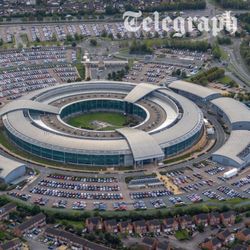
US vows "Economic Warfare" as the UK prepares for infrastructure blackouts
19:18|Iran shut down a British power plant for four days in an unprecedented cyber attack, in what can be described as the most serious incident of its kind. On today’s episode of Iran: The Latest, Roland Oliphant is joined in the studio by Telegraph National Security Editor Rozina Sabur to unpack her major exclusive on the Iranian cyber attack that disabled a British power plant. They discuss why the government tried to keep the breach quiet, how Iranian proxies are targeting Western infrastructure, and parliament’s preparation to warn the public to prepare for future nationwide blackout scenarios.Plus, Washington has launched "Operation Economic Outcast," a sweeping financial blockade aiming to choke off Iran’s remaining oil trade and throttle its regime. US Treasury Secretary Scott Bessent announced the key measures of the campaign, including secondary sanctions against buyers of Iranian crude.HighlightsTelegraph Exclusive: Iranian hackers disable UK power station for four days"Make sure you have candles": The UK must prepare for infrastructure blackoutsCONTRIBUTORS:Roland Oliphant, co-host and chief foreign affairs analyst @RolandOliphantRozina Sabur, national security editor @rozinasaburWATCH US ON YOUTUBE: https://www.youtube.com/playlist?list=PLJnf_DDTfIVAif-vifC6F2aoPB8GIw6dkCONTENT REFERENCED:https://www.telegraph.co.uk/news/2026/08/22/iranian-hackers-shut-down-uk-power-plant/ https://www.telegraph.co.uk/world-news/2026/08/24/us-endgame-iran-trump-scott-bessent-treasury-middle-east/ Winner Best News and Analysis Podcast - Publisher Podcast Awards 2026Nominated Podcast of the Year - Society of Editors News Podcasts Awards 2026Nominated Best News, Politics and Current Affairs - British Podcast Awards 2026The Telegraph, Winner Podcast Publisher of the Year 2026 - Publisher Podcast Awards 2026Audio Producer: David Dargahi Video Producer: Max BowerResearcher and Social Producer: Anna HindmarshStudio Operator: Andy WatsonExecutive Producer: Venetia Rainey ► Sign up to our most popular newsletter, From the Editor. Look forward to receiving free-thinking comment and the day's biggest stories, every morning. telegraph.co.uk/fromtheeditor► EMAIL US: Contact the team on battlelines@telegraph.co.uk► GET THE LATEST HEADLINES: Find all our latest Iran coverage here: https://www.telegraph.co.uk/iran-war/
Trump to unleash ‘Economic D Day’ on Iran as blockade bites
24:39|With the US Treasury Secretary Scott Bessent set to announce the ‘greatest financial offensive ever’ against Iran, Roland sits down with the Telegraph’s chief foreign affairs commentator David Blair to discuss where the Iranian regime goes next and who might blink first.Meanwhile the Trump administration’s blockade of Iranian ports has seen oil exports dwindle to near zero, with David adding that it may only be a matter of time before the regime goes bankrupt.The pair also discuss the Iranian cyber attack that shut down a UK power plant for several days and the scheduled meeting between Israel and Syria following a strike on a Syrian airbase last week.CONTRIBUTORS:Roland Oliphant, co-host and chief foreign affairs analyst @RolandOliphantDavid Blair, chief foreign affairs commentator @davidblairdtWATCH US ON YOUTUBE: https://www.youtube.com/playlist?list=PLJnf_DDTfIVAif-vifC6F2aoPB8GIw6dkCONTENT REFERENCED:Iranian hackers shut down UK power plantWinner Best News and Analysis Podcast - Publisher Podcast Awards 2026Nominated Podcast of the Year - Society of Editors News Podcasts Awards 2026Nominated Best News, Politics and Current Affairs - British Podcast Awards 2026The Telegraph, Winner Podcast Publisher of the Year 2026 - Publisher Podcast Awards 2026Audio Producer: David Dargahi Video Producer: Max BowerResearcher and Social Producer: Anna HindmarshStudio Operator: Andy WatsonExecutive Producer: Venetia Rainey ► Sign up to our most popular newsletter, From the Editor. Look forward to receiving free-thinking comment and the day's biggest stories, every morning. telegraph.co.uk/fromtheeditor► EMAIL US: Contact the team on battlelines@telegraph.co.uk► GET THE LATEST HEADLINES: Find all our latest Iran coverage here: https://www.telegraph.co.uk/iran-war/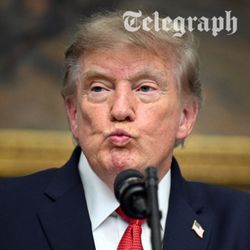
‘Bloodbath’: Why Trump could lose the House over the Iran war
26:58|As the Strait of Hormuz closure pushes US petrol prices past $4 a gallon and Donald Trump’s approval ratings hit rock bottom, the Republicans are increasingly worried the Iran war could create a “bloodbath” in the midterms. In this bonus episode of Iran: The Latest, Venetia Rainey is joined by chief Washington correspondent Connor Stringer to look at five ways the Middle East conflict is actively reshaping domestic US politics, from the economy to splits in the Democrats and Republicans to record spending pro-Israel lobby group AIPAC. Could Trump lose the House of Representatives because of the war?Plus, how the November US midterm elections work, what’s a Super PAC, and the key primary races you need to know about. HighlightsWhy Trump could lose the House over the Iran war‘It could be a bloodbath for the Republicans’CONTRIBUTORS:Venetia Rainey, co-host and executive producer @venetiaraineyConnor Stringer, chief Washington correspondent @connorstringerWATCH US ON YOUTUBE: https://www.youtube.com/playlist?list=PLJnf_DDTfIVAif-vifC6F2aoPB8GIw6dkWinner Best News and Analysis Podcast - Publisher Podcast Awards 2026Nominated Podcast of the Year - Society of Editors News Podcasts Awards 2026Nominated Best News, Politics and Current Affairs - British Podcast Awards 2026The Telegraph, Winner Podcast Publisher of the Year 2026 - Publisher Podcast Awards 2026Audio Producer: Joleen Goffin and David DargahiVideo Producer: Max BowerResearcher and Social Producer: Anna HindmarshStudio Operator: Andy WatsonExecutive Producer: Venetia Rainey ► Sign up to our most popular newsletter, From the Editor. Look forward to receiving free-thinking comment and the day's biggest stories, every morning. telegraph.co.uk/fromtheeditor► EMAIL US: Contact the team on battlelines@telegraph.co.uk► GET THE LATEST HEADLINES: Find all our latest Iran coverage here: https://www.telegraph.co.uk/iran-war/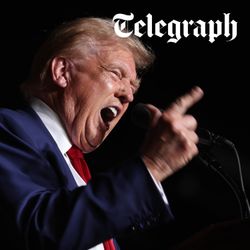
‘No way out’: How Trump trapped US in Iran war as world stands by
42:23|‘If there were a university delivering degrees in strategic malpractice, Donald Trump would without a doubt graduate summa cum laude.’On today’s episode of Iran: the Latest, Roland Oliphant gets a damning assessment of the US-Iran war from one of America’s most seasoned Middle East diplomats, Aaron David Miller. A former State Department analyst and negotiator across six Republican and Democratic administrations and now a senior fellow at the Carnegie Endowment for International Peace, Miller delivers a blunt verdict on Washington’s strategic failures. As the Middle East conflict hits the six-month mark and the Strait of Hormuz remains officially closed, he explains why he can see no clear exit options for Trump. Despite Washington unleashing an "economic D-Day" and the "toughest sanctions in history," Tehran shows no sign of backing down. Plus, why Secretary of State Marco Rubio is MIA and how a “serious retrenchment” of US forces in the Gulf is likely, amid news that some bases may not be fully rebuilt after the war. Highlights‘Trump would graduate summa cum laude in strategic malpractice'Veteran US diplomat Aaron David Miller on the US-Iran war CONTRIBUTORS:Roland Oliphant, co-host and chief foreign affairs analyst @RolandOliphantAaron David Miller, senior fellow at the Carnegie Endowment for International Peace @aarondmiller2WATCH US ON YOUTUBE: https://www.youtube.com/playlist?list=PLJnf_DDTfIVAif-vifC6F2aoPB8GIw6dkWinner Best News and Analysis Podcast - Publisher Podcast Awards 2026Nominated Podcast of the Year - Society of Editors News Podcasts Awards 2026Nominated Best News, Politics and Current Affairs - British Podcast Awards 2026The Telegraph, Winner Podcast Publisher of the Year 2026 - Publisher Podcast Awards 2026Audio Producer: David Dargahi Video Producer: Max BowerResearcher and Social Producer: Anna HindmarshStudio Operator: Andy WatsonExecutive Producer: Venetia Rainey ► Sign up to our most popular newsletter, From the Editor. Look forward to receiving free-thinking comment and the day's biggest stories, every morning. telegraph.co.uk/fromtheeditor► EMAIL US: Contact the team on battlelines@telegraph.co.uk► GET THE LATEST HEADLINES: Find all our latest Iran coverage here: https://www.telegraph.co.uk/iran-war/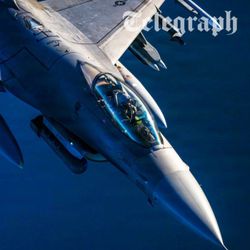
Trump vows 'economic D-Day' as US jets escort oil tankers through Hormuz
35:40|Donald Trump has vowed an ‘economic D-Day’ to crush Iran, amid news that the US military is stealthily getting oil out of the Strait of Hormuz despite Tehran’s attacks. Will US jets escorting tankers stop oil prices from rising further?In today’s episode of Iran: The Latest, Roland Oliphant talks to Matthew Savill, director of Military Sciences at the UK’s Royal United Services Institute (RUSI), to dissect the reality of Iran’s diminishing maritime leverage in the war, and how effective economic pressure will be on the Iranian regime. Plus, Britain’s diminishing minehunting capabilities in the Middle East, why Iran views the UK as the ‘Little Satan’, and what it’s like to be attacked by Iranian-backed militias in Iraq. HighlightsDonald Trump vows ‘economic D-Day’ to crush IranUS military stealthily getting oil out of the Strait of HormuzCONTRIBUTORS:Roland Oliphant, co-host and chief foreign affairs analyst @RolandOliphantMatthew Savill, RUSI director of Military Sciences, @MTSavillWATCH US ON YOUTUBE: https://www.youtube.com/playlist?list=PLJnf_DDTfIVAif-vifC6F2aoPB8GIw6dkCONTENT REFERENCED:Trump declares ‘economic D-Day’ against Iranhttps://www.telegraph.co.uk/us/news/2026/08/20/trump-declares-economic-d-day-iran-sanctions/Winner Best News and Analysis Podcast - Publisher Podcast Awards 2026Nominated Podcast of the Year - Society of Editors News Podcasts Awards 2026Nominated Best News, Politics and Current Affairs - British Podcast Awards 2026The Telegraph, Winner Podcast Publisher of the Year 2026 - Publisher Podcast Awards 2026Audio Producer: David Dargahi Video Producer: Max BowerResearcher and Social Producer: Anna HindmarshStudio Operator: Andy WatsonExecutive Producer: Venetia Rainey ► Sign up to our most popular newsletter, From the Editor. Look forward to receiving free-thinking comment and the day's biggest stories, every morning. telegraph.co.uk/fromtheeditor► EMAIL US: Contact the team on battlelines@telegraph.co.uk► GET THE LATEST HEADLINES: Find all our latest Iran coverage here: https://www.telegraph.co.uk/iran-war/