Share
Iran: The Latest
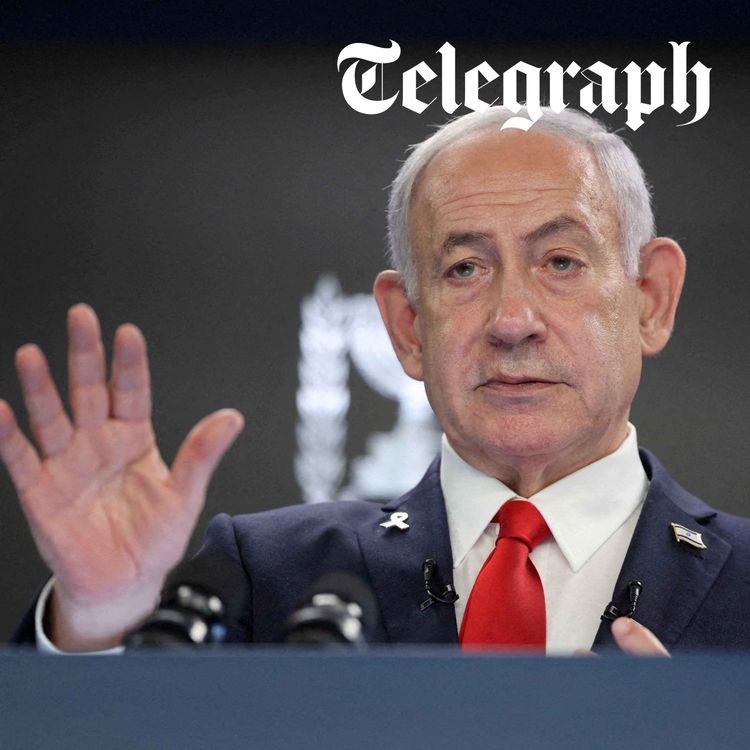
What Trump's angry call with Netanyahu means for the Iran war
Could Israel’s campaign against Hezbollah ruin the US’s attempts to strike a deal with Iran?
News today about a fiery, expletive-laden phone call suggests Donald Trump is very upset with Benjamin Netanyahu and has forced him to halt a planned attack on Beirut.
Michael Young from the Carnegie Middle East Center think tank joins from the Lebanese capital to take Venetia Rainey and Sophia Yan through the latest news from this active frontline, how Hezbollah has been rearmed by Iran and what it means for the broader war.
Plus, Roland Oliphant gets a rare look inside Iran with Jan Egeland, secretary general of the aid organisation Norwegian Refugee Council, who describes the bombed-out police stations, factories, military posts and homes he has seen first-hand across the country.
Highlights
- What Trump's angry call with Netanyahu means for the Iran war
- Inside Iran: ‘Bombed-out police stations, factories and military posts’
CONTRIBUTORS:
Venetia Rainey, co-host and executive producer @venetiarainey
Sophia Yan, co-host and senior foreign correspondent @sophia_yan
Jan Egeland, NRC secretary-general @NRC_Egeland
Michael Young, Carnegie Middle East Center senior editor @BeirutCalling
Producer: Peter Shevlin
Executive Producers: Venetia Rainey & Louisa Wells
► Sign up to our most popular newsletter, From the Editor. Look forward to receiving free-thinking comment and the day's biggest stories, every morning. telegraph.co.uk/fromtheeditor
► EMAIL US: Contact the team on battlelines@telegraph.co.uk
► GET THE LATEST HEADLINES: Find all our latest Iran coverage here: https://www.telegraph.co.uk/iran-war/
More episodes
View all episodes
Trump vows ‘mini Operation Epic Fury’ as Iran plots to kill Americans
38:48|Donald Trump has threatened to restart the war with Iran with “another little Operation Epic Fury”, even as US intelligence exposes advanced Iranian plots targeting American personnel across the Middle East. On today’s episode of Iran: the Latest, Venetia Rainey and Roland Oliphant look at why the US and Israel are delaying strikes until after the midterm and parliamentary elections. Sascha Bruchmann, Research Fellow at the IISS in Bahrain, breaks down why the region is changing forever and the Gulf’s military posture as leaders from Saudi Arabia, Pakistan and Turkey visit Iran for an emergency summit. Plus, former President Barack Obama weighs in on the Iran war, the Tehran-backed Houthi forces launch ballistic missiles at Riyadh’s main airport, why war resilience is about more than stockpiling. HighlightsTrump vows a ‘little Operation Epic Fury’ against IranTehran plots to target American personnel across the Middle EastCONTRIBUTORS:Venetia Rainey, co-host and executive producer @venetiaraineyRoland Oliphant, co-host and chief foreign affairs analyst @RolandOliphantSascha Bruchmann, IISS Defence and Military Analysis Research Fellow WATCH US ON YOUTUBE: https://www.youtube.com/playlist?list=PLJnf_DDTfIVAif-vifC6F2aoPB8GIw6dkCONTENT REFERENCED:Obama accuses Trump of ‘chaos, cruelty and corruption’https://www.telegraph.co.uk/world-news/2026/10/25/obama-accuses-trump-chaos-cruelty-corruption/US withdraws diplomats from Saudi Arabiahttps://www.telegraph.co.uk/world-news/2026/10/22/us-withdraws-diplomats-from-saudi-arabia/Winner Podcast of the Year - London Press Club Awards 2026Winner Best News and Analysis Podcast - Publisher Podcast Awards 2026Bronze Best News, Politics and Current Affairs - British Podcast Awards 2026Nominated Podcast of the Year - Society of Editors News Podcasts Awards 2026The Telegraph, Winner Podcast Publisher of the Year 2026 - Publisher Podcast Awards 2026Producers: Peter Shevlin and Max Bower Researcher and Social Producer: Anna HindmarshStudio Operator: Andy WatsonExecutive Producer: Venetia Rainey ► Sign up to our most popular newsletter, From the Editor. Look forward to receiving free-thinking comment and the day's biggest stories, every morning. telegraph.co.uk/fromtheeditor► EMAIL US: Contact the team on battlelines@telegraph.co.uk► GET THE LATEST HEADLINES: Find all our latest Iran coverage here: https://www.telegraph.co.uk/iran-war/
US Navy prepares indefinite Iran blockade as Houthi missiles target Riyadh
29:25|The US is preparing for a protracted war with Iran as Donald Trump’s UN ambassador, Mike Waltz, warns the US Navy can maintain its maritime blockade on Iranian ports indefinitely. With Iranian seaborne oil exports falling toward zero, Washington is tightening its economic pressure campaign to force concessions on Tehran’s nuclear program.On today’s episode of Iran: The Latest, host Roland Oliphant is joined by The Telegraph’s chief foreign affairs commentator David Blair. They unpack the escalation across the Middle East as Saudi air defenses intercept a Houthi ballistic missile over Riyadh, European and Middle Eastern foreign ministers convene in Istanbul, and the environmental cost of the war as UAE temporarily closes a beach due to dangerous contamination by a spill from a tanker.Plus, oil prices surge to a five-month high amid fears of fresh US-Israeli strikes, and Benjamin Netanyahu orders a total lockdown of the West Bank just days before Israel's general election.HighlightsUS Navy prepares for indefinite Iran blockade as oil revenues hit zeroHouthis target a ballistic missile at Riyadh as regional allies convene in IstanbulCONTRIBUTORS:Roland Oliphant, co-host and chief foreign affairs analyst @RolandOliphantDavid Blair, chief foreign affairs commentator @davidblairdtWATCH US ON YOUTUBE: https://www.youtube.com/playlist?list=PLJnf_DDTfIVAif-vifC6F2aoPB8GIw6dkCONTENT REFERENCED:Israel closes West Bank after shoot-out days before election https://www.telegraph.co.uk/world-news/2026/10/23/israel-closes-west-bank-after-shootout-before-election/ The testimony of 24 soldiers has put the Gaza toll at the heart of Israel’s election https://www.telegraph.co.uk/news/2026/10/21/naza-film-israel-netanyahu-election/?recomm_id=d05acaf9-6799-4c4c-b651-e0e86e1d4d0b Winner Best News and Analysis Podcast - Publisher Podcast Awards 2026Bronze Best News, Politics and Current Affairs - British Podcast Awards 2026Nominated Podcast of the Year - Society of Editors News Podcasts Awards 2026Winner Podcast of the Year - London Press Club Awards 2026The Telegraph, Winner Podcast Publisher of the Year 2026 - Publisher Podcast Awards 2026Producers: Peter Shevlin and Max Bower Researcher and Social Producer: Anna HindmarshStudio Operator: Chris JanuaryExecutive Producer: Venetia Rainey ► Sign up to our most popular newsletter, From the Editor. Look forward to receiving free-thinking comment and the day's biggest stories, every morning. telegraph.co.uk/fromtheeditor► EMAIL US: Contact the team on battlelines@telegraph.co.uk► GET THE LATEST HEADLINES: Find all our latest Iran coverage here: https://www.telegraph.co.uk/iran-war/
Iran threatens to cut undersea cables as US and Israel plan new strikes
35:26|Further details have emerged regarding US-Israeli plans for a joint military campaign against Iran after the midterm elections. Following sightings of Israeli Air Force jets flying up to the Iranian border on Monday, plans for a three-day military blitz on Iran’s nuclear facilities and energy infrastructure were revealed to the New York Times.On today’s episode of Iran: the Latest, Roland Oliphant speaks to Reuters global defence commentator Peter Apps about whether a renewed campaign can force Tehran’s hand or if it will trigger a devastating cycle of retaliation across Gulf energy fields. They examine the collapse of Iran’s shadow tanker fleet, escalating Houthi strikes in Saudi Arabia, and whether expanding cyber warfare and drone technology mean the West is already entangled in a broader global conflict.Plus, what would be the global impact of Iranian attacks on undersea cables in the Persian Gulf, and why Russian trawlers are spying on critical British subsea infrastructure.HighlightsIran’s ‘shadow fleet’ has run out of oil after a monthslong US blockade.How conflicts around the world are inextricably linked and are AI cyber attacks dragging the West into global war?CONTRIBUTORS:Roland Oliphant, co-host and chief foreign affairs analyst @RolandOliphantPeter Apps, global defence commentator for Reuters @pete_appsWATCH US ON YOUTUBE: https://www.youtube.com/playlist?list=PLJnf_DDTfIVAif-vifC6F2aoPB8GIw6dkCONTENT REFERENCED:US and Israel practise fresh strikes on Iran’s border https://www.telegraph.co.uk/world-news/2026/10/22/us-and-israel-practise-fresh-strikes-on-irans-border/US withdraws diplomats from Saudi Arabia https://www.telegraph.co.uk/world-news/2026/10/22/us-withdraws-diplomats-from-saudi-arabia/Netanyahu pushes for new strikes against Iran before Israeli election https://www.telegraph.co.uk/world-news/2026/10/21/netanyahu-wants-new-strikes-on-iran-before-israel-elections/Iran threatens to cut Hormuz internet cables https://www.telegraph.co.uk/world-news/2026/10/20/iran-threatens-cut-hormuz-internet-cables/Exclusive: Putin sends fishing trawlers to spy on Britain https://www.telegraph.co.uk/news/2026/10/21/exclusive-putin-sends-fishing-trawlers-to-spy-on-britain/Winner Podcast of the Year - London Press Club Awards 2026Winner Best News and Analysis Podcast - Publisher Podcast Awards 2026Bronze Best News, Politics and Current Affairs - British Podcast Awards 2026Nominated Podcast of the Year - Society of Editors News Podcasts Awards 2026The Telegraph, Winner Podcast Publisher of the Year 2026 - Publisher Podcast Awards 2026Producers: Peter Shevlin and Max BowerResearcher and Social Producer: Anna HindmarshStudio Operator: Andy WatsonExecutive Producer: Venetia Rainey► Sign up to our most popular newsletter, From the Editor. Look forward to receiving free-thinking comment and the day's biggest stories, every morning. telegraph.co.uk/fromtheeditor► EMAIL US: Contact the team on battlelines@telegraph.co.uk► GET THE LATEST HEADLINES: Find all our latest Iran coverage here: https://www.telegraph.co.uk/iran-war/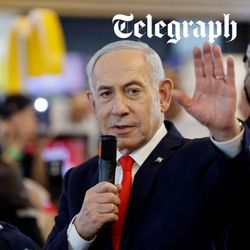
Israel and the US weigh fresh Iran strikes as the Houthi siege deepens
32:55|Israeli Prime Minister Benjamin Netanyahu instructed his military to plan a multi-day bombing campaign targeting Iranian nuclear facilities and power grids, as talks with US Defense Secretary Pete Hegseth signal preparation for joint military action against Iran. On today’s episode of Iran: the Latest, Roland Oliphant speaks with global health security editor Paul Nuki about Netanyahu’s vow to dismantle the Iranian regime, the political calculations behind Trump delaying military action until after the midterms, and whether an Israeli election could derail Netanyahu’s foreign policy plans. They examine the domestic atmosphere in Israel and consider the key factors that will decide the vote in next week's election. Plus, how IRGC threats against undersea internet cables in the Strait of Hormuz threaten global commerce, and how Houthi missile strikes are driving Saudi Arabia toward economic breaking point.HighlightsNetanyahu’s multi-day bombing campaign against Iran revealedThe key factors that will decide next week’s Israeli general election IRGC target subsea internet cables in the Strait of Hormuz CONTRIBUTORS:Roland Oliphant, co-host and chief foreign affairs analyst @RolandOliphantPaul Nuki, global health security editor @PaulNukiWATCH US ON YOUTUBE: https://www.youtube.com/playlist?list=PLJnf_DDTfIVAif-vifC6F2aoPB8GIw6dkCONTENT REFERENCED:Two RAF Fairford suspects arrested for spying for Iran https://www.telegraph.co.uk/news/2026/10/20/police-re-arrest-two-raf-fairford-terror-suspects/ Winner Best News and Analysis Podcast - Publisher Podcast Awards 2026Bronze Best News, Politics and Current Affairs - British Podcast Awards 2026Nominated Podcast of the Year - Society of Editors News Podcasts Awards 2026Winner Podcast of the Year - London Press Club Awards 2026The Telegraph, Winner Podcast Publisher of the Year 2026 - Publisher Podcast Awards 2026Producers: Peter Shevlin and Max Bower Researcher and Social Producer: Anna HindmarshStudio Operator: Andy WatsonExecutive Producer: Venetia Rainey ► Sign up to our most popular newsletter, From the Editor. Look forward to receiving free-thinking comment and the day's biggest stories, every morning. telegraph.co.uk/fromtheeditor► EMAIL US: Contact the team on battlelines@telegraph.co.uk► GET THE LATEST HEADLINES: Find all our latest Iran coverage here: https://www.telegraph.co.uk/iran-war/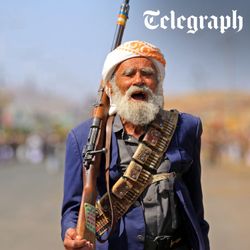
UK sends Typhoon jets to protect Saudi Arabia against the Houthis
48:29|British RAF Typhoon fighter jets will be deployed to defend cities and critical infrastructure in Saudi Arabia, following the Yemen-based militant group’s deadliest attack yet, a devastating assault that killed at least 70 people, all new recruits aged 18 to 20, at a training camp. On today’s episode of Iran: The Latest, Sophia Yan is joined by former UK Ambassador to Yemen Edmund Fitton-Brown to examine the escalating Houthi missile campaign, Britain's military role in the Gulf, and whether Donald Trump will expand US strikes following the midterms. They discuss whether Iran can keep control over the ‘violent’ and ‘ambitious’ Houthi militants, the origin story of the Yemen-based mlitant group, and the strength of their support base.Plus, Fitton-Brown reveals inside details of the near-miss 2016 peace deal between Saudi Arabia and the Houthis, and why the militants walked away at the final hour to insist total victory.HighlightsUK RAF Typhoon jets deploy to defend Saudi ArabiaNetanyahu insists he and Trump “have a job to finish” as speculation rises over whether Trump will launch another attack on Iran after the midterms. CONTRIBUTORS:Sophia Yan, co-host and senior foreign correspondent @sophia_yanEdmund Fitton-Brown, former UK ambassador to Yemen and current senior fellow at FDD @EFittonBrownWATCH US ON YOUTUBE: https://www.youtube.com/playlist?list=PLJnf_DDTfIVAif-vifC6F2aoPB8GIw6dkCONTENT REFERENCED:RAF fighter jets to defend Saudi cities from Houthi attacks https://www.telegraph.co.uk/news/2026/10/20/raf-fighter-jets-to-defend-saudi-cities-from-houthi-attacks/ Winner Best News and Analysis Podcast - Publisher Podcast Awards 2026Bronze Best News, Politics and Current Affairs - British Podcast Awards 2026Nominated Podcast of the Year - Society of Editors News Podcasts Awards 2026Nominated Podcast of the Year - London Press Club Awards 2026The Telegraph, Winner Podcast Publisher of the Year 2026 - Publisher Podcast Awards 2026Producers: Peter Shevlin and Max Bower Researcher and Social Producer: Anna HindmarshStudio Operator: Andy WatsonExecutive Producer: Venetia Rainey ► Sign up to our most popular newsletter, From the Editor. Look forward to receiving free-thinking comment and the day's biggest stories, every morning. telegraph.co.uk/fromtheeditor► EMAIL US: Contact the team on battlelines@telegraph.co.uk► GET THE LATEST HEADLINES: Find all our latest Iran coverage here: https://www.telegraph.co.uk/iran-war/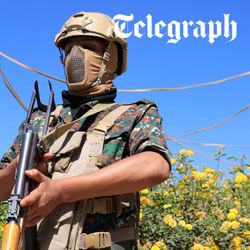
Egypt weighs entering war against the Houthis as strikes threaten global shipping
36:02|Houthi ballistic missile strikes kill 20 people in Yemen as Egypt considers sending military support to help Saudi Arabia counter Iranian threats in the Red Sea.On today’s episode of Iran: the Latest, Sophia Yan speaks to the Telegraph’s Executive Defence and Foreign Affairs Editor Con Coughlin and Chatham House Middle East expert Dr. Lina Khatib.They analyze Iran’s turn to asymmetric proxy warfare as Houthi strikes continue. Meanwhile, Western intelligence faces a renewed threat as Tehran appoints Mehrdad Akhlaghi Ketabchi, known as Iran’s "Missile Man", as its new defence minister to rebuild its degraded ballistic missile arsenal.Plus, Donald Trump endorses Benjamin Netanyahu ahead of Israel's national election, and why Iran’s remaining, highly ideological leadership core could make Tehran more dangerous than ever.HighlightsIran’s "Missile Man" appointed as new Defence Minister and what this means for the war.A sign of expanding regional support against the Houthis, as Egypt considers sending troops to support Saudi ArabiaCONTRIBUTORS:Sophia Yan, co-host and senior foreign correspondent @sophia_yanCon Coughlin, executive defence and foreign affairs editor @con_coughlinDr. Lina Khatib, Chatham House Middle East expert @LinaKhatibUKWATCH US ON YOUTUBE: https://www.youtube.com/playlist?list=PLJnf_DDTfIVAif-vifC6F2aoPB8GIw6dkCONTENT REFERENCED:The Houthis are Europe’s problem https://www.telegraph.co.uk/news/2026/10/15/houthis-are-europe-problem/?recomm_id=c1d5b4ae-93da-41d2-af79-bec524a0c34eIran’s proxies are propping up Tehran with financial support, says US https://www.telegraph.co.uk/world-news/2026/10/17/irans-proxies-propping-up-tehran-financial-support-us/?recomm_id=b2d4de18-e667-484b-a32a-eac0926b890aWinner Best News and Analysis Podcast - Publisher Podcast Awards 2026Bronze Best News, Politics and Current Affairs - British Podcast Awards 2026Nominated Podcast of the Year - Society of Editors News Podcasts Awards 2026Nominated Podcast of the Year - London Press Club Awards 2026The Telegraph, Winner Podcast Publisher of the Year 2026 - Publisher Podcast Awards 2026Producers: Peter Shevlin and Max BowerResearcher and Social Producer: Anna HindmarshStudio Operator: Andy WatsonExecutive Producer: Venetia Rainey► Sign up to our most popular newsletter, From the Editor. Look forward to receiving free-thinking comment and the day's biggest stories, every morning. telegraph.co.uk/fromtheeditor► EMAIL US: Contact the team on battlelines@telegraph.co.uk► GET THE LATEST HEADLINES: Find all our latest Iran coverage here: https://www.telegraph.co.uk/iran-war/
‘Hegseth is unfit’: US tank commander on Iran war failures, impeachment and running for Senate
25:08|The Iran war has stretched the US Congress to breaking point and exposed Pete Hegseth’s leadership of the Pentagon as fundamentally lacking, according to an ex-tank commander who is neither a Republican nor a Democrat. On today’s bonus episode of Iran: the Latest, Venetia Rainey speaks to Todd Achilles, a US veteran of the First Gulf War who is running as an independent for Senate in Idaho. With the November midterm elections just weeks away, Achilles’ battle against Republican stalwart Jim Risch is a window into the problems facing the GOP as Donald Trump’s Iran war leads to rising fuel prices and fertiliser shortages back home. Is this the moment for a rise in independent military veteran candidates such as Achilles?Highlights‘We lost 15 bases - Hegseth is unfit for duty’US tank commander Todd Achilles on Iran war failures and running for SenateCONTRIBUTORS:Venetia Rainey, co-host and executive producer @venetiaraineyTodd Achilles, US Senate Idaho candidate @Achilles4IdahoWATCH US ON YOUTUBE: https://www.youtube.com/playlist?list=PLJnf_DDTfIVAif-vifC6F2aoPB8GIw6dkCONTENT REFERENCED:Green Beret leads ‘double haters’ in mission to blow up midtermshttps://www.telegraph.co.uk/us/politics/2026/10/05/rhodes-scholar-green-beret-end-two-party-politics-montana/US midterm elections 2026: How do they work and what could they mean for Trump?https://www.telegraph.co.uk/us/news/2026/10/16/us-midterm-elections-2026/Winner Best News and Analysis Podcast - Publisher Podcast Awards 2026Bronze Best News, Politics and Current Affairs - British Podcast Awards 2026Nominated Podcast of the Year - Society of Editors News Podcasts Awards 2026Nominated Podcast of the Year - London Press Club Awards 2026The Telegraph, Winner Podcast Publisher of the Year 2026 - Publisher Podcast Awards 2026Producers: Peter Shevlin and Max Bower Researcher and Social Producer: Anna HindmarshStudio Operator: Andy WatsonExecutive Producer: Venetia Rainey ► Sign up to our most popular newsletter, From the Editor. Look forward to receiving free-thinking comment and the day's biggest stories, every morning. telegraph.co.uk/fromtheeditor► EMAIL US: Contact the team on battlelines@telegraph.co.uk► GET THE LATEST HEADLINES: Find all our latest Iran coverage here: https://www.telegraph.co.uk/iran-war/
Iran’s terror network exposed & how pinpoint IRGC strikes smashed up the Gulf
39:33|A new report exposes how pinpoint strikes by Iran and its proxies hit at least 84 Gulf infrastructure targets a total of 135 times, systematically disabling key infrastructure throughout the war.On today’s episode of Iran: the Latest, Sophia Yan speaks to national security editor Rozina Sabur and Iranian terrorism specialist Roger Macmillan about the widening scope of Tehran's hybrid warfare, from the Middle East to Europe. They unpack how the IRGC is weaponising criminal networks to orchestrate hit squads and sabotage operations on Western soil - including a growing number of foiled terror plots targeting military and Jewish sites in the UK. MI5’s boss this week issued a rare warning - but is anyone paying attention?Plus, Houthi ballistic missiles kill five at the presidential palace in the port city of Aden, and how US President Donald Trump is balancing escalating nuclear strike options ahead of the US midterm elections - and why it could make Iran more dangerous. HighlightsHow pinpoint Iranian strikes smashed up the Gulf’s key sitesIRGC’s terror network across Europe exposed CONTRIBUTORS:Sophia Yan, co-host and senior foreign correspondent @sophia_yanRozina Sabur, national security editor @RozinaSaburRoger Macmillan, former Director of Security at Iran International TV @RogermacmillanWATCH US ON YOUTUBE: https://www.youtube.com/playlist?list=PLJnf_DDTfIVAif-vifC6F2aoPB8GIw6dkCONTENT REFERENCED:Iran-backed Houthis on brink of taking Taiz in massive blow to Saudi Arabiahttps://youtu.be/cSyCHTlh9Vo?si=nWqBqSjpqgOa2IxpIran’s precision strikes picked apart Gulf infrastructure, blunting US war planshttps://www.reuters.com/investigates/special-report/iran-crisis-infrastructure-attacks/Iran’s terrifying global campaign of revenge – and how it targets enemieshttps://www.telegraph.co.uk/world-news/2026/09/27/irans-terrifying-revenge-countries-that-oppose-it/Teenage assassin sent to Britain by Iranian proxy jailed for 20 yearshttps://www.telegraph.co.uk/news/2026/10/16/teenage-assassin-sent-to-britain-by-iranian-proxy-jailed/Migrant who ‘planned UK terror attack’ claimed asylum in Germanyhttps://www.telegraph.co.uk/news/2026/10/03/israel-anti-semitism-iran-ahmadyan-salehi/Winner Best News and Analysis Podcast - Publisher Podcast Awards 2026Bronze Best News, Politics and Current Affairs - British Podcast Awards 2026Nominated Podcast of the Year - Society of Editors News Podcasts Awards 2026Nominated Podcast of the Year - London Press Club Awards 2026The Telegraph, Winner Podcast Publisher of the Year 2026 - Publisher Podcast Awards 2026Producers: Peter Shevlin and Max Bower Researcher and Social Producer: Anna HindmarshStudio Operator: Andy WatsonExecutive Producer: Venetia Rainey ► Sign up to our most popular newsletter, From the Editor. Look forward to receiving free-thinking comment and the day's biggest stories, every morning. telegraph.co.uk/fromtheeditor► EMAIL US: Contact the team on battlelines@telegraph.co.uk► GET THE LATEST HEADLINES: Find all our latest Iran coverage here: https://www.telegraph.co.uk/iran-war/
Iran sinks two ships in Strait of Hormuz as Houthis ‘days’ from taking Yemen’s Taiz
36:55|Iran has sunk two cargo vessels in under 24 hours in the Strait of Hormuz for the first time since the war began in March. On today’s episode of Iran: the Latest, Venetia Rainey speaks to chief foreign affairs commentator David Blair about why Tehran is expanding its pace of attacks. So far the US has avoided a military response but how long can that last? Meanwhile, news that US President Donald Trump is considering using the GBU-43/B Massive Ordnance Air Blast Bomb - aka the “mother of all bombs”. Plus, the Iran-backed Houthis have encircled Yemen’s Taiz and are on the cusp of taking the strategic city for the first time in the war in what would be a major blow to Saudi Arabia. Maysaa Shuja Al-Deen, a Yemeni senior researcher from the Sana’a Center for Strategic Studies, explains why the Houthis are so desperate to capture Taiz as a stepping-stone to oil-rich Marib and port city Aden and how it could take just “days” to fall. With around a million people trapped inside and news of food and medicine shortages, a humanitarian disaster is looming and Iran’s proxy group is on the brink of a major victory. HighlightsIran sinks two ships in Strait of Hormuz as attacks escalateHouthis ‘days’ from taking Yemen’s key city of TaizCONTRIBUTORS:Venetia Rainey, co-host and executive producer @venetiaraineyDavid Blair, chief foreign affairs commentator @davidblairdtMaysaa Shuja Al-Deen from the Sana’a Center for Strategic Studies @maysaashujaaWATCH US ON YOUTUBE: https://www.youtube.com/playlist?list=PLJnf_DDTfIVAif-vifC6F2aoPB8GIw6dkCONTENT REFERENCED:Iran hits six oil tankers in single dayhttps://www.telegraph.co.uk/world-news/2026/10/13/iran-hits-six-oil-tankers-day-hormuz-war-america-trump/Trump lines up ‘mother of all bombs’ to strike Iranhttps://www.telegraph.co.uk/world-news/2026/10/15/trump-mother-of-all-bombs-strike-iran-moab/Houthis on brink of taking their biggest scalphttps://www.telegraph.co.uk/world-news/2026/10/13/houthis-on-brink-of-seizing-their-biggest-scalp/Con Coughlin: The Houthis are Europe’s problemhttps://www.telegraph.co.uk/news/2026/10/15/houthis-are-europe-problem/Winner Best News and Analysis Podcast - Publisher Podcast Awards 2026Bronze Best News, Politics and Current Affairs - British Podcast Awards 2026Nominated Podcast of the Year - Society of Editors News Podcasts Awards 2026Nominated Podcast of the Year - London Press Club Awards 2026The Telegraph, Winner Podcast Publisher of the Year 2026 - Publisher Podcast Awards 2026Producers: Peter Shevlin and Max Bower Researcher and Social Producer: Anna HindmarshStudio Operator: Andy WatsonExecutive Producer: Venetia Rainey ► Sign up to our most popular newsletter, From the Editor. Look forward to receiving free-thinking comment and the day's biggest stories, every morning. telegraph.co.uk/fromtheeditor► EMAIL US: Contact the team on battlelines@telegraph.co.uk► GET THE LATEST HEADLINES: Find all our latest Iran coverage here: https://www.telegraph.co.uk/iran-war/