Share
Iran: The Latest
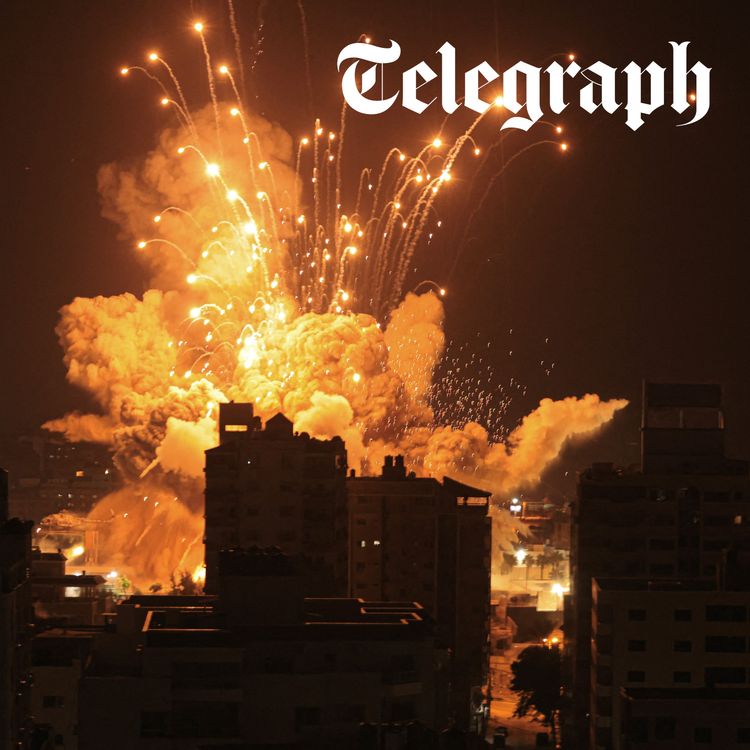
Indiscriminate weapons: how wars became so deadly for civilians
More children are being killed by explosive weapons than at any other time in history, according to a major new report by Save the Children and Imperial College London.
It’s clear there has been a shift in the way wars are being fought, and children are being caught in the crosshairs.
In this exclusive interview, Arthur and Paul ask George Graham, Executive Director for Global Impact at Save the Children, and Shehan Hettiaratchy, from the Centre for Paediatric Blast Injury Studies at Imperial College London why have wars become so much more deadly for civilians and children in particular?
Producer: Sophie O'Sullivan
Executive Producer: Louisa Wells
Studio Operator: Meghan Searle
► Sign up to our most popular newsletter, From the Editor. Look forward to receiving free-thinking comment and the day's biggest stories, every morning. telegraph.co.uk/fromtheeditor
Picture credit: MAHMUD HAMS / AFP
Contact us with feedback or ideas:
battlelines@telegraph.co.uk
@venetiarainey
@ascottgeddes
Hosted on Acast. See acast.com/privacy for more information.
More episodes
View all episodes
‘Bloodbath’: Why Trump could lose the House over the Iran war
26:58|As the Strait of Hormuz closure pushes US petrol prices past $4 a gallon and Donald Trump’s approval ratings hit rock bottom, the Republicans are increasingly worried the Iran war could create a “bloodbath” in the midterms. In this bonus episode of Iran: The Latest, Venetia Rainey is joined by chief Washington correspondent Connor Stringer to look at five ways the Middle East conflict is actively reshaping domestic US politics, from the economy to splits in the Democrats and Republicans to record spending pro-Israel lobby group AIPAC. Could Trump lose the House of Representatives because of the war?Plus, how the November US midterm elections work, what’s a Super PAC, and the key primary races you need to know about. HighlightsWhy Trump could lose the House over the Iran war‘It could be a bloodbath for the Republicans’CONTRIBUTORS:Venetia Rainey, co-host and executive producer @venetiaraineyConnor Stringer, chief Washington correspondent @connorstringerWATCH US ON YOUTUBE: https://www.youtube.com/playlist?list=PLJnf_DDTfIVAif-vifC6F2aoPB8GIw6dkWinner Best News and Analysis Podcast - Publisher Podcast Awards 2026Nominated Podcast of the Year - Society of Editors News Podcasts Awards 2026Nominated Best News, Politics and Current Affairs - British Podcast Awards 2026The Telegraph, Winner Podcast Publisher of the Year 2026 - Publisher Podcast Awards 2026Audio Producer: Joleen Goffin and David DargahiVideo Producer: Max BowerResearcher and Social Producer: Anna HindmarshStudio Operator: Andy WatsonExecutive Producer: Venetia Rainey ► Sign up to our most popular newsletter, From the Editor. Look forward to receiving free-thinking comment and the day's biggest stories, every morning. telegraph.co.uk/fromtheeditor► EMAIL US: Contact the team on battlelines@telegraph.co.uk► GET THE LATEST HEADLINES: Find all our latest Iran coverage here: https://www.telegraph.co.uk/iran-war/
‘No way out’: How Trump trapped US in Iran war as world stands by
42:23|‘If there were a university delivering degrees in strategic malpractice, Donald Trump would without a doubt graduate summa cum laude.’On today’s episode of Iran: the Latest, Roland Oliphant gets a damning assessment of the US-Iran war from one of America’s most seasoned Middle East diplomats, Aaron David Miller. A former State Department analyst and negotiator across six Republican and Democratic administrations and now a senior fellow at the Carnegie Endowment for International Peace, Miller delivers a blunt verdict on Washington’s strategic failures. As the Middle East conflict hits the six-month mark and the Strait of Hormuz remains officially closed, he explains why he can see no clear exit options for Trump. Despite Washington unleashing an "economic D-Day" and the "toughest sanctions in history," Tehran shows no sign of backing down. Plus, why Secretary of State Marco Rubio is MIA and how a “serious retrenchment” of US forces in the Gulf is likely, amid news that some bases may not be fully rebuilt after the war. Highlights‘Trump would graduate summa cum laude in strategic malpractice'Veteran US diplomat Aaron David Miller on the US-Iran war CONTRIBUTORS:Roland Oliphant, co-host and chief foreign affairs analyst @RolandOliphantAaron David Miller, senior fellow at the Carnegie Endowment for International Peace @aarondmiller2WATCH US ON YOUTUBE: https://www.youtube.com/playlist?list=PLJnf_DDTfIVAif-vifC6F2aoPB8GIw6dkWinner Best News and Analysis Podcast - Publisher Podcast Awards 2026Nominated Podcast of the Year - Society of Editors News Podcasts Awards 2026Nominated Best News, Politics and Current Affairs - British Podcast Awards 2026The Telegraph, Winner Podcast Publisher of the Year 2026 - Publisher Podcast Awards 2026Audio Producer: David Dargahi Video Producer: Max BowerResearcher and Social Producer: Anna HindmarshStudio Operator: Andy WatsonExecutive Producer: Venetia Rainey ► Sign up to our most popular newsletter, From the Editor. Look forward to receiving free-thinking comment and the day's biggest stories, every morning. telegraph.co.uk/fromtheeditor► EMAIL US: Contact the team on battlelines@telegraph.co.uk► GET THE LATEST HEADLINES: Find all our latest Iran coverage here: https://www.telegraph.co.uk/iran-war/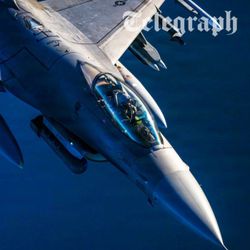
Trump vows 'economic D-Day' as US jets escort oil tankers through Hormuz
35:40|Donald Trump has vowed an ‘economic D-Day’ to crush Iran, amid news that the US military is stealthily getting oil out of the Strait of Hormuz despite Tehran’s attacks. Will US jets escorting tankers stop oil prices from rising further?In today’s episode of Iran: The Latest, Roland Oliphant talks to Matthew Savill, director of Military Sciences at the UK’s Royal United Services Institute (RUSI), to dissect the reality of Iran’s diminishing maritime leverage in the war, and how effective economic pressure will be on the Iranian regime. Plus, Britain’s diminishing minehunting capabilities in the Middle East, why Iran views the UK as the ‘Little Satan’, and what it’s like to be attacked by Iranian-backed militias in Iraq. HighlightsDonald Trump vows ‘economic D-Day’ to crush IranUS military stealthily getting oil out of the Strait of HormuzCONTRIBUTORS:Roland Oliphant, co-host and chief foreign affairs analyst @RolandOliphantMatthew Savill, RUSI director of Military Sciences, @MTSavillWATCH US ON YOUTUBE: https://www.youtube.com/playlist?list=PLJnf_DDTfIVAif-vifC6F2aoPB8GIw6dkCONTENT REFERENCED:Trump declares ‘economic D-Day’ against Iranhttps://www.telegraph.co.uk/us/news/2026/08/20/trump-declares-economic-d-day-iran-sanctions/Winner Best News and Analysis Podcast - Publisher Podcast Awards 2026Nominated Podcast of the Year - Society of Editors News Podcasts Awards 2026Nominated Best News, Politics and Current Affairs - British Podcast Awards 2026The Telegraph, Winner Podcast Publisher of the Year 2026 - Publisher Podcast Awards 2026Audio Producer: David Dargahi Video Producer: Max BowerResearcher and Social Producer: Anna HindmarshStudio Operator: Andy WatsonExecutive Producer: Venetia Rainey ► Sign up to our most popular newsletter, From the Editor. Look forward to receiving free-thinking comment and the day's biggest stories, every morning. telegraph.co.uk/fromtheeditor► EMAIL US: Contact the team on battlelines@telegraph.co.uk► GET THE LATEST HEADLINES: Find all our latest Iran coverage here: https://www.telegraph.co.uk/iran-war/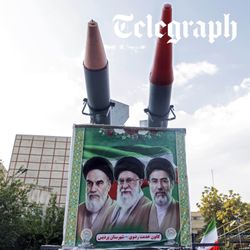
UAE cuts Iran’s economic lifeline after ‘ballistic missile strikes’
40:11|The UAE has dealt Iran a major blow by cutting off trade ties after accusing Tehran of firing two ballistic missiles towards the Gulf state. The missiles eventually landed outside territorial waters, but Abu Dhabi’s swift response could close down Iran’s key economic escape route.On today’s episode of Iran: The Latest, Sophia Yan unpacks the latest news from the Middle East war with Mahsa Alimardani, associate director of Technology Threats & Opportunities program at digital human rights group WITNESS. They discuss Iran’s state-backed cyber attacks against the West, how the Internet blackout has affected Iran’s economy and the unsophisticated AI around Supreme Leader Mojtaba Khamenei.Plus, a new Iranian draft law that would criminalise speaking to foreign media, and news reports that Iran is assessing potential strikes against US military assets in Europe.HighlightsUAE cuts Iran’s economic lifeline after ‘ballistic missile strikes’How the Internet blackout has affected Iran’s economyCHAPTERS00:00:00 - UAE Imposes Trade Embargo Following Iranian Missile Attack00:01:11 - Trump Denies Iran Talks as Hormuz Blockade Escalates00:03:06 - Ground Reality: 90 Million Iranians Face Internal Warfare00:06:04 - Khamenei Disappears: AI Deepfakes Fuel Regime Crisis00:08:58 - US-Israel-Iran Conflict Drives Unprecedented AI Information War00:11:50 - Regime Weapons-Grade Propaganda Targets US Political Divide00:14:15 - White SIM Cards: How Elite Insiders Profit Off Internet Blackouts00:22:27 - US DOJ Charges 17 Iranian Hackers Over Mass Cyber Theft00:24:57 - Tehran Criminalizes Media Contact Under Zionist Law00:33:50 - Regime Insider Warning: Iran Prepares Strikes on US Bases in EuropeCONTRIBUTORS:Sophia Yan, co-host and senior foreign correspondent @sophia_yanMahsa Alimardani, associate director of Technology Threats & Opportunities program at WITNESS @mahsaalimardaniWATCH US ON YOUTUBE: https://www.youtube.com/playlist?list=PLJnf_DDTfIVAif-vifC6F2aoPB8GIw6dkCONTENT REFERENCED:US-Iran talks have stopped, says Trumphttps://www.telegraph.co.uk/us/news/2026/08/18/us-iran-talks-have-stopped-says-trump/Winner Best News and Analysis Podcast - Publisher Podcast Awards 2026Nominated Podcast of the Year - Society of Editors News Podcasts Awards 2026Nominated Best News, Politics and Current Affairs - British Podcast Awards 2026The Telegraph, Winner Podcast Publisher of the Year 2026 - Publisher Podcast Awards 2026Audio Producer: David DargahiVideo Producer: Max BowerResearcher and Social Producer: Anna HindmarshStudio Operator: Andy WatsonExecutive Producer: Venetia Rainey ► Sign up to our most popular newsletter, From the Editor. Look forward to receiving free-thinking comment and the day's biggest stories, every morning. telegraph.co.uk/fromtheeditor► EMAIL US: Contact the team on battlelines@telegraph.co.uk► GET THE LATEST HEADLINES: Find all our latest Iran coverage here: https://www.telegraph.co.uk/iran-war/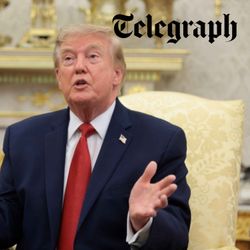
Iran strikes ship in Strait of Hormuz after Trump threatens to bomb Oman
28:31|Iran has attacked another vessel in the Strait of Hormuz, just a day after Donald Trump threatened to bomb US ally Oman if it “gets in the way” of comatose US negotiations with Tehran.On today’s episode of Iran: The Latest, Venetia Rainey is joined by chief Washington correspondent Connor Stringer to discuss Trump’s escalating frustration over the lack of a Strait of Hormuz deal and why he is hoping Treasury Secretary Scott Bessent might have a solution to the war as oil prices start to rise again. Plus, a secret backchannel between Washington and the IRGC via Iraqi Kurdistan, why Trump hasn’t endorsed Netanyahu ahead of the Israeli election, and Yemen’s government fights back against Iranian proxy group the Houthis. HighlightsOne casualty after Iran strikes ship in Strait of HormuzTrump threatens to bomb Oman for ‘misbehaving’CHAPTERS00:00 - Iran strikes ship in Strait of Hormuz01:58 - Trump threatens to bomb US ally Oman04:35 - Oil spikes to $90 as US treasury yield surges06:05 - Secret US backchannel to IRGC exposed09:55 - US launches economic siege as Iran strategy shifts11:50 - Iran vows Strait of Hormuz stays blocked15:15 - Yemen army launches 130+ strikes on Houthis16:45 - Trump sends Kushner and Blair to disarm Hamas23:20 - UN Security Council declared "not fit for purpose"25:20 - Trump's bid to replace UN chief with FIFA bossCONTRIBUTORS:Venetia Rainey, co-host and executive producer @venetiaraineyConnor Stringer, chief Washington correspondent @connorstringerWATCH US ON YOUTUBE: https://www.youtube.com/playlist?list=PLJnf_DDTfIVAif-vifC6F2aoPB8GIw6dkCONTENT REFERENCED:Trump threatens to bomb Oman over Iran dealhttps://www.telegraph.co.uk/world-news/2026/08/17/trump-threatens-to-bomb-oman-over-iran-deal/ Trump orders Bessent to cripple Iran’s economyhttps://www.telegraph.co.uk/us/politics/2026/08/12/trump-scott-bessent-end-iran-war/Ukraine: the Latest: https://linktr.ee/UkraineTheLatestAxios: Inside Trump's secret backchannel to Iran's Revolutionary Guardhttps://www.axios.com/2026/08/16/iran-backchannel-trump-gabbard-barzani-warWinner Best News and Analysis Podcast - Publisher Podcast Awards 2026Nominated Podcast of the Year - Society of Editors News Podcasts Awards 2026Nominated Best News, Politics and Current Affairs - British Podcast Awards 2026The Telegraph, Winner Podcast Publisher of the Year 2026 - Publisher Podcast Awards 2026Audio Producer: Joleen Goffin Video Producer: Max BowerResearcher and Social Producer: Anna HindmarshStudio Operator: Andy WatsonExecutive Producer: Venetia Rainey ► Sign up to our most popular newsletter, From the Editor. Look forward to receiving free-thinking comment and the day's biggest stories, every morning. telegraph.co.uk/fromtheeditor► EMAIL US: Contact the team on battlelines@telegraph.co.uk► GET THE LATEST HEADLINES: Find all our latest Iran coverage here: https://www.telegraph.co.uk/iran-us-war/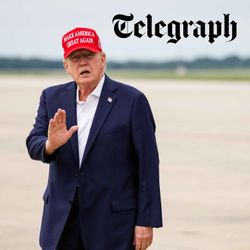
Trump ‘weighing nuclear attack on Iran’ as peace deal expires
39:42|As the US-Iran ceasefire officially expires and the Strait of Hormuz remains closed, is Donald Trump considering using nuclear weapons to break the war stalemate? On today’s episode of Iran: The Latest, Venetia Rainey and Roland Oliphant discuss why US politician Marjorie Taylor Greene’s bizarre nuclear claim may be less crazy than it first appears and how an underground nuclear facility at Pickaxe Mountain could be the potential target. They also look at the state of the war 60 days on from the ill-fated Memorandum of Understanding peace deal and why Iran is more bullish than ever. Meanwhile, US envoy Jared Kushner is in Israel to talk to Benjamin Netanyahu about Trump’s Gaza peace deal after meeting with Hamas’ leader in Egypt. Jerusalem correspondent Henry Bodkin in the West Bank explains why and discusses his dispatch from the West Bank amid a rise in military operations and settler “terrorism”. Plus, Iran’s missing pilots, the Houthis strike again in the Red Sea and why the Iran war has prompted Trump to scale back key US-South Korea military drills.HighlightsUS ‘weighing nuclear attack on Iran’, claims Marjorie Taylor Greene Why Trump has scaled back key US-South Korea military drillsCHAPTERS:00:00:04 - Iran War 60-Day Peace Deal Deadline Expires 00:01:19 - Strait of Hormuz Transit Collapses Amid MoU Failure 00:05:42 - White House Contemplates Nuclear Options for Deep Iranian Bunkers 00:10:05 - Special Forces Operation Options Considered for Enriched Uranium 00:13:40 - US Pentagon Shifts Toward Tactical Nuclear Weapons Strategy 00:15:38 - Trump Reduces Freedom Shield Joint Military Drills with South Korea 00:19:22 - Iran Mystery Sukhoi Su-24 Air Strike on US Base in Qatar 00:20:47 - Middle East Escalation: Kurdistan Drone Strikes & Red Sea Attacks 00:24:47 - Jared Kushner & Tony Blair Lead Gaza Decommissioning Peace Talks 00:30:45 - West Bank Dispatch: Settler Siege and IDF Refugee Camp RaidsCONTRIBUTORS:Venetia Rainey, co-host and executive producer @venetiaraineyRoland Oliphant, co-host and chief foreign affairs analyst @RolandOliphantHenry Bodkin, Jerusalem correspondent @HenryBodkinWATCH US ON YOUTUBE: https://www.youtube.com/playlist?list=PLJnf_DDTfIVAif-vifC6F2aoPB8GIw6dkCONTENT REFERENCED:The beaten and bruised ‘political pawns’ caught up in Israel’s electionhttps://www.telegraph.co.uk/world-news/2026/08/17/beaten-and-bruised-political-pawns-israeli-election/Israeli settlers in West Bank siege are terrorists, US sayshttps://www.telegraph.co.uk/world-news/2026/08/14/us-denounces-israeli-settlers-as-terrorists-west-bank-siege/Israeli army surrounds last Christian town in West Bankhttps://www.telegraph.co.uk/world-news/2026/08/12/israeli-army-surrounds-last-christian-town-in-west-bank/Winner Best News and Analysis Podcast - Publisher Podcast Awards 2026Nominated Podcast of the Year - Society of Editors News Podcasts Awards 2026Nominated Best News, Politics and Current Affairs - British Podcast Awards 2026The Telegraph, Winner Podcast Publisher of the Year 2026 - Publisher Podcast Awards 2026Audio Producer: Joleen GoffinVideo Producer: Max Bower and Elliott Daly Researcher and Social Producer: Anna HindmarshStudio Operator: Andy WatsonExecutive Producer: Venetia Rainey ► Sign up to our most popular newsletter, From the Editor. Look forward to receiving free-thinking comment and the day's biggest stories, every morning. telegraph.co.uk/fromtheeditor► EMAIL US: Contact the team on battlelines@telegraph.co.uk► GET THE LATEST HEADLINES: Find all our latest Iran coverage here: https://www.telegraph.co.uk/iran-war/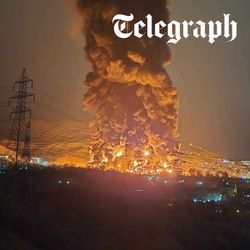
Strait of Hormuz oil spills, power outages and black rain: Iran’s escalating war damage
31:35|The US-Israel-Iran war has led to black rain and oil spills in the Strait of Hormuz - is the country facing an environmental crisis because of Donald Trump?In this weekend bonus edition of Iran: The Latest, Roland Oliphant speaks with Kaveh Madani, the award-winning director of the UN University Institute for Water, Environment and Health and also an exiled Iranian politician. They examine the live impact on the ground of the conflict, from power outages to water shortages. Plus, Tehran was on the brink of being evacuated due to a major drought last year, so what happened? Kaveh explains how Iran narrowly escaped a major catastrophe and the wild war-related conspiracy theories going around to explain it. HighlightsIran faces Strait of Hormuz oil spills, power outages and black rainThe escalating war damage to the Iranian environmentCONTRIBUTORS:Roland Oliphant, co-host and chief foreign affairs analyst @RolandOliphantKaveh Madani, director of the UN University Institute for Water, Environment and Health @KavehMadaniWATCH US ON YOUTUBE: https://www.youtube.com/playlist?list=PLJnf_DDTfIVAif-vifC6F2aoPB8GIw6dkCONTENT REFERENCED:Listen to the previous interview with Kaveh Madani: ‘Worse than war with Israel’: Why Iran’s regime is on edgehttps://www.telegraph.co.uk/news/2025/11/10/worse-than-war-with-israel-why-irans-regime-is-on-edge/Winner Best News and Analysis Podcast - Publisher Podcast Awards 2026Nominated Podcast of the Year - Society of Editors News Podcasts Awards 2026Nominated Best News, Politics and Current Affairs - British Podcast Awards 2026The Telegraph, Winner Podcast Publisher of the Year 2026 - Publisher Podcast Awards 2026Producer: Max BowerVideo Producer: Peter ShevlinResearcher and Social Producer: Anna HindmarshStudio Operator: Andy Watson and Chris JanuaryExecutive Producer: Venetia Rainey ► Sign up to our most popular newsletter, From the Editor. Look forward to receiving free-thinking comment and the day's biggest stories, every morning. telegraph.co.uk/fromtheeditor► EMAIL US: Contact the team on battlelines@telegraph.co.uk► GET THE LATEST HEADLINES: Find all our latest Iran coverage here: https://www.telegraph.co.uk/iran-war/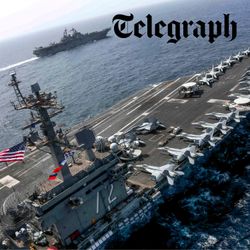
US vows indefinite blockade & how China became Iran’s 'ventilator'
40:28|The US has deployed a fresh aircraft carrier to the Middle East, vowing an "indefinite" naval blockade of Iran until the Strait of Hormuz is reopened - but China has other ideas. On today’s episode of Iran: The Latest, Sophia Yan speaks with Alicia Kearns MP, shadow minister for national security and former chair of the Foreign Affairs Select Committee. Fresh from a trip into the heart of the Pentagon, she explains how Iran's regime is withstanding the pressure of the war thanks to financial and technological assistance from Beijing. Plus, the “active and pernicious” Iranian intelligence service you’ve never heard of, why Donald Trump is guilty of historical revisionism when it comes to Nato, and whether the US is ready for the growing risk of a three-theatre conflict involving China and Taiwan.HIGHLIGHTSUS deploys fresh warship and vows indefinite Iran blockade How China is helping Iran win the war against the USCHAPTERS00:00 US vows indefinite blockade in Strait of Hormuz01:55 GOP disquiet inside Pentagon over Trump’s Iran strategy03:00 Confronting the Pentagon on Trump's NATO revisionism05:32 The Three-Theater War: Russia, Strait of Hormuz, and Taiwan08:36 China becomes Iran’s 'ventilator' against US sanctions11:00 Xi Jinping’s naval show of force in Taiwan Strait17:50 MOIS: The lethal Iranian intel agency operating in the UK21:17 How Britain must dismantle Iranian hitmen & propaganda29:40 Iranian assassination threats against Trump37:38 Russian shadow fleet tanker explosion off OmanCONTRIBUTORS:Sophia Yan, co-host and senior foreign correspondent @sophia_yanAlicia Kearns, MP and shadow minister for national security @aliciakearnsWATCH US ON YOUTUBE: https://www.youtube.com/playlist?list=PLJnf_DDTfIVAif-vifC6F2aoPB8GIw6dkCONTENT REFERENCED:Alicia Kearns: Labour must shut down Iranian assets operating in Britainhttps://www.telegraph.co.uk/news/2026/08/01/labour-must-shut-down-iranian-assets-operating-in-britain/US navy sailor jumps overboard after 250 days at seahttps://www.telegraph.co.uk/world-news/2026/08/13/us-navy-sailors-jump-overboard-after-nine-months-at-sea/Winner Best News and Analysis Podcast - Publisher Podcast Awards 2026Nominated Podcast of the Year - Society of Editors News Podcasts Awards 2026Nominated Best News, Politics and Current Affairs - British Podcast Awards 2026The Telegraph, Winner Podcast Publisher of the Year 2026 - Publisher Podcast Awards 2026Producer: Max BowerVideo Producer: Peter ShevlinResearcher and Social Producer: Anna HindmarshStudio Operator: Andy WatsonExecutive Producer: Venetia Rainey ► Sign up to our most popular newsletter, From the Editor. Look forward to receiving free-thinking comment and the day's biggest stories, every morning. telegraph.co.uk/fromtheeditor► EMAIL US: Contact the team on battlelines@telegraph.co.uk► GET THE LATEST HEADLINES: Find all our latest Iran coverage here: https://www.telegraph.co.uk/iran-war/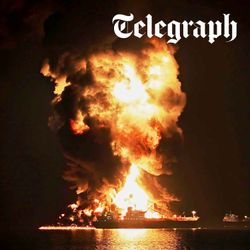
China steps in as Iran war drains US oil reserves to 40-year low
29:05|As Donald Trump’s Iran war drags on and hostilities continue in the Strait of Hormuz and Red Sea, global energy markets are being reshaped - not by OPEC or the US, but by China. On today’s episode of Iran: the Latest, Venetia Rainey talks to world economy editor Ambrose Evans-Pritchard about how Beijing has weaponised its internal oil demand to keep oil prices stable and bypass Saudi Arabia, even as US Strategic Petroleum Reserves have plunged to their lowest level since 1983. Why have oil prices remained largely stable and are those figures masking underlying economic turmoil?Plus: how the blockade of the Strait of Hormuz is pushing Iraq to the brink of total economic collapse and the worrying news of a recent Pew Survey measuring attitudes towards the US vs China. HighlightsIran war drains US strategic petroleum reserves to 40-year lowHow Beijing has kept oil prices stable and bypassed Saudi ArabiaCONTRIBUTORS:Venetia Rainey, co-host and executive producer @venetiaraineyAmbrose Evans-Pritchard, world economy editor WATCH US ON YOUTUBE: https://www.youtube.com/playlist?list=PLJnf_DDTfIVAif-vifC6F2aoPB8GIw6dkCONTENT REFERENCED:Ambrose Evans-Pritchard: Trump’s eternal March of Folly on Iranhttps://www.telegraph.co.uk/business/2026/07/31/trumps-eternal-march-of-folly-on-iran/Trump targets Iran’s economy as military campaign faltershttps://www.telegraph.co.uk/us/politics/2026/08/12/trump-scott-bessent-end-iran-war/Iran war threatens to cripple growth, Treasury warns Burnhamhttps://www.telegraph.co.uk/business/2026/08/12/iran-war-threatens-to-cripple-growth-treasury-warns-burnham/Winner Best News and Analysis Podcast - Publisher Podcast Awards 2026Nominated Podcast of the Year - Society of Editors News Podcasts Awards 2026Nominated Best News, Politics and Current Affairs - British Podcast Awards 2026The Telegraph, Winner Podcast Publisher of the Year 2026 - Publisher Podcast Awards 2026Producer: Peter ShevlinVideo Producer: Max BowerResearcher and Social Producer: Anna HindmarshStudio Operator: Andy WatsonExecutive Producer: Venetia Rainey ► Sign up to our most popular newsletter, From the Editor. Look forward to receiving free-thinking comment and the day's biggest stories, every morning. telegraph.co.uk/fromtheeditor► EMAIL US: Contact the team on battlelines@telegraph.co.uk► GET THE LATEST HEADLINES: Find all our latest Iran coverage here: https://www.telegraph.co.uk/iran-war/