Share
Babes in Bookland: Your Favorite Women's Bookclub Podcast
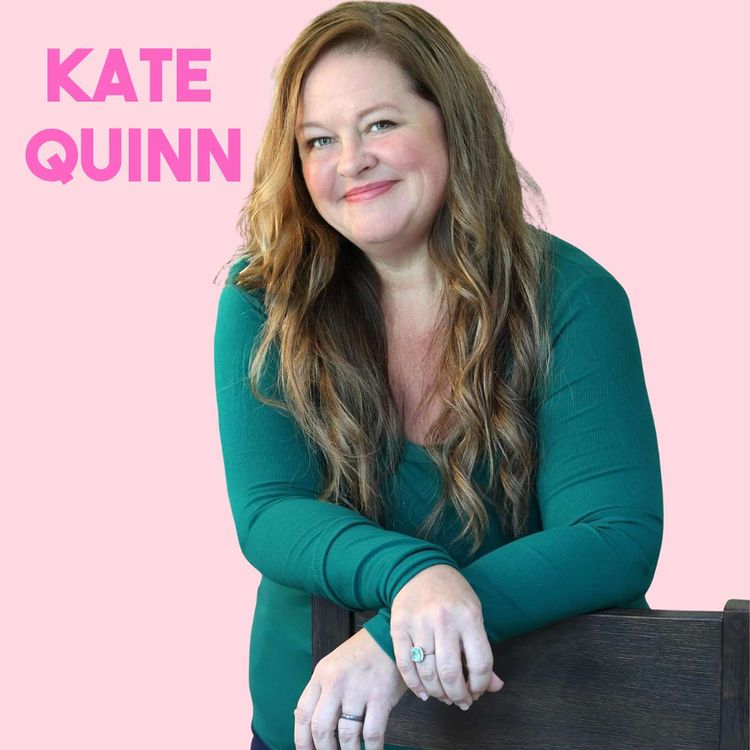
FRIDAY FICTION: Kate Quinn, NYT Bestselling Author!
Kate Quinn has a rare talent. She can drop you into another time period so completely that you forget you’re reading, then hit you with a detail that makes you realize how much of women’s history has been ignored, softened, or simply left out.
In our first Friday Fiction episode, I sit down with the New York Times bestselling author behind her newest release, The Astral Library, The Briar Club, The Alice Network, The Rose Code, and my personal favorite, The Diamond Eye to talk about where that power comes from and what it costs to do it well.
We start with the origin story that shaped everything, a librarian mom who became her first reader and a dad who quietly modeled what real partnership looks like. From there, we get honest about the vulnerability of sharing drafts, the weird confidence a writer has to carry, and why deadlines can be a gift. Kate also walks through the creative leap into magical realism with The Astral Library, plus the nerves of releasing something new when readers expect a certain kind of historical fiction.
We also dig into research ethics and critical thinking, from spotting propaganda in memoirs to reading for bias and noticing what a source refuses to say. If you love libraries, hate book bans, write fiction, or just want a smarter way to read history, this conversation is for you!!
Subscribe for more author interviews, share this with a reader who loves historical fiction, and leave a rating and review so more book people can find Babes in Bookland.
Thank you! Xx, Alex
Connect with us and suggest a great memoir!
Follow us on instagram! @babesinbooklandpod
More episodes
View all episodes
17. AUTHOR CHAT: Cassidy Gard's "Cosmic Goodness"
01:05:44||Season 3, Ep. 17One good choice can re-route an entire life, but only if you trust yourself enough to make it. I sit down with memoirist Cassidy Gard to talk about the real story behind her healing memoir, "Cosmic Goodness: Surrendering the Shadows to Live in the Light." We also get delightfully specific about book cover decisions, permissions, and why the right quote can set the emotional tone for a chapter. From there, we go deeper into the heart of her message: “cosmic goodness,” a grounded kind of spirituality she defines as "courage meeting clarity." Whether you love the woo or you hate it, the point is still practical and universal-- Your life changes when your daily decisions match the life you say you want. Cassidy shares the exercises that helped her shift her inner world, including conscious sobriety, writing-based practices for anger, and a commitment to alignment that keeps her open to the right conversations and opportunities. We also talk about the hard truths that shaped her. Growing up poor with an alcoholic father, shame that settles into the nervous system, imposter syndrome, and the surprising moments that made her feel seen. Motherhood brings another layer, including postpartum anxiety, postpartum rage, and the long road to forgiving yourself after a terrifying accident. The conversation ends with a nuanced take on separating art from artist and how we can outgrow what once carried us. If you care about memoir, intuition, healing, spiritual growth, postpartum mental health, and rebuilding a life with intention, press play. Subscribe, share this with a friend who needs hope, and leave a review with your biggest takeaway.Purchase "Cosmic Goodness"Xx, AlexConnect with us and suggest a great memoir!Follow us on instagram! @babesinbooklandpod
TEASER: The Lie? // Amy Griffin's "The Tell"
15:06||Season 3A glossy, star-studded book launch. A memoir that rockets past 100,000 copies. Then a wave of silence from major reviewers, an investigative report, and a scientific debate that refuses to stay theoretical. We’re talking about Amy Griffin’s The Tell and the chaos that followed its triumphant debut, where celebrity endorsement meets the most contested questions in trauma psychology. My friend, Colette, joins the show as a licensed marriage and family therapist to share her thoughts on it all!Subscribe for the full conversation, share this with a friend who loves book-world drama with real stakes, and leave a review with your take: where do you draw the line between personal healing and public truth?Purchase the episode individually hereSubscribe on Apple Podcasts for all bonus contentXx, AlexConnect with us and suggest a great memoir!Follow us on instagram! @babesinbooklandpod
16. AUTHOR CHAT: Alexandra Grabbe's "Seeing Joy"
47:01||Season 3, Ep. 16Is it possible to see joy in life's hardest moments?I sit down with memoirist Alexandra to talk about her memoir, Seeing Joy: A Story of Life, Death, and What Comes Next. We dig into how Alexandra’s story began as a caregiving blog in 2006, written first for friends and family and then embraced by strangers who recognized their own fear and tenderness in her honesty. She shares what it took to transform that real-time writing into a publishable memoir, including years of rejection from traditional publishing and the creative breakthroughs that came from adding family letters and her mother’s own unpublished manuscript. If you’ve ever wondered how memoir gets made, this is the unglamorous, deeply human version. Then we go to the heart of it: hospice care at home, the emotional calculus of choosing home over a nursing facility, and the unexpected moments of grace that arrive alongside the mess. Alexandra describes her mother’s vivid “visitors” near the end of life and what hospice workers call “visioning,” plus how that shifted her mother from fearing death as “the end” to finding a kind of peace. If you’re searching for a clearer way to talk about dying with dignity and still make room for joy, this one stays with you. If this conversation helps, subscribe, share it with a friend who’s caring for someone, and leave a review so more listeners can find the show. What part of end-of-life caregiving do you wish people were more honest about?Purchase Alexandra Grabbe's "Seeing Joy"Purchase Alexandra's father's memoir "Émigré"Xx, AlexConnect with us and suggest a great memoir!Follow us on instagram! @babesinbooklandpod
14. AUTHOR CHAT: Andrea Leeb's "Such a Pretty Picture"
59:52||Season 3, Ep. 14Some stories don’t just break the silence, they explain how silence gets built in the first place.This week, I’m joined by author Andrea Leeb to talk about her memoir Such a Pretty Picture, an account of surviving childhood sexual abuse, living with complex trauma and CPTSD, and finding a path back to yourself that isn’t linear or tidy but is real.Andrea shares the early moments that shaped her life, the confusing mix of fear, love, and self-blame, and the way adults can miss obvious warning signs when a family looks “pretty” from the outside. We also get into the effects of trauma: freezing, shame, self-harm, complicated sexuality, relationships that can’t hold intimacy, and the exhausting pressure to perform normal.Andrea details her turning point-- a breakdown that finally makes help non-negotiable, and what treatment, therapy, and community can unlock over time. We end with a conversation about forgiveness, closure, and agency, including Andrea’s work supporting survivors through organizations like RAINN and the UCLA Rape Treatment Center, plus concrete resource reminders for anyone who needs a first step.If this conversation resonates, share it with someone you trust, subscribe for more author interviews, and leave a review so more survivors and supporters can find it. What would it mean to you to be fully believed?Purchase Andrea Leeb's "Such a Pretty Picture"Resources:National - RAINN.org/ 1-800-656-4673 Helping Hands - Commission for Women (Los Angeles area) UCLA Rape Treatment Center / 424-259-7208 HAWC.org - Houston area/ 713-528-7273 Chicago Rape Crisis Hotline - 888-293-2080 Thank you for being here, Xx AlexConnect with us and suggest a great memoir!Follow us on instagram! @babesinbooklandpod
13. AUTHOR CHAT: Kerry Docherty's "Selfish"
45:17||Season 3, Ep. 13Are you selfish?“Selfish” is supposed to be the insult that ends the conversation, especially for women who were raised to be helpful, agreeable, and endlessly available. We sit down with author Kerry Docherty to pull that word apart and rebuild it into something sharper and more useful: self-awareness, honest boundaries, and the courage to admit what you want before you burn out trying to be “good.” Her memoir, Selfish, becomes the jumping-off point for a raw talk about what it costs to keep giving yourself away and why telling the truth can be both selfish and deeply generous.We dig into the trap of likability and the ways girls learn early to smooth everything over, including their own anger and ambition. Kerry reflects on privilege and what she has learned from people who have had to live more openly because the world already judges them. We also get practical about modern “self-care,” from doomscrolling dopamine to the quieter work of choosing what actually makes you feel alive, plus what it looks like to model emotional language and bodily autonomy for your kids.Then the conversation turns toward marriage, work, and longing. Kerry shares what it was like to build the Faherty clothing brand with her husband and his twin brother, how business can strain intimacy, and why writing a memoir is an “act of betrayal” even when it is also an act of love. She opens up about “Beau,” an emotional entanglement that exposes dormant creativity and desire, and we explore a reframe of partnership as something you choose every day rather than a life sentence you simply endure.If this conversation makes you uncomfortable, we think that is the point. Subscribe for more author interviews, share this with a friend who needs it, and leave a review with the one boundary you are ready to set next.Purchase Selfish by Kerry DochertySupport the show:On PatreonBuy us a bookBuy cute merchSubscribe to the Babes in Bookland SubstackThank you for listening! Xx, AlexConnect with us and suggest a great memoir!Follow us on instagram! @babesinbooklandpod
12. The Low and the High Notes // Brandy's "Phases"
01:09:09||Season 3, Ep. 12Brandy Norwood’s memoir, Phases, is the kind of celebrity memoir that makes you grateful for the music and furious about the machine behind it. My friend Kate and I revisit Brandy’s cultural landmarks like Moesha, Cinderella, and “The Boy Is Mine,” then zoom out to the bigger question: what happens when an industry profits from a “good girl” image and leaves no room for a young Black woman to be human, messy, or still becoming. A big thread is the tension between what Brandy says and what she seems to avoid saying. We talk about how Phases feels careful, as if certain bridges still cannot be burned, even decades later. But we also highlight the memoir’s strongest emotional material, especially around identity and image. When the memoir does go deep, it hits hard. The takeaway is not that Phases answers everything, but that it opens the door to better questions about artistry, survival, and what reclaiming your narrative really costs.Purchase Phases by BrandySupport the show:On PatreonBuy us a bookBuy cute merchSubscribe to the Babes in Bookland SubstackThank you for listening!xx, AlexConnect with us and suggest a great memoir!Follow us on instagram! @babesinbooklandpod
11. AUTHOR CHAT: Linda Rhodes' "Breaking The Barnyard Barrier"
01:07:44||Season 3, Ep. 11She graduates near the top of her veterinary class and still couldn't get hired... because she’s a woman! That’s where our conversation with memoirist Linda Rhodes begins and it only gets more vivid, entertaining, and frustrating from there.Linda and I talk about her book Breaking the Barnyard Barrier: A Woman Veterinarian Paves the Way and the reality of becoming a large animal veterinarian in rural Utah when sexism isn’t subtle, it’s stated out loud in job interviews. Linda takes us through the early spark that pulled her into farm work, to the gatekeeping she faced getting into vet school, to the pressure of being “the test case” for whether women can do the job. Along the way, we sit with the unglamorous truth of dairy cow medicine: freezing nights, no hospital nearby, no backup, and decisions that carry real consequences for animals and farmers.We also go deep on the memoir writing process. Linda shares why her mother’s death pushed her to write, how she learned to stop writing like a scientist and start writing like a storyteller, and how she chose what grief to put on the page and what to keep private. From there, the story widens into career reinvention, women in leadership, animal health pharmaceuticals, entrepreneurship, and what it looks like to build a family-friendly workplace that actually works.If you care about women in STEM, gender bias at work, memoir, veterinary medicine, or the kind of resilience that’s earned day after day, this conversation will stay with you. Subscribe, share this with a friend who needs it, and leave a review with the moment that hit you hardest.Purchase Linda Rhode's "Breaking the Barnyard Barrier"Support the show:On PatreonBuy us a bookBuy cute merchSubscribe to the Babes in Bookland SubstackOther links:Feather in Her Cap AwardThank you for listening!Xx, AlexConnect with us and suggest a great memoir!Follow us on instagram! @babesinbooklandpod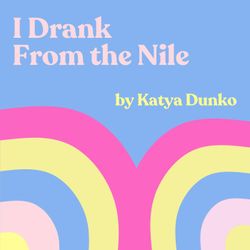
10. AUTHOR CHAT: Katya Dunko's "I Drank From the Nile"
58:13||Season 3, Ep. 10Is life destiny or choice?"Drink from the Nile" is a phrase in Egypt that promises if you drink from the Nile river, you’re destined to return. Katya Dunko's memoir, named for this phrase, is her refusal to let destiny be controlled by generational trauma. She broke the chain.We talk about the real story behind her jaw-dropping book: growing up in post-Soviet Ukraine, being stowed away on a train as a child, surviving a decade of opioid addiction, and later fleeing an abusive marriage in Egypt with her daughter. Katya doesn’t frame herself as flawless or “inspiring” in a neat way. She names the shame, the people-pleasing, the desperate search for love, and the terrifying moments where her safety is on the line. If you care about women’s memoir, addiction recovery stories, trauma healing, and what it takes to rebuild after emotional abuse, this conversation goes there with honesty and heart.We also get practical about the craft and the aftermath: what it’s like to spend seven years writing a trauma memoir, why she chose a pen name, how self-publishing forced her to learn everything from editing to marketing, and why narrative therapy helped her reframe her past into resilience instead of ruin. The biggest takeaway is simple and hard: pain spreads unless someone breaks the chain.Listen, then share this with a friend who needs a reminder that a clean slate is possible. Subscribe, leave a review, and tell us what “real strength” means to you now.Purchase Katya Dunko's "I Drank From the Nile"Support the show:On PatreonBuy us a bookBuy cute merchSubscribe to the Babes in Bookland SubstackThank you for listening!Xx, AlexConnect with us and suggest a great memoir!Follow us on instagram! @babesinbooklandpod