Share
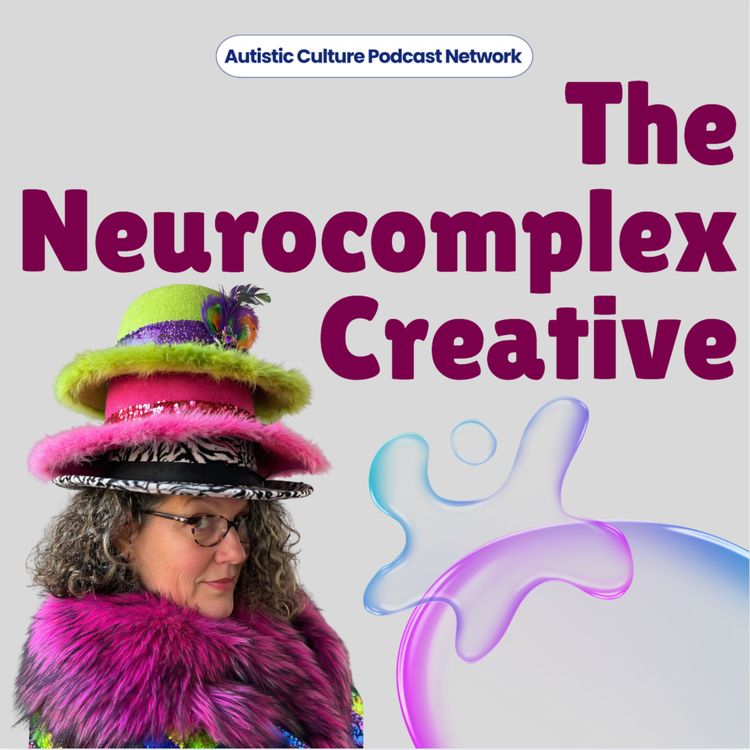
Autistic Culture Presents...
The Neurocomplex Creative: Your Seat Is Still Warm
When your body says you have to pause, your seat is still warm. You don't have to start over from zero.
In this episode of The Neurocomplex Creative, Vicki Peterson sits down with her executive producer Angela Kingdon, co-founder of the Autistic Culture Podcast Network, for a behind-the-scenes conversation about creating when your brain and body no longer allow you to work the way you once did.
Vicki and Angela explore skill regression, autistic burnout and the grief of changing capacity, alongside the importance of building creative practices around real human needs rather than conventional ideas of productivity. Angela shares how her own experience of burnout changed the way she thinks about supporting creatives, and why podcasting can offer neurodivergent creators greater autonomy over how, when and where they work.
Together, they explore what it means to build a sustainable creative life — one where taking a break doesn't mean giving up your place, and where being met with understanding on your hardest day can make it possible to return when you're ready.
📝 Go deeper on Substack:
https://ahatonahatonahat.substack.com/
☕ Support the show:
https://buymeacoffee.com/vickipeterson
Produced for the Autistic Culture Podcast Network.
🎧 The Neurocomplex Creative is available on Spotify, Apple Podcasts, and all major platforms.
🌈 Celebrate autistic voices with early access, ad-free listening, and our full archive at AutisticCulturePlus.com
🌐 Visit www.autisticculturepodcastnetwork.com
📲 Follow us on Instagram: @autisticculturepodcast
🎙️ Executive Producers: Amy Burns, Anamaria B Call, Andrew Banner, Anna Goodson, Ashley Apelzin, Audrea Volker, Ben Coulson, Brian Churcek, Cappy Hamper, Carley Biblin, Charlene Deva, Chloe Cross, Clay Duhigg, Clayton Oliver, Danny Dunn, Daria Brown, David Garrido, Emily Burgess, Eric Crane, Erik Stenerud, Fiona Baker, Grace Norman, Helen Shaddock, Jaimie Collins, Jason Killian, Jen Unruh, Jennifer Carpenter, Julia Tretter, Kathie Watson-Gray, Kenneth Knowles, Kira Cotter, Kristine Lang, Kyle Raney, Llew P Williams, Laura Alvarado, Laura De Vito, Laura Provonsha, Lily George, Nelly Darmi, Nigel Rogers, Rachel Miller, Tim Scott, Tyler Kunz, Victoria Steed, Yanina Wood.
🎧 Producers: AJ Knight, Bobby Simon, Da Kovac, Eleanor Collins, Emily Griffiths, Hannah Hughes, Jennifer Kemp, Jonas Fløde, Kate F, Katie N Benitez, Kendra Murphy, Lisa Dennys, Logan Wall, Louise Lomas, Melissa Nance, Nicola Owen, Rebecka Johansson, Sam Morris, Sarah Hannah Morris.
More episodes
View all episodes
Autistic Culture Podcast Rewind - Taylor Swift is Autistic
01:38:32|In this episode of The Autistic Culture Podcast, Autistic hosts Dr. Angela Kingdon and Matt Lowry, LPP discuss the many ways Taylor Swift and her fanbase of “Swifties” embody and reflect Autistic Culture. This episode was HIGHLY requested by Autistic Swiftie listeners and their contributions are incorporated throughout. Much like how Cher is a Queer culture icon—regardless of her own sexual orientation—we are celebrating Swift as an Autistic culture icon—regardless of her own neurotype. This is a celebration of the ways we see our fabulous culture represented in the once-in-a-generation, Taylor Swift.🎧 What You’ll Learn:Taylor’s encyclopaedic knowledge about cats 🐱Using music as a tool for purpose, community, and career successCreating and solving puzzles, riddles, and “Easter eggs” in her workHow Swift’s lyrics and interviews mirror autistic experiences of feeling like an outsider and masking to fit inThe intersection of capitalism, privilege, and disability in her careerJustice sensitivity and expectation sensitivity—two common autistic traitsTracing autistic patterns through her family tree (including Emily Dickinson!)How “Shake It Off” resonates as a cultural anthem for autistic folks💌 Shout-Outs:This episode was made possible thanks to contributions from two amazing Swifty listeners:Brittany SellersAutumn ElliotResources:Ancestry reveals Taylor Swift is related to American poet Emily DickinsonCould Taylor Swift have Asperger's syndrome?A Comprehensive Breakdown of Taylor Swift's Easter EggsTaylor Swift listing cat breeds on FallonInterviews of Taylor Swift describing maskingRelated Episodes:Dino Nuggets are AutisticCats are Autistic🌟 Connect With Us📱 Follow us on Instagram🎧 Find us on Apple Podcasts and Spotify🛍️Our Autism-affirming merch shop🌐 Learn more at www.autisticculturepodcast.com
The Neurodivergent Experience: Nightly Bye For Now
12:00||Season 5After nearly three years and more than 250 episodes, Jordan and I have made the decision to put The Neurodivergent Experience on indefinite hiatus.In this episode, it's just me, Simon, explaining where we've been, why we've made this decision and what the future might hold.When Jordan and I started this podcast, we wanted to create something that we wished had existed when we were first learning about our own neurodivergence. Something that would have helped us feel understood, accepted and a little less alone in the world. And somehow, along the way, we did exactly that.What started as two friends sharing their experiences became one of the most important things we've ever done. We've laughed, cried, challenged each other, shared some incredibly personal moments and grown so much as people. If you go back to our earliest episodes, you can hear just how far we've both come in our journeys towards self-understanding, healing and acceptance.But life has changed.Between work, family, relationships, grief, burnout and everything else life throws at us, keeping the podcast going has become increasingly difficult. We've both reached a point where we need to take a break, look after ourselves and give ourselves permission to put something down, even when we love it.The truth is, we're tired. And that's okay!I never imagined that people across the world would listen to our conversations, connect with our experiences or find comfort in the things we've shared, and I will always be incredibly proud of what we've built together.I want to thank Jordan, who has become like a brother to me. Our friendship is one of the greatest things this podcast has given me, and I'm so grateful for everything we've experienced together.Thank you to Ashley, Sophie, Sylvia, every guest who trusted us with their stories, and everyone who has supported the show over the years.Whether you've listened since the beginning, discovered us through a particular episode or joined us somewhere along the way, thank you for giving us your time, sharing your experiences and allowing us to be part of your lives.I don't know whether The Neurodivergent Experience will return. Right now, we both need some time away, and I don't want to make promises about what comes next.But I do know that we've created something special. The episodes will still be here for anyone who needs them, especially those people who are just beginning to understand their own neurodivergence, just as we were three years ago.This podcast has changed my life, and I hope that, in some small way, it's made a difference to yours too.Thank you for everything.Be kind, be safe, look out for each other, and nighty bye for now.Simon❤️Keep Listening & Stay Connected:🧘♀️ Ashley Dupuy – Mindful Mondays: Ashley will continue her work on her own podcast feed.Webstie: https://mindfulmondayswithashleydupuy.buzzsprout.com/2660136/episodesApple Podcasts: https://podcasts.apple.com/us/podcast/mindful-mondays-with-ashley-dupuy/id6827120617Spotify: https://open.spotify.com/show/6WZ1Ut2MBzXyF33gcUYMqz🤝 Sophie James – Neurodivergent Mentoring: sophiejamesndmentoring.com🎙️ This Week in Autistic Culture: You can still hear Simon on the Autistic Culture Podcast Network until May.🎧 The Neurodivergent Experience: Our archive remains available wherever you get your podcasts
1. Unfortunately, I Noticed: When Your Brain Catches Everything | Fatimah Taliah
52:25||Season 27, Ep. 1What happens when discovering you're neurodivergent changes everything you thought you knew about yourself?In the first episode of Unfortunately, I Noticed, Gabrielle Nicole Pharms is joined by comedian and AuDHD content creator Fatimah Taliah to explore autism, ADHD, creativity and the complicated experience of understanding yourself later in life.From turning everyday observations into comedy to rebuilding self-trust after years of feeling misunderstood, Gabrielle and Fatimah discuss the challenges of noticing what others might miss, why neurodivergence isn't simply a superpower or a curse, and how finding your community can change everything.Find Fatimah Taliah:InstagramTikTokYouTubeMentioned: Nice to Meet Me — Fatimah Taliah's comedy special.Content note: This episode includes discussion of abusive relationships, bullying, family conflict, incarceration, alcohol misuse, psychiatric misdiagnosis, medication withdrawal and depression.Unfortunately, I Noticed is part of the Autistic Culture Podcast Network.🎧 Unfortunately, I Noticed is available on Spotify, Apple Podcasts, and all major platforms.🌈 Celebrate autistic voices with early access, ad-free listening, and our full archive at AutisticCulturePlus.com🌐 Visit www.autisticculturepodcastnetwork.com📲 Follow us on Instagram: @autisticculturepodcast
7. Autism Help: Autism and Intelligence
01:00:18||Season 19, Ep. 7In this episode of Autism Help, Heather McKay explores the relationship between intelligence and neurodivergence, questioning how we measure intelligence and why different ways of thinking are so often misunderstood.Heather discusses the limitations and biases of IQ testing, spiky cognitive profiles, giftedness and the challenges faced by autistic and ADHD people whose abilities and support needs may not fit traditional expectations. Drawing on her experiences as a parent, teacher, and neurodivergent person, she examines how schools can overlook individual strengths, why it matters to support deep interests and different learning styles, and why intelligence shouldn't be confused with conformity or conventional ideas of success.Content Note:This episode includes discussion of educational discrimination, negative experiences at school, disability-related stigma and autistic burnout. Please listen with care if these subjects may be difficult for you.Disclaimer:This podcast is for general information only and does not constitute medical or legal advice. Please consult an appropriately qualified professional about your individual circumstances.🎧 Autism Help is available on Spotify, Apple Podcasts, and all major platforms.🌈 Celebrate autistic voices with early access, ad-free listening, and our full archive at AutisticCulturePlus.com🌐 Visit www.autisticculturepodcastnetwork.com📲 Follow us on Instagram: @autisticculturepodcast
8. Creative Becoming: Editing to Endings
01:12:01||Season 12, Ep. 8What happens after you stop recording a podcast — and how do you learn to embrace your own voice when you hear it played back?In the second episode of Series 2 of Creative Becoming, Helen and Elizabeth continue their behind-the-scenes exploration of making a podcast, moving beyond the microphone to discover everything involved in bringing their conversations to listeners. From editing audio and choosing music to designing artwork and promoting the finished show, they reflect on the creative decisions, unexpected challenges and lessons they've learned along the way.Together, they explore the importance of authentic communication, particularly when editing autistic speech, and why the temptation to remove every hesitation or imperfection can mean losing something valuable. They also discuss navigating creative differences, learning to celebrate their own achievements and discovering how collaboration can lead to something neither person could have created alone.Whether you're considering starting a podcast, working on a creative project or learning to feel more comfortable sharing your work with the world, this episode explores why finding your voice is about more than simply pressing record.Links & Resources:Research and further reading:Flow state and creativity: Helen shares three research articles exploring the experience of flow and its relationship with creative practice:Research article – PubMedResearch publication – York St John UniversityResearch article – Emotion, Space and SocietySelf-reflection and storytelling: The Ethnographic I by Carolyn Ellis explores personal narrative and approaches to research.Difference, not deficit: Empire of Normality: Neurodiversity and Capitalism by Robert Chapman explores neurodiversity, disability and the social systems shaping our understanding of neurological difference.Helen's creative work:Helen's Graphic Art Diaries – digital archiveHelen's Haiku ArchiveDownload Helen's Graphic Art Diary TemplateGet in Touch:Have a question, a creative project you'd like to share or something from the episode that resonated with you?Helen and Elizabeth would love to hear from you.Email creativebecomingpod@gmail.com — whether you've got a question, want to share your work or simply fancy saying hello.Produced for the Autistic Culture Podcast Network.🎧 Creative Becoming is available on Spotify, Apple Podcasts, and all major platforms.🌈 Celebrate autistic voices with early access, ad-free listening, and our full archive at AutisticCulturePlus.com🌐 Visit www.autisticculturepodcastnetwork.com📲 Follow us on Instagram: @autisticculturepodcast
Trailer: Unfortunately, I Noticed
01:36||Season 27Have you ever noticed something that everyone else seems to have missed — and wished you could go back to not noticing it?Welcome to Unfortunately, I Noticed, a new podcast hosted by journalist, author and AuDHD creative Gabrielle Nicole Pharms, exploring the patterns, contradictions and details that shape how we experience the world.Through conversations with artists, comedians, musicians and other curious minds, Gabrielle explores creativity, culture, identity and neurodivergence, asking what happens when we stop explaining how our minds work and start exploring what they notice.Whether you've spent your life being told you're overthinking things or you're simply curious about how other people see the world, there's a place for you here.Unfortunately, I Noticed. Conversations with creative minds about the patterns they can't unsee.Part of the Autistic Culture Podcast Network. Subscribe now and listen wherever you get your podcasts.🎧 Unfortunately, I Noticed is available on Spotify, Apple Podcasts, and all major platforms.🌈 Celebrate autistic voices with early access, ad-free listening, and our full archive at AutisticCulturePlus.com🌐 Visit www.autisticculturepodcastnetwork.com📲 Follow us on Instagram: @autisticculturepodcast
48. Mindful Mondays With Ashley Dupuy: The Inner Toolkit | Emotional Intelligence
37:23||Season 7, Ep. 48Fine. Stressed. Overwhelmed.We use these words every day, but they can conceal far more than they reveal. Anger and disappointment may feel remarkably similar in the body, yet one may point towards perceived injustice while the other emerges from an unmet expectation. If we cannot recognise the difference, we may reach for entirely the wrong response.In this episode, Ashley begins a new season of Mindful Mondays devoted to exploring the inner toolkit: the many psychological ideas, modalities and practices that can help us understand and support ourselves more deeply.Drawing on the work of Yale psychologist and emotional-intelligence researcher Dr Marc Brackett, Ashley explores what emotional intelligence actually means - not permanent calmness, relentless positivity or talking about our feelings all day, but learning to recognise, understand and respond wisely to the information our emotions carry.Through her Aware, Allow, Align framework, she considers emotional granularity, affect labelling and the space between feeling and action. What changes when we stop treating anxiety as an intruder? How can allowing a feeling differ from handing it control? And how might alignment help us move from automatic reaction towards a more conscious response?Ashley also brings essential Neurodivergent Nuance to alexithymia, masking, overload and delayed emotional processing - because sometimes the body knows that something is happening long before the words arrive.The episode closes with a traditional Yoga Nidra for emotional grounding, inviting you to move awareness through the body, cultivate the witness and meet whatever is present with a little more compassion and choice.Practise with Ashley on Insight Timer:https://insighttimer.com/AshleyDupuyFollow Mindful Mondays with Ashley Dupuy:https://mindfulmondayswithashleydupuy.buzzsprout.comVisit Ashley’s website:https://www.integrativeiom.co.ukOur Sponsors:🧘♀️ Ashley Dupuy – Integrative Coaching, Breathwork & Hypnotherapy & https://insighttimer.com/AshleyDupuy🤝 Sophie James - Neurodivergent Mentoring: sophiejamesndmentoring.com🎧 The Neurodivergent Experience is available on Spotify, Apple Podcasts, and all major platforms.🌈 Celebrate autistic voices with early access, ad-free listening, and our full archive at AutisticCulturePlus.com🌐 Visit www.autisticculturepodcast.com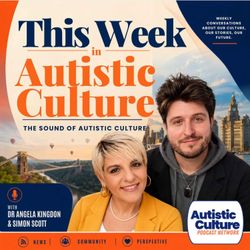
20. This Week in Autistic Culture #20 | Misophonia | Is the Legacy of Princess Diana Autistic Culture?
01:43:36||Ep. 20This week, Angela and Simon explore misophonia — the intense emotional and physical reactions that certain everyday sounds can provoke, and why our sensory experiences can be so difficult to predict.After celebrating his engagement at a lively party filled with music, laughter and conversation, Simon found himself struggling with the sounds of a much quieter family gathering the following day. Why can one noisy environment feel perfectly manageable, while something as ordinary as chewing, throat-clearing or a particular pitch of laughter becomes unbearable?Drawing on their own experiences, Angela and Simon discuss the realities of living with misophonia, from the sudden rush of anger or distress that certain sounds can trigger to the challenges of explaining those reactions to the people closest to us.For this week's excavation into the Autistic Culture Archive, Angela turns her attention to one of the most recognisable and influential figures of the twentieth century: Princess Diana.Using the Ten Pillars of Autistic Culture as their guide, Angela and Simon revisit Diana's extraordinary life, her complicated relationship with the Royal Family and the public, and the ways she challenged expectations of what a princess should be.Rather than attempting to diagnose a historical figure, they explore the patterns, connections and cultural fingerprints that might offer a different perspective on her life and legacy through an Autistic cultural lens.Is Princess Diana's legacy Autistic culture?As always, we'll take you through everything coming up across the Autistic Culture Podcast Network in the week ahead!🌐 Subscribe to our newsletter and read our Autistic Culture Archive Field Reports: www.autisticculturepodcast.com🎧 Listen: This Week in Autistic Culture is available on Spotify, Apple Podcasts and all major podcast platforms.🌈 Become a Culture Builder: Get early access, ad-free listening and our full podcast archive at AutisticCulturePlus📲 Follow us on Instagram: @autisticculturepodcast
2. The Dialogues: Autistic Joy, Access and Being Loudly Wrong
01:14:58||Season 25, Ep. 2In this episode of The Dialogues, Kassiane Asasumasu, Morénike Giwa-Onaiwu, Renae Martin, and Oswin Latimer explore Autistic joy, community, accessibility, and the increasingly complicated relationship between technology and disability.The group discusses the latest developments in US autism policy and research, including concerns around the IACC, the value placed on academic credentials within Autistic advocacy, and how the next generation can build on the work of earlier Autistic communities without recreating the same hierarchies and barriers.As the conversation unfolds, they also tackle some very Autistic questions: what does active listening actually look like? Why is eye contact still treated as proof that somebody is paying attention? Do Autistic people really all have the same “safe foods”? And what happens when the technology designed to make life easier creates entirely new accessibility problems?From football and barbecue to AI, AAC, pseudoscience and the return of some surprisingly familiar ideas about autism, this is a wide-ranging conversation about who gets listened to, whose expertise is valued, and why questioning the ideas presented to us remains so important.The Dialogues is produced in collaboration with Foundations for Divergent Minds for the Autistic Culture Podcast Network.🎧The Dialogues is available on Spotify, Apple Podcasts, and all major platforms.🌈 Celebrate autistic voices with early access, ad-free listening, and our full archive at AutisticCulturePlus.com🌐 Visit www.autisticculturepodcastnetwork.com📲 Follow us on Instagram: @autisticculturepodcast