Share
Autistic Culture Presents...
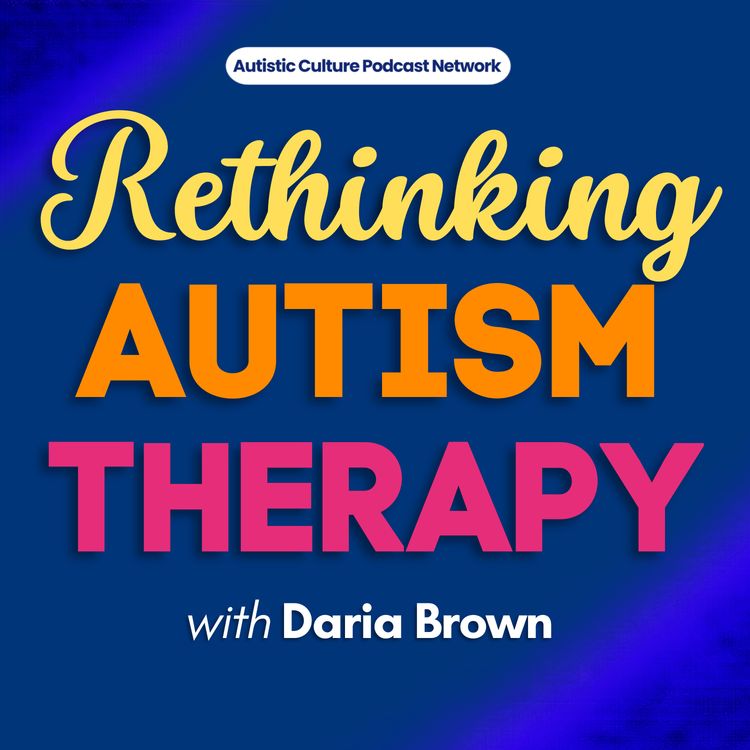
Rethinking Autism Therapy: Experiencing DIRFloortime® with Cheyenne Erikson
What does DIRFloortime® actually feel like from the perspective of an autistic person?
In this second episode of Rethinking Autism Therapy, Daria Brown is joined by autistic musician Cheyenne Erikson to explore what it was like growing up with situational mutism, anxiety, and an undiagnosed autistic neurotype, and how a relationship-based, developmental approach helped her feel understood and supported.
Cheyenne shares her personal journey from an early diagnosis of situational mutism to discovering her autistic identity as a young adult.
Together, she and Daria discuss how DIRFloortime's emphasis on relationships, individual differences, play, and emotional connection contrasts with more directive or compliance-based approaches. Through stories from childhood, teaching, parenting, and clinical practice, they illustrate how following a child's lead, presuming competence, and supporting regulation can foster authentic communication and growth.
The conversation highlights the importance of understanding the world through a neurodivergent lens, recognizing the many ways children communicate, and creating safe opportunities for exploration, play, and emotional expression. Listeners will gain insight into how DIRFloortime® supports not only autistic children, but meaningful relationships across the lifespan.
Learn more:
🌐 Cheyenne Erikson: https://www.cheyennepaige.com/
📸 Instagram: @cheyennepaigemusic
📖 Situational Mutism: https://reframingautism.org.au/all-about-situational-mutism-a-guide-for-allies/
🗂️ Cheyenne's SLP mother's Situational Mutism cards: https://www.bjoremspeech.com/en-ca/products/dir%C2%AE-sm-a-developmental-approach-to-selective-mutism-intervention
Produced for the Autistic Culture Podcast Network.
🎧 Rethinking Autism Therapy is available on Spotify, Apple Podcasts, and all major platforms.
🌈 Celebrate autistic voices with early access, ad-free listening, and our full archive at AutisticCulturePlus.com
🌐 Visit www.autisticculturepodcastnetwork.com
📲 Follow us on Instagram: @autisticculturepodcast
🎙️ Executive Producers: Amy Burns, Anamaria B Call, Andrew Banner, Anna Goodson, Ashley Apelzin, Audrea Volker, Ben Coulson, Brian Churcek, Cappy Hamper, Carley Biblin, Charlene Deva, Chloe Cross, Clay Duhigg, Clayton Oliver, Danny Dunn, Daria Brown, David Garrido, Emily Burgess, Eric Crane, Erik Stenerud, Fiona Baker, Grace Norman, Helen Shaddock, Jaimie Collins, Jason Killian, Jen Unruh, Jennifer Carpenter, Julia Tretter, Kathie Watson-Gray, Kenneth Knowles, Kira Cotter, Kristine Lang, Kyle Raney, Llew P Williams, Laura Alvarado, Laura De Vito, Laura Provonsha, Lily George, Nelly Darmi, Nigel Rogers, Rachel Miller, Tim Scott, Tyler Kunz, Victoria Steed, Yanina Wood.
🎧 Producers: AJ Knight, Bobby Simon, Da Kovac, Eleanor Collins, Emily Griffiths, Hannah Hughes, Jennifer Kemp, Jonas Fløde, Kate F, Katie N Benitez, Kendra Murphy, Lisa Dennys, Logan Wall, Louise Lomas, Melissa Nance, Nicola Owen, Rebecka Johansson, Sam Morris, Sarah Hannah Morris.
More episodes
View all episodes
19. This Week in Autistic Culture #19 | Can AI Help Autistic People? | Is Robbie Williams Autistic Culture?
01:40:01||Ep. 19This week, Angela and Simon tackle one of the most divisive subjects in the creative world: artificial intelligence. With the launch of our new AI and Autism series sparking passionate responses from listeners, they explore the complicated relationship between AI, accessibility and Autistic creativity. Drawing on Angela’s experience as a writing coach and her book ‘The Equalizing Quill’, they discuss new research on how AI can improve employment opportunities for marginalised groups — and why better access to technology doesn’t stop discrimination.For this week’s excavation into the Autistic Culture Archive, Simon introduces Angela to one of Britain’s biggest pop stars: Robbie Williams.After Robbie’s public revelation of an Autism diagnosis of his autism, Simon and Angela use the Ten Pillars of Autistic Culture to look beyond the music and ask what his career, creativity and relationship with fame might reveal about Autistic identity and expression.Is Robbie Williams Autistic culture?As always, we’ll take you through everything coming up across the Autistic Culture Podcast Network this week!🌐 Subscribe to our newsletter and read our Autistic Culture Archive Field Reports: www.autisticculturepodcast.com🎧 Listen: This Week in Autistic Culture is available on Spotify, Apple Podcasts and all major podcast platforms.🌈 Become a Culture Builder: Get early access, ad-free listening and our full podcast archive at AutisticCulturePlus📲 Follow us on Instagram: @autisticculturepodcast
Autistic Culture Podcast Rewind - The Good Place is Autistic
01:11:28|In this episode of The Autistic Culture Podcast, hosts Dr. Angela Kingdon and Matt Lowry, LPP dive into the afterlife with NBC’s hit show The Good Place—unpacking its autistic-coded characters, neurodivergent themes, and the profoundly autistic joy of moral philosophy.🎧 What You’ll Learn:Chidi Anagonye as one of TV’s most autistic-coded characters—his special interests, concrete thinking, anxiety, and devotion to personal morality.Eleanor Shellstrop as potentially autistic, with her direct communication style, perspective-taking challenges, and trauma-filled backstory (common among late-diagnosed autistic women).Jason Mendoza through an ADHD/autistic lens—his monotropic focus and passionate interests.Janet’s journey as an AI echoing autistic unmasking: developing preferences, boundaries, and autonomy beyond “the programming.”Tahani Al-Jamil’s story as an allegory for masking exhaustion—with real-life parallels to actor Jameela Jamil’s co-occurring conditions.Michael the architect’s autistic tendencies—fascination with humans, concrete examples, and system-level thinking.Why the show’s obsession with philosophy feels so deeply autistic.Around 53:24, Angela spontaneously demonstrates elements of autistic culture in real time (listen for it!).Resources:How to Be Perfect by Michael SchurHow to be perfect with "The Good Place" creator Michael SchurChidi Anagonye, the Autistic Nerd Character Done RightHow The Good Place taught moral philosophy to its characters — and its creators5 Moral Philosophy Concepts Featured on The Good PlaceCharacter analysis It’s literally all of themRelated Episodes: Sesame Street is AutisticThe Trouble with Temple Grandin.🌟 Connect With Us📱 Follow us on Instagram🎧 Find us on Apple Podcasts and Spotify🛍️Our Autism-affirming merch shop🌐 Learn more at www.autisticculturepodcast.com
15. The Neurodivergent Experience | The Legacy Of Autism with Steve Silberman
01:11:33||Season 5, Ep. 15This is a re-run episode from 2024.Society's perspective on autism has shifted, but there is still work to be done to combat misinformation and stigma.In this episode, Jordan James and Simon Scott interview Steve Silberman, the author of NeuroTribes. They discuss the impact of Silberman's book on the neurodivergent community and the importance of embracing neurodiversity. They delve into the history of autism and the misconceptions surrounding Hans Asperger, the legacy of autism, the shift in society's perspective on autism and the importance of finding support within the neurodivergent community. Silberman shares his perspective on the medical model of autism and we explore the impact of the book 'NeuroTribes' in creating advocates for neurodiversity, the concept of the autism spectrum, the need for more frequent and dedicated opportunities for autistic children to engage in their special interests, as these interests can lead to meaningful and successful lives.Steve Silberman: Award-winning science writer, author of NeuroTribes: The Legacy of Autism and the Future of Neurodiversity (Avery 2015).Website: https://www.stevesilberman.com/Book: NeuroTribesOur Sponsors:🧘♀️ Ashley Dupuy – Integrative Coaching, Breathwork & Hypnotherapy & https://insighttimer.com/AshleyDupuy🤝 Sophie James - Neurodivergent Mentoring: sophiejamesndmentoring.com🎧 The Neurodivergent Experience is available on Spotify, Apple Podcasts, and all major platforms.🌈 Celebrate autistic voices with early access, ad-free listening, and our full archive at AutisticCulturePlus.com🌐 Visit www.autisticculturepodcast.com
5. Autism Help: Hobbies, Special Interests and Autistic Burnout
56:44||Season 19, Ep. 5In this episode of Autism Help, Heather McKay explores the importance of hobbies and special interests for autistic people, and what happens when we lose interest in the things that bring us joy.Heather discusses the differences between autistic and ADHD hobbies, including the emotional impact of losing a deeply meaningful interest, the financial cost of abandoned hobbies, and the relationship between hobbies, depression and burnout. She also considers how masking, everyday demands and a lack of support can affect our ability to enjoy our interests, and why finding ways to reconnect with the things we love can be important for our wellbeing.Content Note:This episode includes discussion of depression, suicidal thoughts, grief and autistic burnout. Please listen with care if these subjects may be difficult or triggering for you.Disclaimer:This podcast is for general information only and does not constitute medical or legal advice. Please consult an appropriately qualified professional about your individual circumstances.🎧 Autism Help is available on Spotify, Apple Podcasts, and all major platforms.🌈 Celebrate autistic voices with early access, ad-free listening, and our full archive at AutisticCulturePlus.com🌐 Visit www.autisticculturepodcastnetwork.com📲 Follow us on Instagram: @autisticculturepodcast
2. AI and Autism: Can AI Translate Between Two Different Minds?
49:20||Season 26, Ep. 2Can AI help two people understand each other when they seem to experience the same relationship in completely different ways?In this episode of AI and Autism, Bre Ransome is joined by Jon Mick, an AuDHD product manager and founder of AIs & Shine. Jon shares how experimenting with ChatGPT developed into something much bigger: a detailed AI-supported “life model” that helped him explore his neurodivergence, understand patterns in his marriage and reconsider the way he communicates with his wife, Charlotte.Bre and Jon explore what he calls a “perspective translator” — using AI to help translate between different ways of thinking, communicating and experiencing a relationship.And then Bre takes the experiment one step further by interviewing Jon's AI counterpart, JonMick.ai, about the human Jon, his work and what he might be underselling about it.Connect with JonJonMick.ai — explore Jon's AI counterpart, built using his life model.AI Gave Me Autism — Jon's Substack documenting his experiences with AI and neurodivergence.AIs & Shine — Jon's public benefit corporation exploring personalised AI scaffolding.Connect with Bre:Subscribe to ai.tism — Bre's Substack exploring AI, neurodivergence and the ways she uses AI as an accessibility tool.Get in touch with Bre — share your experiences with AI, tell Bre what you're experimenting with, or express your interest in joining AI and Autism as a guest.🎧 AI and Autism is available on Spotify, Apple Podcasts, and all major platforms.🌈 Celebrate autistic voices with early access, ad-free listening, and our full archive at AutisticCulturePlus.com🌐 Visit www.autisticculturepodcastnetwork.com📲 Follow us on Instagram: @autisticculturepodcast
46. Mindful Mondays With Ashley Dupuy: Sideways Thinking & Borrowed Confidence
36:37||Season 7, Ep. 46Sometimes another person’s courage, creativity or refusal to remain inside one identity awakens something that was already waiting within us.After attending an evening in conversation with Suzy Eddie Izzard, Ashley reflects on inspiration, sideways thinking and the confidence we sometimes borrow before we can fully experience it as our own. She returns to a moment in the late 1990s when Suzy’s comedy gave her permission to discover her own silliness - and asks what the people who inspire us may be helping us recognise within ourselves.Moving from Suzy’s many creative “citadels” to Michael Jordan’s willingness to become a beginner again, this episode explores novelty and neuroplasticity, beginner’s mind and Steven Pressfield’s concept of Resistance.It also brings some essential Neurodivergent Nuance: not every feeling of resistance means we are afraid of our potential. Sometimes it is burnout, pain, sensory overload, executive dysfunction or a sign that we need more support. How can we tell the difference between a protective warning and an old prediction about what might happen if we allow ourselves to be seen trying?Through Aware, Allow, Align and From Mask to Map, Ashley explores how we can honour the part that hesitates while allowing another truth to exist beside it: we can feel frightened, unfinished or uncertain - and still take one honest step towards what matters.The episode closes with a neuroscience-informed guided practice, The Future Self Who Has Already Begun, inspired by Dr Tara Swart’s perspective-shifting future-self exercise.You do not need confidence for the whole road. You need only enough to begin.Explore Ashley’s meditations, Yoga Nidras, nervous-system practices, courses and Bedtime Alchemy sleep stories on Insight Timer:https://insighttimer.com/AshleyDupuyFind out more about Ashley’s work:https://www.integrativeiom.co.ukOur Sponsors:🧘♀️ Ashley Dupuy – Integrative Coaching, Breathwork & Hypnotherapy & https://insighttimer.com/AshleyDupuy🤝 Sophie James - Neurodivergent Mentoring: sophiejamesndmentoring.com🎧 The Neurodivergent Experience is available on Spotify, Apple Podcasts, and all major platforms.🌈 Celebrate autistic voices with early access, ad-free listening, and our full archive at AutisticCulturePlus.com🌐 Visit www.autisticculturepodcast.com
18. This Week in Autistic Culture #18 | Finding Your People Online | Is Elizabeth Holmes Autistic Culture?
01:33:21||Ep. 18This week, Angela and Simon explore social media's role in Autistic identity and community. From the early days of Wrong Planet to finding your people through Instagram and YouTube, they discuss how online spaces have helped Autistic people understand themselves, connect with others and discover their culture. But as governments introduce new restrictions on social media access for young people, could we be making it harder for the next generation of Autistic people to find their community?For our third excavation into the Autistic Culture Archive, Angela is taking Simon back into the extraordinary story of Elizabeth Holmes. Using the Ten Pillars of Autistic Culture as their guide, they dig deeper into the Theranos founder’s world, exploring communication, intense focus, innovation, ambition and the complicated relationship between recognising Autistic patterns and making assumptions about somebody’s neurotype.By the end, there’s one particularly uncomfortable question left: could Elizabeth Holmes be an artefact of Autistic culture?If this week’s excavation leaves you wanting to dig deeper, you can explore the full Elizabeth Holmes Field Report in the Autistic Culture Archive, where Angela brings together the research, evidence, rabbit holes and connections to the Ten Pillars that couldn’t fit into the show.As always, we’ll take you through everything coming up across the Autistic Culture Podcast Network this week!🌐 Subscribe to our newsletter and read our Autistic Culture Archive Field Reports: www.autisticculturepodcast.com🎧 Listen: This Week in Autistic Culture is available on Spotify, Apple Podcasts and all major podcast platforms.🌈 Become a Culture Builder: Get early access, ad-free listening and our full podcast archive at AutisticCulturePlus📲 Follow us on Instagram: @autisticculturepodcast
Autistic Culture Podcast Rewind - Comedy is Autistic
01:08:25|In this episode of The Autistic Culture Podcast, hosts Dr. Angela Kingdon and Matt Lowry, LPP explore the powerful memoirs of two acclaimed autistic comedians: Hannah Gadsby (10 Steps to Nanette) from Tasmania and Fern Brady (Strong Female Character) from Scotland.🎧 What You’ll Learn:Parallels in Gadsby’s and Brady’s lives, including struggles with misdiagnosis, gender-based violence, homophobia, and ableism.How both found comedy as a survival mechanism and a path to success at the Edinburgh Fringe Festival.The comedians’ raw honesty about employment struggles, homelessness, and disordered eating—often hidden parts of the autistic experience.Comedy as both a masking strategy and a tool for truth-telling.Differences between autistic meltdowns vs. shutdowns, explained through their lived stories.Why their memoirs are must-reads for anyone seeking neurodiversity-affirming representation.How Gadsby and Brady reclaim their narratives through radical self-acceptance and creative expression.Hannah Notes:Book: 10 Steps to NanetteArticle: Hannah Gadsby's song of the selfArticle: Hannah Gadsby Gets the Last Laugh in 10 Steps to Nanette Fern Notes:Book: Strong Female CharacterWikipedia: Fern BradyRelated Episodes:Poetry is Autistic (Emily Dickinson episode)Greta is Autistic (Greta Thunberg episode)Bad Autism Diagnosis🌟 Connect With Us📱 Follow us on Instagram🎧 Find us on Apple Podcasts and Spotify🛍️Our Autism-affirming merch shop🌐 Learn more at www.autisticculturepodcast.com
10. The Neurocomplex Creative: The First Pancake
48:54||Season 11, Ep. 10The first pancake never comes out right. It's the one you're willing to get wrong so every one after it is better.In this episode of The Neurocomplex Creative, Vicki Peterson reunites with playwright and theatre educator Jared Eberlein, whom she met as part of the very first cohort of a low-residency MFA program in New Hampshire.Together, they look back on becoming friends while raising young children, developing their craft and navigating the intensity of an experimental new program. Vicki also reflects on that experience through a neurocomplex lens, recognising how hyperfocus allowed her to meet its creative demands while her need for downtime, regulation and support remained largely invisible.Jared shares his journey from acting to playwriting and education, exploring creative constraints, persistence and why the life of a project isn't always determined by its first reception. Now teaching the next generation of theatre makers, he and Vicki reflect on what they've learned about sustaining a creative life, supporting other artists and allowing their children to see them as people with creative identities of their own.📲 Follow Jared on Instagram: @jaredeberlein📚 Mentioned in this episode:Notes to Screenwriters by Vicki Peterson & Barbara Nicolosihttps://www.amazon.com/Notes-Screenwriters-Advancing-Screenplay-Hollywood/dp/1615932135📝 Go deeper on Substack:https://ahatonahatonahat.substack.com/☕ Support the show:https://buymeacoffee.com/vickipetersonProduced for the Autistic Culture Podcast Network.🎧 The Neurocomplex Creative is available on Spotify, Apple Podcasts, and all major platforms.🌈 Celebrate autistic voices with early access, ad-free listening, and our full archive at AutisticCulturePlus.com🌐 Visit www.autisticculturepodcastnetwork.com📲 Follow us on Instagram: @autisticculturepodcast