Share
Autistic Culture Presents...
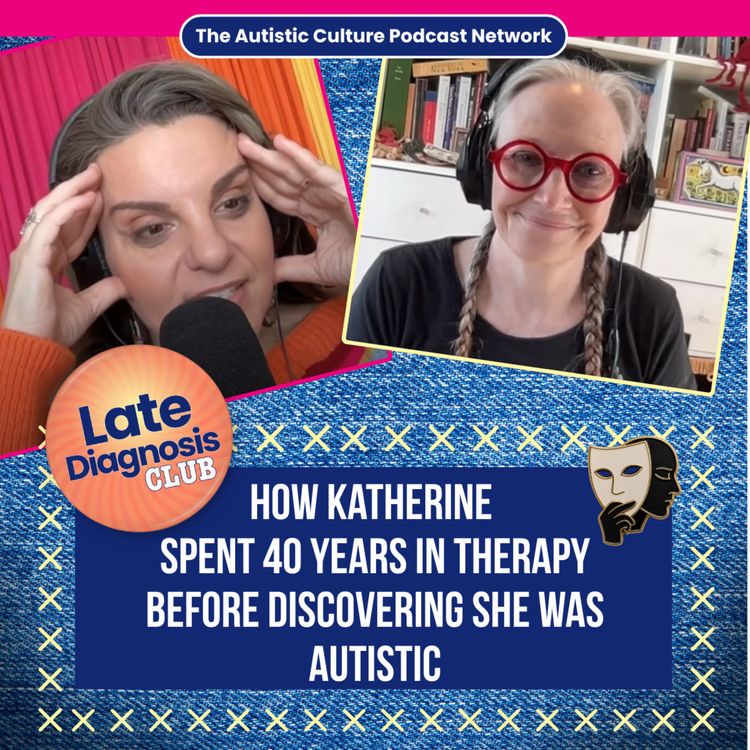
Late Diagnosis Club: How Katharine Spent 40 Years in Therapy Before Discovering She Was Autistic
In this meeting of The Late Diagnosis Club, Dr Angela Kingdon welcomes Katharine Gates, a writer, artist, and long-time creative who identified as Autistic and ADHD after a lifetime of questioning herself.
Katharine shares how she spent decades feeling like the “odd one out” — academically gifted, outwardly successful, yet constantly struggling with everyday life, relationships, and a persistent sense that something didn’t quite fit.
After 40 years of therapy, misdiagnoses, and searching for answers, it was a period of Autistic burnout that finally led her to recognise her neurodivergence and begin to reframe her life.
This is a conversation about being misunderstood for decades — and what changes when you finally understand yourself.
🪑 Attendees
Chair: Dr Angela Kingdon — Author, community-builder, and Autistic advocate
Guest: Katharine Gates — writer, artist, and Autistic + ADHD creator
You: The Listener!
🗒️ Meeting Agenda
- Opening remarks from the Chair
- Member introduction: Gifted child, lifelong difference
- Discussion: Masking, achievement, and burnout
- Privilege and hidden accommodations
- ADHD + Autism dual identification
- Alexithymia and emotional processing
- Special interests and bottom-up thinking
- Family patterns and generational neurodivergence
- Self-compassion and dropping shame
- Key learnings
- Club announcements
🧾 Minutes from the Meeting
1️⃣ Opening Remarks
Angela introduces Katharine Gates, whose story reflects a common Late Diagnosis Club experience — decades of feeling different, capable, and confused all at once.
2️⃣ Member Introduction: Katharine’s Story
Katharine describes herself as an “exceedingly odd child,” growing up academically gifted but struggling to translate that success into everyday life.
She became highly skilled at masking — orienting her life around achievement and external validation — while privately questioning why basic things felt so difficult.
Over time, this led to cycles of burnout, misdiagnosis, and self-blame, with labels such as depression, anxiety, substance use, and personality disorder used to explain her experiences.
It wasn’t until a major burnout in adulthood that Katharine encountered the concept of autistic burnout and began recognising herself in Autistic narratives.
3️⃣ Discussion Highlights
- Gifted but struggling: Academic success masking real challenges
- Hyper masking: Performing competence at the cost of burnout
- Burnout trigger: Brain “stopping” rather than emotional collapse
- Therapist dismissal: Being told she “just wanted to feel special”
- ADHD alongside Autism: Dual identification later in the process
- Alexithymia: Difficulty identifying and processing emotions
- Masking as performance: Life experienced as “putting on a show”
- Parenting moment: Struggles with empathy prompting deeper reflection
- Generational patterns: Neurodivergence, trauma, and coping across family lines
- Special interests: Deep dives into systems, patterns, and categorisation
4️⃣ Key Learnings
- You can be highly capable and still struggle deeply.
- Masking can delay recognition for decades.
- Privilege can both hide support needs and meet them.
- Burnout can be the turning point toward understanding.
- Emotional processing differences are often overlooked.
- Special interests can shape identity, career, and meaning.
- Self-compassion can be one of the most powerful outcomes of a diagnosis.
📣 Club Announcements
🎧 The Late Diagnosis Club is available on Spotify, Apple Podcasts, and all major platforms.
💬 Join our online meetups and community at latediagnosis.club.
📌 Check the LDC Notice Board for Member Contributions
💜 There is a small charge — but no one is turned away for lack of funds.
🌈 Celebrate autistic voices with early access, ad-free listening, and our full archive at AutisticCulturePlus.com
🌐 Visit www.autisticculturepodcast.com
📲 Follow us on Instagram: @autisticculturepodcast
🎙️ Executive Producers: Amy Burns, Anamaria B Call, Andrew Banner, Anna Goodson, Ashley Apelzin, Audrea Volker, Ben Coulson, Brian Churcek, Cappy Hamper, Carley Biblin, Charlene Deva, Chloe Cross, Clay Duhigg, Clayton Oliver, Danny Dunn, Daria Brown, David Garrido, Emily Burgess, Eric Crane, Erik Stenerud, Fiona Baker, Grace Norman, Helen Shaddock, Jaimie Collins, Jason Killian, Jen Unruh, Jennifer Carpenter, Julia Tretter, Kathie Watson-Gray, Kenneth Knowles, Kira Cotter, Kristine Lang, Kyle Raney, Llew P Williams, Laura Alvarado, Laura De Vito, Laura Provonsha, Lily George, Nelly Darmi, Nigel Rogers, Rachel Miller, Tim Scott, Tyler Kunz, Victoria Steed, Yanina Wood.
🎧 Producers: AJ Knight, Bobby Simon, Da Kovac, Eleanor Collins, Emily Griffiths, Hannah Hughes, Jennifer Kemp, Jonas Fløde, Kate F, Katie N Benitez, Kendra Murphy, Lisa Dennys, Logan Wall, Louise Lomas, Melissa Nance, Nicola Owen, Rebecka Johansson, Sam Morris, Sarah Hannah Morris.
More episodes
View all episodes
Autistic Culture Podcast Rewind - Hans Christen Andersen is Autistic
01:03:46||Season 1In this episode of The Autistic Culture Podcast, hosts Dr. Angela Kingdon and Matt Lowry, LPP reframe Hans Christian Andersen—not as the “awkward, difficult” writer he’s often portrayed to be, but as a figure whose life and work reflect Autistic culture.🎧 What You’ll Learn:How Andersen’s special interests, social struggles, and speech differences align with Autistic traits.Why stories like The Ugly Duckling, The Little Mermaid, and The Princess and the Pea resonate so strongly with Autistic experiences of difference, masking, and sensory sensitivity.How sensory seeking and avoiding show up in both Andersen’s life and his fairytales.Why direct communication, existential loneliness, and intense friendships (like his troubled bond with Charles Dickens) are part of the Autistic lens.Matt’s critique of exposure therapy and why Autistics don’t “habituate” the way allistics do—making sensitivity a trait, not a flaw.Angela’s personal reflection on The Princess and the Pea as a story that validated her own sensitivity and reframed it as special.How Andersen’s work, viewed through Autistic culture, provides representation, validation, and connection across generations.Resources:Complete Works of Hans Christian AndersenHans Christian Andersen CentreA Weird visit to Dickens House: Charles Dickens really, really hated his fanboy Hans Christian Andersen.BLEAK HOUSE GUEST (movie)Dickens Mistress Nelly:Charles Dickens AWESOME Wife CatherineThe Genesis of Artistic Creativity: Asperger's Syndrome and the ArtsWriters on the SpectrumRelated Episodes:Beauty and the Beast is Autistic🌟 Connect With Us📱 Follow us on Instagram🎧 Find us on Apple Podcasts and Spotify🛍️Our Autism-affirming merch shop🌐 Learn more at www.autisticculturepodcast.com
Trailer: Welcome to Autism Help
01:25||Season 19Understanding autism means understanding everything that comes with it.Welcome to Autism Help, a podcast exploring the co-occurring conditions, daily challenges, and practical realities that shape the lives of autistic people and those who support them. Part of the Autistic Culture Podcast Network.Hosted by Heather McKay (she/they)—a late-diagnosed autistic mother of two, educator, company director, and author of Autism: The Big Book Set of Help—the series provides honest, neuroaffirming conversations about topics that are often overlooked, misunderstood, or poorly explained by mainstream services.Drawing on lived experience, years of facilitating support groups, and extensive research, Heather explores subjects including ARFID, executive dysfunction, sleep disorders, fibromyalgia, incontinence, literacy, and supporting multiply-disabled children. Each episode aims to provide practical knowledge, reduce isolation, and help listeners better understand autistic life beyond the diagnostic criteria.Whether you're autistic yourself, a parent, educator, support worker, or healthcare professional, Autism Help offers accessible, evidence-informed conversations grounded in both expertise and lived experience.🎧 Autism help is available on Spotify, Apple Podcasts, and all major platforms.🌈 Celebrate autistic voices with early access, ad-free listening, and our full archive at AutisticCulturePlus.com🌐 Visit www.autisticculturepodcastnetwork.com📲 Follow us on Instagram: @autisticculturepodcast
1. Under The Lights: Top 10 March Madness Moments
29:09||Season 18, Ep. 1In the debut episode of Under the Lights, Turrell Burgess counts down his favourite March Madness moments from a lifetime of watching the NCAA Men's Basketball Tournament. From unforgettable buzzer-beaters and stunning Cinderella runs to shocking upsets and championship drama, this is a celebration of the games that became part of college basketball history.Whether you've followed the tournament for decades or you're discovering March Madness for the first time, Turrell revisits the moments that captured the imagination of fans and explains why they still stand out today.🏀 Subscribe now to hear future episodes.🌈 Celebrate autistic voices with early access, ad-free listening, and our full archive at AutisticCulturePlus.com🌐 Learn more about the network at AutisticCulturePodcastNetwork.com
Hot Topic: Zinc and ADHD - Could It Really Make a Difference?
22:33||Season 6Could a simple zinc supplement help with ADHD symptoms?In this Hot Topic, Jordan shares his personal experience after taking zinc for over two months, while Simon explores the latest research into zinc, dopamine and brain health. They discuss what the science says, how zinc may support ADHD alongside medication, and why it's no replacement for medical advice—plus plenty of laughs along the way.Our Sponsors:🧘♀️ Ashley Dupuy – Integrative Coaching, Breathwork & Hypnotherapy🤝 Sophie James - Neurodivergent Mentoring: sophiejamesndmentoring.com🔗 Stay ConnectedInstagram: @theneurodivergentexperiencepodFacebook: The Neurodivergent Experience & Jordan's Facebook pageYouTube: @TheNeurodivergentExperienceTikTok: @neurodivergentexperience🎧 The Neurodivergent Experience is available on Spotify, Apple Podcasts, and all major platforms.⭐ Leave a quick review on Apple Podcasts or Spotify🔔 Turn on notifications for new weekly episodes🌈 Celebrate autistic voices with early access, ad-free listening, and our full archive at AutisticCulturePlus.com🌐 Visit www.autisticculturepodcast.com
6. The Autistic Rant Hour: Accessibility Across Disabilities
54:57||Season 10, Ep. 6Regardless of what disability you have, you have a lot to rant about! Especially when it comes to accessibility, whenever you try to go somewhere. The sensory assault autistic folks may experience when trying to have a meal in peace, the gaslighting and infantilization that folks of all disabilities are subjected to,, and of course, just not being able to get there because your mobility aid can’t go up stairs, and more! These make it difficult to visit places, whether they are essential for our survival or “just” for our ability to take part in society. For this episode, I was joined by Tal(y) Wozner (pronouns: she/her), filmmaker and queer and disability activist. Together, we tried to build a bridge across disabilities and found out we needed to all have each other’s backs. Content and Language notes: Sexuality and drug use are briefly mentioned using the words porn, semen, flirt and high. The words bitch, bitchy, butt, shit, bullshit and fuck are being used occasionally.You can support Aut2Aut on Betterplace and Gofundme, or buy our #ActuallyAutistic designs in our print-on-demand shop. This will help prepped.to go on providing a platform for autistic folks to share locations’ sensory info and service instructions. Mentioned in this episode:Lacey Artemis from beyondquietrooms.com and the findings from her survey about sensory issues folks have in venues, by neurotype. Also, I met her at Autscape online.Aut2Aut, the nonprofit I founded, providing free platforms and content by and for autistic peopleprepped.to is the website I created where autistic folks can upload and consult sensory info and service instructions about places, so folks can prep and script before going thereHow to support my nonprofitTheme music composed and produced by Lir Lutau Shahar (pronouns: he/fae/sea): YouTube, Soundcloud. For collaborations: lutaoshzh@gmail.com Follow Dr. Gal Schkolnik on LinkedIn, Mastodon or Tumblr📢 Subscribe now to hear future episodes.🌈 Celebrate autistic voices with early access, ad-free listening, and our full archive at AutisticCulturePlus.com🌐 Learn more about the network at AutisticCulturePodcastNetwork.com
120. The Neurodivergent Experience: Is This a Neurodivergent Thing?
51:28||Season 5, Ep. 120In this episode of The Neurodivergent Experience, Jordan and Simon explore three real-life neurodivergent dilemmas inspired by online community discussions. This week they discuss feeling like you don't belong, why ADHD can make friendships and messaging so difficult, and whether coffee really affects ADHD medication. Honest conversations, lived experience, and plenty of laughs along the way.Our Sponsors:🧘♀️ Ashley Dupuy – Integrative Coaching, Breathwork & Hypnotherapy🤝 Sophie James - Neurodivergent Mentoring: sophiejamesndmentoring.com🔗 Stay ConnectedInstagram: @theneurodivergentexperiencepodFacebook: The Neurodivergent Experience & Jordan's Facebook pageYouTube: @TheNeurodivergentExperienceTikTok: @neurodivergentexperience🎧 The Neurodivergent Experience is available on Spotify, Apple Podcasts, and all major platforms.⭐ Leave a quick review on Apple Podcasts or Spotify🔔 Turn on notifications for new weekly episodes🌈 Celebrate autistic voices with early access, ad-free listening, and our full archive at AutisticCulturePlus.com🌐 Visit www.autisticculturepodcast.com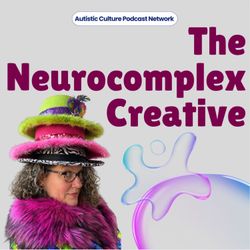
3. The Neurocomplex Creative: Big Hearts, Hollywood Dreams
37:49||Season 11, Ep. 3In this episode, Vicki sits down with her longtime friend and collaborator TJ Berden — filmmaker, producer, and one of her people — for a conversation twenty years in the making.They talk about finding your people in Hollywood, what it means to have big dreams and a big heart in a town that wants to know if it's sellable, and what it looks like to stay true to your values across two decades of an industry that keeps changing the rules. They also talk about neurodivergent creatives — what TJ calls pearl divers — and what it means to make work that goes to the depths of human experience.This is a conversation about traumedy, friendship, identity, and why the stories that are hardest to tell are usually the ones most worth making.ABOUT TJTJ Berden is a filmmaker and producer based in Michigan. He has produced films distributed by major studios and made documentaries on subjects ranging from prison reform to education reform to faith. His current project is Cinderella Nun — a documentary about Sister Jean Dolores Schmidt, the 106-year-old nun and New York Times bestselling author who became one of the most beloved figures in college basketball.Cinderella Nun: https://www.cinderellanun.com/SUPPORT THE SHOWIf this episode resonated with you, share it with someone who might need it.Hat on a Hat on a Hat (Substack): https://ahatonahatonahat.substack.com/Donations are gratefully accepted and help keep this show going at whatever pace is sustainable.Buy Me a Coffee: https://buymeacoffee.com/vickipeterson✍️ Subscribe now to hear future episodes.🌈 Celebrate autistic voices with early access, ad-free listening, and our full archive at AutisticCulturePlus.com🌐 Learn more about the network at AutisticCulturePodcastNetwork.com
2. Two Mics No Masking: Behaviorism as the Ultimate Human Hubris
37:25||Season 17, Ep. 2In this episode of Two Mics, No Masking, Katie Scott and Jenna Goldstein unpack the hidden assumptions behind behaviorism and ask what happens when society decides there's only one "right" way to think, behave, and exist.Together they explore why expecting neurodivergent people to conform can be deeply harmful, particularly for children, and challenge the belief that outward behaviour tells the whole story. Through personal reflection and honest conversation, Katie and Jenna examine what changes when we move beyond compliance and begin valuing different ways of experiencing the world.🎙️ Subscribe now to hear future episodes.🌈 Celebrate autistic voices with early access, ad-free listening, and our full archive at AutisticCulturePlus.com🌐 Learn more about the network at AutisticCulturePodcastNetwork.com
4. Creative Becoming: Catalyst For Creativity
40:00||Season 12, Ep. 4In this episode of Creative Becoming, Helen and Elizabeth explore how life's unexpected disruptions can become catalysts for creativity. Elizabeth shares her progress in quieting her inner critic and finding joy in drawing flowers, while Helen reflects on how her graphic art diaries became a lifeline during some of her most challenging experiences.Together they discuss how artists have used uncertainty, chance, and disruption as creative tools, and how adapting to unexpected circumstances can open new pathways for self-expression. The conversation also explores stimming, emotional regulation, and the ways creativity can help us navigate periods of change.In this episode:Creativity through disruption and changeArtists who embrace chance and unpredictabilityHelen's experience of creativity during a long hospital stayFinding creative space while away from homeTurning setbacks into new artistic opportunitiesUnderstanding stimming and emotional regulationResources and LinksHelen's graphic diary archive: https://arted.online/blog/diaries/Graphic diary template: https://arted.online/toolbox/resource-diary-template/The 10 Pillars of Autistic Culture: https://www.autisticculturepodcast.com/p/the-10-pillars-revisited-episodeInformation about stimming from the National Autistic Society: https://www.autism.org.uk/advice-and-guidance/about-autism/repeated-movements-and-behaviour-stimmingContact: creativebecomingpod@gmail.comSupportIf you are experiencing distress, please contact your GP or a relevant support service in your area.DisclaimerCreative Becoming is connected to Helen Shaddock's practice-based PhD, "Welcome to My Messy World": A practice-based, messy auto-ethnographic artistic exploration into multimedia storytelling as an integral method towards creative becoming.🎨Subscribe now to hear future episodes.🌈 Celebrate autistic voices with early access, ad-free listening, and our full archive at AutisticCulturePlus.com🌐 Learn more about the network at AutisticCulturePodcastNetwork.com