Share

Autistic Culture Presents...
Clinical Misfits: Are We Getting Neurodivergent Accommodations Wrong?
For many neurodivergent people with complex chronic illness, the barriers they experience at school or work aren't only neurological or psychological. So why are accommodations so often approached as though they are?
In this episode of Clinical Misfits, Dr Mary explores the relationship between dysautonomia, neurodivergence and the need for school and workplace accommodations. She questions whether current assessment processes adequately recognise physical symptoms such as fatigue, brain fog, dizziness, pain, sensory sensitivities and difficulties regulating heart rate, blood pressure and body temperature.
Dr Mary looks at how dysautonomia might be recognised and investigated in healthcare, and argues for greater involvement from medical professionals when determining the support someone needs. She also discusses practical routes towards better quality of life, from physical and occupational therapy to nutrition, movement and other forms of ongoing support.
Produced for the Autistic Culture Podcast Network.
🎧 Clinical Misfits is available on Spotify, Apple Podcasts, and all major platforms.
🌈 Celebrate autistic voices with early access, ad-free listening, and our full archive at AutisticCulturePlus.com
🌐 Visit www.autisticculturepodcastnetwork.com
📲 Follow us on Instagram: @autisticculturepodcast
🎙️ Executive Producers: Amy Burns, Anamaria B Call, Andrew Banner, Anna Goodson, Ashley Apelzin, Audrea Volker, Ben Coulson, Brian Churcek, Cappy Hamper, Carley Biblin, Charlene Deva, Chloe Cross, Clay Duhigg, Clayton Oliver, Danny Dunn, Daria Brown, David Garrido, Emily Burgess, Eric Crane, Erik Stenerud, Fiona Baker, Grace Norman, Helen Shaddock, Jaimie Collins, Jason Killian, Jen Unruh, Jennifer Carpenter, Julia Tretter, Kathie Watson-Gray, Kenneth Knowles, Kira Cotter, Kristine Lang, Kyle Raney, Llew P Williams, Laura Alvarado, Laura De Vito, Laura Provonsha, Lily George, Nelly Darmi, Nigel Rogers, Rachel Miller, Tim Scott, Tyler Kunz, Victoria Steed, Yanina Wood.
🎧 Producers: AJ Knight, Bobby Simon, Da Kovac, Eleanor Collins, Emily Griffiths, Hannah Hughes, Jennifer Kemp, Jonas Fløde, Kate F, Katie N Benitez, Kendra Murphy, Lisa Dennys, Logan Wall, Louise Lomas, Melissa Nance, Nicola Owen, Rebecka Johansson, Sam Morris, Sarah Hannah Morris.
More episodes
View all episodes
9. Autism Help: Autism and School | What's Wrong with the Education System?
01:05:57||Season 19, Ep. 9In this episode of Autism Help, Heather McKay examines the challenges autistic children face in mainstream education and questions whether schools are designed to accommodate the different ways children learn, develop and communicate.Drawing on her experiences as an autistic person, parent and teacher, Heather explores age-based learning, individual education plans, sensory needs and the pressure placed on children to conform. She discusses the use of rewards, punishments and behaviour management in schools, the impact of bullying and inadequate support, and why she believes teacher training needs to better reflect neurodivergent experiences. Heather also considers how child-led learning, more flexible classrooms and a culture of mutual respect could help create a more inclusive education system.Content Note:This episode includes discussion of bullying, educational discrimination, school-related trauma, harmful behaviour management practices, eating disorders and distressing experiences involving children with disabilities. Please listen with care if these subjects may be difficult for you.Disclaimer:This podcast is for general information only and does not constitute medical or legal advice. Please consult an appropriately qualified professional about your individual circumstances.🎧 Autism Help is available on Spotify, Apple Podcasts, and all major platforms.🌈 Celebrate autistic voices with early access, ad-free listening, and our full archive at AutisticCulturePlus.com🌐 Visit www.autisticculturepodcastnetwork.com📲 Follow us on Instagram: @autisticculturepodcast
10. Creative Becoming: Football & Identity | Players On & Off the Pitch
48:58||Season 12, Ep. 10What happens when being a footballer becomes your entire identity — and who are you when the final whistle blows on your career?In this episode of Creative Becoming, Helen and Elizabeth continue their exploration of football, creativity and culture by turning their attention to the players themselves. From one-club legends and promising young academy players to footballers finding new purpose after retirement, they explore how professional sport shapes identity both on and off the pitch.Together, they discuss the pressures of modern football, the challenges of injury, rejection and retirement, and what happens when a career that has provided structure, belonging and purpose suddenly comes to an end. They also consider the influence of social media, the expectations placed on professional athletes and the ways footballers can use their public platforms to challenge inequality and advocate for social change.Drawing on the experiences of players including Marcus Rashford, Megan Rapinoe and Lucy Bronze, Helen and Elizabeth explore the relationship between sporting identity, personal values and the courage to be yourself — even when the world expects you to be something else.Whether you're passionate about football or simply interested in how we develop, maintain and sometimes reinvent our sense of self, this conversation explores what it means to be more than the role you're known for.Links & Resources:Football, philosophy and identity:The Work of Professional Football by Martin Roderick — exploring the working lives and experiences of professional footballers.Football: The Philosophy Behind the Game by Stephen Mumford — a philosophical exploration of football and what makes the game meaningful.Football's One-Club Players – FourFourTwo — celebrating players who spent their entire careers at one club.Research by Gearing on Footballers and Identity After Retirement — academic research exploring how former players understand their identities.The Panpsycast Philosophy Podcast: Football with Stephen Mumford, Part One and Part Two — philosophy, football and a fellow Sheffield United supporter.Rejection, resilience and retirement:Harry Kane on His Release from Arsenal's Academy – Sky SportsEberechi Eze's Journey of Rejection and Resilience – Premier LeagueThe Financial Challenges Facing Footballers After Retirement – SchrodersFraser Franks and Life After Professional Football – BBC NewsFootballers, activism and social change:Research by Vincent on Marcus Rashford — academic research consulted by Helen.Marcus Rashford's Personal Essay – The Players' TribuneMegan Rapinoe on Activism, Privilege and Football – The GuardianMegan Rapinoe on Equal Pay and the American Flag – NPRMegan Rapinoe on Sport and Politics – The New York TimesLucy Bronze: How Neurodiversity Helps Her Play at the Highest Level – UEFAHelen's creative work:Helen's Graphic Art Diaries – Digital ArchiveHelen's Haiku ArchiveDownload Helen's Graphic Art Diary TemplateGet in TouchHave you ever had to rethink who you are after a major change in your life? Perhaps you've changed careers, stepped away from something you loved or discovered a new sense of purpose in an unexpected place. Helen and Elizabeth would love to hear your experiences and reflections.Email creativebecomingpod@gmail.com — whether you've got a story to share, a creative project to show them or simply fancy saying hello.Produced for the Autistic Culture Podcast Network.🎧 Creative Becoming is available on Spotify, Apple Podcasts, and all major platforms.🌈 Celebrate autistic voices with early access, ad-free listening, and our full archive at AutisticCulturePlus.com🌐 Visit www.autisticculturepodcastnetwork.com📲 Follow us on Instagram: @autisticculturepodcast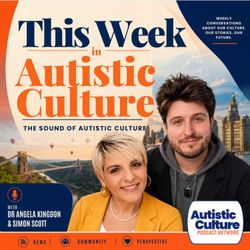
22. This Week in Autistic Culture #22 | The Autism–EDS Connection | Is The Great British Bake Off Autistic Culture?
01:40:35||Ep. 22This week on This Week in Autistic Culture, Angela and Simon explore the often-overlooked connection between autism, hypermobility and Ehlers-Danlos syndrome (EDS), following a New York Times article about a woman who spent years searching for answers to her unexplained health problems.Why are so many people left to discover important clues about their own health through social media, and what happens when medical professionals dismiss lived experience?Then, it’s time to open the Autistic Culture Archive as Angela turns her attention to a much-loved British television institution: The Great British Bake Off.From its predictably comforting format and passionate fan community to its celebration of kindness, creativity and the reassuring rituals of the Hollywood handshake, could Bake Off be one of television’s greatest examples of Autistic Culture?As always, we’ll take you through everything coming up across the Autistic Culture Podcast Network this week!This week’s topics: https://www.nytimes.com/2026/11/09/well/heds-eds-hypermobile.htmlHelp Bring The Sound of Autistic Culture to NeuroDiversion 2027! 🗳️ Vote for The Sound of Autistic Culture here:https://www.neurodiversion.org/nd27/community-vote?session=the-sound-of-autistic-culture🌐 Subscribe to our newsletter and read our Autistic Culture Archive Field Reports: www.autisticculturepodcast.com🎧 Listen: This Week in Autistic Culture is available on Spotify, Apple Podcasts and all major podcast platforms.🌈 Become a Culture Builder: Get early access, ad-free listening and our full podcast archive at AutisticCulturePlus📲 Follow us on Instagram: @autisticculturepodcast
5. Under The Lights: Changing the Game
01:05:59||Season 18, Ep. 5In the Season 2 premiere of Under the Lights, Turrell Burgess celebrates three basketball legends who transformed the NBA across three unforgettable decades: Magic Johnson in the 1980s, Michael Jordan in the 1990s and Kobe Bryant in the 2000s.From the Showtime Lakers and the fierce rivalry between Magic Johnson and Larry Bird to Michael Jordan's six championships with the Chicago Bulls and Kobe Bryant's extraordinary career in Los Angeles, Turrell revisits the defining moments, iconic performances and historic rivalries that helped shape modern basketball.Drawing on his lifelong passion for the game, personal memories and family connections, Turrell explores what made these players so special, how they inspired generations of fans and why their legacies continue to influence basketball today.Produced for the Autistic Culture Podcast Network.🏀 Under the Lights is available on Spotify, Apple Podcasts, and all major platforms.🌈 Celebrate autistic voices with early access, ad-free listening, and our full archive at AutisticCulturePlus.com🌐 Visit www.autisticculturepodcastnetwork.com📲 Follow us on Instagram: @autisticculturepodcast
Autistic Culture Podcast Rewind - Dinosaur is Autistic
01:08:55|In this episode of The Autistic Culture Podcast, hosts Dr. Angela Kingdon and Matt Lowry, LPP chat with Ashley Storrie—comedian, writer, autistic advocate, and the star of the new series Dinosaur (available now on Hulu in the U.S.). Ashley brings her full autistic self to the role of Nina, offering representation that’s not just authentic, but transformative.🎧 What You’ll Learn:The unconventional way Ashley was invited to join the writing team—and why autistic writers are essential for shaping autistic characters.Ashley’s journey to discovering her autistic identity.Autistic linguistics, language play, and exploring the “shape” of words.On-set accommodations that supported Ashley and the whole cast and crew.How Ashley authentically portrayed autistic overwhelm without becoming dysregulated herself.Why casting autistic actors in autistic roles isn’t just good representation—it’s good business.A behind-the-scenes look at how the creative team decided on Nina’s sexual history.Food as stimming: samefoods, sensory-seeking flavors, crunchy vs. soft vs. wet vs. dry textures.Ashley’s complex (and hilarious) relationship with The Edinburgh Fringe Festival.Featured Guest:Ashley Storrie is a comedian, writer, and actress whose star has been rapidly rising. She can be heard live every Friday night hosting her own BBC Radio Scotland show and co-hosting the Midsomer Murders Podcast. Known for her viral Harry Potter parody #tanyapotter (with over 22 million views), Ashley has gone on to create digital hits for BBC Scotland including If The Handmaid’s Tale Was Scottish and If Game of Thrones Was Scottish.Resources:Follow Ashley Storrie on InstagramCheck out the official trailerWatch Dinosaur on HuluRelated Episodes:Star Trek is AutisticWednesday is Autistic?Comedy is AutisticCommunity is Autistic🌟 Connect With Us📱 Follow us on Instagram🎧 Find us on Apple Podcasts and Spotify🛍️Our Autism-affirming merch shop🌐 Learn more at www.autisticculturepodcast.com
2. Unfortunately, I Noticed: Recovery Is Not a Rebrand | Sol Smith
57:18||Season 27, Ep. 2What if recovering from burnout doesn't mean returning to the person you used to be?In this episode of Unfortunately, I Noticed, Gabrielle Nicole Pharms is joined by author, certified autism specialist and founder of Square Peg Coaching and Consulting, Sol Smith, to explore the complicated realities of autistic and ADHD burnout, self-discovery and recovery.From the pressure to turn personal struggles into inspiring comeback stories to learning that our worth isn't measured by productivity, Gabrielle and Sol discuss the challenges of unmasking, why healing rarely follows a straight line, and how a life that looks smaller from the outside might actually offer more room to thrive.Mentioned:The Autistic's Guide to Self-Discovery by Sol SmithThe ADHDer's Guide to Self-Discovery by Sol SmithNeuroSpicy CommunityUnfortunately, I Noticed is part of the Autistic Culture Podcast Network.
8. Autism Help: Autism and Being Triggered by the People You Live With
55:22||Season 19, Ep. 8In this episode of Autism Help, Heather McKay explores the challenges of living with other people as an autistic or neurodivergent person, and how sensory sensitivities, competing needs and everyday household pressures can lead to overwhelm and burnout.Drawing on her experiences of shared housing, university accommodation and family life, Heather discusses the importance of establishing boundaries, recognising individual sensory needs and creating opportunities for privacy and regulation. She also explores how masking, school-related stress and meltdowns can affect entire households, and shares practical approaches to managing noise, lighting, personal space and conflicting needs while maintaining relationships with the people we live with.Content Note:This episode includes discussion of sensory overload, autistic meltdowns, burnout, school-related trauma and family conflict. Please listen with care if these subjects may be difficult or triggering for you.Disclaimer:This podcast is for general information only and does not constitute medical or legal advice. Please consult an appropriately qualified professional about your individual circumstances.🎧 Autism Help is available on Spotify, Apple Podcasts, and all major platforms.🌈 Celebrate autistic voices with early access, ad-free listening, and our full archive at AutisticCulturePlus.com🌐 Visit www.autisticculturepodcastnetwork.com📲 Follow us on Instagram: @autisticculturepodcast
9. Creative Becoming: Football & Fandom
52:03||Season 12, Ep. 9Why do we become football fans — and what makes us stay loyal to a club through the highs, the heartbreak and everything in between?In this episode of Creative Becoming, Helen and Elizabeth kick off a new exploration of football, creativity and culture. Drawing on their experiences as Sheffield United and Newcastle United supporters, they reflect on the childhood memories, family traditions and local connections that shaped their relationships with the beautiful game.Together, they explore how football becomes part of our identity, connecting generations, communities and entire cities through shared rituals, stories and experiences. From the familiar sounds of Saturday afternoon football coverage to the emotional rollercoaster of supporting a struggling team, they consider why fandom can create such a powerful sense of belonging — and what happens when supporting a club becomes part of who we are.They also explore the psychology of sporting loyalty, the changing ways fans connect with their teams and the relationship between football culture and autistic experiences of identity, community and passionate interests.Whether you're a lifelong supporter, a casual observer or someone who has never understood the appeal of football, this conversation explores why the beautiful game means so much more than the final score.Links & Resources:Football, identity and autistic culture:The Ten Pillars of Autistic Culture – Autistic Culture PodcastThe Origins of Football Fandom – La Liga — research exploring the influence of family on football allegiances.Research by Ian Jones on Football Fandom and Identity — exploring the experiences of Luton Town supporters.BIRGing and CORFing: The Psychology of Being a Football Fan — why we associate ourselves with sporting success and distance ourselves from defeat.The Philosophy of Athletic Club Bilbao — discover the Basque club's distinctive approach to identity, community and football.Football nostalgia:BBC Grandstand – Classic Theme Tune — a nostalgic trip back to Saturday afternoon sports coverage.BBC Final Score – Classic Football Results — relive the familiar rhythm of the football scores being read out.Helen and Elizabeth's football clubs:Newcastle United – Club HistoryNewcastle United's Carabao Cup Triumph — the greatest moment in football history, according to Elizabeth!Sheffield United – Club HistorySheff United Way – YouTube — fan-led coverage recommended by Helen.Blades Ramble – YouTube — more Sheffield United discussion and supporter perspectives.Helen's creative work:Helen's Graphic Art Diaries – Digital ArchiveHelen's Haiku ArchiveDownload Helen's Graphic Art Diary TemplateGet in Touch:Who do you support, and why? Was your football allegiance inherited through family, shaped by where you grew up or inspired by something completely unexpected?Helen and Elizabeth would love to hear your stories about football, fandom and belonging.Email creativebecomingpod@gmail.com — whether you've got a football memory to share, a creative project to show them or simply fancy saying hello.Produced for the Autistic Culture Podcast Network.🎧 Creative Becoming is available on Spotify, Apple Podcasts, and all major platforms.🌈 Celebrate autistic voices with early access, ad-free listening, and our full archive at AutisticCulturePlus.com🌐 Visit www.autisticculturepodcastnetwork.com📲 Follow us on Instagram: @autisticculturepodcast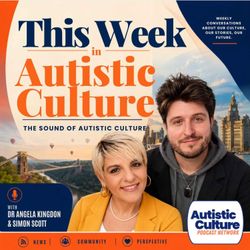
21. This Week in Autistic Culture #21 | Existential Dread: Why Autistic People Fear the Future | Is Scream Autistic Culture?
01:39:57||Ep. 21This week, Angela and Simon explore existential dread — the overwhelming anxiety that can come from uncertainty, anticipation and the feeling that something might go wrong, even when there’s no evidence it will.From waiting for bad news at work to worrying about the future, they discuss how Autistic people can experience uncertainty, why an approaching ending can sometimes feel more manageable than an open-ended commitment, and how rumination can turn an imagined problem into something that feels very real.Drawing on their own experiences, Angela and Simon reflect on the challenges of navigating employment, burnout, changing routines and the complicated relationship between work and identity. They also explore the importance of nervous system regulation, knowing when to let something go, and why even exciting life changes can bring an unexpected sense of dread.For this week’s excavation into the Autistic Culture Archive, Simon introduces Angela to one of the most influential horror films of the 1990s: Wes Craven’s Scream.Using the Ten Pillars of Autistic Culture as a guide, they explore how a film famous for its masked killer, self-aware characters and obsession with horror movies might also reveal something fascinating about Autistic culture.From passionate superfanning and pattern recognition to infodumping, world-building and challenging established conventions, they examine how Scream took everything audiences thought they knew about horror films and turned it upside down.As always, we’ll take you through everything coming up across the Autistic Culture Podcast Network this week!Help Bring The Sound of Autistic Culture to NeuroDiversion 2027! 🗳️ Vote for The Sound of Autistic Culture here:https://www.neurodiversion.org/nd27/community-vote?session=the-sound-of-autistic-culture🌐 Subscribe to our newsletter and read our Autistic Culture Archive Field Reports: www.autisticculturepodcast.com🎧 Listen: This Week in Autistic Culture is available on Spotify, Apple Podcasts and all major podcast platforms.🌈 Become a Culture Builder: Get early access, ad-free listening and our full podcast archive at AutisticCulturePlus📲 Follow us on Instagram: @autisticculturepodcast