Share
Autism Awareness By John Hookway
Is Crossing Fingers a Sign of Autism?
•
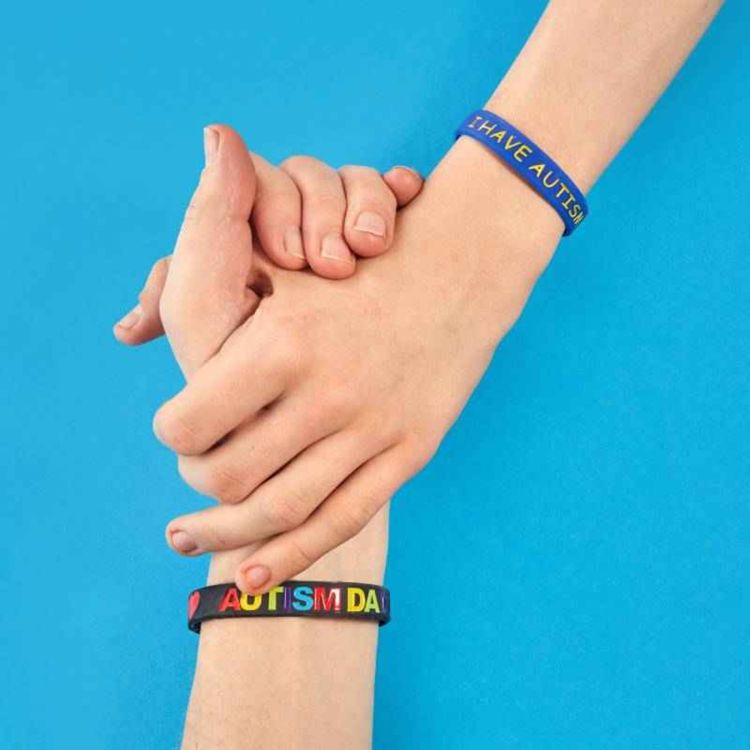
This episode, titled "Is Crossing Fingers a Sign of Autism?", aims to debunk the common misconception that crossing fingers is a symptom of Autism Spectrum Disorder (ASD). The author, John Hookway, emphasizes that while certain repetitive behaviors, known as "stimming," can be associated with ASD, crossing fingers is a gesture with a long history and cultural significance, unrelated to the condition. The wpisode then provides information about ASD, including its common characteristics like social communication challenges and repetitive behaviors. Ultimately, it stresses the importance of seeking professional advice if you have concerns about a child's development, rather than relying on misleading information.
More episodes
View all episodes
Education Considerations for Students with Autism
54:24|Comprehensive strategies for supporting students with autism in educational settings. It highlights the importance of structured classrooms, clear communication, and sensory accommodations to foster a safe and conducive learning environment. The material also emphasizes developing social skills through peer support and social stories, alongside differentiated instruction and positive behavior supports. Finally, it underscores the crucial role of collaboration with families and specialists, continuous assessment, and ongoing professional development to ensure student success and well-being.Difficulties of Students With Autism
48:51|Challenges faced by students with autism in educational settings and the various support strategies that can facilitate their success. They highlight common difficulties such as social and communication problems, sensory sensitivities, issues with executive function, and academic barriers, often leading to anxiety and meltdowns. The text emphasizes the importance of predictable routines, accommodations like sensory tools and flexible schedules, and the use of visual aids and technology to help these students. Ultimately, the sources stress the critical role of family involvement, staff understanding, and peer support in creating an inclusive and effective learning environment for autistic students.