Share
A History of Europe Key Battles
70.1 Battle of Königgrätz 1866 - Background
•
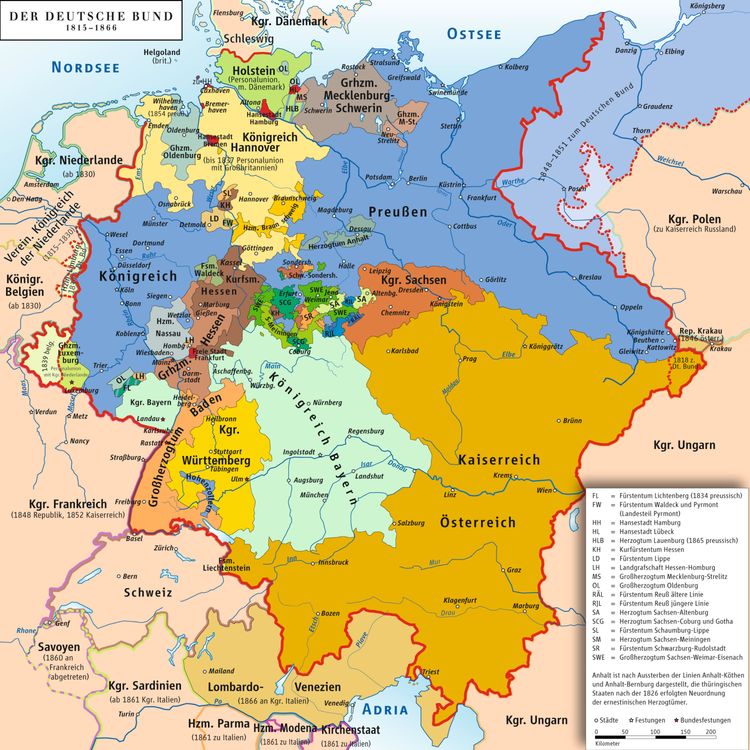
Any list of decisive battles of European history would be incomplete without a battle which occurred on 3 July 1866 near the town of Königgrätz, in the north of the today’s Czech Republic.
The victorious allies of the Schleswig War of 1864, the Austrian Empire and the Kingdom of Prussia, soon after fall out with each other and go to war.
Austria faces great challenges - in the centre of Europe and facing in two directions – north and west to Germany, and south and east to a number of various ethnicities in eastern Europe and the Balkans
www.patreon.com/historyeurope
www.historyeurope.net
Music composed by Camille Saint-saens: The Carnival of the Animals - Aquarium and Swan
Picture - Map of Central Europe
More episodes
View all episodes
84.3 Britain in 1920's, the General Strike
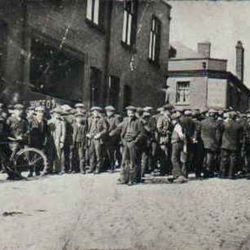
21:49|How Ramsay McDonald, Britain's First Labour Prime Minister ended up demonised by his own party, accused of betrayal to the movement.Stanley Baldwin, of the Conservative Party, became Prime Minister for the second time in 1924 and rejoined the Gold Standard. Also, the Wall street Crash, and society trends in 1920's Britain - technological advances and the growth of suburban townsPicture: Tyldesley miners outside the Miners Hall during them1926 General Strikewww.historyeurope.netwww.patreon.com/historyeuropehttps://podcasts.apple.com/us/podcast/a-history-of-europe-key-battles/id788893946Opening Music: The Charlston. End Music by Nico Vettese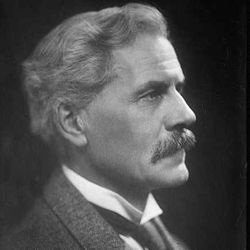
84.2 Britains' First Labour Government 1923-24
20:08|The 1920s in Britain witnessed great social change. It was also a watershed in the political history of the country with the first Labour Government of 1923-1924Picture: Ramsay MacDonaldwww.historyeurope.netwww.patreon.com/historyeuropehttps://podcasts.apple.com/us/podcast/a-history-of-europe-key-battles/id788893946Opening Music: The Charlston. End Music by Nico Vettese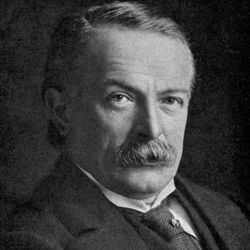
84.1 Britain in 1920s (David Lloyd George)
22:35|The 1920s was a key decade in British history, marked by the struggle to cope with post-war challenges, and the transition away from a society led by aristrocats. A key figure was Liberal leader, Prime Minister David Lloyd George (pictured)www.historyeurope.netwww.patreon.com/historyeuropehttps://podcasts.apple.com/us/podcast/a-history-of-europe-key-battles/id788893946Opening Music: The Charlston. End Music by Nico Vettese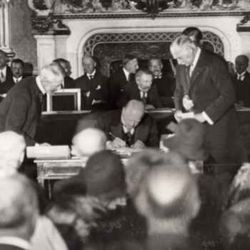
83.5 Germany's Descent into Dictatorship
24:23|International negotiations lead to the Kellogg-Briand pact, bringing hope for eternal peace in Europe. However, Germany suffers the double blow of its most able statesman Gustav Stresemann, together with the economic fallout of the Wall Street Crash. Political instability leads to President Hindenburg choosing his own cabinet and so sideline parliament. Hitler's Nazi party break through in elections in September 1930 Picture: Gustav Stresemann signing the Kellogg-Briand pactwww.historyeurope.netwww.patreon.com/historyeuropehttps://podcasts.apple.com/us/podcast/a-history-of-europe-key-battles/id788893946Opening Music: The Charlston. End Music by Nico Vettese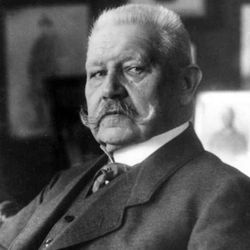
83.4 Post WW1 Germany, President Hindenburg
27:50|President Ebert dies of illness, prompting a presidential election, which is won by the former WW1 military commander Paul von Hindenburg. International negotiations continue, culminating in the Treaty of Locarno, in which France, Germany and Belgium agreed never to attack each other again. Germany joins the League of Nations, and Hitler re-asserts his authority over the National Socialist Party.Picture: President Paul von Hindenbergwww.historyeurope.netwww.patreon.com/historyeuropehttps://podcasts.apple.com/us/podcast/a-history-of-europe-key-battles/id788893946Opening Music: The Charlston. End Music by Nico Vettese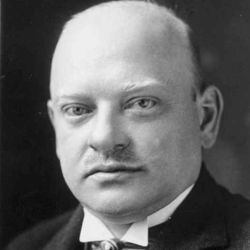
83.3 Germany's Reparations Problems
29:06|Post World War One Germany Struggles to pay the reparations demanded in the Treaty of Versailles.Picture: President Ebert asked Gustav Stresemann, leader of the DVP party, who formed a government coalition in 1923www.historyeurope.netwww.patreon.com/historyeuropehttps://podcasts.apple.com/us/podcast/a-history-of-europe-key-battles/id788893946Opening Music: The Charlston. End Music by Nico Vettese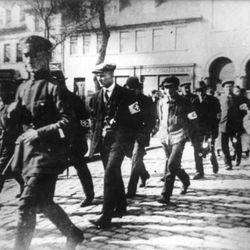
83.2 Early Weimar Republic and Adolf Hitler
25:21|The early years of Adolf Hitler as he becomes politically active and joins the Nazi party. Meanwhile the Weimar Republic struggles with harsh post-war conditions and attempted uprisings from both the Left and Right.Photo: German police sent to put down a left-wing rebellion known as the March Actionwww.historyeurope.netwww.patreon.com/historyeuropehttps://podcasts.apple.com/us/podcast/a-history-of-europe-key-battles/id788893946Opening Music: The Charlston. End Music by Nico Vettese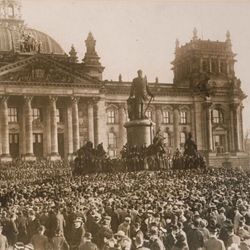
83.1 Birth of the Weimar Republic
29:56|After World War One, political upheaval in Germany leads to the overthrow of the German monarchy and establishment of a new republic based in the town of Weimar.Photo: Proclamation of Weimar Republic, 9 November 1918.www.historyeurope.netwww.patreon.com/historyeuropehttps://podcasts.apple.com/us/podcast/a-history-of-europe-key-battles/id788893946Opening Music: The Charlston. End Music by Nico Vettese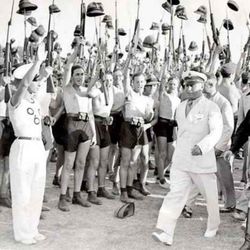
82.2 Fascism in Italy in 1920s
27:08|Mussolini consolidates his control of Italy, using a combination of intimidation, violence and occasional compromise to establish an authoritarian regime. He introduces a number of projects to boost Italy, including strengthing the currency, agricultural refor, after-work clubs and family planning, with mixed results. He also embarked on an expansionist foreign policy.Picture: Mussolini with the fascist youthOpening Music: The Charlston. End Music by Nico Vettesewww.historyeurope.netwww.patreon.com/c/historyeuropehttps://podcasts.apple.com/us/podcast/a-history-of-europe-key-battles/id788893946