Share

Radioinfo Podcast
News and interviews from the radio and audio industries from trade publications www.radioinfo.com.au and www.asiaradiotoday.com
Latest episode
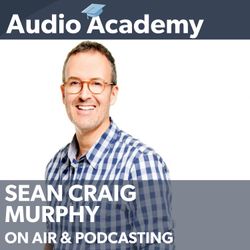
17. Sean Craig Murphy on Developing On Air Talent and Finding Your Superpower
15:46||Season 1, Ep. 17After more than 40 years in radio, Sean has learnt that great creative work comes down to preparation, honesty and knowing what makes you different.In this episode of the Audio Academy, Sean reflects on a career that has taken him through more than 20 radio stations and now into his role as Content Director at Fresh 92.7. He shares how he develops young talent without micromanaging, why he believes creativity has to be effective, and how good preparation can help overcome creative blocks.Sean also talks about giving honest feedback, the importance of finding your own “superpower”, and why radio has shifted away from the classic announcer voice towards more natural, authentic storytelling.
More episodes
View all episodes
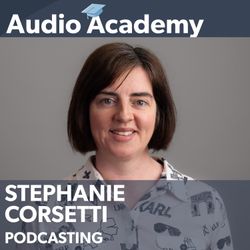
16. RMITs Stephanie Corsetti on Content, Chemistry and Consistency
13:09||Season 1, Ep. 16What makes a podcast worth coming back to?Journalist and RMIT educator Stephanie Corsetti believes it's the three C's - Content, Chemistry and Consistency.In this episode of Audio Academy, Steph shares what she’s learnt from a career spanning community radio, the ABC, SBS and education. She explores the importance of consistency, chemistry and authentic content, why niche podcasts can build loyal audiences, and whether every podcast really needs video.Steph also shares her advice for anyone thinking about starting a podcast, the value of practical experience, and why there’s still plenty of room to specialise in audio.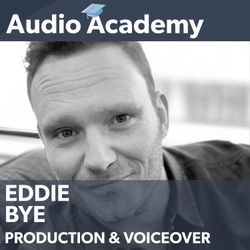
15. Eddie Bye on Voice Casting, Craft and the Future of Audio Production
23:25||Season 1, Ep. 15Eddie Bye has spent over 30 years working across radio, voiceover and commercial production, and in this episode of the Audio Academy he shares the lessons he's learnt along the way. From building better voiceover demos and directing authentic performances to producing award-winning commercials and using AI as a creative production companion, Eddie offers practical advice for anyone looking to create commercial audio that connects with listeners.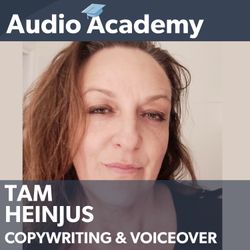
14. Tam Heinjus on Ad Effectiveness And How e=LCF
09:20||Season 1, Ep. 14Award-winning copywriter and voiceover Tam Heinjus believes the best radio commercials have one thing in common: they put the listener first.In this episode of the Audio Academy, Tam shares the lessons she's learnt from more than two decades in commercial radio, from hearing the ad that inspired her to join the industry through to creating award-winning campaigns that rely on the power of theatre of the mind. Along the way, she explains why silence can be one of the most effective creative tools, how to avoid falling into the trap of "ad speak", and why rewriting is where great copy really comes to life.Whether you're writing commercials, recording voiceovers or looking to sharpen your creative thinking, this conversation is packed with practical advice on crafting audio that sounds more natural, connects with listeners and leaves a lasting impression.
13. Lize Ratliff on Why Podcast Community Matters More Than Ever
11:23||Season 1, Ep. 13Building a successful podcast takes more than great content. According to podcast producer Lize Ratliff, the shows that stand the test of time are those that create a genuine sense of community among their audiences.In this episode of the Audio Academy, Lize shares her journey from Mamamia intern to podcast producer, reflects on the early days of Australian podcasting, and explains why community has become one of the biggest drivers of podcast growth. She also discusses the importance of production quality, why not every podcast needs to become a video pod, and how creators can make smarter decisions by focusing on the way their audience actually listens.Whether you're launching your first podcast or looking to grow an existing one, this conversation is full of practical advice on creating shows people want to come back to.
12. Cass Aldridge on Audio Production - From Little Things Big Things Grow
08:56||Season 1, Ep. 12In this episode of the Audio Academy, radio producer and voice actor Cass Aldridge shares what she's learnt from more than 25 years working in commercial radio. From building believable environments with subtle ambience to directing voiceovers and recording clean audio, Cass explains why getting the fundamentals right can make the biggest difference to the finished product.She also talks about life as both a producer and a voice actor, and why experience has taught her that sometimes the simplest production choices have the greatest impact.Whether you're producing commercials, recording voiceovers or just starting your career in audio, this conversation is packed with practical advice that will help you create audio people enjoy listening to.
11. AUDIO ACADEMY | Stop Writing For The Client, Start Writing For The Customer
11:02||Season 1, Ep. 11For more than 30 years, Geoff Bickerton has been helping businesses create radio advertising that actually works. But after thousands of commercials, his philosophy has become remarkably simple:Stop writing for the client and start writing for the customer.In this episode of Audio Academy, Geoff shares why so many ads miss the mark - not because they're badly written, but because they're focused on the wrong audience. Rather than filling 30 seconds with everything a business wants to say, Geoff believes the best advertising starts by asking one question: What does the customer actually want to hear?Throughout the conversation, Geoff explains why advertisers often talk about the wrong things, how to avoid turning commercials into shopping lists, and why the most effective campaigns focus on one person, one message and one clear outcome. He also shares practical advice on handling difficult briefs, working directly with clients, using humour effectively, and the simple writing principles that have guided his career.